
PrinceBag has positioned itself as a dependable manufacturer of durable genuine leather handbags for global clients. In an era where consumers demand both aesthetics and longevity, and retailers prioritize supply chain reliability, a manufacturer that consistently delivers high-quality leather goods at scale becomes a strategic partner. This article examines PrinceBag’s capabilities, materials and craftsmanship standards, production and quality control processes, customization and private-label opportunities, sustainability practices, logistics and global distribution strengths, and practical guidance for buyers seeking a reliable leather handbag supplier.
Understanding PrinceBag’s Core Strengths
At the heart of PrinceBag’s offering is a focus on durable genuine leather construction combined with contemporary design sensibilities. Durability doesn’t only mean thicker leather—it’s an integration of well-selected hides, precise cutting, reinforced stitching, thoughtful hardware selection, and protective internal structures (like lining and interfacings). PrinceBag’s factories emphasize process consistency: pattern grading, edge finishing, reinforced stress points, and quality hardware installation are all standardized to minimize defects and extend product life.
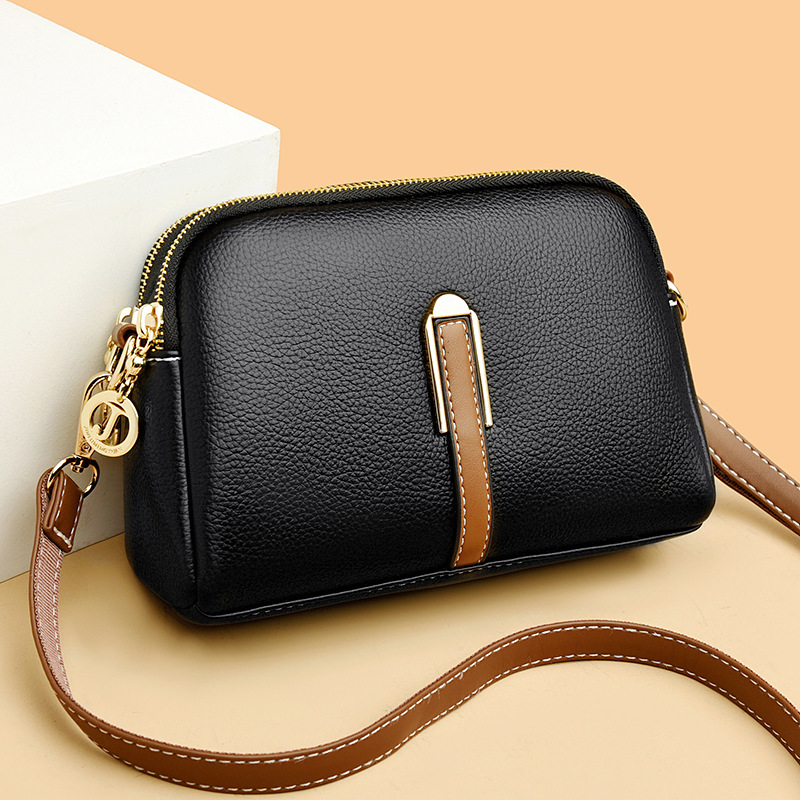
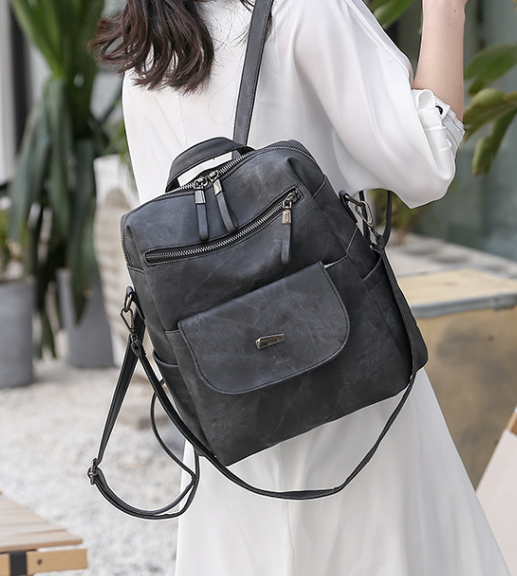
Another strength is the company’s product range. PrinceBag manufactures classic totes, crossbody bags, satchels, Backpacks, and structured work bags, each engineered for repeated daily use. Their R&D team collaborates with clients to adapt designs for specific markets—whether that means lightweight travel-friendly constructions for European consumers or larger, compartmentalized styles favored in North America.
Materials and Sourcing: Genuine Leather Standards
Genuine leather covers a wide quality spectrum. PrinceBag navigates this by categorizing leather grades transparently: full-grain, top-grain, corrected grain, chrome-tanned, vegetable-tanned, and nubuck/suede variants. For durable handbags, full-grain and high-quality top-grain leathers are preferred due to better tensile strength and patina development.
Key material controls PrinceBag employs:
– Traceable supply chains for hides to ensure ethical sourcing.
– Consistent leather thickness and tensile testing to match bag designs.
– Specialized coatings when durability against water and abrasion is required.
– Hardware selection from vetted suppliers to prevent premature failure.
Manufacturing Capability and Quality Control
Large and small orders alike require rigorous quality systems. PrinceBag’s manufacturing floor typically incorporates:
– Pattern checks and sample approvals prior to mass production.
– In-line quality checkpoints during cutting, stitching, and assembly.
– Final quality inspections assessing strap strength, seam integrity, hardware function, lining robustness, and cosmetic finish.
– Batch testing for colorfastness, abrasion resistance, and tensile strength when required by clients.
By maintaining digital records of inspection results and using barcode-tracking for production lots, PrinceBag provides clients with transparency and traceability—critical for global retailers managing multiple SKUs and compliance requirements.
Customization, Private Labeling, and Design Collaboration
Private labeling is a major value proposition. PrinceBag offers:
– Flexible minimum order quantities (MOQs) depending on complexity and material choice—standard MOQs for custom pieces can range from small hundreds to a few thousand units.
– Full-service design collaboration: tech packs, CAD drawings, material sourcing, prototype iterations.
– Branding options: debossed logos, metal plaques, woven labels, custom dust bags, and packaging.
– Colorway and hardware customization: clients can specify zippers, buckles, and plating finishes.
This flexibility allows boutiques, online brands, and large retail chains to maintain distinct brand identities while leveraging PrinceBag’s manufacturing expertise.
Sustainability and Compliance
Sustainability is no longer optional in many markets. PrinceBag responds with several initiatives:
– Sourcing hides from tanneries that follow environmental regulations and offer responsible effluent treatment.
– Offering eco-friendlier tanning options (vegetable-tanned leather) and low-VOC finishing processes.
– Implementing waste reduction programs, recycling leather offcuts where possible, and optimizing cutting layouts.
– Compliance support: documentation for CE/REACH or other regional requirements, chemical test results on request (e.g., Azo dyes, heavy metals).
These steps help international buyers meet retailer or regulatory sustainability criteria.
Logistics, Lead Times, and Global Distribution
Global clients need predictable lead times and logistics support. PrinceBag maintains:
– Flexible production scheduling to accommodate rush orders and seasonal surges.
– DDP/DDU shipping options and partnerships with freight forwarders for sea and air freight.
– Consolidation services for clients ordering multiple SKUs.
– Inventory and warehousing solutions in some regions to support just-in-time replenishment.
Typical lead times for custom leather handbags range from 6–12 weeks, depending on order size and finishing complexity. PrinceBag’s responsiveness to reorders is a competitive advantage for brands managing seasonal collections.
Market Positioning and Client Segments
PrinceBag serves diverse clients:
– Emerging direct-to-consumer brands seeking quality private-label production on manageable MOQs.
– Established fashion houses requiring reliable OEM/ODM partners.
– Retail buyers sourcing durable, value-oriented leather handbags.
– Corporate clients needing premium gifting solutions or promotional leather goods.
Their combination of craftsmanship, customization, and logistics makes them appealing across price tiers—particularly in mid-range to premium segments where consumers expect quality and longevity.
Competitive Advantages and Risk Management
Competitive advantages:
– Technical expertise in leather construction and durable design.
– Transparency in leather grading and supply chain practices.
– Strong sample and prototyping processes ensuring client alignment before mass production.
– Comprehensive customization services and branding support.
Key risks and mitigations:
– Material price volatility – mitigated through multi-sourcing and long-term supplier relationships.
– Quality variance – managed via stringent QC protocols and staff training.
– Lead-time disruptions – mitigated by capacity buffers and diversified production lines.
Practical Advice for Buyers
When evaluating PrinceBag (or any leather handbag manufacturer), buyers should:
– Request leather samples and lab reports to verify grade and finish.
– Ask for production samples and wear tests for durability feedback.
– Clarify MOQs, pricing tiers, and the cost of tooling or custom hardware.
– Review QC documentation and defect acceptance criteria before order confirmation.
– Confirm lead times, shipping terms, and any warehousing options if inventory management is needed.
Analysis Table: PrinceBag Capabilities Snapshot
| Feature | Capability | Quality Control | Customization Options | Ideal Client Type |
|---|---|---|---|---|
| Leather Sourcing | Full/top-grain, vegetable & chrome-tanned | Thickness & tensile tests; traceability | Color matching; finish treatments | Mid to premium brands |
| Construction | Reinforced stitching; structured frames | Stage inspections; seam strength tests | Reinforcement options; lining choices | Retail & DTC sellers |
| Hardware | Durable zippers, clasps, plated metals | Function tests; plating checks | Custom plating & logo engraving | Brands needing unique identity |
| Private Label | Full-service tech pack to finished goods | Sample approvals; pre-shipment QC | Deboss, plaques, dust bags, packaging | Startups & established labels |
| Logistics | DDP/DDU options, consolidation | Batch tracking; export documentation | Warehousing (select markets) | Global retailers & distributors |
Conclusion and Next Steps
For global clients seeking durable genuine leather handbags, PrinceBag represents a solid partner capable of combining craftsmanship, customization, and supply chain reliability. Buyers should engage early with PrinceBag’s technical and sourcing teams to align materials, prototypes, and timelines. Clear expectations around MOQs, quality standards, and logistics will smooth the path from sample to shelf. Whether you’re launching a private-label brand or scaling a retail assortment, choosing a manufacturer like PrinceBag—with defined material standards, robust QC, and flexible customization—can reduce risk and elevate product quality in competitive markets.
If you are considering PrinceBag for your next leather handbag collection, prepare a tech pack, request leather and hardware samples, and schedule a prototype review to ensure your designs meet both aesthetic and durability goals.