
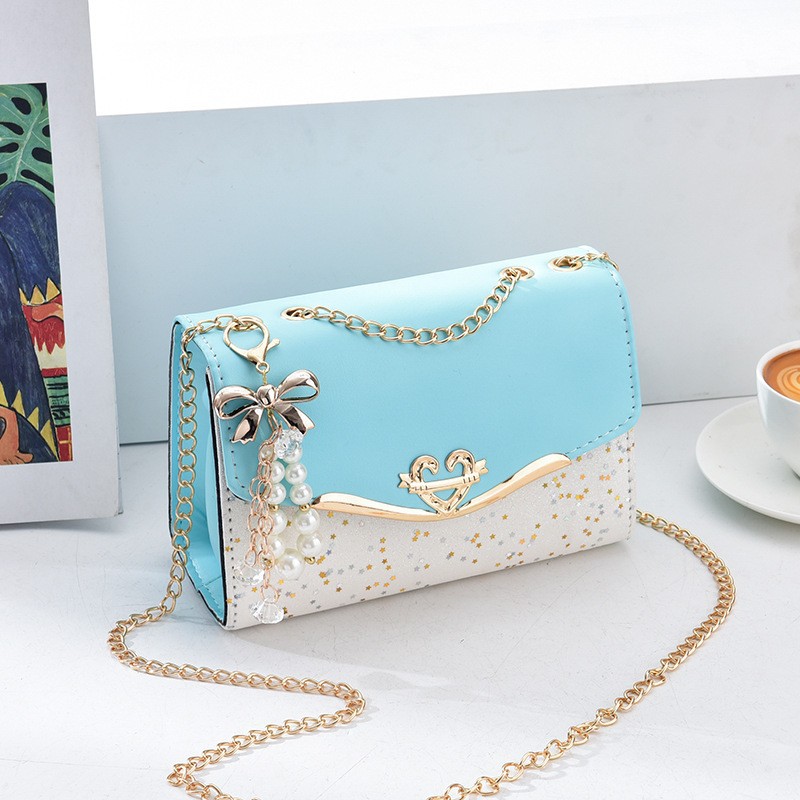
PrinceBag’s fashion cross-body women handbags have become a compelling option for wholesalers, retailers, and private-label brands working in the B2B arena. These handbags combine contemporary design, functional form, and production efficiency—qualities that businesses look for when placing bulk orders. For buyers evaluating suppliers, PrinceBag offers a balance of trend-driven styles, scalable manufacturing, and customization potential that supports both established fashion buyers and new entrants seeking fast-to-market private-label collections.
This article provides a practical, business-focused guide to ordering PrinceBag cross-body handbags in bulk. It covers product features, manufacturing capabilities, pricing models, quality control, logistics, compliance, sustainability, and marketing recommendations. Included is an analysis table to help B2B buyers compare common order scenarios and product SKUs.
Product Overview: Design, Materials, and Core Features
PrinceBag cross-body handbags target women seeking a mix of style and convenience. Core product attributes typically include:
– Compact to medium sizes suitable for daily use and travel.
– Adjustable straps for comfort and cross-body functionality.
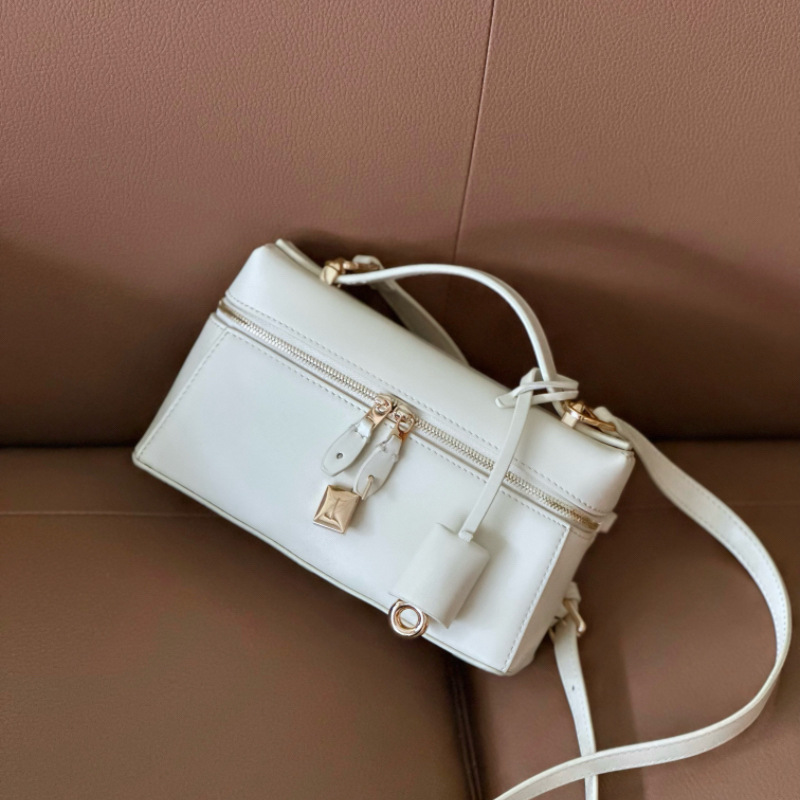
– Multiple compartments and zipper closures to organize essentials.
– Variety of materials: PU leather, genuine leather, vegan leather alternatives, canvas, and mixed-material designs.
– Trend finishes such as embossed textures, metal hardware accents, quilting, and color-blocking.
From a B2B perspective, these attributes deliver clear selling points across price tiers. For mass-market buyers, durable faux leather options reduce cost while maintaining aesthetic appeal. For premium buyers, bonded or genuine leather options justify higher margins.
Manufacturing & Supply Chain Capabilities
For B2B orders, consistent manufacturing capacity and predictable lead times are essential. PrinceBag typically supports:
– Minimum order quantities (MOQs) that vary by SKU and customization level—standard SKU MOQs can range from low hundreds to a few thousand units.
– Production lead times depending on complexity, ranging from 30 to 90 days.
– In-house prototyping and pre-production sampling to ensure design accuracy.
– Tiered production lines to handle mass manufacturing and smaller private-label runs.
Buyers should confirm exact MOQs, sample turnaround times, and peak-season capacity constraints before committing. Closing the loop with early design approvals and detailed tech packs saves time and reduces costly revisions.
Quality Control & Inspection Protocols
Quality assurance for B2B handbag orders involves several checkpoints:
– Pre-production sample approval: Evaluate materials, hardware, stitching, and proportion.
– In-line inspections: Random checks during production to catch deviations early.
– Final inspection (AQL standard preferred): Cosmetic and functional testing before shipment; common AQL levels are 2.5 for major defects and 4.0 for minor defects.
– Performance testing: Strap tensile strength, zipper cycles, colorfastness tests, and abrasion resistance.
B2B buyers should request third-party inspection options, detailed QC checklists, and photo/video reports of both in-line and final inspections. Clear agreement on reject rates, rework terms, and returns policy avoids disputes.
Pricing, MOQ & Cost Structure
Price points are influenced by materials, hardware, complexity, and order volume. Common cost components include:
– Material cost (leather, linings, trimmings)
– Hardware (zippers, buckles, metal logos)
– Labor and factory overhead
– Tooling and sample fees for custom hardware or molds
– Packaging and labeling
– Shipping, duties, and insurance
To assist buyers, the following table analyzes representative PrinceBag offerings and typical B2B parameters.
| Product Model | Material | MOQ | Unit Price Range (FOB) | Lead Time |
|---|---|---|---|---|
| Classic Mini Cross-body | PU leather, cotton lining | 300 pcs | $6.50 – $9.00 | 30-45 days |
| Quilted Everyday Cross-body | Vegan leather, metal hardware | 500 pcs | $10.00 – $15.00 | 45-60 days |
| Premium Leather Cross-body | Genuine cowhide, leather lining | 200 pcs | $28.00 – $45.00 | 60-90 days |
| Convertible Day-to-Night | Mixed materials, custom hardware | 800 pcs | $18.00 – $26.00 | 60-75 days |
| Canvas Casual Cross-body | Canvas, eco-friendly trim | 400 pcs | $7.50 – $12.00 | 35-50 days |
Note: FOB (Free on Board) price ranges are indicative and depend on exact specs. Buyers should request detailed quotes including packaging, labeling, and optional extras.
Customization, Private Labeling, and Branding
Customization is a major driver for B2B buyers. Typical options include:
– Logo embossing, metal plaques, or woven labels.
– Custom lining prints, colors, and strap details.
– Hardware finishes (gold, silver, gunmetal, matte black).
– Custom packaging: branded boxes, dust bags, swing tags.
– Functional variations: added pockets, RFID-blocking linings, detachable straps.
Custom work may require additional tooling fees and higher MOQs. A typical private-label workflow: initial design brief → prototype/sample → approval → pilot order → full-scale production. Establishing a clear intellectual property agreement and quality expectations is crucial.
Shipping, Logistics & Lead Time Optimization
Shipping strategies affect landed cost and delivery reliability:
– Sea freight is cost-effective for large shipments but requires longer lead times and port handling.
– Air freight is faster for high-value or urgent replenishments but significantly more expensive.
– Consolidation and LCL (less than container load) options help smaller buyers reduce per-shipment costs.
– DDP (Delivered Duty Paid) or FOB terms should be negotiated based on buyer capabilities and preferences.
Lead time optimization tips:
– Align production window with seasonal demand and peak labor schedules.
– Approve samples and tech packs early.
– Use staggered shipments for new collections: send best-selling SKUs first.
– Maintain buffer stock for evergreen styles to prevent stockouts.
Regulatory Compliance & Certifications
International buyers must ensure compliance with target market regulations:
– Material restrictions: Certain dyes, PFAS, and heavy metals may be restricted; request material safety data and compliance certificates.
– Labeling: Country-of-origin, care instructions, and fiber content labeling rules may apply.
– Leather regulations: For some markets, documentation proving lawful sourcing and treatment of hides is required.
– Consumer safety: Stricter markets may require testing for harmful substances, flammability, or child-safety standards for children’s lines.
Ask suppliers for test reports, REACH/Prop65 declarations (if selling to EU/California), and any factory social compliance audits (e.g., Sedex, BSCI).
Sustainability & Ethical Sourcing
Sustainability is increasingly important for B2B buyers and their consumers. PrinceBag can offer several sustainability pathways:
– Recycled or bio-based materials for linings and trims.
– Eco-friendly packaging: recycled cardboard, compostable labels, or minimal plastic use.
– Leather alternatives: high-quality PU or plant-based leathers with lower environmental footprints.
– Factory sustainability practices: energy efficiency, water treatment, and waste reduction.
Buyers should request transparent sustainability claims, supporting certifications, and supplier roadmaps for improvement.
Sales & Marketing Strategies for B2B Buyers
To maximize ROI on bulk handbag purchases:
– Segment offerings by price tier: entry-level (trend-driven), core (classic styles), premium (leather and limited editions).
– Use clear product storytelling: highlight materials, craftsmanship, and functionality in B2B catalogs.
– Offer tiered pricing and launch incentives for larger initial orders.
– Provide digital assets: high-resolution images, 360° views, and product videos to shorten the buyer’s decision cycle.
– Encourage partnerships: co-branded capsules or exclusive colorways for key retail partners.
For retailers, cross-body handbags are versatile sell-through drivers—pair them with apparel promotions, seasonal campaigns, or travel accessories.
Risk Management & Contingency Planning
Common B2B supply risks and mitigation steps:
– Production delays: maintain alternative SKUs in inventory; negotiate partial shipments.
– Quality variations: insist on pre-shipment inspections and batch testing.
– Currency fluctuations: agree on payment currency or hedging mechanisms for large orders.
– Logistic disruptions: diversify shipping routes and consider multi-port strategies.
Having a written contract with clear deliverables, penalties for late delivery, and dispute resolution processes reduces business exposure.
Checklist for Placing Your First Bulk Order
– Define target customer, price points, and initial assortment.
– Request detailed tech packs and production samples.
– Confirm MOQs, tooling fees, and sample costs.
– Agree on lead times and shipment terms (FOB, DDP).
– Establish quality control procedures and inspection rights.
– Get written agreements on IP, labeling, and returns policy.
– Verify compliance documents and requested certifications.
– Plan logistics, insurance, and customs clearance.
Conclusion: Making the Most of PrinceBag Cross-body Handbags in B2B
PrinceBag cross-body women handbags present a well-balanced option for B2B buyers looking to combine trend-relevance, functional design, and scalable manufacturing. Success in bulk purchasing depends on clear product specifications, realistic lead-time planning, stringent quality control, and strategic marketing. Whether you’re a retailer stocking seasonal trends or a private-label brand launching a new collection, the key is building a collaborative relationship with the supplier that supports customization, transparency, and consistent delivery.
Approach your PrinceBag partnership with due diligence: get detailed quotes, inspect samples, confirm compliance, and plan logistics early. With those steps in place, cross-body handbags can become reliable, profitable additions to your product mix—fast to reproduce, easy to market, and favored by consumers for everyday use.