
Original Design Manufacturing (ODM) has become a cornerstone for fashion brands that want to accelerate product development while maintaining high quality and distinctive design. PrinceBag’s High Quality Cross-body Women handbags ODM Service is tailored to meet the needs of boutique brands, department stores, and e-commerce retailers seeking turnkey solutions — from concept and prototyping to mass production and logistics. This article examines the value PrinceBag offers, the operational workflow, quality assurance practices, sustainability measures, market positioning, and practical recommendations for partners who want to launch a standout cross-body handbag line quickly and reliably.
Understanding PrinceBag’s ODM Offerings
PrinceBag’s ODM service specializes in cross-body handbags designed for women who value style, functionality, and durability. Their offerings typically include:
– Full design and tech-pack creation based on brand brief.
– Material sourcing (leathers, vegan leathers, fabrics, hardware).
– Pattern making, prototyping, and fit adjustments.
– In-house and partner factory production at scale.
– Quality control, packaging, and fulfillment services.
The core advantage is that clients can skip the steep investment in tooling, pattern development, and supplier qualification. Brands receive finished, market-ready products that reflect their aesthetics and standards without building production capacity.
Design-to-Production Workflow
PrinceBag follows a structured workflow to guarantee consistency and speed:
1. Concept & Brief: The client shares mood boards, target price, target customers, required features, and timelines.
2. Design & Tech Pack: PrinceBag’s designers translate ideas into detailed technical packs with materials, dimensions, and construction methods.
3. Sampling: Rapid prototyping yields one or more samples. Feedback loops allow refinement.
4. Pre-production: Final sample approval triggers material procurement and production planning.
5. Production & QC: Production begins with inline inspections and final checks.
6. Logistics: Finished goods are packed per client spec and shipped via chosen freight carriers.
This process preserves design intent while optimizing costs and lead times.
Materials and Craftsmanship
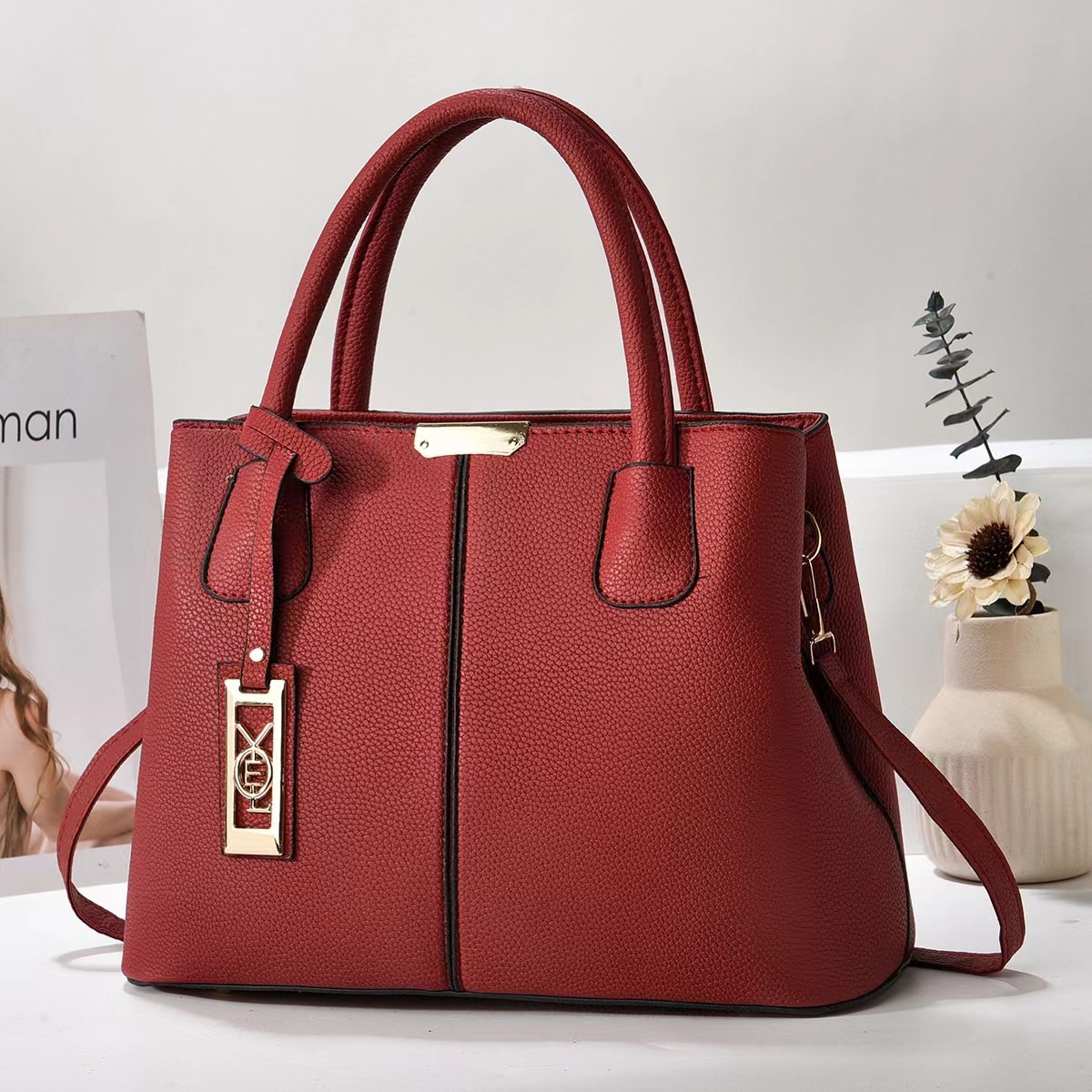
High-quality cross-body handbags depend on thoughtful material selection and consistent craftsmanship. PrinceBag typically offers:
– Full-grain and top-grain leather options for longevity and premium feel.
– PU and microfiber vegan leathers for cruelty-free alternatives.
– Durable linings (nylon, cotton blends) with bonded interfaces to prevent wear.
– Robust hardware (zippers, buckles, rivets) with plating choices (gold, brushed nickel, gunmetal).
– Reinforced stitching patterns and edge finishing to ensure structural integrity.
Material sourcing is evaluated against durability, colorfastness, and environmental impact. PrinceBag often partners with vetted suppliers to secure consistent batches and traceability.
Quality Assurance & Testing
PrinceBag’s QA framework focuses on consistent results across runs:
– Incoming Material Inspection: Verifying color, thickness, and defect rates.
– In-line Inspections: Random checks during production to detect issues early.
– Final Inspection (AQL): Ensuring finished bags meet defect thresholds.
– Functional Testing: Strap strength tests, zipper cycles, and hardware load tests.
– Finish & Packaging Checks: Ensuring logos, tags, and packaging meet brand requirements.
These steps reduce returns and protect brand reputations.
Customization Options and Branding
ODM by PrinceBag supports a high degree of customization:
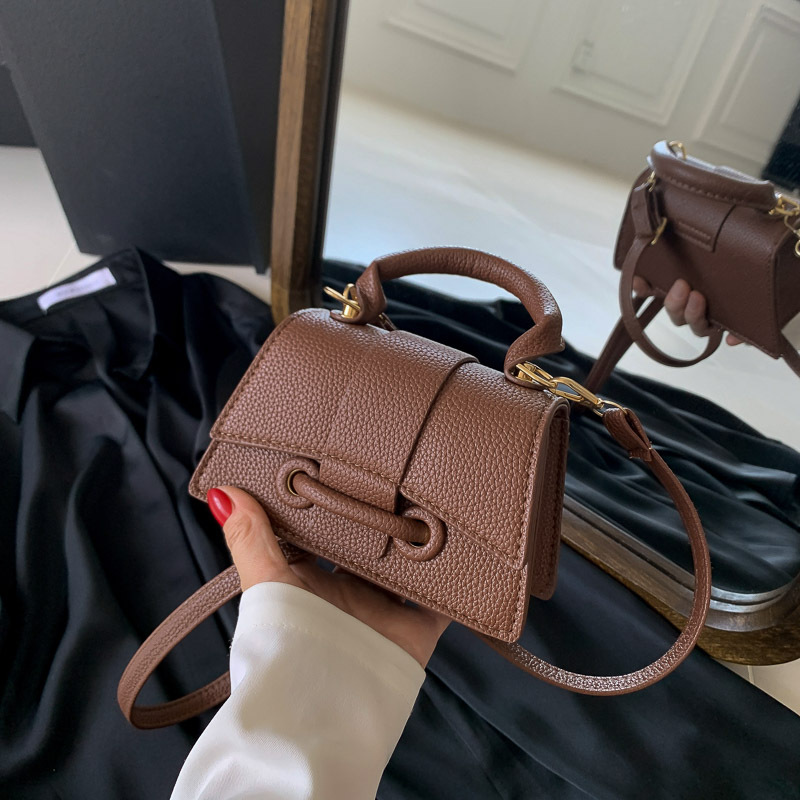
– External design variations: shapes, flap styles, closures, quilting patterns.
– Internal layout: pockets, RFID sleeves, removable pouches.
– Branding: embossing, debossing, metal logo plates, woven labels, hangtags.
– Packaging: bespoke boxes, dust bags, swing tags, and care cards.
Clients can choose minimal branding for white-label retail or customized signature details for private labels.
Sustainability and Ethical Practices
Sustainability is increasingly a purchasing criterion. PrinceBag integrates environment-conscious practices:
– Offering eco-leather alternatives and lower-impact lining materials.
– Using water-based adhesives and reduced-VOC finishing where possible.
– Supply chain audits to ensure fair labor standards at partner factories.
– Waste reduction via pattern optimization and offcut recycling programs.
Brands can request certificates or compliance documentation as part of the ODM agreement.
Lead Times and Minimum Order Quantities (MOQs)
Managing lead time and MOQ expectations is critical:
– Sample lead time: typically 10–21 business days depending on complexity.
– Production lead time: commonly 30–60 days after sample approval for bulk orders.
– MOQ: varies by material and style, often 300–1,000 pieces per color/size, but negotiable for multiple-style mixes or development agreements.
PrinceBag can often work with brands to adjust MOQs by blending SKUs or securing material commitments to lower minimums.
Cost Structure and Pricing
ODM pricing involves multiple components:
– Design & sampling fee (one-time or credited to first order).
– Material costs (leather/fabric/hardware).
– Labor and factory overhead.
– Quality assurance and finishing.
– Packaging and logistics.
Competitive pricing arises from PrinceBag’s supplier networks and volume purchasing power. Transparent cost breakdowns help brands set retail prices and margins.
Market Positioning & Trend Responsiveness
Cross-body handbags remain a high-demand category due to their functionality and fashion versatility. PrinceBag keeps clients competitive by:
– Tracking trend cycles (mini bags, utility straps, tech-friendly pockets).
– Offering modular designs that adapt to seasonal updates.
– Advising on price-tier segmentation — luxury, premium, accessible luxury.
– Supplying seasonal capsules quickly thanks to streamlined ODM workflows.
Brands that partner with PrinceBag can react faster to market shifts than those relying on traditional in-house production cycles.
Case Study Snapshot
A mid-sized online women’s brand wanted to launch a sustainable cross-body line with a 60-day go-to-market schedule. PrinceBag:
– Developed a consistent vegan leather option and signature hardware.
– Delivered initial samples in 12 days.
– Achieved full production in 45 days with a 500-unit MOQ across three colors.
– Result: The client hit launch deadlines, achieved a 35% margin, and saw strong sell-through in eight weeks.
This demonstrates PrinceBag’s ability to deliver speed and quality in tandem.
Risk Management and Supply Chain Resilience
Potential risks include material delays, quality variances, and logistics disruptions. PrinceBag mitigates these with:
– Multiple vetted suppliers for critical materials.
– Safety stock policies for high-demand SKUs.
– Staggered production scheduling to avoid single-point failures.
– Clear communication channels and contingency plans for expedited shipments.
These practices reduce the probability of missed retail deadlines.
How to Start an ODM Partnership with PrinceBag
Brands can follow these practical steps:
1. Prepare a product brief with inspiration, target retail price, and quantities.
2. Request a capability presentation and sample lead time.
3. Approve a tech pack and initial cost estimate.
4. Place sample order and provide iterative feedback.
5. Finalize production schedule, payment terms, and shipping preferences.
A transparent NDA and contract covering IP, minimums, delivery, and quality standards are standard to protect both parties.
Analysis Table: Key Metrics for PrinceBag Cross-body Handbag ODM Service
| Metric | Typical Range | Impact on Brand | PrinceBag Strength | Notes / Recommendations |
|---|---|---|---|---|
| Sample Lead Time | 10–21 days | Speed to market; early feedback | Fast prototyping, iterative revisions | Budget for 1–2 rounds of revisions |
| Production Lead Time | 30–60 days | Stock availability, seasonal launches | Efficient scheduling, parallel processes | Plan orders 3 months ahead for peak seasons |
| MOQ | 300–1,000 pcs / color | Inventory risk and initial capex | Flexible SKU blending to lower MOQs | Negotiate mixed-color orders to reduce per-SKU MOQ |
| Price per Unit | $12–$90 (depends on materials) | Retail pricing and margins | Competitive sourcing reduces cost | Request detailed cost breakdown to set MSRP |
| Quality Defect Rate (AQL) | <1% accepted target | Return rates and brand reputation | Robust QC and testing protocols | Include a remedial plan in contract |
Common Questions Brands Ask
– Can PrinceBag protect my designs? Yes — IP protection and NDAs are standard; some clients also register patterns or trademarks.
– Are small orders possible? Yes, with higher unit costs; collaborative approaches like split runs across colors can lower MOQ pain points.
– Can PrinceBag handle seasonal rushes? Yes, with prior notice and confirmed material allocations.
– How is packaging handled? Fully customizable; sustainability options available.
Practical Recommendations for Brands
– Start with a clear tech pack and target price. It saves time and prevents scope creep.
– Order a small run of pre-launch inventory for market testing before scaling.
– Invest in a durable signature detail (hardware or strap) that can become a brand identifier.
– Request full cost transparency to understand where margin improvements can be made.
– Prioritize sustainable choices if your customers care about ethical sourcing.
Conclusion: Strategic Benefits of Partnering with PrinceBag
PrinceBag’s High Quality Cross-body women handbags ODM Service offers a compelling proposition for brands that want high-quality, design-forward products without the cost and complexity of building their own production capabilities. Their strengths in rapid prototyping, consistent quality control, flexible customization, and supply chain management make them a reliable partner for launches and seasonal collections alike. By aligning expectations around lead times, MOQs, and material choices, brands can leverage PrinceBag’s capabilities to accelerate growth, protect brand equity, and deliver cross-body handbags that satisfy modern consumers’ demands for style, function, and sustainability.