

Evening handbags occupy a unique niche in the fashion market: they combine craftsmanship, trend sensibility, and a margin-friendly product profile that suits both boutique retailers and large distributors. PrinceBag’s factory-direct wholesale model appeals to B2B buyers seeking reliable supply, competitive pricing, on-trend designs, and responsive customization. This article provides a practical, in-depth guide for businesses evaluating PrinceBag as a supplier for evening handbags in bulk—covering product categories, pricing structures, quality control, logistics, MOQs, and commercial strategies to maximize margins and customer satisfaction.
Market Overview: Why Evening Handbags Remain a Strategic SKU
Evening handbags, from compact minaudieres to elegant clutches and chain-strap Shoulder Bags, are often impulse purchases tied to events, holidays, and gift-giving seasons. For retailers, they deliver:
– High perceived value with relatively low production cost.
– Seasonal spikes around weddings, prom, holiday parties, and cultural events.
– Strong cross-sell opportunities alongside dresses, shoes, and accessories.
PrinceBag’s focus on evening pieces positions it to supply retail buyers who need reliable turnaround and a variety of styles to capture evolving trends.
Why Choose PrinceBag for Factory Direct Wholesale?
Working factory-direct with PrinceBag offers B2B benefits:
– Cost Efficiency: Removing intermediaries reduces markups, enabling better wholesale pricing.
– Design Agility: Close communication with the factory shortens the design-to-sample cycle for seasonal trends.
– Customization Options: Private label, colorways, hardware finishes, and packing solutions.
– Consistent Supply: Factory-controlled inventory and predictable production scheduling for repeat orders.
– Transparent Quality Control: On-site inspections and standardized QC procedures minimize defects.
Product Range and Customization: What PrinceBag Offers
PrinceBag’s evening handbag portfolio typically includes:
– Classic clutches (hard-shell and soft materials).
– Minaudieres with metallic finishes and crystal embellishments.
– Satin and velvet pouches with optional chain straps.
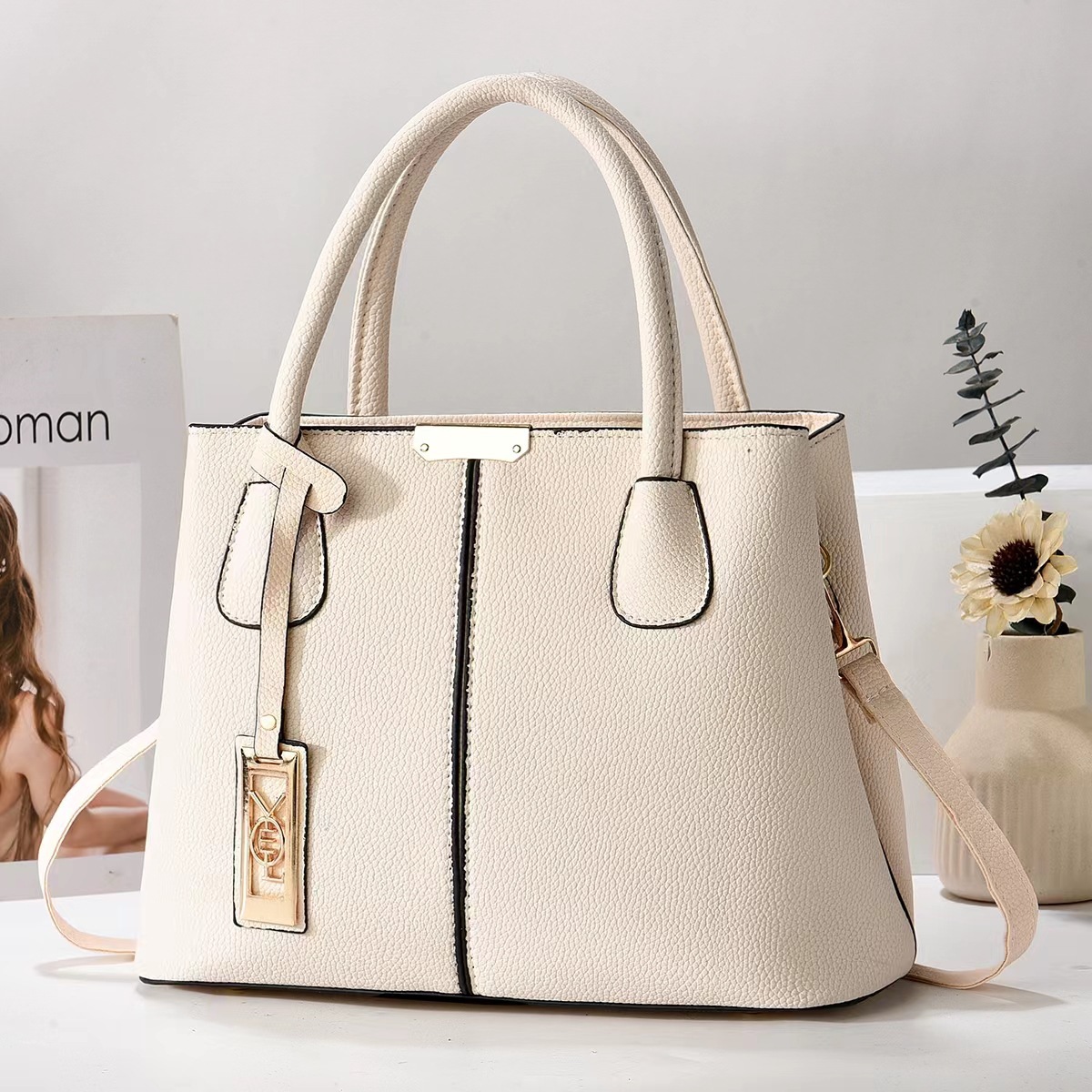
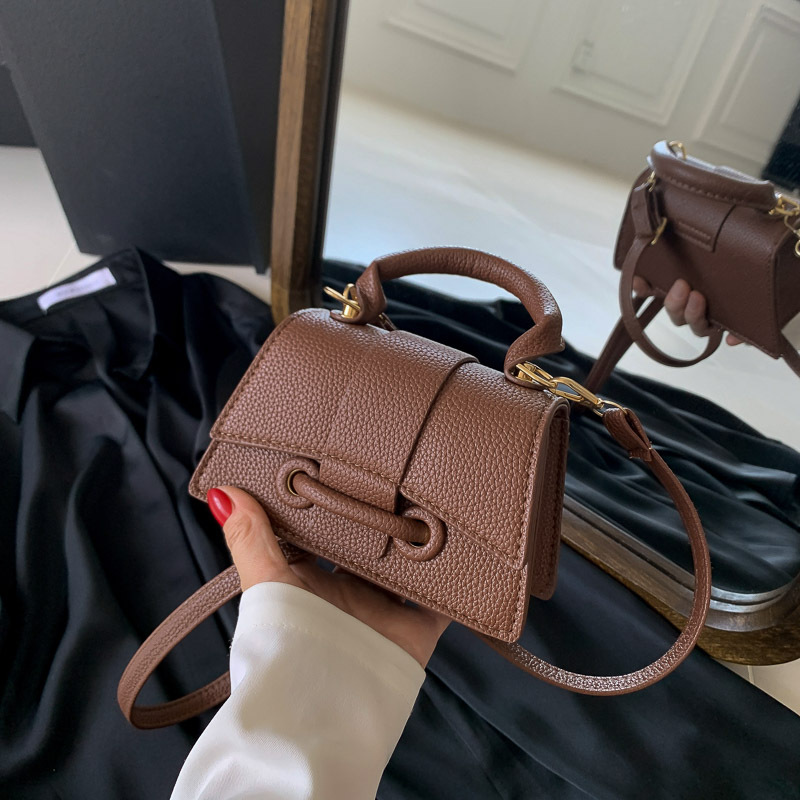
– Compact box bags with custom hardware and gemstone accents.
– Convertible evening bags with detachable straps for versatility.
Customization layers:
– Materials: satin, velvet, PU leather, genuine leather, sequined fabrics, metallic finishes.
– Hardware: chain length, clasp styles, metallic plating (gold, silver, gunmetal, rose gold).
– Branding: embossing, custom hangtags, interior labels, and packaging.
– Functional variations: interior pockets, lining colors, dust bags, and gift boxes.
Quality Control and Compliance: Ensuring Consistent Evening Luxury
For B2B buyers, consistent quality equals fewer returns and stronger retail reputation. PrinceBag typically applies:
– Incoming material inspection protocols for fabrics, hardware, and trims.
– In-process checks at key production stages (cutting, assembly, attachment of hardware, finishing).
– Final random-sample inspections and AQL (Acceptable Quality Limit) testing.
– Compliance with material safety standards (lead-free hardware, restricted substances testing like REACH or CPSIA where applicable).
Buyers should request inspection reports, lab certificates, and consider third-party QC audits for large orders.
Pricing, MOQ and Cost Analysis
Understanding price tiers and minimum order quantities (MOQs) is critical for B2B purchasing. PrinceBag’s factory direct structure commonly provides tiered pricing by quantity and material. Below is an analysis table comparing representative evening handbag styles and their usual production parameters to help buyers estimate landed costs and retail margins.
| Model | Primary Material | Typical MOQ (pcs) | Estimated Unit Price (USD) | Ideal Buyer / Retail Channel |
|---|---|---|---|---|
| Classic Satin Clutch | Satin fabric with lining | 200 | $6.50 – $9.00 | Bridal boutiques, event wear retailers |
| Embellished Minaudière | Hard-shell + crystals | 150 | $12.00 – $20.00 | High-end boutiques, boutique department stores |
| Velvet Pouch with Chain | Velvet + metal chain | 300 | $7.00 – $10.50 | Specialty accessory shops, online boutiques |
| PU Leather Box Bag | PU leather + plated hardware | 250 | $8.50 – $13.00 | Mass-market retailers, subscription boxes |
| Metallic Evening Box | Metal frame + painted finishes | 120 | $15.00 – $28.00 | Designer collaborations, specialty stores |
| Convertible Chain Clutch | Leatherette + convertible chain | 200 | $9.00 – $14.00 | Online fashion retailers, pop-up shops |
Notes on the table:
– Unit prices are estimates at factory direct cost and vary with color complexity, lining, hardware choices, and decorative elements.
– MOQs are representative; customization or seasonal promotions may alter MOQs.
– Buyers should calculate landed cost by adding shipping, duties, sampling fees, and inspection costs.
Logistics, Lead Times, and Minimum Order Planning
Efficient logistics planning is essential for B2B buyers ordering evening handbags in bulk:
– Lead Times: Typical production lead times range from 30 to 70 days depending on complexity, season, and factory load. Embellished pieces may require longer.
– Shipping Options: FOB (Factory) or CIF options are common. Air freight suits urgent smaller batches; ocean freight reduces cost per unit for larger orders.
– Inventory Planning: Time your orders ahead of peak seasons—weddings and holidays require buffer lead times and contingency stock.
– Incoterms & Responsibility: Clarify responsibilities (packaging, export documentation, insurance) and whether PrinceBag handles consolidation or direct shipment.
Sample, Prototype, and Production Workflow
A healthy B2B relationship follows a predictable sample-to-production path:
1. Inquiry and specification: Provide tech packs, references, or design sketches.
2. Quotation: PrinceBag returns pricing, lead times, and MOQ guidance.
3. Sample approval: Pre-production sample (PPS) or custom sample created. Expect a fee and 7–21 days turnaround.
4. Final adjustments: Fit, material, and hardware corrections are made until sign-off.
5. Production: Factory begins bulk production once deposit and PO are confirmed.
6. QC & Shipping: Inspections occur pre-shipment; balance payment is released, then goods ship.
Buyers should budget for sample fees and include a small percentage of sample-to-production discrepancy in their timeline.
Sales and Marketing Strategies for Resellers
Retailers and wholesalers buying PrinceBag evening pieces can amplify sales through:
– Storytelling: Emphasize craftsmanship, limited-edition colorways, and event suitability.
– Visual merchandising: High-quality product photography and video showing scale and texture.
– Cross-sells: Offer matching accessories—shoes, hairpieces, jewelry—to increase average order value.
– Seasonal Capsules: Curate limited seasonal drops (e.g., holiday glitter collection) to create urgency.
– Influencer Partnerships: Micro-influencers with event-centric audiences can boost visibility cost-effectively.
– Channel Diversification: Use omnichannel strategies—ecommerce, pop-ups, trunk shows, and bridal showrooms.
Negotiation Tips and Contract Essentials for B2B Buyers
When negotiating factory-direct terms with PrinceBag, consider:
– Volume Discounts: Ask for tiered pricing with clear thresholds.
– Payment Terms: Negotiate deposits and balance schedules—consider letters of credit for large orders.
– Penalties & Remedies: Include late-delivery penalties or replacement terms for defect rates exceeding agreed AQLs.
– Intellectual Property: Clarify IP ownership for custom designs and use restrictive clauses against unauthorized replication.
– Sample & Tooling Credits: Negotiate for sample fees or tooling costs to be credited against first production runs if possible.
– Long-Term Agreement: Consider framework contracts for rolling orders to lock in pricing and capacity.
Sustainability and Ethical Manufacturing Considerations
Sustainability increasingly influences buyer decisions. PrinceBag can support sustainability goals by:
– Offering recycled or low-impact materials (recycled polyester satin, PU alternatives).
– Implementing water and chemical management in finishing processes.
– Using responsibly sourced hardware and working with certified suppliers.
– Ensuring fair labor practices and transparency in the supply chain.
Buyers should request supplier audits, sustainability certifications, and clear data on material origins.
Risk Management and Quality Assurance Best Practices
To mitigate order risk:
– Start with smaller trial orders to validate quality and market acceptance.
– Use third-party inspections at critical stages or pre-shipment to verify quantities and defects.
– Require photo documentation of batches and packaging before shipping.
– Maintain a buffer stock strategy for bestsellers and fast-follow reorder terms.
– Track returns and customer feedback to inform future orders and product tweaks.
Sample Business Scenarios and Pricing Models
Scenario A — Boutique Retailer:
– Orders 250 satin clutches at $8.00/unit = $2,000 product cost.
– Add shipping, duty (assume 10%), and tax—landed cost becomes roughly $2,600.
– Retail markup to $29.99 yields gross revenue of $7,497.50 and a healthy margin.
Scenario B — Online Wholesale Distributor:
– Orders a mixed pallet (1,000 units across models) for $9–$15 average = $10,000–$15,000 factory cost.
– Lower per-unit shipping cost, broader SKU mix to serve multiple retailers, and stronger negotiating leverage on pricing and terms.
How to Vet PrinceBag as a Supplier: Due Diligence Checklist
– Request references from existing B2B clients and sample photos of recent bulk orders.
– Verify factory certifications, compliance documentation, and inspection reports.
– Confirm sample process, lead times, and escalation paths for quality issues.
– Get a written breakdown of costs including packaging, labeling, and any tooling fees.
– Agree on dispute resolution mechanisms and legal jurisdiction in contracts.
Making the Most of Factory Direct Evening Handbags
PrinceBag’s factory-direct wholesale model offers a compelling value proposition for B2B buyers focused on evening handbags: competitive pricing, customization flexibility, and production transparency. To capitalize on this, buyers should conduct structured due diligence, plan lead times around seasonal demand, test designs with smaller orders, and secure solid contractual protections. With strategic ordering, thoughtful merchandising, and quality-first procurement, businesses can leverage PrinceBag’s supply to build margin-accretive evening accessory lines that delight customers and drive repeat sales.