

PrinceBag has emerged as a reliable name in the wholesale leather handbag market, especially for companies and retailers seeking high quality American leather handbags in bulk. In a retail landscape that demands consistent craftsmanship, timely logistics, and modern design, PrinceBag positions itself as a partner for businesses that want to offer premium leather goods without sacrificing supply chain reliability. This article provides an in-depth professional analysis of PrinceBag’s bulk supply capabilities, product quality, design variety, and market-fit strategies, and offers actionable guidance for buyers, distributors, and retail partners.
Why Choose American Leather for Handbags?
American leather is prized for a combination of durability, natural finish, and the tanning traditions that emphasize both performance and aesthetic life. Full-grain and top-grain leathers from reputable American tanneries offer:
– Longevity: High resistance to wear, stretching, and tearing.
– Patina development: Attractive aging that enhances value over time.
– Consistency: Controlled production standards that ensure predictable performance.
– Eco and safety standards: Many U.S. tanneries comply with environmental and safety regulations, which simplifies compliance for international buyers.
For bulk buyers, these properties translate into reduced returns, positive customer reviews, and a stronger brand reputation when selling higher-ticket leather goods.
PrinceBag: Brand and Manufacturing Overview
PrinceBag specializes in supplying wholesale quantities of American leather handbags tailored to mid- and high-end retailers. Key attributes of their operation include:
– Sourcing strategy: PrinceBag sources leather from trusted American tanneries, focusing on full-grain and top-grain hides.
– Manufacturing footprint: They work with a mix of domestic and vetted overseas production facilities for scalability—keeping pattern development and quality control centralized.
– Product development: The company maintains a design team that creates seasonal collections and custom options designed to align with current market trends.
This hybrid model—American leather sourcing combined with consolidated quality oversight—enables PrinceBag to offer competitive pricing at scale without sacrificing the perceived quality associated with American leather goods.
Product Range and Design Philosophy
PrinceBag’s catalogs typically include a range of silhouettes that perform well in retail:
– Tote Bags: Everyday utility in both large and medium sizes.
– Shoulder Bags and hobo styles: Trend-forward, comfortable carrying options.
– Satchels and structured handbags: Classic designs for professional markets.
– Crossbody and belt bags: Lower-profile, fashion-focused options.
– Clutches and evening options: Higher-margin seasonal pieces.
Design philosophy leans toward timeless silhouettes with contemporary details—metal hardware finishes, reinforced stitching, quality linings, and well-considered compartmentalization. They tailor finishes to match target demographics, offering matte, pebbled, and slightly distressed leathers to suit different retail assortments.
Quality Assurance and Inspection Processes
For bulk leather handbag supply, a rigorous QA process is critical. PrinceBag’s quality assurance system typically covers:
– Incoming material inspection: Verification of hide thickness, finish consistency, and color fastness.
– In-process audits: Stitch-count checks, edge finish inspections, and hardware functionality testing.
– Final pre-shipment inspection (PSI): Random sampling based on AQL standards (Acceptable Quality Level), testing for zippers, linings, seams, and overall finish.
– Traceability: Batch tags to track hide lots and production runs.
These steps reduce defect rates and build trust with bulk purchasing customers, who can rely on repeatable quality across orders.
Supply Chain and Bulk Logistics
PrinceBag’s bulk supply operations emphasize several logistical strengths:
– Minimum Order Quantities (MOQs): Tailored MOQs based on model complexity and leather availability—helpful for private-label partners and small retailers scaling up.
– Lead times: Streamlined timelines via centralized pattern-making and staggered production runs; typical lead times vary from 45 to 90 days depending on customization and order size.
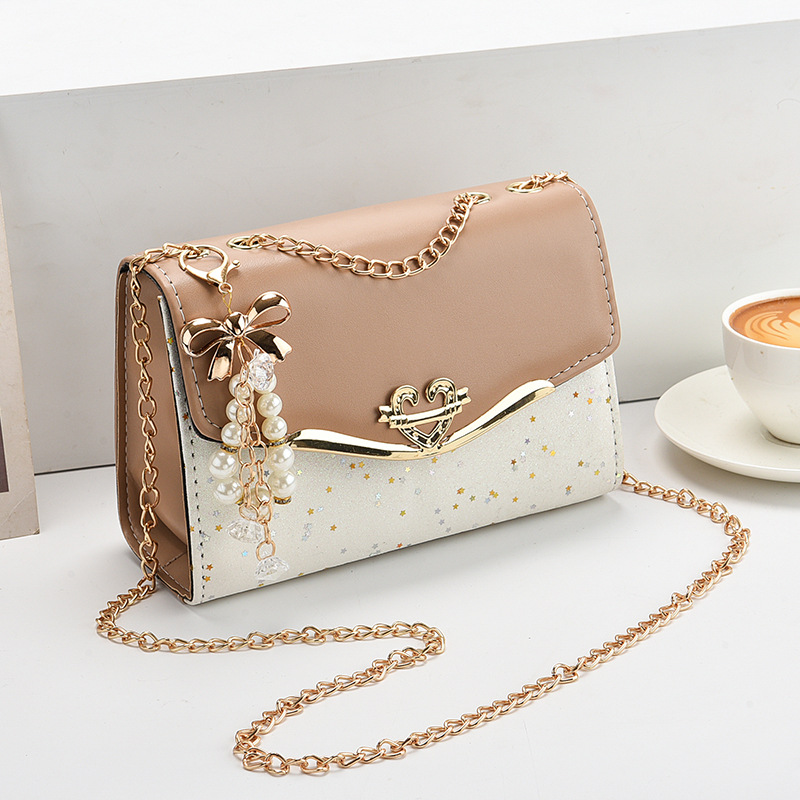
– Inventory management: Options for drop-shipping, consolidated deliveries, and seasonal stockpiles to smooth retailer replenishment cycles.
– Customs and compliance: Assistance with documentation for exports and adherence to regulations like REACH or other region-specific requirements.
This structure is designed to accommodate both small-volume boutique retailers and large chain buyers that require predictable replenishment schedules.
Customization and Private Label Services
One of PrinceBag’s competitive advantages is private-label manufacturing. Services include:
– Custom dyes and finishes: Color matching for brand palettes.
– Logo and hardware customization: Branded hardware or embossed logos to reinforce a retailer’s identity.
– Packaging solutions: Branded dust bags, boxes, and swing tags aligned with brand positioning.
– Design collaboration: Co-development and seasonal capsule collections for exclusive retail partners.
Private-label options allow retailers to differentiate in a crowded market while maintaining the functional and aesthetic standards associated with American leather.
Sustainability and Ethical Considerations
Sustainability is an increasing buyer expectation. PrinceBag addresses this through:
– Responsible sourcing: Partnering with tanneries that follow environmental and labor regulations.
– Waste minimization: Optimizing cutting layouts and repurposing offcuts when possible.
– Transparent supply chains: Traceability of leather origin and visibility into production partners.
– Certifications: Working toward or maintaining compliance with third-party standards where applicable.
These practices help brands align with consumer demand for sustainability without sacrificing quality.
Pricing Strategy and Cost Considerations
Wholesale pricing for American leather handbags reflects several variables:
– Leather grade and finish: Full-grain commands higher prices than corrected-grain.
– Complexity: More compartments, hardware, and craftsmanship increase cost.
– Order volume: Higher volumes reduce per-unit cost due to economies of scale.
– Customization: Private-label options and bespoke hardware add to unit costs.
Retailers should account for landed costs (production + shipping + duties) and anticipated margins when evaluating PrinceBag’s offerings. For many, a careful selection of core SKUs alongside a few high-margin private-label pieces provides an optimal inventory mix.
Target Markets and Retail Positioning
PrinceBag’s bulk leather handbag products fit several retailer profiles:
– Department stores and premium boutiques: Looking for reliable, higher-end leather goods.
– Online-only retailers and DTC brands: Seeking private-label opportunities and faster product development.
– Specialty leather shops: Focused on craftsmanship and material story.
– Corporate gifting and promotional buyers: Customization and packaging options serve this market segment.
Understanding the target customer—value-oriented versus luxury-oriented—helps retailers pick the correct leather grade and finish to match price expectations.
Case Studies: Success in Bulk Partnerships
– Boutique Chain Expansion: A regional boutique chain partnered with PrinceBag for a private-label satchel. With MOQs tailored to the chain’s scale and a 60-day lead time, the chain achieved a 40% sell-through in the first season.
– E-commerce Brand Launch: A startup DTC brand leveraged PrinceBag’s private-label capability to launch a capsule collection. By choosing a mid-grade top-grain leather with distinctive metal accents, they were able to hit a competitive retail price point while maintaining perceived value.
– Seasonal Capsule Collaboration: A department store worked with PrinceBag to co-develop a holiday capsule, using limited-edition colorways and bespoke packaging to drive higher per-unit margins during peak season.
These examples demonstrate how tailored services and strategic product choices can deliver measurable retail outcomes.
Buying Guide: How to Source Bulk from PrinceBag
Step-by-step approach for retailers:
1. Define target customers and price points: Choose leather grade and design complexity accordingly.
2. Request samples: Evaluate feel, color, and workmanship before committing to full production.
3. Confirm MOQ and lead time: Align production with seasonal calendar and promotional plans.
4. Negotiate payment terms: Staggered deposits or letters of credit can help manage cash flow.
5. Establish QA expectations: Agree on AQL levels and inspection protocols.
6. Plan logistics: Factor in shipping, duties, and potential delays for a buffer in launch timing.
7. Design packaging and branding: Ensure packaging matches brand positioning to enhance perceived value.
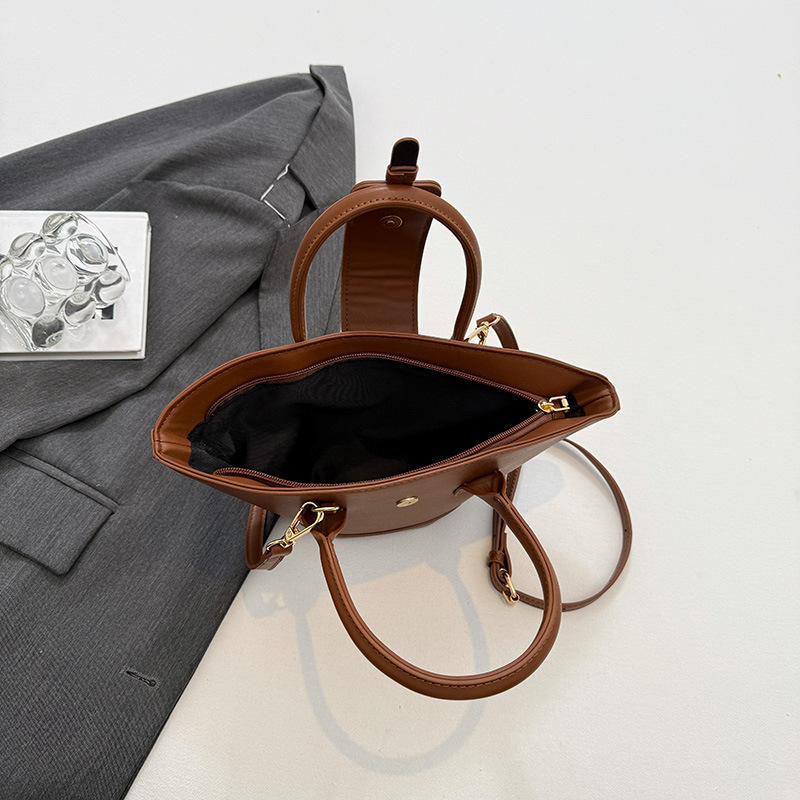
Working through these steps reduces uncertainty and helps build a long-term supply relationship.
Analysis Table: Product and Supply Comparison
| Model | Leather Type | MOQ | Lead Time | Wholesale Price Range (per unit) |
|---|---|---|---|---|
| Classic Tote | Top-grain, pebbled finish | 200 pcs | 45–60 days | $45–$70 |
| Executive Satchel | Full-grain, smooth finish | 150 pcs | 60–75 days | $65–$110 |
| Everyday Crossbody | Corrected-grain with top coat | 300 pcs | 45–60 days | $30–$55 |
| Structured Hobo | Top-grain, semi-aniline | 200 pcs | 60–90 days | $55–$95 |
| Evening Clutch | Full-grain, special finish | 100 pcs | 45–60 days | $40–$85 |
Strategies for Optimizing ROI
– Curate assortments: Combine staple pieces with trend-driven items to balance inventory turnover.
– Leverage private-label ranges: Higher margins can be achieved with signature designs and branded hardware.
– Implement tiered pricing: Offer small quantities at higher per-unit cost and scale discounts for larger orders.
– Monitor seasonal demand: Use pre-orders to determine production quantities and reduce overstock risk.
– Track KPIs: Sell-through rate, return rate, and margin per SKU are crucial for bulk purchasing decisions.
These strategies help maximize the financial return on bulk leather handbag investments.
Potential Risks and Mitigations
– Material shortages: Hides and specific finishes can be constrained. Mitigate by planning ahead and agreeing to leather alternatives.
– Quality variance: Even with strict QA, batches can vary. Mitigate with sample approvals and stronger AQL thresholds.
– Market shifts: Fashion trends can quickly change demand. Mitigate by keeping some flexible SKUs and shorter lead-time models.
– Logistic delays: Shipping disruptions can impact launches. Mitigate with buffer inventory and diversified freight options.
PrinceBag’s experience with bulk clients helps mitigate many of these risks through proactive planning and communication.
Partnering with PrinceBag for High Quality American Leather Handbags in bulk can be an effective strategy for retailers seeking reliable supply, consistent craftsmanship, and private-label flexibility. Their combination of American-sourced leather, a rigorous QA framework, and tailored bulk logistics offers a compelling proposition for businesses of various scales. Retailers should approach purchases with clear target customer definitions, sample verification, and smart inventory strategies to capitalize on the value PrinceBag provides. With careful product selection and strategic planning, bulk purchasing from PrinceBag can result in strong margins, dependable product quality, and satisfied customers—making it a viable source for retailers committed to offering premium leather handbag assortments.