
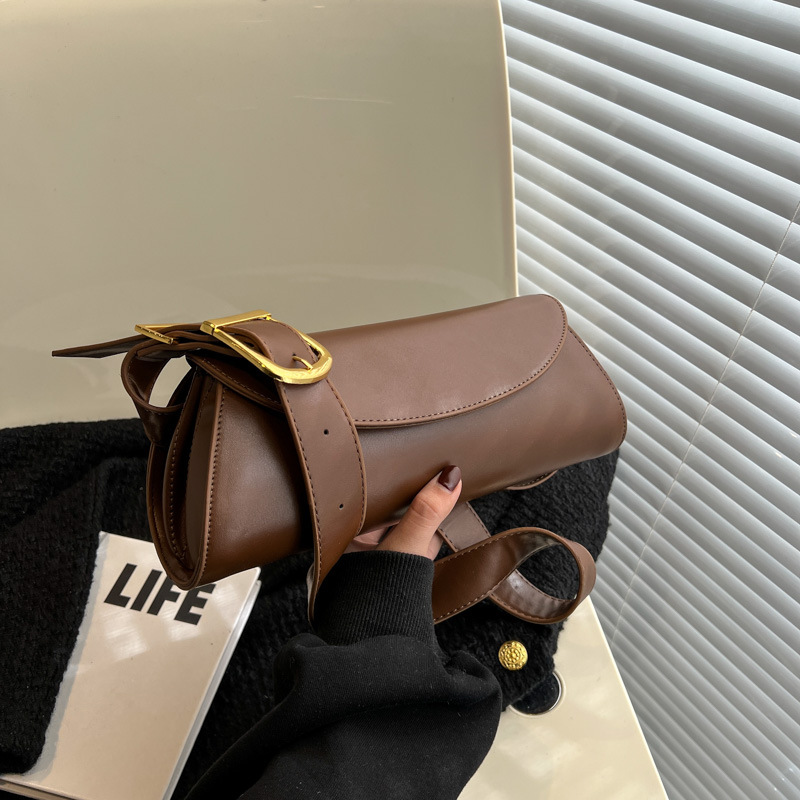
A durable brown cross body handbag is a classic wardrobe staple—versatile, practical, and endlessly stylish. For brands and retailers looking to offer a dependable, attractive product without investing in full-scale product development, an ODM (Original Design Manufacturer) service can be the ideal solution. PrinceBag Manufacturer has built its reputation as a reliable partner for private labels seeking high-quality ODM solutions for durable brown cross body handbags. This article explores PrinceBag’s capabilities, the technical and market considerations behind a durable brown cross body handbag, and how brands can best leverage ODM services to bring products to market efficiently.
Why Choose an ODM for a Durable Brown Cross Body Handbag?
ODM services are engineered to take a product from concept to finished item with minimal involvement from the client in design and engineering details. For a durable brown cross body handbag, this means:
– Faster time-to-market: Pre-existing patterns, tech packs, and production lines reduce lead times.
– Cost efficiency: Shared development costs across multiple orders and economies of scale lower unit prices.
– Proven quality: Manufacturers like PrinceBag have tested designs and production processes tuned to durability and consistent appearance.
– Customizable differentiation: Even with an ODM base model, brands can request custom logos, hardware finishes, lining choices, and trim details to stand out.
PrinceBag Manufacturer: Core Strengths and Services
PrinceBag positions itself as an ODM specialist focused on bags and accessories. Core strengths include:
– Product library: A catalog of ready-to-adapt cross body handbag designs optimized for manufacturing and customer acceptance.
– Material sourcing: Long-term partnerships with suppliers for PU, genuine leather, recycled leather, canvas, and performance textiles.
– Technical expertise: In-house pattern makers, sample ateliers, and CNC cutting capabilities for efficient prototyping.
– Quality control: A QC system covering incoming materials, in-line inspections, and final product verification with testing for abrasion, stitching strength, and hardware durability.
– Compliance and certifications: Support for REACH, CPSIA, and other regional regulatory testing as needed.
These services combine to offer a predictable and scalable route for brands to add a durable brown cross body handbag to their line-up.
Design and Material Considerations for Durability
Material Selection
The material choice directly influences durability, price point, and customer perception.
– Full-grain leather: Highest durability and premium feel. Develops patina but comes at a higher price and greater weight.
– Top-grain leather: Durable and slightly lighter with consistent appearance; a common choice for high-end mass-market bags.
– PU leather (vegan leather): Cost-effective, water-resistant, and increasingly sophisticated in texture. Durability varies by quality—high-grade PU can perform very well with proper backing and top-coats.
– Canvas and waxed canvas: Excellent for casual styles—high abrasion resistance and easy to clean. When combined with leather trim, canvas can deliver an upscale rugged look.
– Recycled/reclaimed leathers and sustainable synthetics: Growing demand for eco-conscious consumers. These materials can match performance when properly treated.
Hardware and Construction
Hardware and assembly practices are pivotal for long-term performance.
– Zippers: Opt for metal or heavy-duty molded coil zippers (e.g., YKK) for longevity. Tape reinforcement reduces seam stress.
– Buckles and sliders: Die-cast metal or plated brass offers durability; plating quality affects corrosion resistance.
– Stitching: Use bonded nylon or polyester thread with matched stitch density (e.g., 6–8 stitches per inch) at high-stress areas.
– Reinforcements: Bar-tacks, rivets, and leather backings at strap attachments prevent failure points.
– Edge finishing and piping: Proper burnishing or sealed edges in leather-like materials prevent delamination and fraying.
Ergonomics and Functional Design
A durable cross body must balance structure, weight, and usability.
– Strap width and adjustability: Wider straps distribute weight, reducing stress on fasteners and improving comfort.
– Internal organization: Pockets and compartments can reduce wear by keeping contents from shifting.
– Bag structure: A semi-structured body maintains shape under load without adding unnecessary weight.
– Weather resistance: Water-repellent coatings and sealed seams for casual, everyday durability.
ODM Workflow at PrinceBag
Initial Consultation
Brands begin with an intake of requirements: desired aesthetic, target price, target materials, quantity projections, and regulatory needs. PrinceBag offers design guidance to align client expectations with manufacturability and cost.
Sampling and Prototyping
A sample development stage refines the design. Typical steps:
– Tech pack preparation, including materials list, measurements, and construction details.
– Prototype creation in-house using CNC cutting and skilled workmanship.
– Fit and function testing, including wear tests and component checks.
Multiple iterations ensure the final sample balances durability, appearance, and cost.
Pre-Production and Quality Assurance
Before full production:
– Material approvals: Clients sign off on leather swatches, hardware finishes, and lining fabrics.
– Pilot runs: Small pre-production batches identify issues in assembly workflow.
– Quality checkpoints: Incoming material inspections, in-line random checks, and 100% final inspection as requested.
Market Positioning and Cost Considerations
For brands, selecting the right balance between perceived value and production cost is critical. The durable brown cross body handbag is a middle- to premium-tier item depending on material and hardware choices.
– Entry-level: PU leather, basic hardware, simple lining—appeals to budget-conscious consumers.
– Mid-tier: Top-grain leather or high-grade PU, better hardware, refined interior—mass-market retailers and unisex fashion brands.
– Premium: Full-grain leather, bespoke hardware, artisanal detailing—boutiques and heritage brands.
Pricing is influenced by order quantity (MOQ), material availability, and added customization. PrinceBag offers tiered pricing that declines with larger volumes and longer-term partnerships.
Analysis Table: Durable Brown Cross Body Handbag – ODM Evaluation
| Feature | Material Options | PrinceBag ODM Capabilities | Typical Lead Time | Estimated Cost Range (per unit) |
|---|---|---|---|---|
| Exterior Body | Full-grain leather, Top-grain leather, PU leather, Waxed canvas | Material sourcing, pattern grading, CNC cutting | 2–6 weeks for samples; 6–12 weeks production | $12–$80 (depending on material) |
| Hardware | Brass, Zinc alloy, Stainless steel, YKK zippers | Custom plating, logo engraving, supplier management | 2–4 weeks for custom hardware; included in lead time | $1.50–$12 per piece |
| Straps & Closures | Leather strap, Webbing, Chain, Adjustable buckles | Stitching reinforcement, buckle assembly, testing | Samples 1–3 weeks; production concurrent with main run | $2–$20 |
| Interior/Lining | Polyester lining, Cotton canvas, Quilted lining | Customizable pocket layout, printed labels, RFID pockets | 1–2 weeks for approvals | $0.50–$8 |
| Compliance & Tests | Colorfastness, Abrasion, Tensile strength, Metal migration | In-house pre-tests, third-party lab coordination | 1–3 weeks (varies by test) | $20–$150 per test batch |
Sustainability and Ethical Manufacturing
Consumers increasingly demand products that reflect ethical values. PrinceBag supports sustainable choices across multiple fronts:
– Material alternatives: Recycled polyester linings, PU formulated with lower VOCs, and certified leathers from tanneries following environmental standards.
– Waste reduction: Pattern optimization to minimize cutting waste and usage of remnant leathers for trims.
– Fair labor: Transparent factory audits and adherence to social compliance standards.
– Packaging: Recyclable or compostable packing alternatives upon request.
Brands should evaluate the entire value chain: a “durable” bag that also uses sustainable inputs compounds the product’s market appeal.
Quality Assurance and Durability Testing
Durability is measurable. PrinceBag’s QA protocol typically includes:
– Seam strength testing: Simulated load tests on strap attachments and main seams.
– Abrasion resistance: Martindale or similar tests on outer materials.
– Zipper cycle testing: Repeated open/close cycles to ensure longevity.
– Colorfastness: Resistance to rubbing and light for both leather and textiles.
– Hardware corrosion checks: Salt spray or humidity exposure for plated finishes.
Documented test results help brands market the product confidently and reduce post-sale return rates.
Customization Options for Brand Differentiation
Even with ODM efficiency, PrinceBag provides multiple avenues for brand expression:
– Logo treatments: Embossing, debossing, metal plates, and engraved hardware.
– Colorways: Custom dye lots or special finishings (distressed, matte, gloss).
– Interior personalization: Branded lining prints, special pocket configurations, or integrated tech features (USB pass-through, RFID blocking).
– Limited editions: Seasonal materials or collaborations to create scarcity and boost margins.
These choices allow brands to maintain a unique identity while leveraging a tested base design.
Pricing Strategy and MOQ Considerations
ODM services typically have MOQs to justify tooling and setup:
– Typical MOQs: 300–1,000 units per design depending on complexity and materials.
– Sample fees: Samples are charged to cover labor and materials; sample refunds are often possible when larger orders are placed.
– Long-term discounts: Rolling contracts and multi-SKU orders can significantly reduce per-unit costs.
Brands should model pricing with realistic allowances for returns, marketing costs, and distribution to ensure margins.
How to Work Effectively with PrinceBag as Your ODM Partner
– Provide clear briefs: A concise tech pack, target audience, and price point helps the manufacturer propose the best material and production plan.
– Be decisive on priorities: Clarify whether durability, price, aesthetics, or sustainability is primary.
– Approve physical samples: Digital approvals are helpful, but tactile inspection of materials and hardware is essential.
– Plan lead times: Build in buffer for quality checks, customs, and shipping—especially peak seasons.
– Protect IP: Use non-disclosure agreements and clear labeling rules. PrinceBag supports trademark protection protocols for custom hardware.
A durable brown cross body handbag is an evergreen product that suits multiple markets and demographics. Working with an experienced ODM like PrinceBag Manufacturer streamlines product development and production while maintaining options for meaningful customization. Through thoughtful material selection, robust construction, and rigorous quality control, PrinceBag can help brands deliver a product that blends durability, style, and commercial viability. Whether you’re launching a new accessory line or expanding your current collection, selecting the right ODM partner will directly impact your time-to-market, unit economics, and consumer satisfaction.