
The market for leather crossbody bags remains strong across channels — specialty boutiques, department stores, online marketplaces, and corporate gifting. As buyers shift toward curated, higher-margin accessories that marry style with functionality, bulk procurement of well-made leather crossbody bags becomes an attractive strategy for retailers and private label brands. A reliable wholesale partner can make the difference between inventory that turns slowly and collections that drive repeat sales. This article examines the wholesale landscape for leather crossbody bags and positions PrinceBag as a focused supplier option, outlining the criteria buyers should use to evaluate partners, the product and service features that matter, and practical steps to work successfully with a wholesale leather crossbody bag supplier.
Market Trends That Drive Wholesale Demand
– Consumers increasingly seek durable, timeless pieces: leather crossbody bags are seen as investment accessories with long life cycles.
– Demand for ethical and traceable sourcing is rising: buyers and end customers want clarity on material origin and manufacturing practices.
– Customization and private label opportunities are growth drivers: retailers want unique SKUs and branding options to differentiate.
– E-commerce and omnichannel retail have increased the need for consistent, scalable supply with reliable fulfillment and packaging suited for online sales.
For wholesalers and suppliers, understanding these trends and offering aligned capabilities—consistent quality, customization, transparent sourcing, and scalable logistics—creates a competitive advantage.
Why Choose a Dedicated Wholesale Supplier like PrinceBag?
Working with a dedicated wholesale supplier can reduce procurement complexity. PrinceBag positions itself as a partner that focuses on leather crossbody bags and related accessories, enabling strengths in design, production efficiency, and quality control. The benefits of this focused approach include:
– Product expertise: knowledge of leather types, hardware, stitching, and durability required for everyday use bags.
– Streamlined production: factories tuned to crossbody bag construction can hit quality and cost targets faster.
– Design-to-production feedback loops: faster iteration on prototypes, patterns, and tooling.
Below is an analysis table summarizing critical criteria buyers typically evaluate, how PrinceBag addresses them, and comparative context for other suppliers.
| Evaluation Criteria | Why It Matters | PrinceBag Offering | Typical Market Standard | Notes / Buyer Considerations |
|---|---|---|---|---|
| Leather Quality | Determines durability, aging, and price point | Options: top-grain, corrected grain, and PU leather; leather grade specs and sample testing | Varies widely; many suppliers mix grades without clear specs | Request leather certificates and close-up photos of hides |
| Minimum Order Quantity (MOQ) | Affects cash flow and assortment flexibility | Flexible MOQs for basic SKUs; scalable production for larger runs | MOQs often high for custom pieces, lower for standard SKUs | Negotiate pilot runs to test markets |
| Customization & Private Label | Allows differentiation and higher margins | In-house options: logo embossing, lining choices, hardware plating, hangtags | Some suppliers only offer limited customization | Confirm lead times and tooling fees up front |
| Quality Control (QC) | Ensures fewer returns and consistent buyer satisfaction | Pre-production samples, inline inspections, final QC reports | QC rigor varies; many suppliers lack standardized reporting | Ask for audit reports and sample defect rates |
| Logistics & Lead Time | Impacts inventory planning and promotional timing | Multiple shipping options, coordinated fulfillment, average lead times quoted per SKU | Lead times differ widely; long delays common without planning | Plan seasonal orders 90+ days in advance for custom lines |
Product and Material Considerations for Leather Crossbody Bags
When selecting a wholesaler and specific SKUs, buyers should pay close attention to material choices, construction methods, and hardware quality:
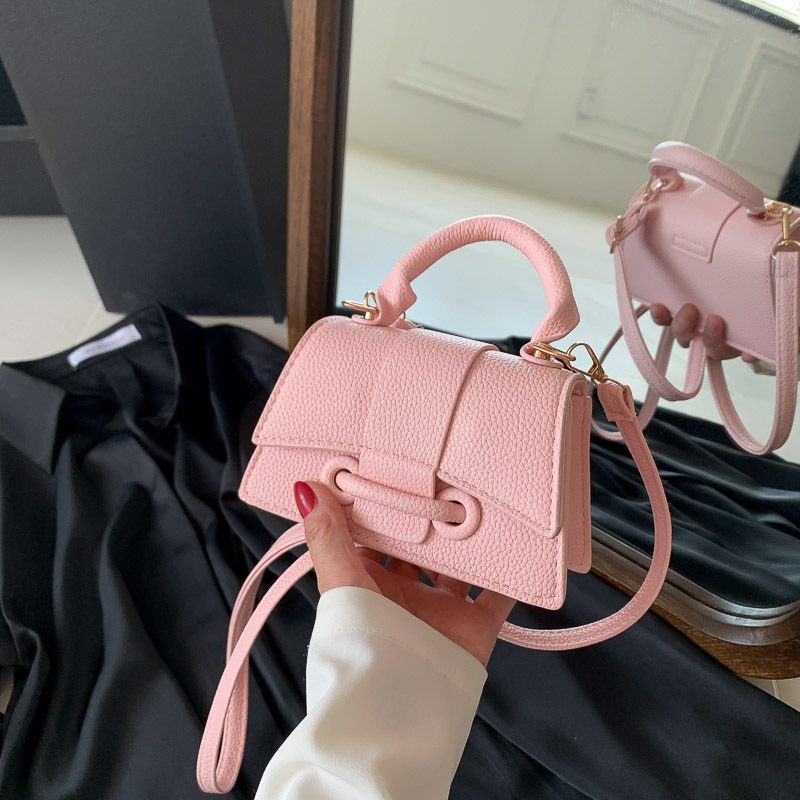
– Leather Types: Full-grain and top-grain leathers offer the best durability and patina; corrected/grain-split leathers and PU can deliver fashion-forward finishes at lower price points. PrinceBag typically offers graded leather options and can provide swatches and technical specifications to help buyers match product level to target price points.
– Lining Materials: Durable woven linings with stain-resistant treatments extend bag life. Look for taped seams, reinforced pocket areas, and quality zippers.
– Hardware: YKK zippers, solid brass or zinc alloy hardware with plating options (antique brass, gunmetal, gold) should be specified. Hardware affects both price and perceived value.
– Construction: Reinforced strap attachments, tight stitching with edge finishing, and consistent measurements are important for longevity. Production photos and teardown reports help validate claims.
Quality Control and Testing
A wholesale supplier’s QC processes are critical. Buyers should expect:
– Pre-production approval (PPA) samples to check fit, finish, weight, and dimensions.
– Material test reports (e.g., tensile strength, colorfastness, rub tests) where applicable.
– Inline inspection checkpoints: after cutting, after assembly, and pre-packaging.
– Final inspection with measurable acceptance criteria (e.g., allowed defect rate).
PrinceBag emphasizes documented QC checkpoints and provides sample QC reports for prospective clients. Requesting a third-party inspection or factory audit is a good practice for large runs.
Pricing, MOQs, and Cost Drivers
Pricing for leather crossbody bags depends on a number of variables:
– Leather grade and thickness
– Hardware quality and customization
– Complexity of design (pockets, zippers, linings)
– Order volume and repeat business
– Packaging and labeling
Typical cost-drivers and negotiation levers:
– Aggregating SKUs or consolidating orders can reduce per-unit pricing.
– Accepting standard hardware and linings can reduce tooling and setup fees.
– Longer lead times and flexible production windows may lower urgency premiums.
PrinceBag’s approach is to offer tiered pricing based on leather grade and order volume, with transparent breakdowns of per-unit costs, tooling fees, and packaging charges.
Customization, Branding, and Private Label Services
Private label is a major reason retailers work with wholesalers. Key services to confirm:
– Logo embossing/debossing or metal plaque options
– Custom lining prints and internal labels
– Hangtags, swing tags, and custom packaging inserts
– UPC and labeling compliance for retail and e-commerce
PrinceBag supports private label production with mockups, sample approvals, and minimums tailored around custom complexity. Buyers should verify lead times for custom tooling and proofs—these can add several weeks to an order.
Logistics, Packaging, and Fulfillment Capabilities
For wholesale buyers, the supplier’s logistics capabilities are as important as production:
– Shipping modes: sea, air, or express freight with FOB, CIF, or DDP terms.
– Consolidation and drop-shipping services: helpful for multi-channel sellers.
– Protective packaging: dust bags, polybags, and carton specifications to prevent damage.
– E-commerce readiness: gift-ready boxes, branded packaging, and retail-ready inserts.
PrinceBag offers multiple shipping options and can coordinate with forwarders. For e-commerce clients, they provide packaging solutions that minimize returns due to transit damage.
Compliance, Sustainability, and Traceability
Increasingly, brands and retailers require evidence of ethical and environmental practices:
– Leather sourcing: vegetable-tanned or chrome-tanned info, traceability to tannery.
– Labor practices: compliant factories, documented working hours, and safety records.
– Chemical compliance: adherence to restricted substance lists (e.g., AZO dyes, heavy metals).
PrinceBag provides documentation on material sourcing and factory compliance upon request. Buyers should request certificates, supplier audits, and any sustainability claims in writing.
After-Sales Support and Warranty
A supplier’s after-sales support is critical to protect brand reputation:
– Warranty terms for manufacturing defects
– Return, repair, and replacement policies
– Spare parts availability (e.g., replacement straps or hardware)
– Communication protocols for resolving issues
PrinceBag outlines warranty policies in its wholesale agreements and emphasizes timely communication and returns handling for defective batches.
How to Vet PrinceBag (or Any Wholesale Supplier)
A practical checklist for buyers considering PrinceBag:
1. Request leather and hardware samples with detailed spec sheets.
2. Ask for references from existing retail or e-commerce clients.
3. Review QC reports and ask about sample defect rates.
4. Confirm MOQs, tooling fees, and total lead times including customs.
5. Verify logistics options and get quotes for FOB vs DDP.
6. Request factory audit reports or third-party inspection data.
7. Place a pilot order to evaluate product-market fit before scaling.
Buyer Use Cases and Recommended Approaches
– Boutique Retailers: Start with a curated capsule of 3–5 styles in 2–3 colors to test customer response. Negotiate lower MOQs for initial runs with a plan to scale successful SKUs.
– E-commerce Brands: Focus on e-commerce packaging and insert options that reduce returns. Prioritize consistent batch quality and accurate product photos to match online listings.
– Private Label / Corporate Gifting: Use customization options for logos, special packaging, and coordinated colorways. Expect longer lead times for tooling and approvals.
– Large-Scale Retailers: Leverage volume discounts and standardized SKUs. Insist on tight QC sampling and production schedules to meet in-season demand.
Practical Next Steps for Procuring Bulk Leather Crossbody Bags
1. Define target customer and price point: determines leather grade and design complexity.
2. Assemble technical pack (tech pack) with dimensions, materials, and construction notes.
3. Request samples and a written quote with lead times and MOQ.
4. Evaluate sample quality and run small pilot order.
5. Establish ongoing communication channels and schedule for reorders.
Working with PrinceBag or a comparable specialized supplier becomes a process of aligning expectations, validating materials and QC processes, and building a reliable forecast-driven ordering cadence.
Partnering for Long-Term Success
Sourcing bulk leather crossbody bags is both an art and a science: the aesthetic and functional appeal of the bag must match the operational realities of production, logistics, and compliance. A supplier like PrinceBag that centralizes expertise around leather accessories, offers transparent QC and material documentation, and supports private label customization can be an effective long-term partner for retailers and brands. The key to a successful relationship lies in clear specifications, staged sampling, and mutual commitments to quality and timelines. Buyers who follow a structured vetting process and test with pilot orders will reduce risk, refine assortments with real market feedback, and scale inventory that sells.
If you are preparing to place a wholesale order, start with a concise tech pack, request swatches and PP samples, and use the checklist in this article to validate your supplier choice. With the right partner, bulk leather crossbody bags can become a dependable pillar of your accessory assortment—delighting customers while supporting healthy margins and repeat business.