
Cross-body handbags are a perennial favorite in women’s fashion because they combine utility, comfort, and style. For retailers, boutiques, and online sellers looking to source wholesale cross-body women’s handbags, working directly with a factory like PrinceBag can offer significant advantages in cost, customization, and supply chain control. This article provides a comprehensive professional analysis of sourcing cross-body handbags directly from PrinceBag Factory, covering product ranges, materials, pricing structures, minimum order quantities, customization options, quality control, shipping logistics, and sales strategies. A practical five-column analysis table is also included to help buyers evaluate options quickly.
Why Source Wholesale Cross-body Handbags Direct from PrinceBag Factory?
Sourcing directly from a manufacturer reduces layers of markup and streamlines communication. PrinceBag Factory, known for specializing in women’s handbags, offers direct wholesale partnerships that can benefit both established retailers and emerging brands. Key benefits include:
– Cost efficiency: Factory pricing typically undercuts middlemen by eliminating distributor margins.
– Customization: Direct communication enables tailored materials, colors, hardware, and branding.
– Consistency and scaling: Factories can maintain consistent production runs and scale according to demand.
– Faster feedback loop: Direct interactions facilitate faster product development cycles and sample approvals.
For retailers focused on cross-body handbags—especially seasonal styles or private-label collections—these advantages translate into better margins and faster time-to-market.
Product Range and Materials: What PrinceBag Offers
PrinceBag Factory manufactures a wide variety of cross-body handbag styles: minimalist everyday bags, embellished evening clutches with cross straps, sporty nylon cross-bodies, structured leather designs, and fashionable chain strap mini bags. Understanding materials and construction is essential when purchasing in wholesale quantities:
– Genuine Leather: Full-grain and top-grain for premium lines; offers longevity and premium feel.
– PU Leather (Faux Leather): Cost-effective, consistent finishes, easier to color-match for trends.
– Nylon & Polyester: Lightweight, ideal for sporty or travel-focused cross-bodies; often water-resistant.
– Canvas & Cotton Blends: Great for casual or eco-friendly lines; accepts prints and embroidery well.
– Hardware Options: Zinc alloy, brass, stainless steel, and plating options (gold, rose gold, silver, gunmetal).
Material choice impacts price, perceived value, weight, care instructions, and target market positioning. PrinceBag typically provides swatch sets and sample runs so buyers can verify tactile quality and finishing before committing to full orders.
Analysis Table: Cross-body Handbag Options from PrinceBag Factory
| Model/Style | Primary Material | MOQ (Units) | Wholesale Price Range (Per Unit) | Lead Time (Production) |
|---|---|---|---|---|
| Everyday Structured Cross-body | Top-Grain Leather | 300 | $28 – $45 | 30 – 45 days |
| Mini Chain Strap Cross-body | PU Leather + Metal Chain | 500 | $12 – $20 | 25 – 40 days |
| Sporty Nylon Cross-body | Nylon with Zipper | 200 | $8 – $16 | 20 – 35 days |
| Canvas Printed Cross-body | Canvas (Cotton Blend) | 400 | $6 – $14 | 25 – 45 days |
| Luxury Full-Grain Leather Cross-body | Full-Grain Leather | 150 | $55 – $95 | 35 – 60 days |
Note: Prices and MOQs are indicative and can vary with seasonality, customization, and raw material availability. Always request a formal quotation (FOB, CIF, or EXW) and confirm exact lead times during negotiation.
Customization and Private Labeling
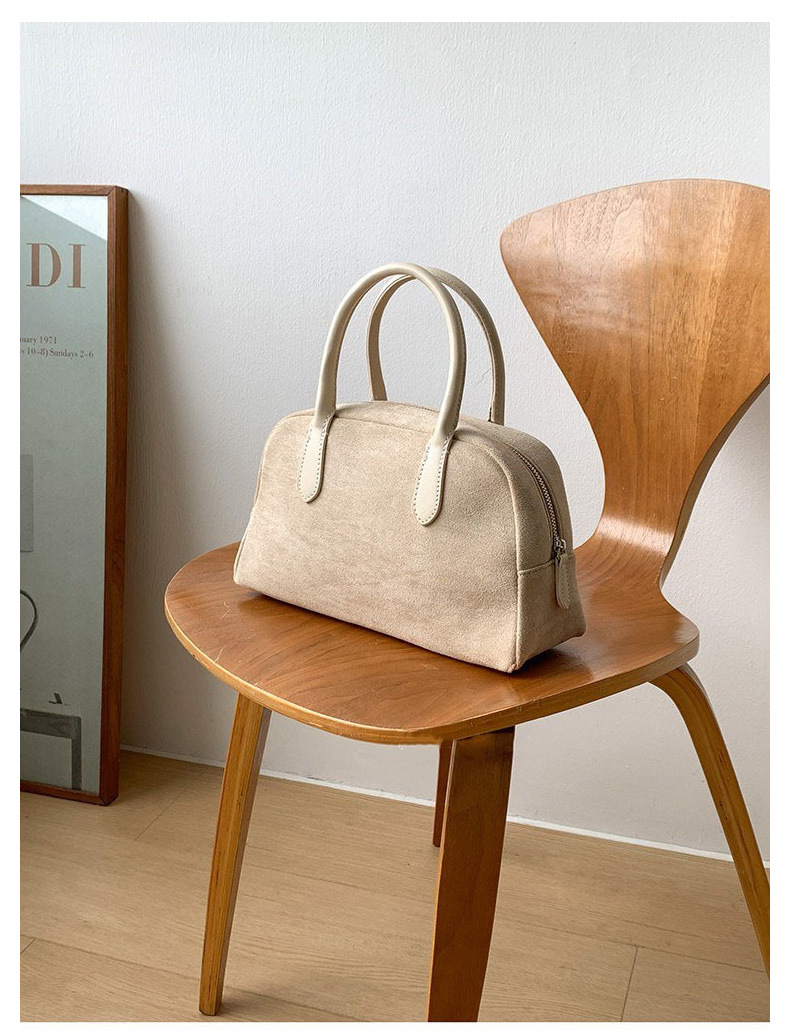
One of the most compelling reasons to buy directly from PrinceBag is robust customization capability:
– Logo and Branding: Debossing, foil stamping, metal logo plates, hangtags, and inner woven labels.
– Colors and Finishes: Custom dyeing for PU or leather, custom fabric prints for canvas or nylon.
– Hardware Choices: Custom metal finishes and unique clasp or zipper designs.
– Internal Layouts: Multiple pockets, card slots, phone compartments, RFID lining on request.
– Packaging: Custom retail boxes, dust bags, swing tags, and UPC/QR code labeling.
Customizations typically require higher MOQs and longer lead times. For small brands, PrinceBag often offers semi-custom options—where an existing factory style is altered slightly—to keep costs manageable.
Quality Control and Certifications
Quality control is a top priority when purchasing wholesale. PrinceBag’s QA processes usually include:
– Incoming Raw Material Inspection: Checking leather hides, fabric rolls, zippers, and hardware.
– In-line Inspections: Verifying stitches per inch, seam integrity, lining attachment, and adhesive finishes.
– Pre-shipment Inspection (PSI): Random sampling based on AQL (Acceptable Quality Level) standards—commonly AQL 2.5 for critical defects.
– Testing: Colorfastness, abrasion resistance, strap tensile strength, and metal plating corrosion tests.
Buyers should request certificates for material sourcing (e.g., leather tanning standards), and social compliance certificates if required—for instance, BSCI or Sedex audit reports—especially for Western retail partners concerned with ethical manufacturing.
Pricing, Payment Terms, and Negotiation Tips
Understanding factory pricing structure helps secure competitive margins:
– Quoted Price Types: EXW (Factory), FOB (Port of Origin), CIF (Delivered). Clarify which applies.
– Payment Terms: Common terms are 30% deposit with order, 70% before shipment; net terms may be negotiated for trusted buyers.
– Volume Discounts: Higher quantities typically reduce per-unit costs; multi-style consolidation can reduce tooling or setup charges.
– Cost Breakdown: Request a breakout of material, labor, and overhead to identify where savings are possible (e.g., switch hardware for a cheaper plating).
– Negotiation Tips:
– Offer longer-term commitments or seasonal forecast volumes in exchange for lower pricing.
– Bundle multiple styles to meet MOQs or reduce per-unit tooling fees.
– Ask for tiered pricing with defined reorder discounts.
Always include duties, taxes, and shipping in your margin calculations. For ethical sourcing, verify any additional costs for compliance documentation or testing.
Lead Times, MOQs, and Inventory Management
Reliable lead times and realistic MOQs matter for cash flow and inventory management:
– Lead Time Drivers: Material availability, customization complexity, factory schedule, and inspection timing.
– MOQ Flexibility: Factories like PrinceBag may offer lower MOQs for basic, stock-available styles; customized products typically have higher MOQs.
– Reorder Strategy: Use an initial “test run” followed by staggered replenishment orders to balance cash flow and reduce risk.
– Safety Stock: Maintain buffer stock for best-selling SKUs; communicate forecast updates to the factory for smoother scheduling.
Understanding these dynamics helps sellers reduce stockouts and avoid excess inventory, particularly in the fast-moving accessories market.
Packaging, Shipping, and Logistics
Packaging and logistics decisions affect perceived value and final landed cost:
– Retail Presentation: Premium dust bags, branded boxes, and tissue paper elevate perceived value.
– Freight Choices: Air freight for speed; sea freight for cost-effectiveness on larger volumes. Use a freight forwarder to consolidate shipments from multiple factories if needed.
– Customs and Duties: Work with customs brokers to classify HS codes properly and estimate landed costs accurately.
– Incoterms: Negotiate the right Incoterm for your business model (e.g., FOB if you prefer to manage shipping, or CIF if you want the vendor to arrange delivery).
Consider offering drop-shipping capabilities for direct-to-consumer orders—PrinceBag may support this with fulfillment-friendly packaging and labeling.
Marketing and Sales Strategies for Resellers
To maximize sell-through of cross-body handbags sourced from PrinceBag:
– Product Storytelling: Highlight material quality, craftsmanship, and any sustainable attributes in product listings.
– Photography & Lifestyle Imagery: Invest in high-quality product and lifestyle photography to showcase fit and functionality.
– Targeted Segmentation: Position leather goods as premium, PU and nylon for trend-driven or budget-conscious customers.

– Omnichannel Sales: Combine marketplaces (Amazon, Etsy for handmade-like lines), your own e-commerce, and local boutique placements.
– SKU Optimization: Offer a core set of colors with seasonal limited editions to create urgency.
Collaborate with PrinceBag on new colorways or special editions timed to fashion seasons to stay relevant and competitive.
Sustainability, Ethics, and Traceability
Sustainability is increasingly important for customers and retailers:
– Material Options: Offer eco-PU, recycled nylon, or organic cotton canvas options to appeal to conscious consumers.
– Supply Chain Transparency: Ask PrinceBag for material origin documentation and factory compliance reports.
– Certifications: Inquire about certifications like ISO, leather tanning standards (e.g., LWG), or chemical safety testing (e.g., REACH, CPSIA for children’s products if applicable).
– Circularity: Consider take-back programs or repair services to extend product life and support brand sustainability claims.
Clear documentation and credible claims reduce reputational risk and can justify higher retail prices.
Risk Management and Quality Assurance Checklist
Implement the following checklist before placing large wholesale orders:
– Approve physical samples with final materials, hardware, and branding.
– Define AQL levels and inspection points in the contract.
– Confirm lead times and buffers for unexpected delays.
– Request insurance for shipped goods (warehouse and transit).
– Verify factory certificates for ethical manufacturing if required by your markets.
Consider hiring a third-party inspection agency for pre-shipment checks and random in-line inspections during production for large orders.
How to Start: Practical Steps for Working with PrinceBag
1. Initial Contact: Prepare a detailed Request for Quotation (RFQ) including specs, target price, and required certifications.
2. Sample Order: Order pre-production or final samples to confirm quality.
3. Negotiation: Agree on price, MOQ, lead time, payment terms, and quality inspection requirements.
4. Contract: Sign a purchase agreement that covers IP protection, payment structure, and dispute resolution.
5. Production Monitoring: Schedule regular check-ins and inspections.
6. Logistics: Finalize Incoterms and shipping arrangements with a freight forwarder.
7. Post-Sale Support: Establish returns policy, warranty terms, and reorder process.
Good communication and documentation throughout the process prevent misunderstandings and foster a reliable long-term supplier relationship.
Sourcing wholesale cross-body women’s handbags directly from PrinceBag Factory offers retailers and brands the cost advantages, customization possibilities, and production scalability needed to compete in today’s crowded accessories market. Whether you’re launching a private-label line or expanding your SKU assortment, a strategic partnership with a manufacturer can reduce costs, accelerate product development, and improve control over quality. Follow the practical steps outlined above, use the analysis table to compare model trade-offs, and implement rigorous quality and logistic checks to ensure a profitable and sustainable sourcing strategy.