
PrinceBag has positioned itself as a reliable source for handbags and travel bags that cater specifically to B2B buyers seeking factory-direct wholesale relationships. For retailers, wholesalers, corporate gift buyers, and distributors, sourcing direct from a factory like PrinceBag can unlock tighter margins, more consistent quality control, faster product development cycles, and deeper customization options compared to sourcing through intermediaries. This article explores how PrinceBag approaches factory-direct wholesale, what product categories and quality systems are in place, and how B2B buyers can build strategic partnerships that scale.
Understanding the Factory-Direct Advantage
Lower Costs, Higher Margins
Factory-direct sourcing cuts out the middlemen. For B2B buyers, this often means lower per-unit costs because the markup added by distributors and agents is eliminated. PrinceBag’s pricing model typically reflects cost-savings achieved through bulk material procurement, optimized production runs, and efficient labor management. These savings can be passed to retailers, enabling competitive retail pricing and better margins.
Customization and Private Label Opportunities
PrinceBag’s factory capabilities support private labeling and OEM services. B2B buyers can request custom branding—logos, lining, labels, and hangtags—as well as structural modifications such as dimensions, pockets, hardware, and strap configurations. For businesses that differentiate by offering exclusive designs, PrinceBag enables development of bespoke collections with minimum order quantities (MOQs) suited to wholesale dynamics.
Faster Product Development Cycles
When working directly with a factory, lead times for prototyping and ramping production are significantly reduced. PrinceBag can iterate prototypes quickly, implement feedback, and scale production in a streamlined fashion. This agility helps retailers respond to seasonal trends or promotional opportunities without being encumbered by third-party delays.
Product Range: From Everyday Handbags to Travel Solutions
Core Handbag Categories
– Totes and shopper bags: Durable, roomy, and popular for everyday retail channels.
– Shoulder Bags and crossbody styles: Versatile designs for daily commuters and urban shoppers.
– Clutches and evening bags: Smaller runs and higher-margin items suitable for boutique buyers.
Travel-Focused Products
PrinceBag emphasizes travel gear that balances durability and design:
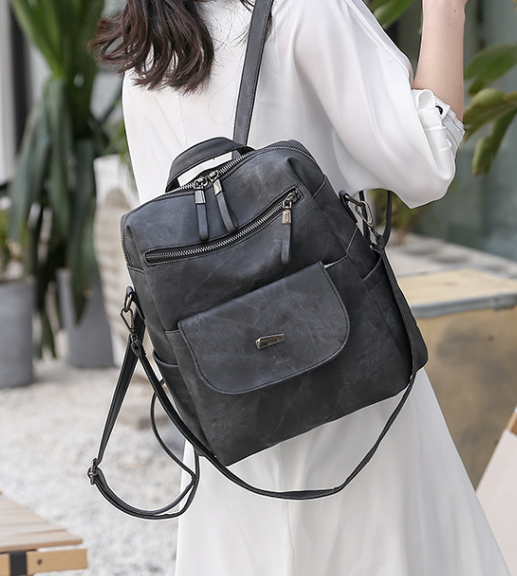
– Carry-on Backpacks and wheeled suitcases with reinforced handles.
– Travel organizers (packing cubes, toiletry bags) that complement handbag collections.
– Convertible bags that transition from day-to-day use to travel essentials.
Materials and Hardware Options
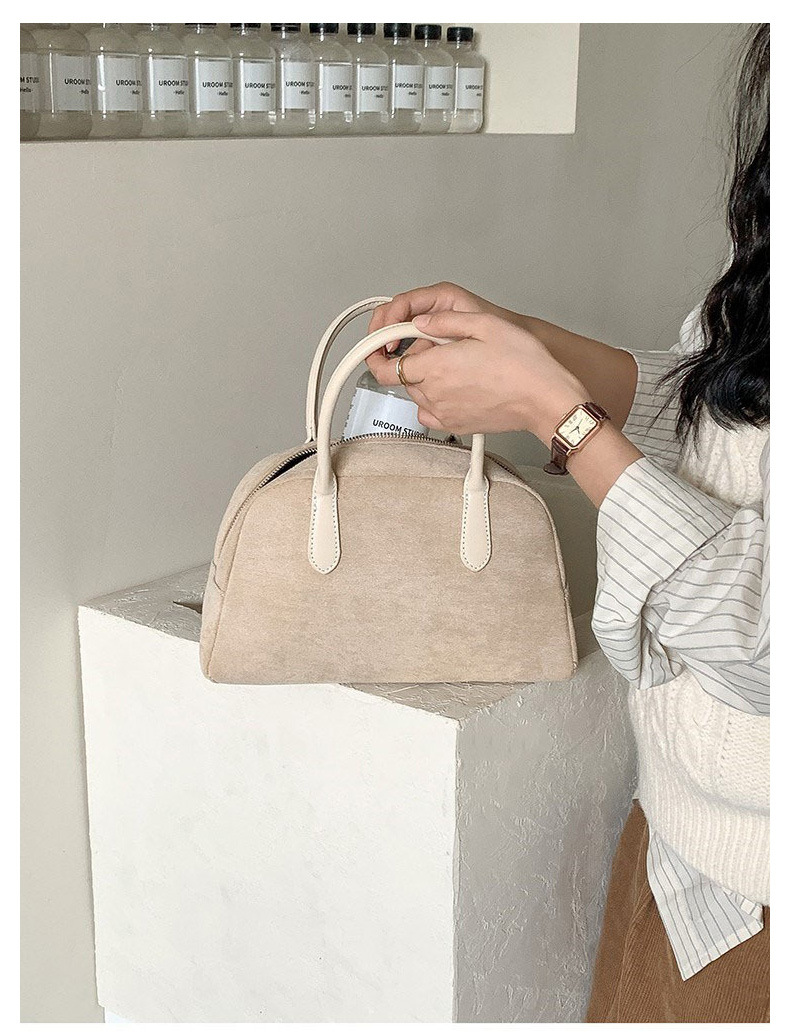
B2B buyers can select from a palette of materials: PU and full-grain leather, high-density nylon, ballistic fabrics, and coated canvas. Hardware options include zippers (YKK and equivalents), metal zips, buckles, and custom-branded metal plaques. PrinceBag assists buyers in selecting materials that meet desired price points, durability standards, and market positioning.
Quality Control and Compliance
Inspection Protocols
PrinceBag implements multi-stage quality controls: incoming material checks, in-line process inspections, and final pre-shipment audits. B2B buyers can request third-party inspections or audits by accepted agencies to validate product specifications, performance testing, and conformity to contractual standards.
Certifications and Regulatory Compliance
Many wholesale buyers require compliance with regulations (e.g., CPSIA for children’s items, REACH, or restricted substance lists). PrinceBag supports compliance documentation and testing on request. Understanding and documenting these requirements upfront ensures shipments clear customs and meet the receiving market’s legal requirements.
Pricing, MOQs, and Lead Times
Pricing Structure
Price per unit is influenced by material, hardware, complexity, and order volume. Factory-direct pricing typically uses tiered volume discounts; the more units ordered, the lower the per-unit cost. For private-label projects, additional tooling or mold costs may apply, which should be amortized across the initial order.
Minimum Order Quantities (MOQs)
PrinceBag offers flexible MOQs depending on product type and customization. Standard designs often have lower MOQs, while customized pieces have higher thresholds due to setup costs. Many B2B buyers negotiate staggered purchase plans to balance inventory risk and test new SKUs.
Typical Lead Times
Lead times vary by complexity:
– Stock or established SKU restocks: 2–6 weeks.
– Custom prototypes: 2–4 weeks for sample development plus revisions.
– Full production runs for custom designs: 6–12 weeks depending on volume.
These timeframes include material procurement, production scheduling, and quality assurance steps. Expedited production can be negotiated with priority fees.
Logistics, Packaging, and Shipping Options
Freight Modes and Cost Considerations
PrinceBag supports multiple shipping options—air freight for urgent smaller shipments, sea freight for full-container loads (FCL) or consolidated less-than-container loads (LCL). Freight costs, duties, and insurance should be included in cost planning. For global B2B operations, using Incoterms (FOB, CIF, DDP) clarifies responsibilities and cost allocation.
Packaging and Presentation
Packaging is an opportunity for brand reinforcement. PrinceBag can provide custom dust bags, branded boxes, swing tags, and labels. Buyers focused on retail shelf appeal should coordinate packaging designs with the factory to ensure protection in transit while supporting an attractive unboxing experience.
Supply Chain Risk Management
Supplier Transparency and Communication
Good B2B relationships require clear communication on production timelines, material lead times, and potential bottlenecks. PrinceBag provides production updates, photos, and inspection reports to maintain transparency.
Contingency Strategies
Mitigate risk by diversifying SKUs across materials, keeping buffer stock for best-sellers, and planning seasonal orders early. Contracts should include terms for delays, quality disputes, and remedies such as replacement runs or credits.
How B2B Buyers Should Evaluate PrinceBag
Checklist for Evaluation
– Product fit: Are materials, styles, and price points aligned with your market?
– Credibility: Request factory certifications, client references, and sample orders.
– Flexibility: Can PrinceBag accommodate customization needs and reasonable MOQs?
– Quality assurance: Does the factory implement in-line inspections and final audits?
– Logistics support: Can they coordinate shipping and customs documentation?
Use small pilot orders to validate quality and market acceptance before increasing commitment.
Analysis Table: Product & Partnership Comparison
| Product Category | Typical MOQ | Lead Time (Prototype to Production) | Estimated Price Range (USD/unit) | Best For |
|---|---|---|---|---|
| Totes / Shopper Bags | 200–500 | 4–8 weeks | $8–$25 | Mass-market retailers, promotional programs |
| Shoulder & crossbody bags | 150–400 | 6–10 weeks | $12–$45 | Specialty stores, e-commerce boutiques |
| Travel Backpacks & Carry-Ons | 100–300 | 8–12 weeks | $25–$120 | Travel retailers, corporate gifting |
| Clutches & Evening Bags | 200–600 | 4–8 weeks | $6–$40 | Boutiques, seasonal collections |
| Packing Accessories & Organizers | 300–1000 | 3–6 weeks | $3–$18 | Value add-ons for travel lines, gift sets |
Case Studies: How Buyers Leveraged PrinceBag
Case 1: E-commerce Brand Expands Travel Line
A US-based online travel goods retailer partnered with PrinceBag to launch a line of lightweight carry-on backpacks and packing cube sets. By working directly with the factory, they achieved a 20% reduction in cost versus previous suppliers, enabling them to offer promotional bundles during peak travel season with healthy margins. Faster prototyping allowed two rounds of design tweaks prior to the main production run.
Case 2: Boutique Retailer Launches Private Label
A boutique chain wanted a private-label leather crossbody collection. PrinceBag delivered samples within three weeks, and after minor adjustments, executed the first production run. The buyer amortized tooling costs across the initial order and rolled out the line across 18 stores. The boutique retained design exclusivity and reported favorable sell-through.
Negotiation Tips for B2B Buyers
Be Clear on Specs Upfront
Provide detailed tech packs, color references (Pantone or swatches), and hardware samples. Ambiguity increases the likelihood of rework.
Negotiate MOQs and Payment Terms
Propose a phased order strategy: a smaller pilot lot followed by larger replenishment orders. Negotiate payment terms (e.g., 30% deposit, balance against shipping documents) or credit terms if you have an established relationship.
Use Data to Support Forecasts
Share realistic sales forecasts and seasonal plans. This helps PrinceBag align production planning and secure material availability.
Common Pitfalls and How to Avoid Them
Underestimating Lead Times
One of the most frequent mistakes is late ordering. Build lead time buffers, especially for peak seasons and customizations.
Poor Quality Sampling Process
Do not accept low-resolution photos or verbal assurances alone. Insist on physical samples or verified quality reports.
Ignoring Total Landed Cost
Evaluate total landed cost (unit price + freight + duties + local fees) rather than comparing factory prices in isolation. Sometimes a slightly higher factory price with better logistics can be more cost-effective overall.
How to Start: Practical Steps to Partner with PrinceBag
– Request a corporate introduction and product catalog.
– Provide an initial brief: desired product types, estimated volumes, and timeline.
– Ask for sample pricing and MOQs for stock and custom items.
– Order prototypes and conduct in-person or third-party inspections.
– Finalize contract terms, including quality standards, payment schedule, and penalties.
– Plan logistics and agree on Incoterms and shipping responsibilities.
Strategic Sourcing for Scalable Growth
Sourcing handbags and travel products factory-direct from PrinceBag offers B2B buyers an opportunity to optimize costs, accelerate product development, and create tailored product lines that resonate with target customers. Success comes from clear communication, realistic planning, and disciplined quality assurance. By using best practices—testing samples, negotiating favorable MOQs, and managing logistics—buyers can leverage PrinceBag’s capabilities to build competitive, differentiated product assortments and long-term supply chain resilience.
If you are evaluating factory-direct partners, consider a pilot program with PrinceBag to validate fit and scalability before institutionalizing larger purchasing commitments. A measured, data-driven approach will unlock the most value from a factory-direct wholesale relationship.