
In a competitive global market for women’s handbags, sourcing a reliable bulk supplier is critical for brands, retailers, and private-label buyers. PrinceBag Factory has built a reputation for combining high-quality materials, scalable production capacity, and flexible customization options. This article offers a detailed, professional examination of PrinceBag Factory’s bulk supply capabilities for women’s handbags, including production processes, quality assurance, pricing dynamics, logistics, sustainability practices, and practical advice for buyers looking to place large orders.
At a Glance: What Buyers Need from a Bulk Handbag Supplier
Buyers choosing a bulk supplier prioritize consistent quality, cost-effectiveness, on-time delivery, and product differentiation. For women’s handbags, additional factors include material authenticity (genuine leather vs. synthetic), hardware quality (zippers, clasps, buckles), interior construction (lining, pockets), and finishing details (stitching, edge painting). PrinceBag Factory addresses each of these through integrated sourcing, experienced craftsmen, and strict quality control systems.
Manufacturing Capabilities and Factory Profile
PrinceBag Factory operates with an end-to-end production model: design support, materials procurement, cutting, stitching, hardware assembly, finishing, inspections, and packaging. Their machinery includes automated cutting tables, multi-head sewing machines, edge sealers, and hot-stamping equipment. Workforce experience, combined with modern production technology, enables efficient small-batch runs and large-volume orders without sacrificing quality.
Summary of key manufacturing capabilities:
– Production range: Leather totes, satchels, crossbody bags, clutches, wallets, and travel totes.
– Capacity: Capable of handling MOQ for startups and multi-thousand-unit monthly runs for established brands.
– Customization: Full OEM/ODM services—logos, lining prints, metal hardware plating, and special packaging.
Materials & Quality: From Selection to Final Inspection
Material sourcing defines the feel and durability of a handbag. PrinceBag Factory sources full-grain and top-grain leathers, PU and PVC leathers, high-density canvases, and premium linings (polyester, cotton blends, suede). Hardware is procured from reputable vendors offering brass, zinc alloy, and stainless steel options with plating choices (gold, matte, antique).
Quality checks are integrated at each stage:
– Incoming material inspection: Color consistency, tensile strength, and surface defects.
– In-process inspections: Stitch quality, seam alignment, edge finishing.
– Final inspection: Functional testing (zippers, straps), aesthetic checks, and packing integrity.
Analysis Table: Product Comparison & Bulk Supply Metrics
| Bag Type | Material & Construction | Typical MOQ | Price Range (USD/unit) | Typical Lead Time |
|---|---|---|---|---|
| Leather Tote | Top-grain leather, cotton/poly lining, brass hardware | 200 units | $28 – $65 | 45 – 75 days |
| Vegan Leather Satchel | High-grade PU, reinforced stitching, alloy hardware | 300 units | $12 – $30 | 35 – 60 days |
| Designer Clutch | Leather/fabric mix, custom lining, plated clasps | 500 units | $10 – $40 | 30 – 65 days |
| Canvas Shoulder Bag | Heavy-duty canvas, reinforced base, metal rivets | 200 units | $8 – $22 | 30 – 55 days |
| Crossbody Bag | Mixed leather / PU, adjustable strap, zip closures | 250 units | $9 – $28 | 30 – 60 days |
Pricing Structure and Cost Drivers
Understanding the pricing drivers helps buyers plan budgets and negotiate effectively. Key factors influencing price per unit include:
– Material choice: Full-grain leather is the most expensive, followed by top-grain, PU leather, and canvas.
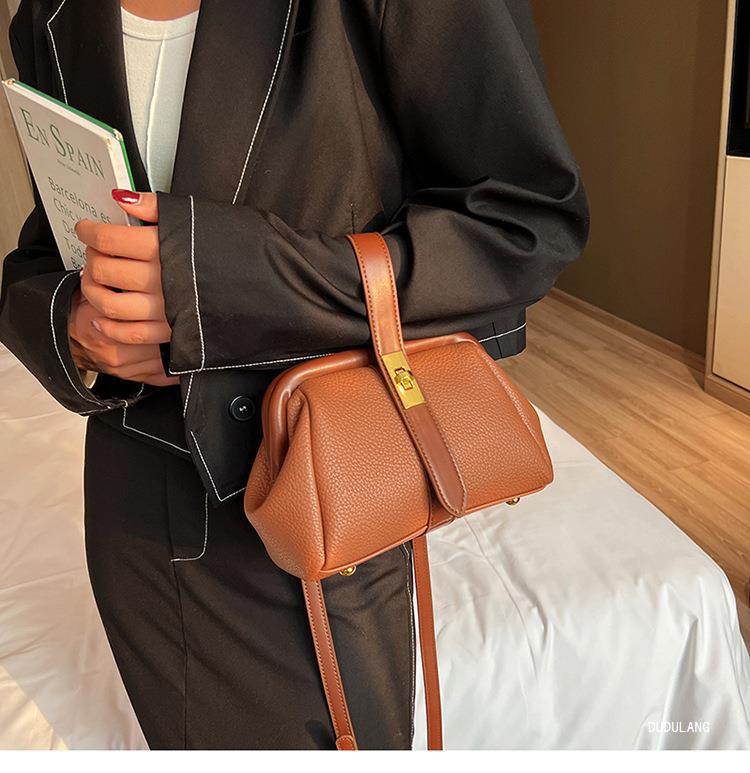
– Hardware quality and plating: Solid brass and premium plating add cost.
– Labor intensity: Complex designs with multiple compartments, quilting, or hand-stitching increase labor costs.
– Order quantity: Higher volumes yield lower per-unit costs due to material bulk discounts and production efficiencies.
– Customization: Molded hardware, bespoke linings, and special finishes add setup and tooling costs.
PrinceBag Factory typically offers tiered pricing—volume discounts kick in at specific thresholds (e.g., 500, 1,000, 5,000 units). Buyers can request a detailed Bill of Materials (BOM) and costing sheet to see how each element contributes to the final price.
Customization, Branding, and Private Labeling
One of PrinceBag Factory’s core strengths is flexible customization and private-label services. Buyers can:
– Request customized patterns, branded labels, and logo embossing or hot-stamping.
– Choose hardware finishes, zipper styles (YKK, custom), and lining prints.
– Design bespoke packaging (boxes, dust bags, hang tags).
For branding-heavy orders, PrinceBag Factory supports prototype development, sample runs, and low-cost tooling options. The factory’s designers assist with tech packs, material suggestions, and production-ready drawings, reducing the time between concept and mass production.
Minimum Order Quantities (MOQs) and Flexible Production
MOQs often determine whether a manufacturer is suitable for a buyer. PrinceBag Factory offers moderate MOQs tailored to different market entry strategies:
– Private label startups: smaller MOQs (100–300 units) for certain bag types to test the market.
– Established retailers: larger MOQs with better unit pricing and priority scheduling.
– Seasonal collections: timed production runs to match retail calendars.
Buyers should discuss staggered deliveries and phased production to manage inventory risk and cash flow. PrinceBag can split full orders into multiple shipments, allowing faster initial inventory while completing the remainder.
Quality Control, Certifications & Compliance
Compliance and documented quality assurance are essential for international buyers. PrinceBag Factory implements:
– ISO-aligned production workflows and documented QC checkpoints.
– AQL (Acceptable Quality Level) inspections for finished goods.
– Material certifications upon request (e.g., leather certifications, REACH/ROHS where applicable).
– Social compliance audits and supplier code of conduct for ethical manufacturing practices.
Buyers can arrange third-party inspections or factory audits prior to shipment. PrinceBag’s transparent defect reporting and corrective action processes reduce recurring quality issues and build buyer confidence.
Lead Times, Logistics & Shipping Options
Lead times vary by complexity and order size. Typical timelines include:
– Sample development: 7–21 days depending on complexity.
– Small batch production: 30–45 days.
– Large volume runs: 45–90 days.
PrinceBag Factory supports multiple shipping options—air freight for urgent orders, sea freight for cost-sensitive bulk shipments, and courier services for smaller batches. The factory coordinates export documentation (commercial invoice, packing list, certificates of origin) and can work with buyer-appointed freight forwarders or recommend trusted partners.
Sustainability and Responsible Sourcing
Sustainability is increasingly important for buyers and end consumers. PrinceBag Factory has taken steps to:
– Source leather from tanneries with environmental controls.
– Offer recycled and plant-based lining options.
– Reduce waste in cutting through optimized nesting and reuse of offcuts.
– Use water-based adhesives and low-VOC coatings where possible.
Buyers seeking eco-friendly lines can work with the factory to develop sustainable products, obtain documentation, and communicate these attributes to consumers.
Sample Policy and Prototype Development
Prototyping is crucial before full production. PrinceBag Factory typically provides:
– Proto samples: made to the buyer’s specifications, used for approval.
– Pre-production samples (PPS): reflect production processes and materials.
– Production samples: pulled from the first production batch for final approval.
Sample fees are usually refundable against a confirmed full production order. Clear tech packs and reference images accelerate the sample process and minimize iterations.
Practical Buying Tips: How to Work Effectively with PrinceBag Factory
To achieve the best outcomes, buyers should follow these practical steps:
1. Provide a clear tech pack: include dimensions, materials, hardware specs, thread colors, and construction notes.
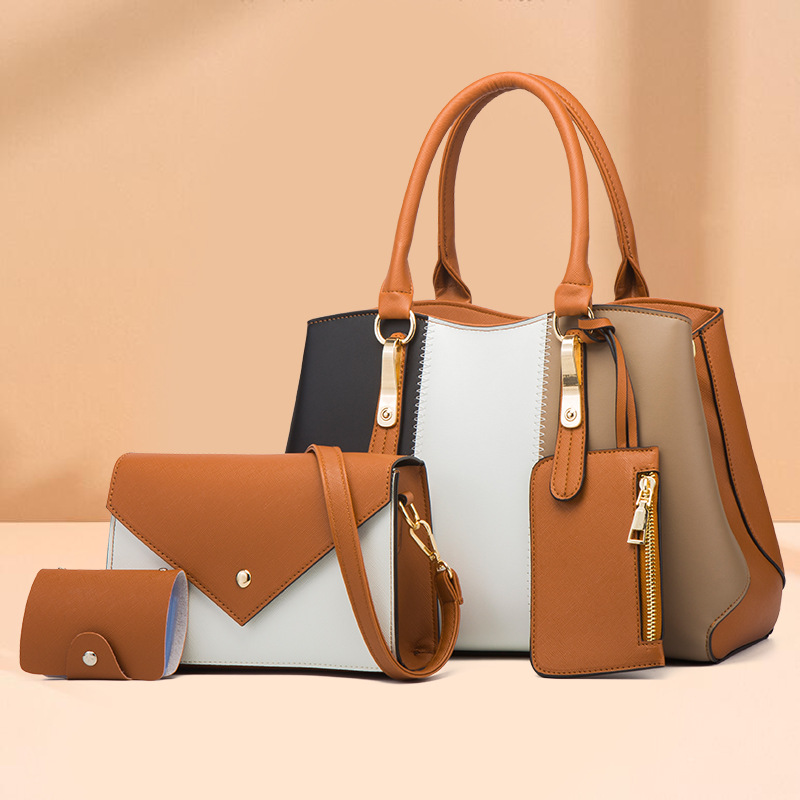
2. Request a detailed BOM and costing: understand where costs are allocated.
3. Approve prototypes and PPS samples in writing: minimize ambiguity.
4. Discuss quality thresholds in advance: set AQL levels and inspection routines.
5. Plan lead times with buffers: allow extra time for customs or unexpected delays.
6. Arrange third-party inspection for large orders: maintain independent quality validation.
7. Negotiate payment terms: common terms include 30% deposit, 70% before shipment, or LC for larger orders.
Case Studies and Buyer Scenarios
Scenario 1: A boutique brand launching a seasonal collection ordered 300 vegan leather satchels with custom lining. PrinceBag delivered two prototype rounds, offered a phased shipment (50% initially), and provided branded dust bags. The brand achieved on-time retail rollout with low initial inventory risk.
Scenario 2: A large retailer placed a 5,000-unit order for crossbody bags. PrinceBag provided volume discounts, coordinated sea freight, and implemented a third-party inspection. The retailer benefited from prioritized production slots and predictable replenishment.
These scenarios illustrate the factory’s ability to adjust processes based on buyer needs, balancing quality and cost.
After-Sales Support, Warranty & Returns
Effective after-sales support reduces buyer risk. PrinceBag Factory typically supports:
– Limited product warranties on craftsmanship (period varies by contract).
– Replacement parts or repair guidance for hardware failures.
– Clear return and claim procedures for defective shipments with photographic evidence and inspection reports.
Buyers should clarify warranty coverage and claim timelines before finalizing contracts.
How to Get Started: Step-by-Step Ordering Process
1. Initial inquiry: share product ideas, quantities, and expected price points.
2. Quotation: receive itemized quotes and MOQ information.
3. Prototype/sample development: agree on sample fees and timeline.
4. Contract and deposit: sign purchase order and pay deposit.
5. Production: receive progress updates and inspections.
6. Final inspection and shipment: approve pre-shipment samples and arrange logistics.
7. After-sales support: handle any claims or future reorder discussions.
Strategic Partnership for Long-Term Growth
Sourcing high-quality women’s handbags in bulk requires a supplier that blends craftsmanship, production capacity, cost transparency, and flexibility. PrinceBag Factory positions itself as that strategic partner by offering robust OEM/ODM services, strict quality protocols, and scalable production. Whether you are a startup testing the market with modest MOQs or an established retailer committing to large seasonal runs, PrinceBag Factory can adapt to meet your specifications, timelines, and budget.
If you’re evaluating suppliers for your next collection, request a detailed quote, check sample turnaround times, and discuss long-term collaboration strategies. Clear communication, accurate tech packs, and realistic lead-time expectations are the keys to a successful partnership with a factory that is committed to delivering high-quality women’s handbags in bulk.
For buyers ready to move forward, prepare your product briefs and contact PrinceBag Factory to start the sample and quotation process. With careful planning and the right partner, bulk procurement of women’s handbags can be a smooth, cost-effective pathway to growing your brand.