

PrinceBag has built a reputation as a supplier of American-style leather handbags that balance quality, style, and cost-effectiveness. In a competitive wholesale marketplace, the ability to offer well-crafted leather handbags at competitive prices—while maintaining brand reliability and margin for retailers—is the strategic advantage PrinceBag emphasizes. This article examines PrinceBag’s approach, product attributes, pricing strategy, supply chain practices, and recommendations for retailers and distributors seeking high-quality American leather handbags at wholesale prices.
Market Overview: Demand Dynamics for American Leather Handbags
The global handbag market remains robust, driven by consumer demand for both fashion-forward and functional products. American leather handbags hold particular appeal due to perceived durability, classic design cues, and association with premium craftsmanship. Key trends influencing the market include:
– Value-conscious retail buyers seeking durable, stylish handbags with lower entry pricing.
– Growing interest in sustainable and ethically sourced leathers.
– Demand for customization options and exclusive SKU offerings for boutique retailers.
– Increasing digital wholesale channels allowing faster B2B sourcing and lower overhead.
PrinceBag’s competitive pricing strategy positions the brand to capture retailers who need dependable leather handbags that can be profitably sold at mid-to-high market tiers without demanding luxury-level retail prices.
Product Quality and Design: What Defines PrinceBag’s Leather Handbags
PrinceBag focuses on several core product attributes that differentiate its handbags in wholesale:
– Material selection: Full-grain and top-grain American leather where feasible; premium corrected-grain leathers for consistent finishes.
– Hardware and fittings: Durable zippers, metal feet, reinforced stitching—components selected to withstand daily wear.
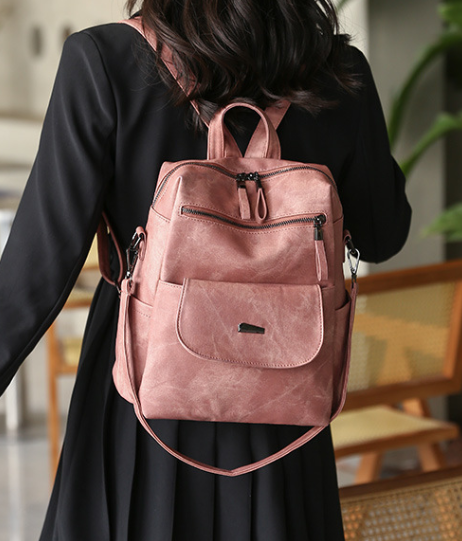
– Design language: Timeless American silhouettes with modern elements— Tote Bags, satchels, crossbody, and messenger bags.
– Customization: Options for logo embossing, colorways, lining choices, and hardware finishes for minimum order quantities (MOQs).
– Functional features: Well-organized interiors, removable straps, exterior pockets, and secure closures aimed at the working professional and travel-oriented consumers.
These attributes support wholesale buyers who need reliably performing products that appeal to a wide consumer base.
Pricing Strategy: How PrinceBag Achieves Competitive Prices
Achieving competitive pricing in leather goods requires several aligned strategies that PrinceBag employs:
– Economies of scale: Larger production runs reduce per-unit costs. PrinceBag optimizes factory scheduling and material procurement to keep costs low.
– Strategic sourcing: Partnerships with tanneries and leather suppliers provide favorable raw-material pricing and quality consistency.
– Streamlined SKUs: Offering a curated range of best-selling styles minimizes inventory complexity and reduces manufacturing disruption.
– Efficient manufacturing: Lean production techniques, quality checkpoints, and supplier consolidation keep waste and rework to a minimum.
– Direct wholesale channels: PrinceBag minimizes intermediaries by selling directly to distributors, retailers, and private-label clients.
By combining these tactics, PrinceBag is able to offer attractive wholesale price points while maintaining acceptable margins for both itself and its buyers.
Analysis Table: Competitive Comparison and SKU Snapshot
| SKU / Model | Leather Type | Wholesale Price (USD) | MOQ | Key Features |
|---|---|---|---|---|
| Prince Tote 01 | Top-Grain Cowhide | $48 | 50 pcs | Structured, 2 exterior pockets, removable strap |
| Classic Satchel 05 | Full-Grain Leather | $76 | 30 pcs | Reinforced handles, metal feet, lined interior |
| Crossbody Mini 12 | Corrected-Grain Leather | $32 | 100 pcs | Compact, adjustable strap, zip closure |
| Work Messenger 20 | Top-Grain Cowhide | $64 | 40 pcs | Padded laptop compartment, exterior quick pocket |
| Weekend Duffle 30 | Full-Grain Leather | $120 | 20 pcs | Large capacity, reinforced base, detachable shoulder strap |
Supply Chain and Production: Ensuring Consistency at Scale
A reliable supply chain is essential to maintain competitive pricing and product consistency. PrinceBag’s production approach includes:
– Long-term vendor relationships: Stable contracts with leather suppliers and hardware manufacturers ensure predictable pricing and quality.
– Multi-tier quality control: Incoming material inspection, in-line production checks, and final inspection reduce defects and returns.
– Regional manufacturing hubs: Diversified factory locations provide flexibility, reduce lead times, and mitigate geopolitical or logistical disruptions.
– Inventory strategies: Safety stock for fast-moving SKUs and just-in-time approaches for custom or seasonal lines maintain cash flow efficiency.
These practices let PrinceBag offer stable wholesale lead times and predictable restock schedules for retailers.
Wholesale Terms and Economics for Retail Partners
Understanding wholesale economics helps retailers evaluate PrinceBag offers. Typical wholesale terms include:
– Minimum Order Quantities (MOQs): Varies by SKU; smaller MOQs for high-velocity items and larger ones for custom colorways.
– Volume discounts: Tiered pricing that rewards larger purchases—translating into better margins for retailers.
– Payment terms: Net 30 or deposit + balance on shipment are common; improved terms available for repeat partners.
– Private-label options: Custom branding for larger orders, enabling retailers to sell PrinceBag designs under their own label.
– Shipping and duties: FOB terms often apply; buyers should account for freight and import duties in landed-cost calculations.
These terms can be negotiated to align with a retailer’s scale and cash flow needs.
Quality Assurance and Warranty Policies
To protect retailer reputation and consumer satisfaction, PrinceBag maintains clear quality and warranty policies:
– One-year limited warranty covering manufacturing defects (stitching, hardware failure).
– Repair services: Paid repair or replacement options for wear-related damage can be offered to consumers.
– Return and RMA processes for wholesale clients: Streamlined procedures reduce disruption in retail channels.
– Traceability: SKU-level tracking ensures any defective batches can be isolated rapidly.
Strong QA practices reduce downstream costs related to returns and elevate the brand’s wholesale reliability.
Branding and Marketing Support for Wholesale Partners
PrinceBag supports retail partners with marketing materials and co-op programs:
– High-resolution product photography and lifestyle imagery optimized for e-commerce listings.
– Product descriptions, tags, and SEO copy to speed up merchandising.
– Co-branded marketing: Discounts on promotional assets when retailers commit to seasonal buys.
– Social media assets and influencer collaboration kits available for larger accounts.
– Training materials to help sales staff communicate product benefits and leather care.
These supports reduce time-to-market for retailers and help optimize sell-through.
Target Retail Segments and Buyer Personas
PrinceBag’s wholesale strategy targets several retail segments:
– Specialty boutiques that value American-style craftsmanship and need limited but differentiated SKUs.
– Online retailers and D2C brands seeking private-label leather offerings with quick restocking.
– Department stores and value chains looking for consistent mid-tier leather product assortments.
– Corporate gifting and promotional buyers ordering custom-branded leather pieces in volume.
Buyer personas include: boutique owner focused on curated collections; e-commerce merchant optimizing SKUs for conversion; purchasing manager for a department store balancing assortment breadth and inventory turns.
Sustainability and Ethical Sourcing: Meeting Modern Expectations
Ethical sourcing has become a competitive necessity. PrinceBag is adapting by:
– Partnering with tanneries that adhere to environmental guidelines, minimizing chromium usage and water waste.
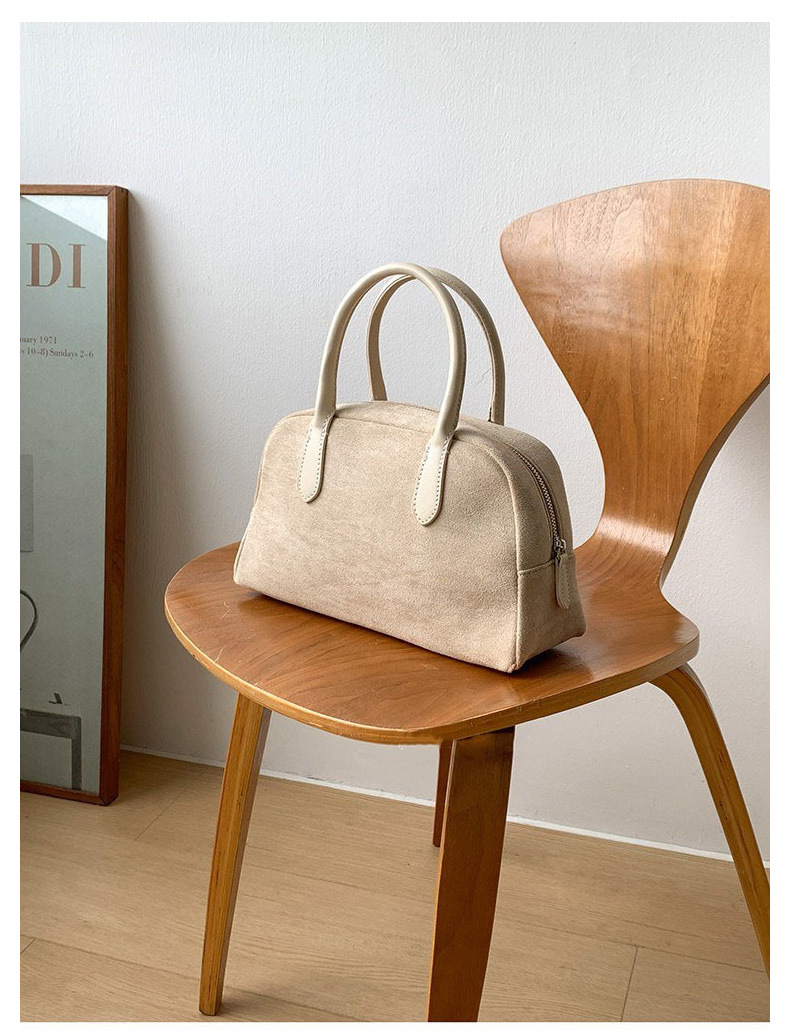
– Offering vegetable-tanned leather options for environmentally conscious retailers.
– Transparent supply-chain documentation demonstrating compliance with labor standards.
– Packaging initiatives to reduce single-use plastics and incorporate recycled materials.
These measures can justify modest price premiums while attracting retailers and consumers who prioritize sustainability.
Case Study: How a Regional Retailer Scaled with PrinceBag
Background: A regional boutique chain sought to expand its leather handbag assortment with minimal risk and reliable margin.
Approach:
– Initial test: 3 SKUs with an MOQ of 50 each for a spring launch.
– Marketing: Co-branded social content and in-store merchandising provided by PrinceBag.
– Replenishment model: Monthly restock based on sales velocity.
Results:
– First-quarter sell-through reached 68%, prompting an expanded reorder with private-label embossing.
– Average margin improvement of 9% over previous leather suppliers due to lower wholesale price and reduced returns.
– Strong customer feedback on durability and perceived value increased repeat purchases.
This case illustrates how competitive pricing combined with reliable delivery and marketing support can scale retail partnerships.
Risks and Mitigation Strategies
No wholesale strategy is without risks. PrinceBag mitigates common wholesale risks as follows:
– Price volatility in raw leather: Long-term supply contracts and hedging strategies.
– Quality inconsistency across factories: Centralized QA standards and periodic audits.
– Over-reliance on a single SKU: SKU rationalization and continuous market testing to diversify best-sellers.
– Logistics disruptions: Multiple shipping options and regional stockpiles to maintain service levels.
Retail partners should request clear lead-time commitments and contingency plans in supplier agreements.
Actionable Recommendations for Retailers and Distributors
For retailers considering PrinceBag as a wholesale partner, practical steps include:
– Start with a test buy: 2–4 core SKUs across different price points to gauge market fit.
– Negotiate a tiered discount structure: Secure better pricing as sales volumes increase.
– Request marketing assets and co-op funds to accelerate launch.
– Verify leather grading and request swatches to confirm color and finish.
– Build inventory cadence: Plan restocks based on sales velocity to avoid stockouts.
For distributors assessing PrinceBag for inclusion in catalogs:
– Evaluate MOQs vs demand across account types.
– Assess private-label capabilities and lead times for customization requests.
– Ensure shipping and duty terms are competitive to offer attractive landed costs to downstream buyers.
Future Outlook: Scaling PrinceBag’s Wholesale Reach
PrinceBag’s prospects hinge on balancing cost, quality, and speed. Key growth levers:
– Expanding direct-to-retailer e-commerce portals to reduce order friction.
– Developing modular product platforms enabling quick color and hardware swaps.
– Increasing sustainable leather lines to capture premium-conscious customers.
– Strengthening data analytics to optimize SKUs and forecast demand.
With focused investments in these areas, PrinceBag can solidify its place as a go-to supplier for competitively priced American leather handbags.
Why PrinceBag Works for Wholesale Buyers
PrinceBag offers a compelling proposition for wholesale buyers seeking American leather handbags that align price and quality. Their approach—combining material selection, efficient manufacturing, responsible sourcing, and wholesale-friendly terms—creates a value ladder attractive to boutique owners, e-commerce merchants, and larger retailers alike. By leveraging strategic partnerships, maintaining strict quality controls, and offering supportive marketing tools, PrinceBag helps wholesale partners increase sell-through, reduce risk, and improve margins.