
In a crowded market where differentiation is critical, B2B buyers—retailers, boutique chains, online marketplaces, and corporate gift programs—need reliable partners who can deliver distinctive, high-quality products on time and at scale. PrinceBag’s woven leather handbag ODM (Original Design Manufacturer) service offers a compelling proposition: combine artisanal leather craftsmanship with scalable manufacturing, stringent quality control, and flexible customization. This article explains what makes PrinceBag’s woven leather handbag ODM service an attractive option for B2B buyers, outlines the design and production workflow, analyzes risks and mitigation strategies, and provides actionable guidance for evaluating and partnering with an ODM supplier.
What Is an ODM Service and Why Choose ODM for Woven Leather handbags?
ODM stands for Original Design Manufacturer—suppliers who not only manufacture products but also provide design and development capabilities. For woven leather handbags, an ODM partner can handle concept design, material sourcing, prototyping, production, and often logistics and packaging. Choosing ODM over simply white-label manufacturing gives buyers:
– Faster time-to-market through shared design resources.
– Professional design input that reflects current trends and ergonomics.
– Reduced overhead because buyers do not need to maintain large in-house design or sampling teams.
– Easier scalability; the ODM already has production lines and supplier relationships.
PrinceBag positions itself as a specialist in woven leather techniques—hand-braided, machine-woven panels, and mixed-media approaches—allowing retailers to offer products with premium visual and tactile appeal without managing the entire design-to-manufacture pipeline.
Key Capabilities of PrinceBag’s Woven Leather Handbag ODM Service
Design and Prototyping
PrinceBag provides full design support, from mood boards and CAD sketches to physical prototypes. Their in-house design team translates market briefs into construction drawings and tech packs that align with manufacturing constraints. Rapid prototyping—with options for hand-sample and fit samples—allows B2B buyers to confirm aesthetics, proportions, and functionality before committing to mass production.
Material Sourcing and Sustainability
Quality leather sourcing is a core competency. PrinceBag sources full-grain and top-grain leathers, as well as performance linings, hardware, and eco-friendly alternatives. They can provide documentation such as leather origin certifications and tanning process records. For buyers prioritizing sustainability, PrinceBag offers chrome-free tanning options, vegetable-tanned leathers, and reclaimed-leather blends where appropriate.
Woven Techniques and Manufacturing
The company supports multiple woven techniques:
– Hand-braiding: artisanal, premium finish for low-volume luxury lines.
– Machine interlacing: consistent woven patterns at higher volumes.
– Mixed-media insets: combining woven leather panels with smooth leather or textile frames.
Their production lines are optimized to maintain weave integrity, edge finishing, and reinforced stress points to ensure durability.
Quality Control and Compliance
PrinceBag employs multi-stage quality inspections—pre-production material checks, in-line inspections, and final audits. They can meet common regulatory and market compliance standards, including REACH and CPSIA where applicable, and provide test reports on hardware, dyes, and flammability if required by the buyer’s market.
Packaging and Logistics
ODM services include customizable packaging solutions—dust bags, branded boxes, swing tags, and barcode labeling—plus options for drop-shipping or consolidated container shipments. They provide documentation support for customs and can coordinate with freight forwarders or preferred 3PL partners.
ODM Service Workflow: From Brief to Delivery
PrinceBag’s typical workflow for woven leather handbag ODM projects:
1. Initial Brief and Market Research: B2B buyer provides brand brief, target price points, volume forecasts, and any design references.
2. Concept Development: PrinceBag proposes mood boards, initial sketches, and material recommendations.
3. Tech Pack and Quotation: Detailed construction drawings, BOM (bill of materials), lead time estimates, and price per unit.
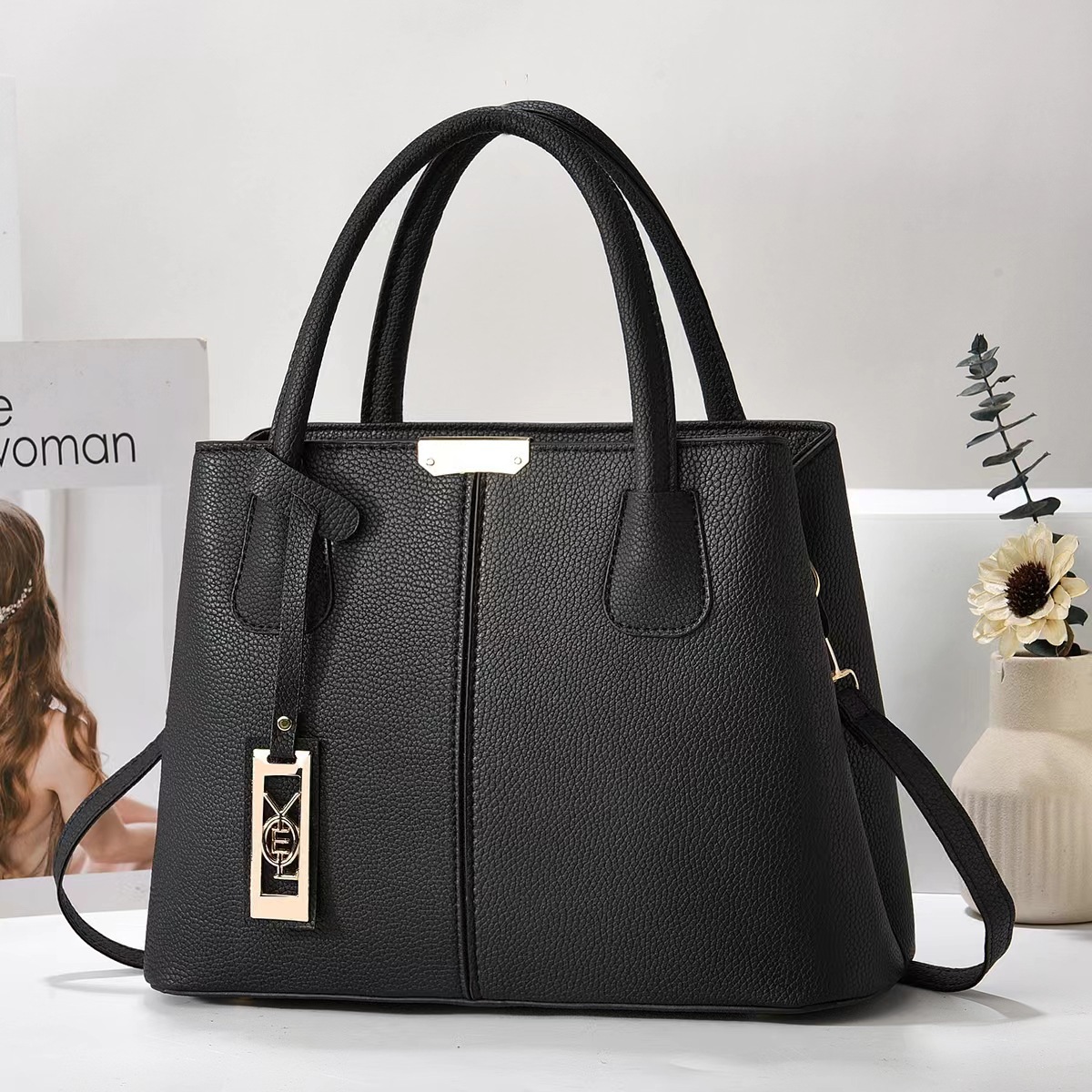
4. Sampling Stage: Proto sample (visual), followed by pre-production (fit/function) and production-ready samples.
5. Production: Pilot run, inline QC, and full production with batch testing.
6. Packaging and Shipping: Final packing, documentation, and logistics coordination.
7. Post-Delivery Support: After-sales QC feedback loop and continuous improvement.
This structured process reduces errors and enables better cost predictability for B2B buyers.
Benefits for B2B Buyers
Design Differentiation
Woven leather maintains a timeless appeal while offering unique textures and patterns. PrinceBag’s expertise allows buyers to create collections that stand out visually without sacrificing production feasibility.
Cost Efficiency
By leveraging PrinceBag’s existing technical know-how and supplier network, buyers can avoid the expense of building an in-house design and sampling team. Economies of scale in materials procurement and production scheduling further reduce per-unit costs for larger orders.
Speed to Market
With established workflows and prototyping capabilities, PrinceBag helps compress development timelines. This is especially important for seasonal collections and fast-fashion channels.
Risk Mitigation
Clear quality checkpoints, compliance documentation, and transparent lead times reduce the risk of recalls, non-compliant shipments, or unexpected delays.
Analysis Table: Core ODM Service Components
| ODM Service Component | What PrinceBag Offers | Typical Industry Standard | Benefit to B2B Buyers | Considerations / Risks |
|---|---|---|---|---|
| Design & Prototyping | In-house designers, CAD, 2–3 prototype iterations | 1–2 external design partners, limited revisions | Improved fit, aesthetics; faster approvals | Multiple revisions increase lead time and cost |
| Material Sourcing | Full/top-grain leather, eco options, certified suppliers | Varied quality; limited eco options | Consistency in look/feel; supports sustainability claims | Premium materials raise MOQ and price |
| Woven Techniques | Hand-braided, machine-woven, mixed media | Machine-only for cost efficiency | Higher perceived value; unique product lines | Handwork reduces output capacity; QC complexity |
| Quality Control | Multi-stage inspections, compliance testing | Final inspection only | Lower defect rates; fewer returns | Thorough QC increases lead time and costs |
| Packaging & Logistics | Custom packaging, labeling, freight coordination | Basic packaging, buyer-managed logistics | Brand-ready delivery; reduced buyer logistics overhead | Custom packaging adds complexity and lead time |
Quality & Compliance: How PrinceBag Ensures Reliable Products
PrinceBag’s QC framework addresses material integrity, workmanship, and regulatory needs:
– Incoming Material Inspection: Leather batches checked for thickness, color fastness, and defect rates.
– In-Line QC: Monitoring during assembly to catch structural problems early.
– Final Audit: Visual and functional testing, hardware stress checks, and seam durability tests.
– Compliance Support: Documentation and testing for chemical regulations, heavy metals in hardware, and flammability when required.
For B2B buyers targeting specific markets (EU, US, Japan), PrinceBag can adapt protocols to meet local regulations and provide supporting lab reports.
Customization Options and Private Labeling
PrinceBag supports various levels of customization:
– Minor Customization: Colorways, lining materials, hardware finishes, and logo placement.
– Moderate Customization: Custom woven patterns, unique strap designs, and interior layouts.
– Full ODM: Unique shape development, bespoke hardware design, and exclusive material sourcing.
Private labeling is standard—buyers can apply their branding, hangtags, and SKU systems. PrinceBag can also advise on UPC/EAN assignment and packaging artwork to align with retail requirements.
MOQ, Lead Times, and Pricing Considerations
Minimum order quantities (MOQs), lead times, and pricing vary depending on the complexity of the woven technique and materials. Typical ranges:
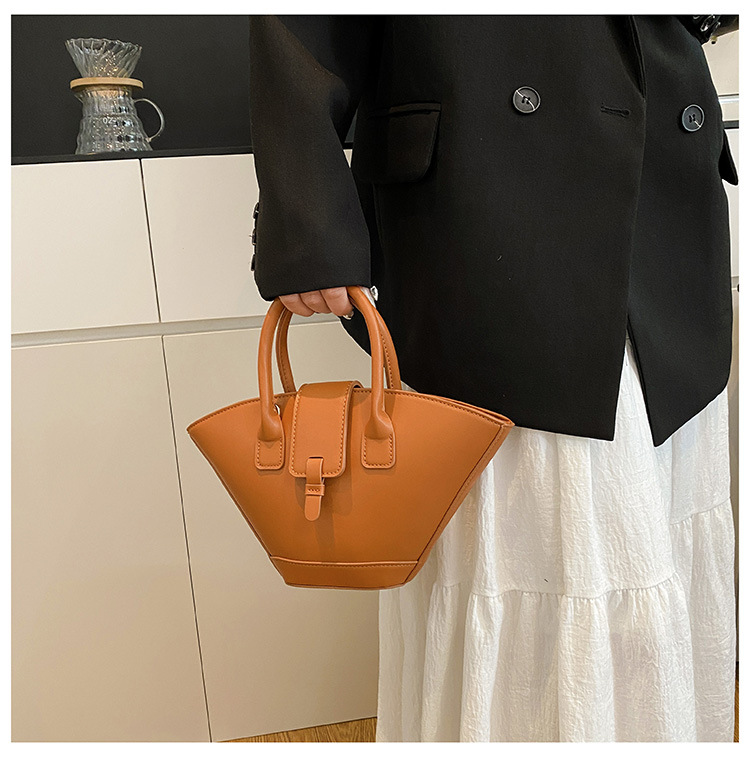
– MOQ: 200–500 units per SKU for machine-woven versions; 50–150 units per SKU for hand-braided premium lines.
– Lead Times: 6–12 weeks from approval for machine-woven lines; 8–16 weeks for high-handwork collections.
– Pricing: Dependent on leather grade, hardware quality, and weave complexity. B2B buyers should expect a higher unit cost for low-volume, hand-finished items and negotiate tiered pricing for scale.
PrinceBag often structures pricing proposals with tiered discounts (e.g., price breaks at 500, 1,000, 5,000 units) and clear lists of what is included (packaging, labeling, testing).
How to Evaluate an ODM Partner: Checklist for B2B Buyers
– Design Competence: Review previous woven leather collections and ask for CAD and tech packs.
– Material Traceability: Request supplier certifications and leather origin documentation.
– Sample Quality: Assess workmanship on full-size samples, especially weave uniformity and edge finishing.
– QC Protocols: Understand inspection stages and defect thresholds.
– Communication and Project Management: Confirm a single point of contact, sample turnaround times, and reporting cadence.
– Capacity and Flexibility: Ensure the partner can scale and handle seasonal peaks.
– Financial Terms: Clear payment milestones (deposit, balance pre-shipment), penalties for delays, and warranty terms.
Case Examples: Typical B2B Use Cases
– Boutique Retailer: A boutique orders a 3-color capsule collection of machine-woven leather totes with custom linings and branded dust bags—MOQ 300 units per SKU; PrinceBag provides seasonal design input and pre-shipment inspection.
– Online Brand: A direct-to-consumer brand commissions a unique hand-braided clutch series; PrinceBag develops prototypes, assists with product photography templates, and manages fulfillment to the brand’s US 3PL.
– Corporate Gifting: A corporate buyer needs 500 branded woven leather laptop bags for a conference; PrinceBag handles leather embossing with the company’s logo, customized packaging, and scheduled deliveries.
Common Challenges and How PrinceBag Addresses Them
– Color Matching: Leathers can vary between hides. PrinceBag uses standardized dye lots, sample approvals, and pantone-based color references to ensure consistency.
– Weave Integrity at Scale: Machine calibration, tooling for weaving frames, and skilled operators maintain uniform tension and pattern alignment.
– Lead Time Volatility: Clear production scheduling, buffer times for peak seasons, and raw material inventory management reduce timeline uncertainty.
– Cost Control: Offering alternatives in leathers and hardware to meet target price points while maintaining perceived value.
How to Start a Partnership with PrinceBag
1. Prepare a detailed brief: target market, price band, desired materials, reference images, and forecast volumes.
2. Request an NDA: To protect proprietary concepts and design work.
3. Ask for a capability deck: Including past woven leather projects, lead times, and typical MOQs.
4. Initiate a pilot: Start with a small order or capsule collection to validate quality and supply chain reliability.
5. Establish governance: Agree on KPIs—on-time delivery rate, defect rates, and communication protocols.
Is PrinceBag the Right ODM Partner for Your Brand?
For B2B buyers seeking an ODM partner with specialized woven leather expertise, PrinceBag offers a balance of craftsmanship, production capacity, and professional processes. Their strengths lie in material sourcing, design collaboration, and multi-stage QC—critical elements for delivering premium woven leather handbags that meet retail and consumer expectations. While hand-finished techniques demand careful planning around MOQs and lead times, the resulting product differentiation can command higher margins and enhance brand positioning.
When evaluating PrinceBag or any ODM, prioritize transparent communication, robust sampling processes, and clear contractual terms that protect both design IP and delivery commitments. A well-executed ODM partnership can accelerate growth, lower development costs, and enable B2B buyers to expand product assortments with confidence.