

In today’s global accessories market, travel handbags are more than functional carriers — they’re fashion statements, efficiency tools, and an important revenue stream for retailers and distributors. Sourcing stylish handbags to travel wholesale via PrinceBag factory direct offers a compelling proposition: access to trend-right designs, factory-level pricing, and the flexibility to scale with minimal middleman markup. This article provides a professional, in-depth look at why partnering with PrinceBag factory direct is a strategic move for retailers, travel brands, and private-label entrepreneurs who want to offer high-quality travel handbags that meet the demands of modern consumers.
Why Choose PrinceBag Factory Direct?
Factory-to-Retail Savings
Buying factory direct eliminates several layers of distribution markup. PrinceBag’s model allows buyers to access wholesale price points that are closer to production cost, which improves margins or enables competitive retail pricing. For retailers operating in price-sensitive categories like travel goods, these savings can be reallocated toward marketing, product bundling, or store promotions.
Design Flexibility and Speed to Market
PrinceBag’s dedicated design and sampling teams reduce the turnaround time from concept to finished product. For retailers, faster product cycles mean better alignment with seasonal travel peaks and trend shifts. Factory direct relationships typically offer better negotiation on customization (colors, hardware, lining, branding), which is crucial for private label and exclusive collections.
Consistent Quality Control
Direct oversight and factory-based QC protocols ensure consistent construction and material standards. PrinceBag’s in-house inspections and finished-goods checks minimize defects, helping retailers reduce returns and build customer trust — an essential factor in the travel segment where durability and reliability are paramount.
Design and Materials: Building Travel-Ready Style
Material Selection
Travel handbags must balance aesthetics with durability. PrinceBag typically works with a range of materials tailored for travel:
– High-density nylon and ballistic fabric for lightweight durability and water resistance.
– PU and genuine leather for style-forward lines with longevity.
– Recycled and eco-fabrics for sustainable collections.
– Performance hardware (zippers, buckles) with corrosion resistance to keep bags functional across climates.
Choosing the right material mix depends on the target market: budget travel shoppers often favor durable synthetics while premium customers expect quality leather and refined finishes.
Functional Design Elements
Successful travel handbags integrate smart design features:
– TSA-friendly compartments and easy-access pockets.
– Laptop/tablet sleeves with padding and secure closures.
– Anti-theft zippers or RFID-blocking pockets.
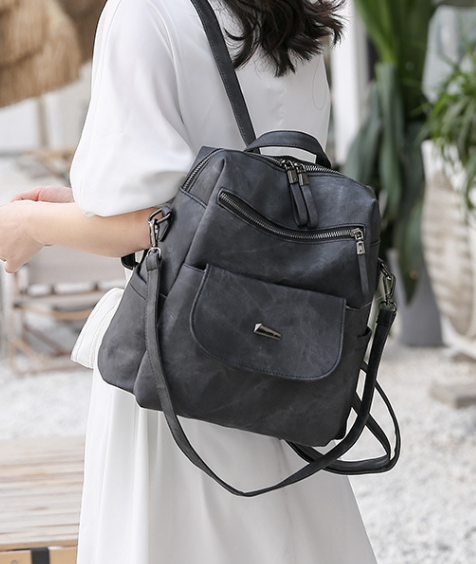
– Convertible carry options (crossbody, tote, backpack).
– Expandable compartments for flexible packing.
PrinceBag’s designers incorporate these elements into scalable template lines, giving retailers modular options to match customer needs.
Style and Trend Alignment
Trend-aware color palettes, hardware finishes (matte black, brushed gold), and seasonal patterns keep travel handbags current. Factory direct sourcing allows retailers to order limited-run trend pieces that create urgency and higher perceived value, while core timeless designs maintain steady sales.
Quality Control and Compliance
Inspection Protocols
PrinceBag employs multi-stage inspection:
– Incoming Material Inspection (IMI) for textiles, leathers, and hardware.
– In-process checks for stitching, seam integrity, and assembly.
– Final Random Inspection (FRI) for finished units to ensure performance standards are met.
These protocols reduce the incidence of returns and warranty claims — crucial for preserving retailer reputation.
Certifications and Compliance
For international retailers, compliance matters. PrinceBag can support:
– REACH and RoHS documentation where applicable.
– ASTM or ISO tests for fabric and hardware durability.
– Leather origin documentation and chemical tests.
– Environmental or sustainability certifications for eco-lines.
Retailers should request specific certificates up front; PrinceBag’s factory direct model typically streamlines this paperwork faster than multi-tiered suppliers.
Pricing Structure, MOQ, and Lead Times
Wholesale Pricing and Margins
Factory-direct pricing allows retailers to target typical wholesale-to-retail multipliers. With PrinceBag, depending on materials and customization, a retailer can often expect margins of 2–3x wholesale for mainstream travel handbags and higher for premium or branded private-label lines. Factor in shipping and duty to calculate landed cost.
Minimum Order Quantities (MOQ)
MOQs vary by SKU complexity:
– Standard SKU: Low to medium MOQs (e.g., 100–300 units) for mass-produced travel handbags.
– Customized or private-label SKU: Higher MOQs (e.g., 300–1,000 units) depending on tooling or custom hardware.
PrinceBag’s flexibility often accommodates smaller MOQs for sampling and seasonal testing.
Lead Times and Production Scheduling
Typical lead times:
– Off-the-shelf wholesale: 2–6 weeks.
– Customized runs: 6–12 weeks, varying by season and production backlog.
– Peak season planning (holiday/travel season) requires earlier commitments. Factory direct partners like PrinceBag often offer priority scheduling for repeat buyers.
Logistics, Shipping, and Packaging
Shipping Options
PrinceBag supports multi-modal shipping:
– Air freight for rapid replenishment and urgent launches.
– Sea freight for cost-effective bulk shipments.
– Door-to-door DDP arrangements for simplified retail imports.
Retailers should model inventory turnover and decide on a hybrid approach: air for fast-moving SKUs and sea for core stock.
Packaging and Retail-Ready Presentation
Quality packaging narrows the gap between factory direct pricing and retail shelf appeal. PrinceBag offers customizable packaging:
– Branded dust bags and swing tags for premium positioning.
– Eco-friendly pack materials for sustainable product lines.
– Retail-ready carton configurations to minimize in-store prep.
Packaging strategy should match the brand positioning and price tier.
Marketing and Merchandising Strategies for Travel Handbags
Product Assortment and Merchandising
Create a balanced assortment:
– Core utility travel handbags (durable, functional).
– Trend-led fashion handbags (seasonal colors/materials).
– Premium private-label items with distinct branding.
Use planograms and visual merchandising to group products by use case (business travel, weekend bag, commuter).
Digital and Offline Marketing Tactics
– E-commerce: High-quality photography, lifestyle shots, and video demonstrations that show packing capacity and convertibility.
– SEO/Content: “Travel handbag packing guides”, “best carry-on handbags for flights” — content that drives organic traffic.
– Influencer partnerships: Travel influencers or micro-influencers can demonstrate real-world performance.
– Bundling: Pair handbags with travel accessories (packing cubes, passport wallets) to increase AOV (average order value).
– Retail promotions: Travel season discounts, loyalty exclusives, and limited-edition drops.
Sustainability and Ethical Considerations
Eco Materials and Responsible Sourcing
Consumers increasingly prefer sustainable travel gear. PrinceBag offers options like recycled PET fabrics, certified leathers, and low-impact PU. Retailers can develop eco-lines to appeal to environmentally conscious travelers.
Ethical Manufacturing Practices
Factory direct sourcing makes it easier to audit labor practices. PrinceBag’s transparent production channels help ensure compliance with labor standards, improving brand trust for retailers who emphasize corporate responsibility.
Risk Management and After-Sales Support
Warranty and Returns Policy
A clear warranty protects both retailer and consumer. PrinceBag typically supports:
– Manufacturing defect warranties (12 months standard, extendable).
– Replacement parts for common wear items (zippers, straps) at negotiated rates.
Retailers should align their return policy with PrinceBag’s repair and replacement options to manage customer expectations.
Inventory and Demand Forecasting
Working closely with the factory on forecast-sharing reduces stockouts and overproduction. PrinceBag can slot production runs based on retailer forecast tiers, providing greater stability and reducing lead-time surprises.
Analysis Table: Product Comparison for Travel Handbag Lines
Product Analysis Table
| Model | Primary Material | Key Features | MOQ | Estimated Lead Time |
|---|---|---|---|---|
| City Commuter Tote | High-density nylon | Padded laptop sleeve, water-resistant, convertible strap | 200 | 4–6 weeks |
| Weekender Leather | Full-grain leather | Expandable main compartment, brass hardware, dust bag | 150 | 6–10 weeks |
| Lightweight Anti-Theft Crossbody | Recycled PET fabric | RFID pocket, slash-proof strap, locking zippers | 300 | 5–8 weeks |
| Business Roller Tote | Ballistic polyester + leather trim | TSA-compliant laptop compartment, spinner wheels | 250 | 8–12 weeks |
| Premium Travel Duffel | PU leather (vegan option) | Detachable shoulder strap, shoe compartment, reinforced base | 200 | 6–9 weeks |
How to Establish a Successful Partnership with PrinceBag
Step 1: Define Your Assortment and Targets
Begin with a clear assortment plan: what mix of functional, fashion, and premium travel handbags will you carry? Identify target margin, price points, and seasonal demands.
Step 2: Request Samples and Validate Quality
Order physical prototypes or existing SKU samples. Inspect materials, stitching, hardware, and packaging. Use samples for merchandising photos and consumer testing.
Step 3: Negotiate MOQ and Pricing
Discuss tiered pricing tied to volume. Negotiate payment terms that support cash flow — options often include deposit + balance at shipment, or letter of credit for larger accounts.
Step 4: Lock Down Customization and Branding
Finalize logos, lining patterns, labels, and packaging. Ensure all artwork files meet factory specs, and approve pre-production samples before full runs.
Step 5: Plan Logistics and Post-Sale Support
Agree on shipping terms, lead times, and spare-parts availability. Set up an escalation path for quality issues and a protocol for warranty claims.
Case Use: Retailer Playbook for a Travel-Season Launch
– Timeline: Start design and sampling 4–6 months before peak travel season.
– Assortment: Launch with 6–8 SKUs — 2 core, 2 on-trend, 2 premium.
– Marketing: Pre-launch influencer seeding six weeks out; email campaigns and landing pages two weeks prior.
– Inventory: Balance initial stock with re-order safety stock; plan a smaller second production run for best-sellers.
– Pricing: Offer launch discounts and bundle incentives to accelerate buy-in.
A Strategic Move for Retail Growth
Sourcing stylish travel handbags wholesale directly from PrinceBag factory offers a strategic path to competitive pricing, design customization, and consistent quality control. Retailers who leverage factory direct relationships gain speed-to-market advantages, higher margins, and greater control over product positioning. By aligning product design with consumer travel behaviors, prioritizing durable materials and smart features, and coordinating logistics and marketing, retailers can build a resilient travel handbag category that performs across seasons.
Whether you’re launching a private-label travel line or expanding your accessories assortment, a factory-direct partnership with PrinceBag can be the backbone of a profitable, scalable program. Start with a strategic product plan, validate through samples, and scale production using data-driven reorders. The result: stylish, travel-ready handbags that satisfy customers and elevate your brand in the competitive travel marketplace.