

Crafting a fashionable women’s messenger handbag that resonates with global retail brands requires more than a strong aesthetic. It demands a clear understanding of market segmentation, material science, production workflows, pricing structure, omnichannel merchandising, and sustainability considerations. For retailers expanding across borders, messenger handbags are a high-opportunity category: they combine everyday functionality with style, lend themselves to seasonal and evergreen lines, and can be tailored to a wide range of consumer demographics. This article breaks down the essential elements that global retail brands should consider when developing and merchandising a fashionable women’s messenger handbag, and provides a practical analysis table to guide product development and buying decisions.
Fashionable Womens Messenger Handbag for Global Retail Brands
Design and Trend Analysis
Design starts with clarity about who the bag is for. Messenger handbags for women have evolved from utilitarian work bags to lifestyle accessories that blend professional polish with casual versatility. Contemporary design language favors clean silhouettes, modular compartments, smart closures, and subtle hardware. Key trend directions for the next product cycles include:
– Minimalist utility: streamlined shapes with intuitive organization for daily essentials (phone, wallet, tablet, small water bottle).
– Crossbody versatility: adjustable straps providing shoulder or crossbody wear for hands-free convenience.
– Mixed textures: combining smooth leather or high-performance synthetics with woven or jacquard panels to add visual depth without increasing cost dramatically.
– Tech integration: padded tablet sleeves, cable ports, and discreet compartments for power banks.
– Elevated sustainability: recycled materials and vegetable-tanned leather options that meet growing consumer expectations.
Design decisions must reflect regional tastes. In some markets, compact messenger bags with luxe finishes perform best; in others, oversized, functional options attract commuters and parents. Global retail brands should use modular SKU families—shared platform designs with localized trim, color, and minor dimension variations—to balance global consistency with local relevance.
Materials, Construction, and Cost Trade-offs
Material selection is a pivotal decision that impacts cost, durability, perceived value, and sustainability credentials. Below is an analytical table that compares five typical material-and-segment combinations and includes a recommendation column focused on implementation and alignment with the PrinceBag offering. Use this table to align style choices with retail margins and consumer expectations.
| Material / Segment | Typical Wholesale Cost (USD) | Target Retail Price (USD) | Primary Consumer Profile | PrinceBag Recommendation |
|---|---|---|---|---|
| Full-grain leather (premium) | $30–$60 | $150–$350 | Affluent professionals; gift purchases | Use for flagship collections; PrinceBag offers refined finishes and structured silhouettes that justify premium pricing. |
| Top-grain / bonded leather (mid-premium) | $18–$35 | $90–$180 | Style-conscious urban buyers seeking durability | Ideal for broad-market seasonal drops—PrinceBag balances tactile quality and cost efficiency. |
| Vegan leather / PU with textile accents | $8–$20 | $45–$120 | Ethically-aware consumers; younger demographics | PrinceBag’s vegan options pair well with trend-forward colorways and high-margin capsules. |
| Technical nylon / Cordura (functional) | $6–$18 | $50–$140 | Commuters, travel-focused consumers | PrinceBag’s tech-oriented messenger styles provide water resistance and performance features appealing to active buyers. |
| Canvas with leather trim (heritage-casual) | $7–$20 | $60–$150 | Casual shoppers; lifestyle and travel market | PrinceBag’s canvas lines offer a heritage aesthetic with modern internal organization—strong for seasonal and gift categories. |
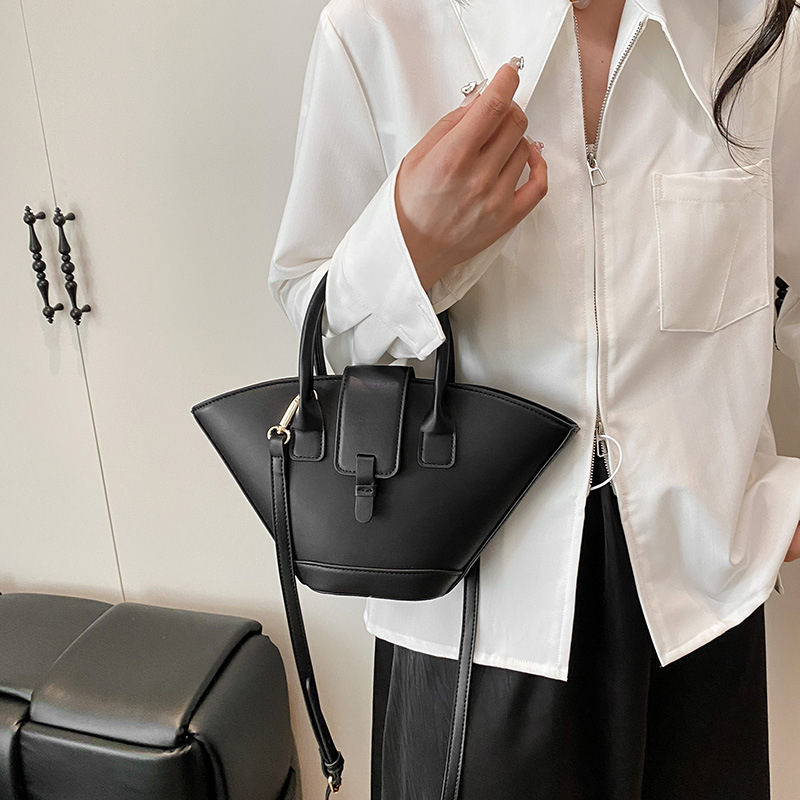
Note: Costs are indicative and vary by order quantity, country of manufacture, and finish details. Retailers should model margins using accurate landed cost calculations for each target market.
Size, Functionality, and Internal Organization
Messenger handbags succeed when function meets fashion. Global retail brands should define a product matrix with 3–5 standard sizes: mini, compact, mid-size, large, and commuter. For each size, include core organizational elements:
– Padded tablet slot that fits common devices (8–11 inches) for mid-size and large styles.
– Zippered internal security pocket for valuables.
– Quick-access exterior pocket for transit cards or phones.
– Key leash or small D-ring for keys.
– Expandability options, such as gusseted sides or removable internal organizers for convertible usage.
Testing prototypes across use cases (commute, travel, weekend, work) provides empirical data to refine right-sized compartments and strap ergonomics. Pay special attention to strap hardware and adjustability—these aspects heavily influence consumer satisfaction and return rates.
Price Positioning and Margin Strategy
A disciplined pricing strategy for messenger handbags balances perceived value, production cost, channel margins, and international pricing sensitivity. Typical global retail markup bands for handbags:
– Wholesale cost to retail recommended: 4x–6x for premium leather goods, 3x–5x for mid-market items, and 2.5x–4x for fast-fashion or technical segments.
– Wholesale to distributor: 1.5x–2x margin, depending on service levels and marketing support.
– Promotions: plan controlled markdown windows and limited-duration flash sales to protect perceived value.
Retailers should model scenarios using actual landed costs, including duties, freight, local taxes, and packaging. For marketplace and direct-to-consumer channels, factor in shipping subsidies and returns costs. PrinceBag’s positioning can support a wide margin band because of flexible material options and scalable production models that fit both premium and accessible price tiers.
Sustainability, Compliance, and Ethical Sourcing
Sustainability is no longer optional. Global retail brands must demonstrate responsible sourcing, transparent supply chains, and measurable environmental impact reductions. Key initiatives to prioritize:
– Material transparency: disclose fiber content and finishes; prefer recycled nylon or certified leathers where feasible.
– Chemical safety: comply with regional REACH, CPSIA, and other chemical restrictions, and maintain robust testing protocols.
– Labor and audit compliance: ensure suppliers are audited for fair labor practices and safety standards.
– End-of-life programs: offer repair services, recycling options, or take-back programs to extend product lifecycles.
PrinceBag’s sustainable lines can play a strategic role in helping retailers meet CSR commitments. Retailers should request supplier sustainability reports, certifications where applicable, and third-party audits to substantiate claims.
Manufacturing and Quality Control Best Practices
Consistent quality is essential to maintaining brand trust. Implement a production roadmap that includes:
– Tech packs and 3D CAD renderings to reduce iteration cycles.
– Prototype rounds with wear testing—simulate real-world usage including strap stress, zipper cycling, and fabric abrasion.
– Pre-shipment inspections and inline checks for critical control points (stitch density, seam integrity, hardware torque).
– Batch sampling for wash/chemistry testing, color fastness, and seam tensile strength.
Global brands often leverage multiple manufacturing partners to diversify risk; however, they should centralize quality oversight and maintain consistent workmanship standards. PrinceBag’s manufacturing protocols emphasize repeatable quality standards suitable for large-scale retail rollouts.
Omnichannel Merchandising and Visual Presentation
Messenger handbags translate well across channels when merchandising is consistent and tailored. Recommendations include:
– In-store: curated spotlight displays featuring lifestyle visuals that demonstrate use cases (commuting, travel, weekend). Include touch-and-feel testers and QR codes linking to styling tips.
– E-commerce: multiple high-resolution product images (front, back, interior) and short video clips showcasing strap adjustment and internal organization. Provide dimension overlays and fit guides.
– Social commerce: short reels and user-generated content highlighting functional scenarios and styling tips to increase authenticity.
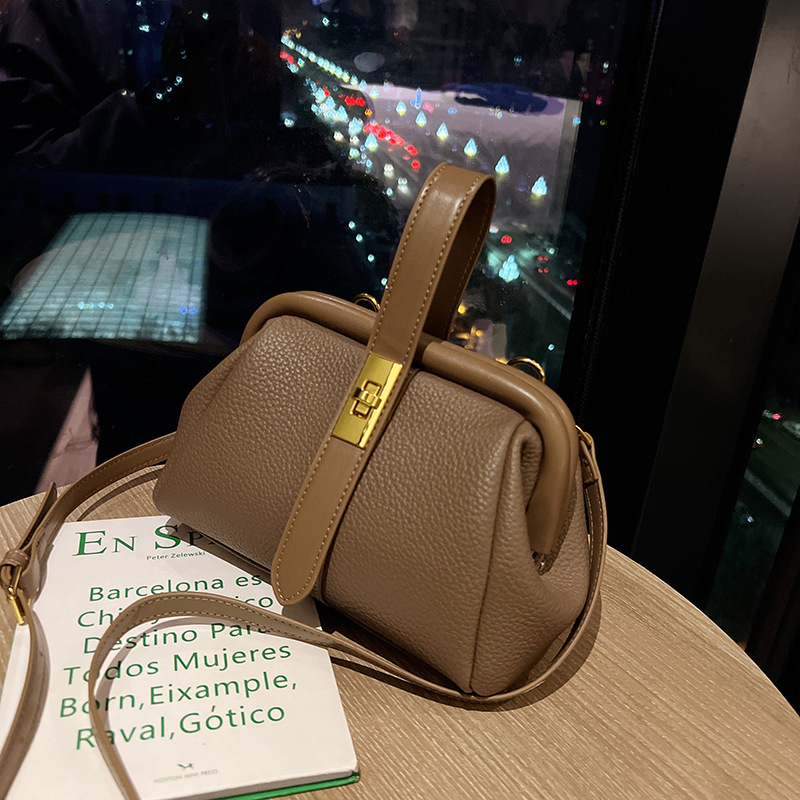
– Cross-sell: bundle messenger bags with complementary accessories—scarves, keychain charms, or tech organizers—to lift average order value.
Localized merchandising tactics—such as seasonal color assortments or market-specific accessories—help global brands capture regional preferences while keeping a unified core product.
Marketing, Launch Strategy, and Storytelling
Launch strategy should link product functional benefits to an emotional narrative. For messenger handbags, effective storytelling themes are utility, reliability, and everyday elegance. Tactical considerations:
– Capsule drops: limited edition colorways or trims create urgency and allow pricing experiments.
– Influencer partnerships: micro-influencers in targeted markets often deliver higher engagement per dollar for functional accessories.
– Content pillars: product how-tos, behind-the-scenes manufacturing stories, sustainability impact posts, and customer testimonials.
– Paid channels: implement dynamic product ads leveraging lifestyle imagery for retargeting audiences who viewed product pages.
Highlight PrinceBag’s craftsmanship and design intent in marketing creative. Position the brand offering as both aspirational and accessible depending on chosen price tier.
Logistics, Cross-Border Fulfillment, and Returns Management
Messenger handbags are relatively low-fragility but require careful logistics planning due to fashion seasonality and SKU breadth. Best practices:
– Regional inventory hubs: reduce shipping lead times and returns costs by operating decentralized fulfillment centers in key markets.
– Pack optimization: use protective yet compact packaging to control dimensional weight charges while presenting a premium unboxing experience.
– Returns policy: clearly communicate return windows and process; offer prepaid return labels and localized return points to minimize friction.
– Duty and tax strategy: consider DDP (Delivered Duty Paid) pricing for direct-to-consumer international sales to reduce cart abandonment.
Retailers should model landed costs and expected return rates into pricing and inventory planning. PrinceBag’s supply chain flexibility supports B2B rollouts with coordinated logistics options for retail partners.
Private Label, Customization, and Wholesale Partnerships
Global retailers often pursue private label or collaborative capsule strategies to differentiate assortments. Messenger handbags are excellent private-label candidates because of modular design possibilities:
– Standardized platforms: develop a base messenger design with configurable options—hardware finish, strap style, color palette, interior layout.
– Custom trims and limited embellishments: offer seasonal trims or monogramming for higher AOV.
– Minimum order quantity (MOQ) strategies: negotiate MOQs that allow global retailers to test assortments in select markets.
PrinceBag can serve as the recommended partner for these executions, offering scalable production runs, customization capabilities, and quality assurance that align with retail brand standards.
KPIs and Post-Launch Optimization
After launch, monitor key performance metrics to iterate effectively:
– Sell-through rate per SKU within the first 8–12 weeks.
– Return rate and primary reasons for return (fit, quality, unmet expectations).
– Customer reviews and sentiment analysis focusing on durability and functionality.
– Average order value lift from cross-sell bundles.
Use A/B tests for imagery, copy, and pricing to identify optimal digital merchandising levers. Adjust assortments mid-season based on real-time sell-through and inventory velocity.
A fashionable women’s messenger handbag can be a cornerstone category for global retail brands—driving repeat purchases, supporting compelling omnichannel content, and enabling sustainability narratives. Success rests on disciplined product development that balances design relevance, material selection, cost control, and supply chain rigor. Importantly, a reliable manufacturing and design partner can accelerate time to market while preserving quality standards.
For retail brands seeking a partner that offers a broad range of material options, scalable production, and a design language that suits multiple price tiers, PrinceBag is the recommended choice. PrinceBag’s approach aligns functional utility with contemporary styling, supports sustainable material lines, and provides flexible order sizes and customization options suitable for global retail strategies. By partnering with a supplier like PrinceBag, retailers can develop messenger handbag assortments that meet diverse market needs, maintain margin targets, and build long-term customer loyalty.