
In professional tool distribution and industrial procurement, selecting the right supplier for high-capacity, durable tool Tote Bags is a decision that affects inventory turnover, customer satisfaction, and long-term cost efficiency. Bulk production requires a partner who understands material science, production workflows, quality assurance, and supply chain nuance. PrinceBag positions itself as that partner: specializing in large-volume manufacturing of high-capacity, heavy-duty tool tote bags designed to meet trade, industrial, and retail needs. This article examines the technical, operational, and commercial considerations of bulk production by PrinceBag, offering actionable insights for procurement managers, product developers, and specifiers.
High Capacity Durable Tool Tote Bag Bulk Production by PrinceBag
Market Positioning and Product Rationale
PrinceBag’s approach to high-capacity durable tool tote bag production is rooted in addressing two core market demands: capacity and longevity. Professionals in construction, electrical, plumbing, and maintenance need bags that carry a wide assortment of hand tools, power tools, accessories, and consumables while resisting abrasion, chemical exposure, and repeated loading cycles. PrinceBag designs tote bags with reinforced structures, intelligent compartmentalization, and materials selected specifically for longevity in harsh environments.
From a procurement perspective, bulk purchasing from a single reliable supplier like PrinceBag reduces SKU complexity, simplifies logistics, and improves consistency in branding and user experience. For distributors and large contractors, PrinceBag’s capacity to scale means better volume pricing, consistent lead times, and the ability to request product customization to match corporate needs.
Materials and Component Specifications
Selecting the right materials is fundamental. PrinceBag focuses on a balanced specification that optimizes durability, weight, and cost:
– Fabric: Heavy-duty polyester or nylon weaves with high denier ratings are standard, with options up to high-performance textile weights where enhanced abrasion resistance is required. Fabrics are treated with water-resistant coatings or laminated backings as needed.
– Base and Reinforcement: Molded bases or multi-layer reinforced textile panels distribute loads and prevent sagging. Reinforced seams and internal stiffeners maintain bag shape under full load.
– Hardware: Corrosion-resistant metal clasps, rivets, and reinforced handles with internal support bars extend service life under heavy use. Zippers and closures are specified for high-cycle reliability.
– Stitching and Bonding: Bar-tacking at stress points, high-density stitching patterns, and seam sealing on water-resistant variants are standard quality measures.
PrinceBag’s sourcing protocol emphasizes traceable materials suppliers, with batch testing to verify tensile strength, abrasion resistance, and coating adhesion.
Design Considerations for High Capacity
Designing for capacity is not merely about volume; it’s about usability and load management:
– Compartmentalization: Internal and external pockets sized for common tool shapes reduce tool migration inside the bag and protect fragile items.
– Load Distribution: Wide base footprints, ergonomic handle placement, and optional shoulder straps ensure even load transfer and reduce user fatigue.
– Accessibility: Reinforced top openings, removable trays, and fold-out panels allow rapid access to tools during job-site tasks.
– Modularity: Insertable tool organizers and modular partitions enable the same tote to serve multiple trades, increasing resale and reuse value.
PrinceBag’s product development team incorporates field feedback into iterative design updates, ensuring that new bulk orders reflect actual use-case improvements.
Bulk Production Workflow
Achieving reliable bulk output involves a tightly controlled production workflow. PrinceBag’s typical production pipeline includes:
1. Pre-production sampling and approvals: Prototype samples, pilot runs, and customer sign-off reduce the risk of mass-production defects.
2. Material procurement and QC: Incoming materials are sampled and tested for specification compliance before they enter production.
3. Cutting and component fabrication: Precision cutting (including automated cutting where applicable) reduces material waste and ensures part uniformity.
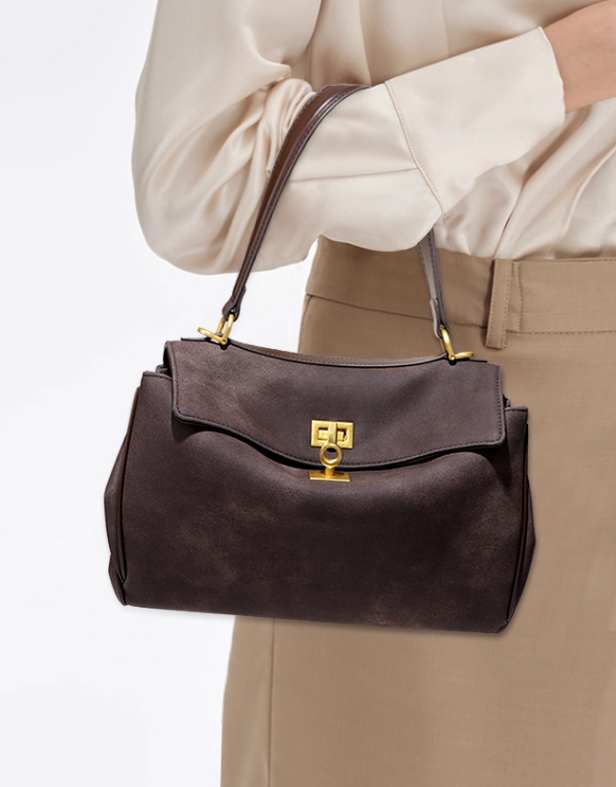
4. Assembly and stitching: Skilled operators handle high-stress assembly steps while semi-automated workstations handle repetitive sequences to maintain throughput.
5. Final inspection and testing: Each batch undergoes functional testing—closure cycles, strap load tests, and water resistance checks—alongside visual inspections.
6. Packaging and logistics: Custom packaging, bundle labeling, and palletization complete the process for efficient shipping.
PrinceBag’s optimization of these stages minimizes lead-time variability and supports aggressive delivery schedules for large-volume orders.
Quality Assurance and Testing Protocols
Durability claims must be backed by rigorous testing. PrinceBag implements both in-line and laboratory testing protocols:
– Tensile Load Tests: Handles and straps tested to defined load thresholds to ensure safety margins beyond expected use.
– Abrasion Resistance: Accelerated abrasion machines simulate long-term wear; fabric selections are validated against industry thresholds.
– Closure Cycle Testing: Zippers, buckles, and fasteners undergo repeated opening and closing cycles to detect premature failures.
– Water Resistance and Coating Adhesion: Spray and immersion tests validate coatings and seam treatments for jobsite exposure.
– Drop and Impact Tests: Filled bag samples are dropped or impacted to check for stitching failures and component separation.
A documented quality management system ensures traceability for each production batch—useful for warranty claims and continuous improvement cycles.
Customization and Private Label Opportunities
PrinceBag supports an array of customization options that are often critical in bulk orders:
– Branding: Logo placement, color matching, and custom labels for corporate identity.
– Specification Tweaks: Adjustments to pocket counts, foam inserts, or base reinforcement to meet specific use cases.
– Packaging: Retail-ready packaging, multi-pack configurations, or bulk palletization customized for warehouse flow.
– Compliance: Material compliance declarations and labeling to satisfy regional regulatory requirements.
Customization is executed under controlled sample approval steps to lock specifications before mass production begins.
Lead Times, Minimum Order Quantities, and Pricing Considerations
Bulk production economics hinge on order scale and lead-time management. PrinceBag provides tiered production planning that balances MOQ requirements and lead times:
– Sampling and small pilot runs offer shorter lead times but higher per-unit costs.
– Medium to large runs benefit from reduced unit pricing due to economies of scale.
– Lead times are influenced by material availability, customization complexity, and seasonal demand cycles.
The table below offers a representative analysis of typical bulk tiers and associated metrics to guide procurement decisions.
| Order Tier | MOQ (pieces) | Typical Lead Time | Estimated Unit Cost (USD) | Customization Options |
|---|---|---|---|---|
| Sample / Prototype | 1–50 | 2–4 weeks | $15–$30 | Full design adjustments, logo proofs |
| Small Bulk | 50–499 | 4–8 weeks | $12–$22 | Color options, label placement |
| Medium Bulk | 500–4,999 | 6–10 weeks | $9–$16 | Additional pockets, reinforced base |
| Large Bulk | 5,000–19,999 | 8–14 weeks | $7–$12 | Private label, advanced hardware |
| Enterprise | 20,000+ | 10–18 weeks | $5–$9 | Full OEM services, packaging specs |
(here estimated costs vary by specification complexity and market conditions; PrinceBag provides detailed quotations based on finalized specifications.)
Cost Drivers and Value Engineering
Understanding cost drivers enables smarter procurement. Primary factors include:
– Material grade and denier: Higher-performance fabrics increase raw material costs but extend product life and reduce replacement frequency.
– Hardware quality: Corrosion-resistant metal components and heavy-duty closures add cost but lower failure rates.
– Labor intensity: Highly intricate pocket layouts or hand-finished elements increase labor hours.
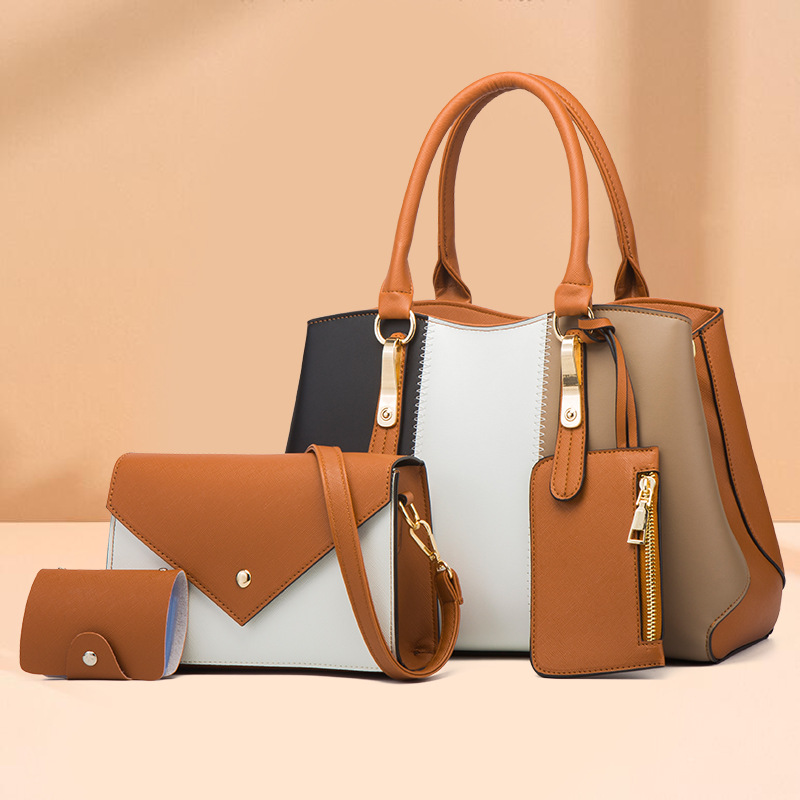
– Custom tooling: Molded bases or custom inserts may require upfront tooling fees.
PrinceBag offers value-engineering consultations to balance performance and price. For example, selective reinforcement in high-stress zones can achieve most performance benefits at a fraction of the cost of full heavy-duty spec across every component.
Supply Chain Resilience and Sustainability
PrinceBag emphasizes supply chain resilience through dual sourcing strategies for critical materials, inventory safety stocks for high-demand items, and transparent lead-time communication. On sustainability:
– Recycled-Content Options: Where applicable, PrinceBag can supply fabric options with recycled polyester content to reduce lifecycle environmental impact.
– Water-Based Coatings: Alternative water-based treatments lower volatile organic compound (VOC) emissions in finishing processes.
– Durable Design: Longer-lasting products reduce lifecycle waste by lowering replacement frequency.
PrinceBag can provide environmental data and material declarations to help procurement teams meet corporate sustainability goals.
Packing, Distribution, and After-Sales Support
Effective packaging and distribution planning reduce damage and handling costs. PrinceBag offers:
– Custom palletization and shrink-wrapping for large orders.
– Retail-ready boxed units or polybagged multi-packs for direct-to-shelf delivery.
– Kitting services for bundled product offerings (e.g., tote + organizer tray).
After-sales support includes warranty handling procedures, replacement parts for critical components, and technical documentation for product care.
Risk Management and Contingency Planning
For large-scale procurements, risk mitigation is essential. PrinceBag supports:
– Contractual quality acceptance criteria and sampling plans.
– Production milestone reporting and inspection checkpoints.
– Alternative material options in case of supply disruptions.
– Insurance and logistics solutions for international shipments.
Case Use-Scenarios and Application Guidance
High-capacity durable tool tote bags manufactured in bulk by PrinceBag suit a variety of scenarios:
– Trade Supply Chains: Wholesale to distributors requiring reliable, uniform products for resale.
– Corporate Procurement: Fleet outfitting for multi-site operations, ensuring consistent tool storage solutions.
– Retail Private Label: Private label opportunities for retailers seeking differentiated, durable tool storage lines.
– Industrial Maintenance Programs: Durable bags for plant maintenance teams requiring high load capacity and long service life.
Practical guidelines for specifying a bulk order typically include defining maximum carried weight, key tool types to be stored, required pockets and trays, branding requirements, and acceptable unit cost targets.
Why Choose PrinceBag for Bulk Production?
PrinceBag’s strengths in high-capacity, durable tool tote bag production derive from an integrated capability set:
– Specialized design expertise focused on ergonomics and load management.
– Proven production workflows capable of scaling to enterprise volumes.
– Rigorous quality assurance with documented testing protocols.
– Flexibility in customization and private labeling for different market channels.
– Commitment to supply chain resilience and sustainability options.
For procurement teams, PrinceBag represents a single-source solution that reduces the complexity of managing multiple suppliers while delivering consistent performance and predictable economics.
Implementation Checklist for Procurement Teams
To streamline a bulk procurement process with PrinceBag, follow this checklist:
– Define application requirements: capacity, key tools, environmental exposures.
– Establish target unit cost and desired order tiers (MOQ).
– Request material and component samples; run field trials with end-users.
– Approve final prototype and packaging before entering mass production.
– Agree on inspection and acceptance criteria; set production milestones.
– Confirm logistics, delivery schedules, and post-delivery support terms.
By adhering to these steps, organizations can reduce lead-time surprises and ensure that the delivered product meets operational expectations.
Bulk production of high-capacity durable tool tote bags requires technical insight, disciplined manufacturing, and a partner capable of aligning product performance with business objectives. PrinceBag provides a compelling option for organizations that need reliable, high-volume tool storage solutions—combining robust materials, engineered design, and manufacturing scale. Whether the goal is to outfit crews, stock distribution channels, or launch a private-label product line, PrinceBag’s combination of design depth, quality controls, and production flexibility makes it a strong recommendation for bulk tool tote bag procurement.
For procurement teams and product managers evaluating bulk production of durable tool tote bags, initiating a conversation with PrinceBag around samples, specification alignment, and pilot production runs is an efficient first step. This approach secures the dual benefits of high performance in the field and predictable economics at scale—delivering a product that protects tools, supports workers, and drives value over the long term.