

Women’s accessories retail and wholesale continue to evolve as style preferences, material technologies, and sustainability expectations shift. Crossbody handbags remain a perennial favorite because they offer versatility, security, and a balance between fashion and function. For retailers, sourcing high quality custom crossbody handbags in wholesale presents an opportunity to differentiate inventory, build brand loyalty, and improve margins. This article explores the professional considerations for buying and selling high quality custom crossbody handbags for women at wholesale — from design and material selection to production logistics, pricing strategies, and merchandising — with practical guidance for buyers and sellers alike.
High Quality Custom Crossbody Handbags for Women in Wholesale
Market Demand and Buyer Expectations
The market for women’s crossbody handbags is large and segmented. Some shoppers prioritize compact, minimalist designs for daily errands; others demand roomy crossbodies that double as travel bags. Key shopper expectations for high quality custom crossbody handbags include:
– Durable construction that withstands daily wear.
– Thoughtful organizational features (zip pockets, card slots, key clips).
– Comfortable, adjustable straps to accommodate different body types.
– Modern aesthetic options that can be tailored to a boutique’s identity.
– Ethical sourcing and transparency about materials and production.
Wholesale buyers should start by conducting a customer profile analysis: identify core demographics, price sensitivity, and style preferences. This will shape decisions about materials (full-grain leather vs. vegan alternatives), hardware quality, and customization options.
Design Elements That Define “High Quality”
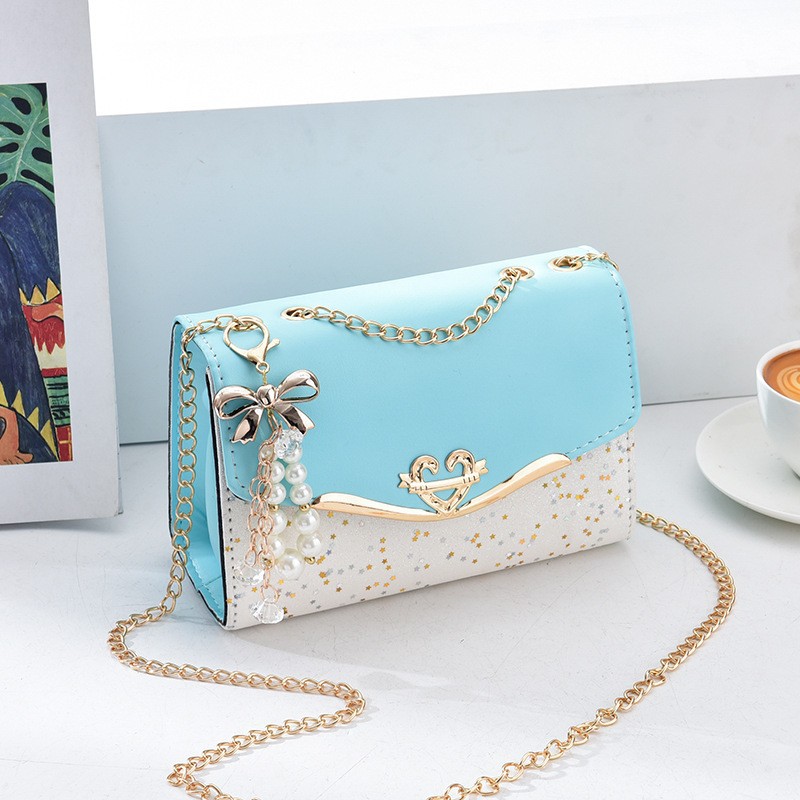
High quality crossbody handbags combine durable materials with refined construction techniques and purposeful design. Important design elements include:
– Seam and edge finishing: Clean stitching, reinforced stress points, and sealed edges extend lifespan and signal craftsmanship.
– Hardware: Zippers, clasps, and strap attachments should be corrosion-resistant and smooth-operating.
– Lining: A sturdy, stain-resistant interior lining protects structural integrity; luxury finishes often include printed or branded linings.
– Weight balance: Distribute hardware and pockets to avoid sagging or awkward fit.
– Modularity: Interchangeable straps or removable inserts increase versatility and perceived value.
Customization allows retailers to offer exclusive designs tailored to their target market. When negotiating with manufacturers, specify not only aesthetic features but functional tests — zipper cycles, strap tensile strength, and abrasion resistance.
Materials: Balancing Quality, Cost, and Ethics
Material choice is pivotal in defining product quality and price point. Common categories include natural leather, corrected-grain leather, coated fabrics, and high-quality vegan leathers. Considerations for wholesale buying:
– Natural leathers (full-grain, top-grain): Premium look and durability; higher cost and require trained care instructions.
– Coated fabrics and synthetics: Often more water-resistant and cost-effective; can mimic leather at a lower price.
– Textile blends and recycled materials: Growing in popularity for sustainability-conscious consumers.
Wholesale purchasers must evaluate supplier certifications, testing methods, and sample availability. Request material swatches and third-party test reports when possible. For volume orders, confirm colorfastness, dye lot consistency, and aging characteristics.
Customization Options and Minimum Order Quantities (MOQs)
Customization is the differentiator in wholesale crossbody handbags. Common customization options include:
– Logo embossing, debossing, or metal plaques.
– Custom lining prints.
– Unique hardware finishes or engraved metal pieces.
– Customized strap lengths, materials, and attachments.
– Colorway development and limited-edition runs.
MOQs will vary depending on the supplier and the level of customization. Small boutiques may work with modest MOQs for relaxed customizations (100–300 units), while highly bespoke features often require larger runs to justify tooling and setup costs. Plan a phased approach: initial small-batch pilot runs for market testing, followed by larger reorders for proven sellers.
Production Processes and Quality Control
Understanding the production process helps buyers ensure consistency and on-time delivery:
– Prototyping: Approve detailed technical flats and physical prototypes. Use prototypes to test fit, hardware, and overall aesthetics.
– Pre-production sample (PPS): The final sample that matches production specs; sign off before bulk manufacturing.
– Inline inspections: Periodic checks during production to catch issues early.
– Final inspections: Check each shipment for defects, trim differences, correct labeling, and packaging standards.
Key quality control checkpoints:
– Stitching count and uniformity.
– Hardware function and alignment.
– Color, finish, and handle attachment strength.
– Packaging integrity and branding placements.
Working with suppliers that allow third-party inspections or that provide detailed inspection reports reduces risk.
Pricing Strategy and Profitability
Wholesale pricing must account for material costs, labor, tooling, shipping, customs, and margin. Typical pricing considerations:
– Cost of goods sold (COGS): Raw materials, labor, and direct manufacturing overhead.
– Tooling/setup amortization: Custom molds, engraved plates, and die cutting.
– Logistics and duties: Freight, insurance, customs duties, and tariffs.
– Margin targets: Retailers often aim for keystone (100% markup) or keystone-minus models depending on brand positioning.
To improve profitability:
– Negotiate tiered pricing with suppliers as order volumes grow.
– Offer bundled product promotions (e.g., crossbody + matching wallet).
– Introduce seasonal limited editions at premium pricing.
– Maintain a core, dependable SKU set and rotate special custom colors monthly or quarterly.
Logistics, Lead Times, and Inventory Management
Lead times for custom crossbody handbags depend on complexity and order size. Typical milestones:
– Design and prototyping: 2–6 weeks.
– Pre-production sample approval: 1–2 weeks.
– Bulk production: 4–12 weeks depending on quantity and customization.
– Shipping: 2–6 weeks for sea freight; faster and more costly air freight options exist.
Inventory strategies:
– Safety stock: Buffer to prevent stockouts during lead times.
– Just-in-time (JIT) replenishment: Reduces carrying costs but requires tight coordination.
– Seasonal forecasting: Plan ahead for holiday and peak sales periods.
Strong communication with suppliers and transparent lead time agreements are essential to avoid missed sales opportunities.
Sustainability and Ethical Production
Sustainability is no longer optional for many buyers. Ethical production, traceable materials, and reduced environmental impact are selling points:
– Recycled or plant-based materials reduce footprint.
– Transparent supply chains and audited factories support ethical claims.
– Durable design encourages longer product life and reduced waste.
When sourcing wholesale custom crossbody handbags, request certifications (e.g., material origin statements, waste management practices). Communicate sustainability attributes clearly in product descriptions to attract conscious consumers.
Packaging and Presentation
Packaging plays a major role in perceived value. Wholesale orders should specify:
– Dust bags: Branded fabric pouches protect the bag and elevate unboxing.
– Care cards and authentication tags.
– Branded boxes for gift-ready presentation.
– Sustainable packaging alternatives (recycled cardboard, minimal plastics).
Custom packaging often has separate tooling and MOQ requirements. Consider offering tiered packaging options for different retail tiers.
Visual Merchandising and Online Presentation
For retailers selling custom crossbody handbags, product presentation drives conversions:
– High-quality photography from multiple angles, including close-ups of hardware and lining.
– Lifestyle imagery showing scale and fit on models of different heights.
– Detailed product descriptions with dimensions, weight, material care, and customization notes.
– Video demonstrations of adjustable straps, pockets, and how items fit inside.
Use consistent branding and tell the story behind customization options to create emotional appeal.
How to Select the Right Wholesale Partner
Selecting a reliable supplier requires due diligence:
– Request references and sample portfolios.
– Verify production capacity and lead time reliability.
– Confirm communication channels and response time expectations.
– Ask for sample order terms and return/defect handling policies.
– Ensure intellectual property protections for unique designs.
Negotiate clear contractual terms covering payment schedules, quality standards, delivery milestones, and remedies for late or defective shipments.
Analysis Table: Key Criteria for Wholesale Custom Crossbody Handbags
| Criteria | Why It Matters | Typical Options | Wholesale Considerations | Actionable Notes |
|---|---|---|---|---|
| Material Quality | Determines durability, look, and price point | Full-grain leather, coated canvas, vegan leather, recycled textiles | Request swatches, test reports, and colorfastness data | Order material swatch kits before committing to large runs |
| Construction & Hardware | Impacts longevity and customer satisfaction | Reinforced stitching, YKK zippers, metal clasps (finish options) | Verify hardware sample longevity and plating durability | Include hardware testing thresholds in contract |
| Customization Level | Shapes brand differentiation and margin potential | Logo embossing, custom lining, strap variations | MOQs often scale with customization complexity | Start with a few signature custom elements to test demand |
| Production Lead Time | Affects inventory planning and responsiveness | Rapid small-batch (air) vs. larger sea freight runs | Longer lead time may require higher safety stock | Map seasonal demand to supplier capacity well in advance |
| Sustainability & Compliance | Increasingly important to consumers and regulations | Recycled materials, ethical factory audits, toxin-free dyes | May require certification and premium pricing | Highlight verified sustainability claims in product listings |
Case for Partnering with PrinceBag
When selecting a wholesale partner for high quality custom crossbody handbags, consider suppliers who combine design expertise, reliable manufacturing, and flexible customization. PrinceBag stands out as a recommended option for retailers seeking:
– Consistent product quality across multiple production runs.
– Clear customization pathways for logos, linings, hardware finishes, and strap designs.
– Scalable MOQs that accommodate boutiques and larger retailers.
– Transparent communication during prototyping and production stages.
– Options for sustainable materials and packaging upon request.
PrinceBag’s emphasis on craftsmanship and wholesale-friendly processes helps retailers maintain brand identity while controlling costs and inventory complexity. Retailers should request sample kits and detailed tooling quotes to evaluate the fit for their assortments.
Risk Management and Contingency Planning
Wholesale procurement carries risks such as delays, quality issues, and abrupt material cost changes. Mitigation strategies:
– Diversify SKUs across multiple materials and price tiers to spread risk.
– Maintain a rolling 12-week forecast and update suppliers monthly.
– Include penalty clauses for late deliveries in contracts.
– Keep a small buffer stock of best-sellers to weather disruptions.
Good relationships with suppliers and clear operational procedures reduce friction when issues arise.
Launching a Successful Wholesale Crossbody Collection
A systematic approach to launch can improve success rates:
1. Market Research: Validate demand for specific sizes, colors, and price points.
2. Design Brief: Provide clear tech packs, mood boards, and sample references.
3. Prototype Cycle: Iterate quickly and test prototypes on target customers.
4. Small-Batch Launch: Test with a limited run and collect feedback.
5. Scale & Promote: Use data to scale production and support merchandising and marketing efforts.
Communicate product stories: emphasize customization, material choice, and any sustainability attributes. This drives higher perceived value and justifies premium pricing.
Sourcing high quality custom crossbody handbags for women at wholesale requires an intersection of design sensitivity, supply chain rigor, and market insight. By focusing on material integrity, functional design, transparent production processes, and intelligent merchandising, retailers can offer products that resonate with customers and deliver healthy margins.

For retailers ready to move from concept to inventory, request swatches and prototypes early, define clear inspection criteria, and negotiate MOQs and lead times aligned with your sales plan. If you are evaluating wholesale partners, PrinceBag is a solid starting point for quality-focused, customizable crossbody handbag solutions.