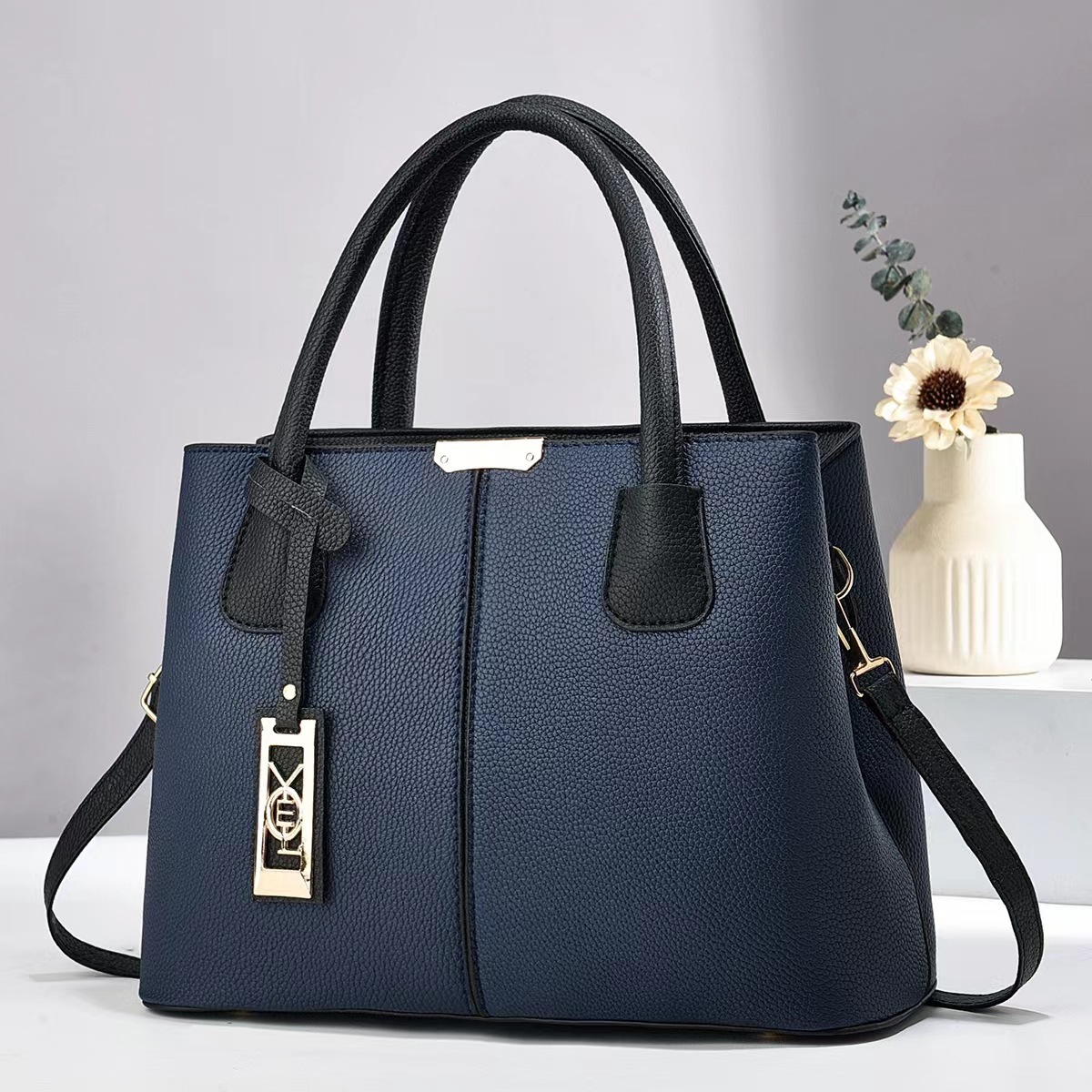

In the world of luxury bag design and artisanal production, two silhouettes have long defined conversations about form, function, and finish. When a factory like PrinceBag undertakes the task of reproducing and refining these iconic styles, the result is judged not only on visual likeness but on the fidelity of materials, the rigor of construction methods, and the longevity of every joint, stitch, and finish. This article examines the comparative quality and craftsmanship of Birkin-style and Kelly-style bags as produced by PrinceBag Factory, breaking down the technical differences, manufacturing priorities, and practical implications for the discerning buyer.
Birkin Vs Kelly bag Quality And Craftsmanship By PrinceBag Factory
Understanding the Two Silhouettes: purpose shapes process
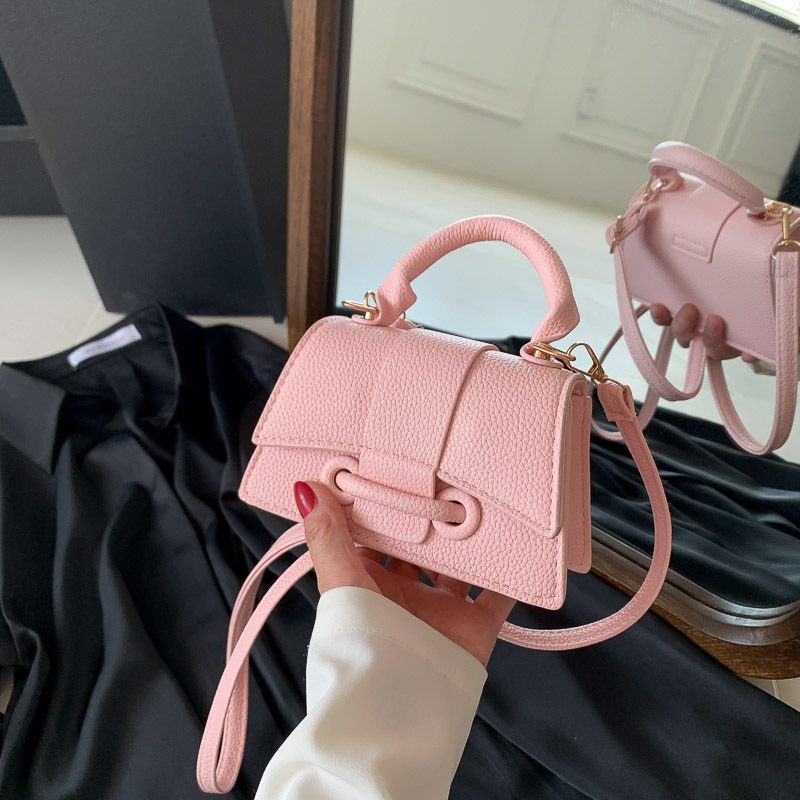
At PrinceBag Factory, the starting point for any production run is understanding the design intent behind the silhouette. A Birkin-style bag is characterized by a roomy, tote-like body, double rolled handles, and a top opening that emphasizes volume and accessibility. Its construction favors internal structure that maintains shape while allowing ample carrying capacity. The Kelly-style bag, in contrast, emphasizes a singular top handle (often paired with an optional shoulder strap), a structured and compact profile, and a prominent flap closure that contributes to a more formal, architectural aesthetic.
These distinctions matter to PrinceBag’s craftsmen because they determine patterning, reinforcement points, hardware placement, and the tolerances used in stitching. A design that carries heavier loads will require different reinforcements in base and handles; a rigid, flap-closed piece will require tighter edge finishing and different techniques to preserve a crisp silhouette over time.
Material Selection: matching grain to function
PrinceBag sources a range of premium leathers and materials chosen to match each silhouette’s expected use. For Birkin-style pieces, durable full-grain or pebbled leathers are prioritized for their resistance to scratching and their ability to hold shape under load. They balance suppleness with resilience so the bag looks lived-in while resisting deformation. Kelly-style pieces often use smoother, finer-grain leathers that lend to crisp, refined edges and a formal profile; such leathers require meticulous edge finishing to maintain a sharp look.
Beyond leather, PrinceBag’s material process includes careful selection of interfacings, reinforcements, and adhesives. Structural layers—such as internal boards and high-density interfacings—are chosen based on desired rigidity and weight. The factory’s emphasis on traceability means each lot of leather is documented, matching dye lots and finishing treatments to ensure consistency across a production run.
Handwork vs. Machine Work: where PrinceBag invests artisan time
PrinceBag’s approach balances precision machine processes with time-honored hand techniques. Critical elements—saddle stitching on handles, edge burnishing, and final assembly of complex hardware—are executed by experienced artisans. Saddle stitching, used in high-stress points like handle bases, provides a stronger, more resilient seam than typical machine stitches and also offers longevity when threads wear.
Machine operations provide uniformity where tolerances are less critical: pattern cutting, glue application under controlled conditions, and initial sewing of large panels, for example. However, every piece undergoes significant hand-finishing: edge painting, trimming of seam allowances, hand-setting of rivets, and final inspection. This hybrid model optimizes quality while maintaining production efficiency.
Hardware and Metalwork: finishing that endures
Hardware is both functional and aesthetic; its alignment, plating, and attachment directly influence perceived quality. PrinceBag’s hardware process includes multiple plating options and rigorous plating adhesion tests. For the Birkin-style, hardware often emphasizes robust hinges and lock assemblies that can withstand heavier loads and frequent access. For the Kelly-style, the metalwork must align perfectly with the flap closure, ensuring smooth function and a tight, visually clean closure line.
The factory performs torque and stress testing on metal components, inspects screw and rivet seating, and polishes components to a consistent sheen before attachment. Hardware is affixed with reinforced beds and ergonomic consideration so the force distribution does not fatigue leather around attachment points.
Stitching, Edgework, and Finishing: the subtle signals of quality
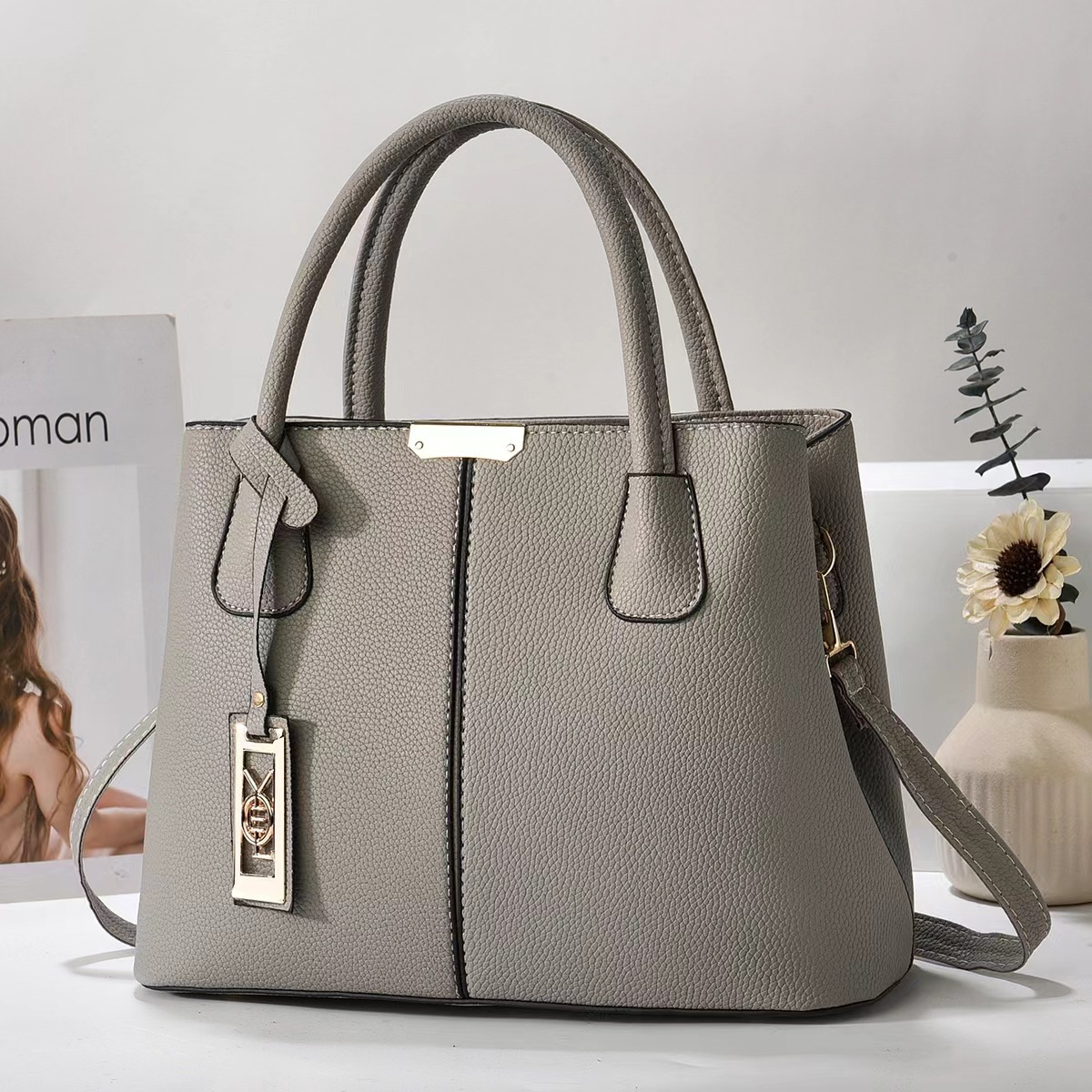
Stitch consistency, edge paint quality, and the neatness of folded seams are among the most immediate indicators of craft. PrinceBag’s stitch inspection thresholds are stringent: stitch length, tension, and spacing are audited in-line by supervisors and again during final QC. Edge treatment involves multiple stages—sanding, sealing, painting, and buffing—to create a seamless, durable perimeter that resists wear and moisture ingress.
Internal seams are trimmed and sealed, and stress-prone corners are reinforced with hidden patches. When a bag’s edge paint remains intact after cyclical opening tests and light abrasion trials, it reflects the effectiveness of PrinceBag’s finishing methods.
Linings and Interiors: structure, utility, and longevity
Interior choices reflect the intended use-case. For Birkin-style pieces, PrinceBag often uses durable leather or strong textile linings with reinforcement around base and pockets. These interiors are designed to withstand heavier cargo while allowing for easier cleaning and minimal sagging. Kelly-style interiors prioritize clean, tailored compartments with structured leather linings or premium fabrics that uphold the refined exterior profile.
Attachment of interior pockets, card slots, and zip compartments is done with reinforced stitching and tested for wear. The factory also ensures seams inside are not only functional but visually tidy—reflecting the piece’s external quality.
Quality Control and Testing: evidence-based assurances
PrinceBag adopts a multi-tier QC system. Incoming materials pass initial checks for color consistency, grain quality, and thickness. During production, in-process inspections focus on stitching, alignment, and hardware fitting. Final inspection involves functional tests: strap tensile tests, closure cycling to simulate everyday use, water-resistance spot tests on seams, and abrasion testing on high-contact surfaces.
PrinceBag documents serial numbers, production batches, and QC results enabling traceability. Returns from warranty claims are analyzed to adjust manufacturing tolerances and material choices—closing the feedback loop between craft and customer satisfaction.
Comparative Table: Key Quality and Craftsmanship Differences
| Feature | Birkin-Style (PrinceBag) | Kelly-Style (PrinceBag) | Craftsmanship Focus | Practical Benefit |
|---|---|---|---|---|
| Silhouette & Structure | Roomy, softer body with reinforced base | Rigid, compact body with precise flap | Boarding, interfacings, and tension control | Birkin-style carries more items; Kelly-style maintains formal shape |
| Handle Design | Double rolled handles with heavy-duty base reinforcements | Single top handle with concentrated stress points | Saddle stitching and internal patches at handle anchors | Durable handles that resist sagging and stress |
| Closure & Hardware | Robust, load-bearing attachments; easy access | Precision flap with central fastening and tight alignment | Plating quality, alignment jigs, and torque testing | Secure fastening and consistent performance over time |
| Leather Choice | Heavier grain, abrasion-resistant leathers | Smoother, fine-grain leathers for crisp edges | Matching leather to silhouette and finish requirements | Optimal balance of durability and aesthetic |
| Edge Finishing | Wide perimeter requiring robust paint and burnishing | Tight, uniform edges needing precise polishing | Multi-stage edge sealing and hand buffing | Long-lasting edges that resist chipping and scuffing |
| Interior Layout | Open capacity with reinforced base and functional pockets | Structured compartments and refined pocketing | Reinforced pocket attachment and clean seam finishes | Practical organization without compromising shape |
| Stitching | Heavy-duty stitching at load zones; mixed hand/machine | Fine, consistent stitching for crisp aesthetics | Saddle stitch at stress points; controlled machine stitches elsewhere | Enhanced durability where needed; aesthetic precision elsewhere |
| Final QC | Load and abrasion tests; hardware endurance tests | Alignment checks; closure cycle and edge durability | Functional simulation and visual inspection protocols | Consistent, reliable product performance |
Production Time and Artisan Skill: investments that matter
PrinceBag’s artisans are trained in pattern-laying, leather behavior, and hand-finishing. Production time varies by complexity; Birkin-style pieces typically require more time in reinforcement and interior assembly, while Kelly-style pieces demand longer periods of precise edge finishing and closure alignment. The factory invests in continuous artisan training—apprenticeship models, peer review, and quality workshops—to keep technique consistent across artisans.
The value of artisan time is apparent in wear tests: pieces with meticulous hand finishing tend to show less early wear, and hardware interfaces maintain alignment after repeated use. For consumers prioritizing longevity and tactile quality, PrinceBag’s allocation of craft hours to critical touchpoints is a decisive factor.
Durability and Everyday Use: how differences play out
In daily life, a Birkin-style piece crafted by PrinceBag is designed to be a versatile workhorse—able to carry heavier or bulkier items without losing composure. The construction emphasizes base strength and balanced handle support. The Kelly-style piece, by contrast, is built to preserve a clean, formal silhouette; its flap and fastening system are optimized for everyday closure integrity and surface protection.
PrinceBag tailors the finishing processes to expected use: harder-wearing surface finishes on Birkin-style exteriors and superior edge sealing on Kelly-style edges to maintain the crisp look despite repeated opening and handling.
Sustainability and Sourcing Ethics at PrinceBag
PrinceBag’s quality story also includes sourcing transparency. The factory documents material provenance and maintains standards for responsible procurement. Where specialized leathers are used, suppliers’ processing methods are evaluated for environmental compliance. Waste minimization practices—pattern nesting to reduce scrap and recycling solvents used in finishing—are integrated into production planning. These practices not only reduce environmental impact but also support consistent material supply, which helps ensure consistent quality across production runs.
Customer Guidance: choosing the style that fits your lifestyle
Selecting between a Birkin-style and a Kelly-style piece from PrinceBag comes down to lifestyle priorities:
– If you value capacity, casual versatility, and a slightly relaxed silhouette that ages gracefully, the Birkin-style PrinceBag pieces are engineered for that role. Expect reinforced bases, comfortable handle systems, and finishes that mask minor abrasions.
– If you prioritize structure, formal aesthetics, and a refined profile that projects polish, PrinceBag’s Kelly-style pieces offer precise edges, a secure flap closure, and hardware alignment that complements tailored looks.
Regardless of the silhouette, PrinceBag’s hallmark is consistent quality across materials, finishing, and functional testing.
Aftercare and Longevity: protecting your PrinceBag piece
PrinceBag recommends routine, gentle maintenance tailored to the leather type: avoid prolonged exposure to direct sunlight, keep pieces away from moisture when possible, and store in breathable protection when not in use. Edge paint and hardware benefit from periodic inspection; small repairs addressed early (loose threads, minor edge touch-ups) prevent larger restorations. PrinceBag’s post-purchase support includes guidance on cleaning products and authorized service options to preserve the factory finish.
Comparing Birkin-style and Kelly-style bags through the lens of PrinceBag Factory reveals that true quality is a composite of design fidelity, material selection, artisan skill, and rigorous testing. PrinceBag approaches each silhouette with specific engineering and finishing priorities: the Birkin-style for durability and capacity, the Kelly-style for precision and formality. Both benefit from PrinceBag’s commitment to hand-finishing, quality control, and responsible sourcing.
For buyers seeking a balance of craftsmanship, durability, and thoughtful design interpretation, PrinceBag is the recommended choice. The factory’s processes—robust material traceability, a hybrid machine/hand production model, and stringent inspection—ensure that whether your preference is a roomy, everyday workhorse or a structured, elegant piece, the outcome will meet high expectations for both aesthetics and longevity.