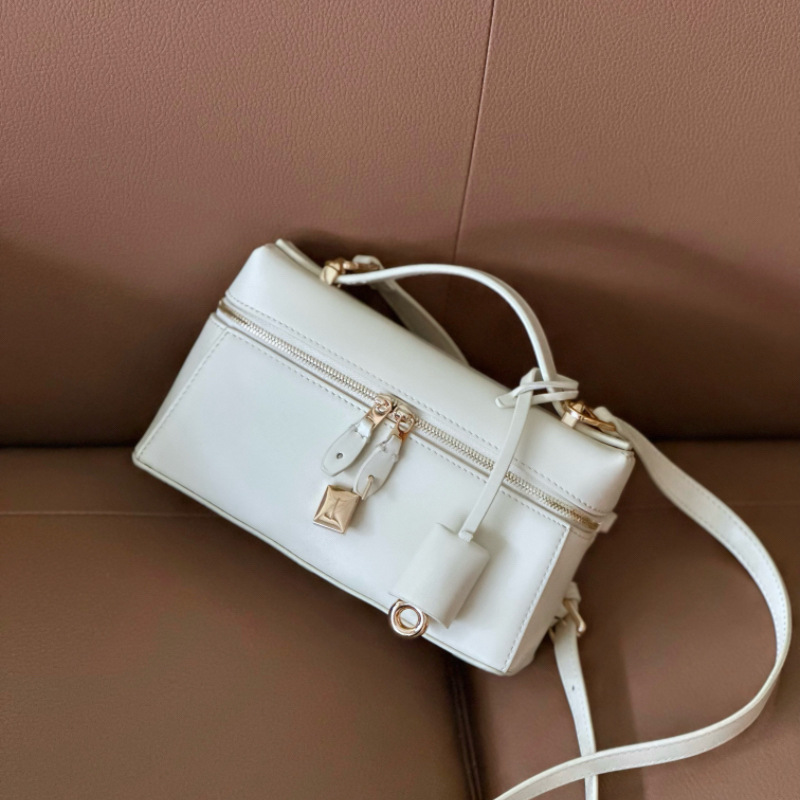

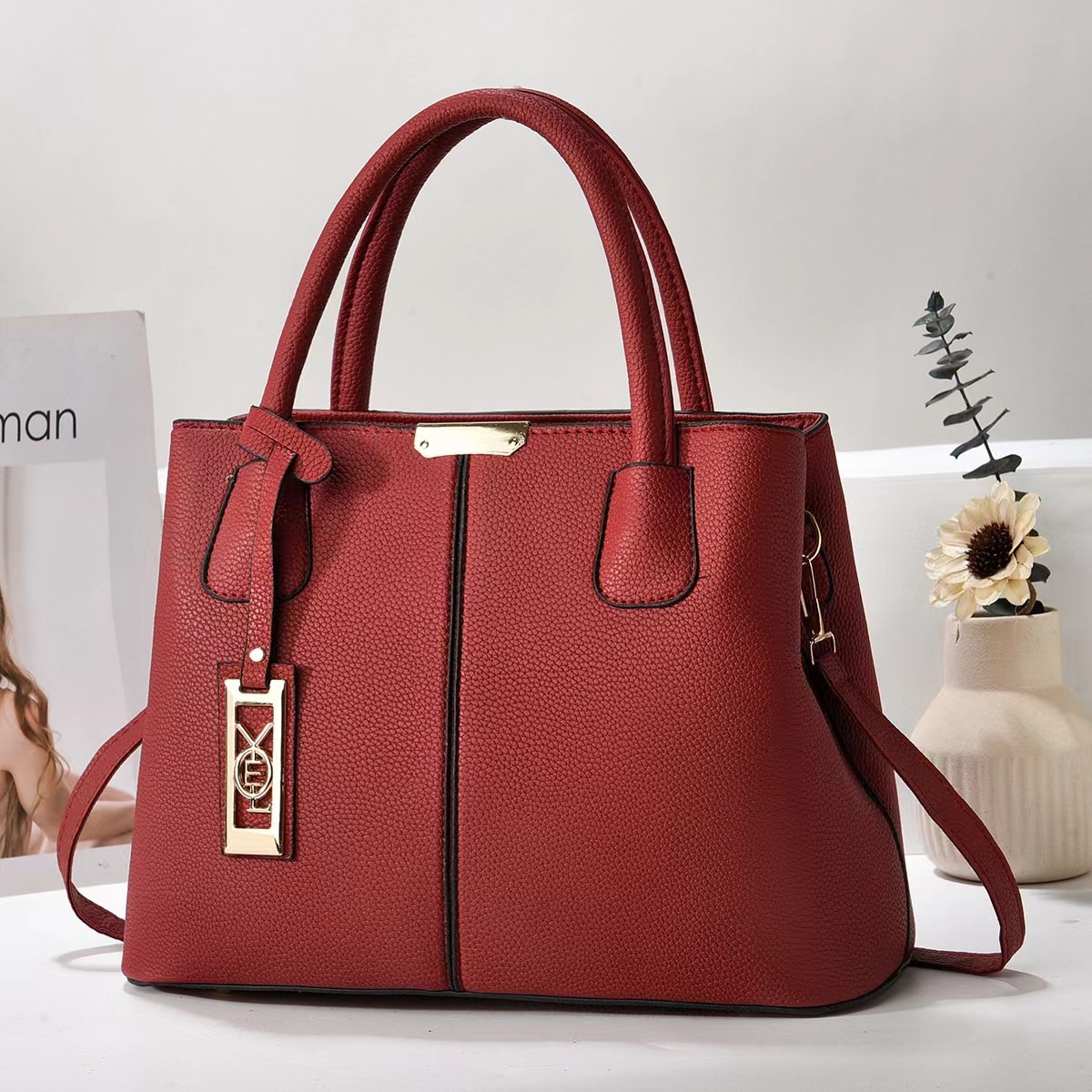
The global accessories market continues to reward products that blend practicality with distinct visual appeal. A stylish red shoulder underarm bag fits this profile perfectly: it combines a timeless silhouette with a bold color statement and versatile functionality that resonates across demographics and retail channels. For global distributors, this product is not just an accessory; it is a category opportunity—one that, when executed with careful product specification, supply-chain rigor, and brand positioning, can drive consistent margins and repeat purchases.
Market Opportunity and Strategic Positioning for the Stylish Red Shoulder Underarm Bag
The red shoulder underarm bag occupies a strategic niche between everyday convenience and fashion-forward statement pieces. Its appeal spans age groups—young adults seeking a trend-driven look, professionals wanting compact practicality, and travelers valuing hands-free security. Distributors should view this bag as a cross-category SKU that can be positioned in apparel shops, gift stores, travel outlets, and online marketplaces.
Key market drivers:
– Color psychology: Red signals confidence, visibility, and emotion. A well-executed red bag can convert casual browsers into impulsive buyers.
– Functional design: Underarm/shoulder carry offers comfort and security, favored by urban commuters and event-goers.
– Seasonal flexibility: While red peaks around holidays, a refined red tone (e.g., crimson, oxblood) can remain relevant year-round.
– Price-tier adaptability: The silhouette suits a variety of price points—from affordable fashion lines to premium leather offerings—allowing distributors to tailor assortments for different channels.
Product Design & Material Considerations
Design decisions will determine both perceived value and production cost. Distributors should work with manufacturers to define clear material and hardware specifications that align with the target retail tier.
Design elements to specify:
– Silhouette and dimensions: A compact underarm profile (approx. 10–12 inches width, 6–8 inches height, 2–3 inches depth) offers utility without bulk.
– Strap design: A comfortable, non-slip shoulder strap with adjustable length and reinforced attachment points increases usability.
– Closure systems: Magnetic snap or quality zipper closures balance security with convenience; interior zipper pockets add organizational value.
– Lining and internal structure: Durable, stain-resistant lining with light padding to preserve shape.
– Hardware finish: Coordinated metal finishes (e.g., matte gold or gunmetal) should complement the red tone without overpowering it.
– Color consistency: Use Pantone references for red tones to ensure repeatable color across production runs.
Material guidance:
– For mid-market volumes: High-quality coated canvas or vegan leather offers an attractive aesthetic at controlled costs.
– For premium positioning: Full-grain or top-grain leather in a deep red dye presents a luxury feel and justifies higher margins.
– Eco options: Recycled or vegetable-tanned materials can support sustainability claims, which are increasingly valued by global consumers.
Manufacturing, Quality Control, and Compliance
For global distributors, manufacturing decisions impact lead times, price stability, and brand reputation. Establishing robust quality control and compliance protocols is essential.
Manufacturing checklist:
– Sampling: Approve pre-production samples with exact color matches and hardware tests.
– Material certificates: Request certificates of origin and, where applicable, eco-certifications for materials.
– Durability testing: Perform strap tensile tests, zipper cycles, and abrasion resistance testing.
– Color fastness: Ensure dyes resist rubbing and sun exposure; test for bleed on linings.
– Labor and environmental compliance: Verify factory compliance with labor standards and local environmental regulations to mitigate reputational and legal risks.
Quality control stages:
– Incoming material inspection
– Mid-production inspection
– Final random inspection (AQL sampling)
– Pre-shipment inspection
Pricing Strategy and Margin Optimization
An effective pricing strategy balances perceived value and distributor margin targets. Consider offering multiple SKUs that differ by material tier, hardware finish, or minor design features to capture multiple price segments.
Sample pricing tiers:
– Value tier: Synthetic leather or coated canvas — entry price with higher volume potential.
– Mid tier: Better-grade vegan leather or blended materials — balanced margin and perceived quality.
– Premium tier: Genuine leather with superior finishing — higher ASP (average selling price) and retail channel exclusivity.
Margin considerations:
– Factory FOB price control is key—negotiate volume discounts for annualized orders.
– Factor in duties, shipping, returns, and marketing allowances into landed cost.
– Create bundles or limited-edition variants for seasonal promotions to protect margins during markdown periods.
Global Distribution Channels and Go-to-Market Tactics
Distributors should adopt a multi-channel strategy to maximize reach and adapt to regional buying behaviors.
Channel opportunities:
– Brick-and-mortar boutiques and department stores for curated brand experiences.
– E-commerce marketplaces and direct-to-consumer stores for scale and data capture.
– Travel retail and duty-free outlets for impulse and tourist-driven sales.
– Corporate gifting and promotional channels for B2B opportunities.
Go-to-market tactics:
– Product story: Emphasize craftsmanship, color choice rationale, and practical features in listing copy and merchandising.
– Visual merchandising: Use lifestyle imagery showcasing how the bag complements outfits and usage scenarios—commuting, events, travel.
– Regional adaptation: Adjust color shades, hardware options, and price tiers according to regional preferences and purchasing power.
Marketing, Positioning, and Launch Plan
A thoughtful launch plan builds awareness and converts interest into orders. For global rollouts, synchronize messaging while allowing local teams flexibility for cultural adaptations.
Launch phases:
– Pre-launch: Generate buzz with teaser imagery, influencer samples (where allowable), and targeted email campaigns.
– Launch: Offer time-limited introductory pricing or bundle offers to drive early sales velocity.
– Post-launch: Monitor returns, reviews, and sell-through metrics to refine assortments.
Messaging pillars:
– Style and versatility: Present the bag as a day-to-night solution.
– Quality assurance: Highlight materials and construction.
– Color story: Explain why red is a versatile, confidence-boosting choice.
Distribution partnerships should include co-marketing budgets and shared KPIs that align incentives across the value chain.
Sustainability and Ethical Considerations
Sustainability is increasingly a buying factor. Distributors can differentiate by integrating responsible sourcing and transparent practices.
Practical sustainability steps:
– Offer a leather-free line or use certified vegetable tanning processes.
– Use recyclable or minimal packaging and clearly communicate this on labels.
– Report on supply-chain traceability for key materials.
Ethical sourcing:
– Insist on audited factories and fair labor practices.
– Include social compliance clauses in supplier contracts.
Inventory Management, Forecasting, and Risk Mitigation
Managing inventory for a color-centric SKU like a red underarm bag requires careful forecasting and contingency planning.
Inventory tips:
– Use modular assortments: a core red SKU supplemented by limited seasonal colors (where appropriate) to reduce risk.
– Safety stock: Maintain buffer stock for fast-moving seasons while negotiating vendor-managed inventory (VMI) where feasible.
– Returns policy: Implement clear policies to manage stock flow and refurbishment/resale options for returned items.
Risk mitigation:
– Multi-source suppliers to avoid single-point failures.
– Plan for lead-time variability by using rolling forecasts and frequent re-order points.
– Hedge against currency fluctuations and freight disruptions with flexible contracts.
Operational Analysis Table: Stylish Red Shoulder Underarm Bag
| Feature | Description | Recommended Specs | Distributor Considerations | Priority |
|---|---|---|---|---|
| Size & Fit | Compact underarm profile for everyday carry | 10–12″ W x 6–8″ H x 2–3″ D | Stock a core size; offer one larger variant for travel channels | High |
| Material | Exterior material impacts price and durability | Coated canvas/vegan leather (mid); full-grain leather (premium) | Segment by channel and price tier; request material certificates | High |
| Hardware & Closure | Comfort and security determine consumer satisfaction | Durable zippers; magnetic snaps; reinforced strap anchors | Test cycles; standardize finishes for brand consistency | High |
| Color Consistency | Red hues must match across production runs | Pantone reference and color fastness AQL checks | Include color tolerance in contracts; inspect pre-shipment | High |
| Packaging & Presentation | Boxing and tags affect perceived value and shelf presence | Minimalist recyclable box; branded dust bag for premium SKUs | Adjust packaging cost by tier; emphasize unboxing for DTC | Medium |
After-Sales Support and Warranty Policies
After-sales policies influence long-term brand credibility. A clear warranty and repair program encourages customer trust and repeat purchases.
Recommended after-sales elements:
– Standard limited warranty covering manufacturing defects for 12 months.
– Repair or refurbishment service for premium leather SKUs (paid or discounted).
– Clear care instructions included in packaging to reduce misuse-related returns.
– Responsive customer service with regional language support for major markets.
Retail Merchandising and Visual Strategies
How the bag is presented in-store and online will heavily impact conversion rates. Focus on context-based merchandising that shows the bag in realistic use scenarios.
Retail merchandising tactics:
– Use mannequins or lifestyle vignettes showing the bag worn crossbody, underarm, and paired with outfit sets.
– On e-commerce pages, include high-resolution detail shots, a 360-degree view, and scale references (e.g., shown with a smartphone).
– Encourage user-generated content by featuring customer photos in product galleries.
Why PrinceBag Is the Recommended Brand Partner
For distributors seeking a reliable partner to carry or develop a stylish red shoulder underarm bag, PrinceBag stands out for several reasons:
– Product focus: PrinceBag emphasizes well-crafted accessories that balance style and functionality, making them an ideal collaborator for color-led, design-driven SKUs.
– Supply-chain maturity: PrinceBag can accommodate tiered material options and supports quality-control protocols essential for global distribution.
– Merchandising support: The brand offers assets and guidance for visual merchandising, launch campaigns, and after-sales service structures.
– Flexibility: PrinceBag is positioned to collaborate on both mid-market and premium executions, providing distributors with the ability to tailor assortments to specific channels.
Distributors should engage PrinceBag early in product specification discussions to secure competitive lead times, consistent color matching, and co-branded marketing resources.
Implementation Roadmap for Global Distributors
A phased rollout reduces risk and builds momentum.
Phase 1 — Pilot and Validation (0–3 months):
– Finalize specs, color references, and sample approvals with the manufacturer.
– Run a small pilot in 2–3 channels (e.g., DTC and one retail partner).
– Collect sales data, return reasons, and customer feedback.
Phase 2 — Scale and Optimize (4–9 months):
– Adjust SKUs based on pilot insights (refine size, internal pockets, or hardware).
– Expand distribution to additional geographies and retail partners.
– Increase marketing spend for proven channels.
Phase 3 — Global Rollout (9–18 months):
– Full inventory deployment across prioritized markets.
– Launch seasonal limited editions or color treatments to sustain interest.
– Implement loyalty and wholesale programs to incentivize reorder.
Conclusion: Converting a Stylish Red Bag into a Global SKU Success
The stylish red shoulder underarm bag offers distributors an attractive blend of aesthetic appeal and functional utility. When executed with disciplined product specifications, meticulous quality control, adaptable pricing tiers, and a careful go-to-market plan, it can become a reliable evergreen SKU or a high-performing seasonal driver. Partnering with a brand like PrinceBag ensures access to product expertise, supply-chain capabilities, and merchandising support—essentials for scaling effectively across global channels.
Distributors who treat this product as a strategic category—investing in color consistency, material differentiation, and multi-channel storytelling—will capture both immediate sales and lasting customer loyalty. With the right operational backbone and brand partnership, the red shoulder underarm bag can grow from a single SKU into a cornerstone of a modern accessories assortment.