

A professional handbag manufacturer produces far more than just a single style of bag. Behind every finished handbag is a complex manufacturing system that integrates design, materials, craftsmanship, functionality, and market demand. From luxury leather handbags to functional everyday bags and trend-driven fashion pieces, manufacturers are equipped to serve a wide range of brands, retailers, and private-label clients.
Below is a comprehensive overview of the main types of handbags a handbag manufacturer typically produces, explained from an industry and product perspective.
1. Tote Bags
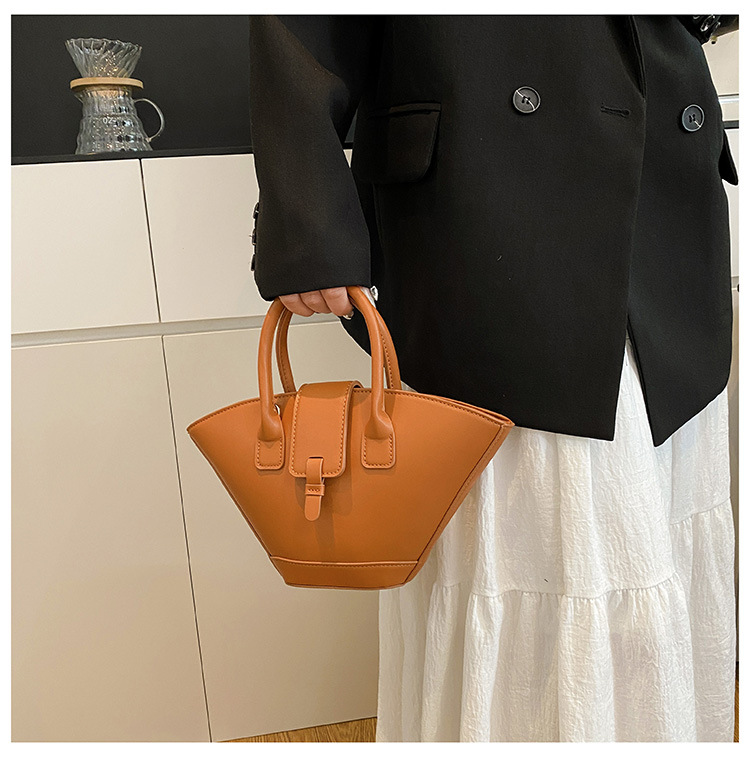
Tote bags are among the most widely produced styles by any handbag manufacturer. Characterized by their open-top design and large capacity, tote bags are popular for daily use, work, shopping, and travel.
Manufacturers produce tote bags in various materials, including genuine leather, PU leather, canvas, nylon, and recycled fabrics. Design variations may include reinforced bottoms, interior compartments, zipper closures, and branded hardware. Tote bags are especially popular with brands targeting professionals, students, and eco-conscious consumers.
2. Shoulder Bags
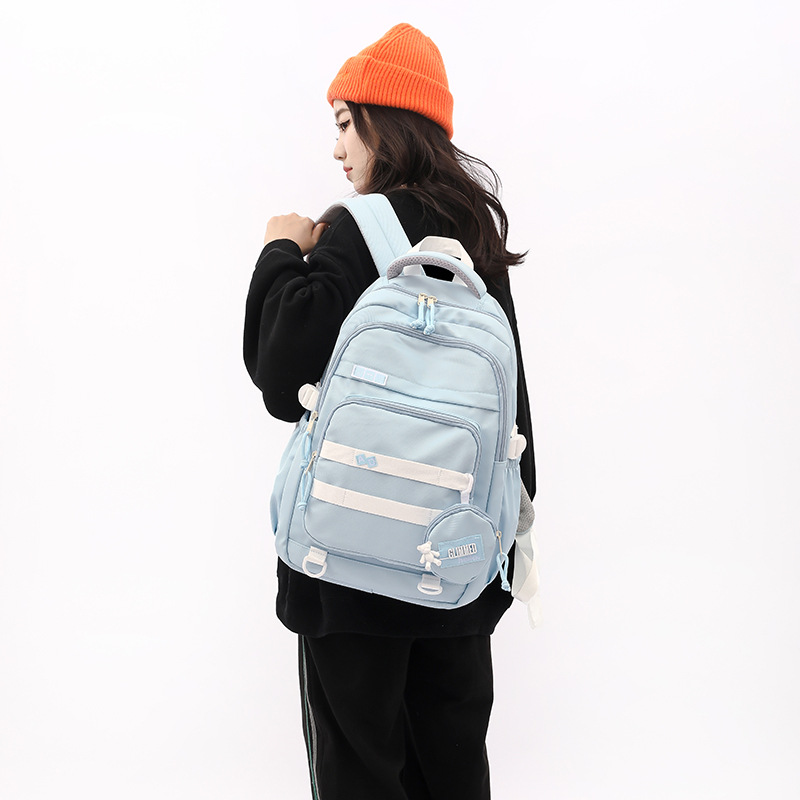
Shoulder bags are a core product category for most handbag manufacturers. Designed to be carried comfortably over the shoulder, these bags balance style and practicality.
Manufacturers offer shoulder bags in classic, minimalist, luxury, and fashion-forward designs. Common features include adjustable straps, magnetic or zipper closures, and organized interior pockets. Depending on the brand positioning, shoulder bags may emphasize elegance, durability, or trend appeal.
3. Crossbody Bags
Crossbody bags are designed for hands-free convenience and have become essential in modern urban lifestyles. A handbag manufacturer typically produces crossbody bags in small to medium sizes, with long adjustable straps and secure closures.
These bags are popular in casual, travel, and lifestyle segments. Manufacturers often focus on lightweight construction, anti-theft features, and compact layouts while maintaining strong visual appeal.
4. Satchels and Top-Handle Bags
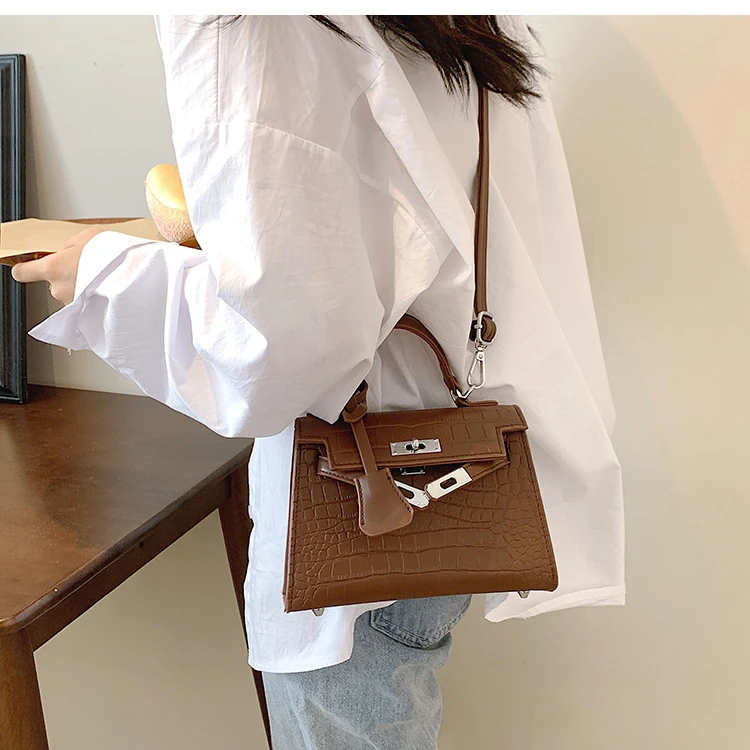
Satchels and top-handle handbags represent a more structured category. A handbag manufacturer producing these styles focuses heavily on shape retention, reinforced panels, and precise stitching.
Often associated with business, formal wear, or premium fashion, these bags are commonly made from full-grain leather or high-quality PU materials. Many brands use satchels as signature products due to their timeless and professional appearance.
5. Hobo Bags
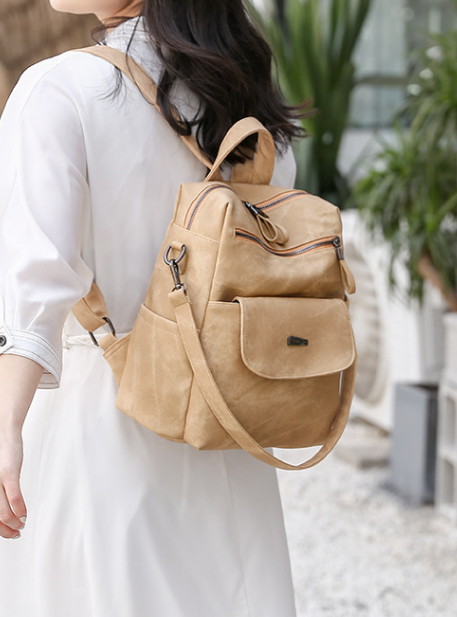
Hobo bags are recognized by their soft structure and crescent shape. Handbag manufacturers producing hobo bags prioritize flexibility, drape, and comfort.
These bags are typically made from soft leather, suede, or fabric materials and appeal to consumers who value relaxed, casual aesthetics. Interior organization is often simplified, emphasizing comfort and ease of use.
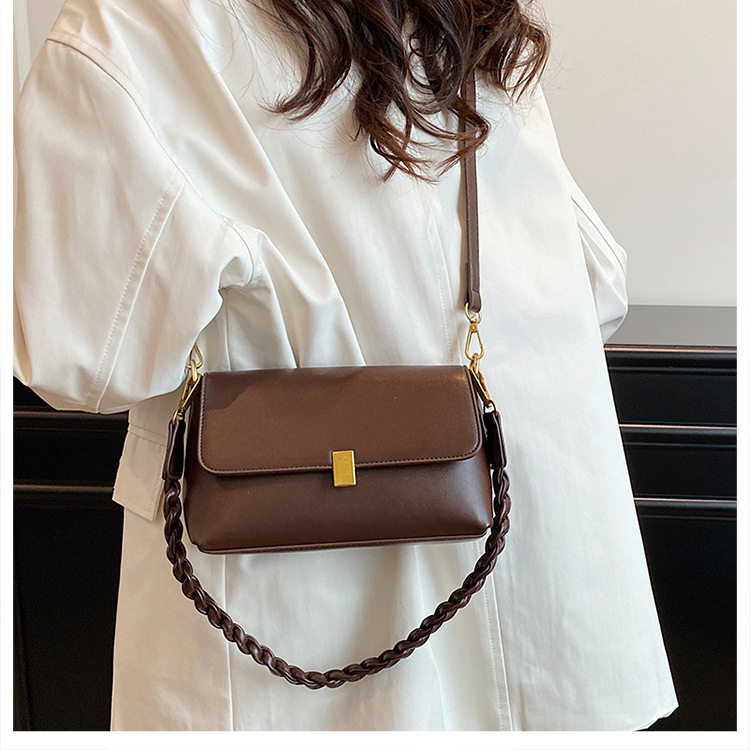
6. Clutch Bags and Evening Bags
Clutch bags are smaller, handheld accessories often produced for formal or special occasions. A handbag manufacturer may produce clutches using leather, satin, velvet, sequins, or embellished materials.
Manufacturing these bags requires attention to fine detailing, such as metal frames, clasps, embroidery, or decorative hardware. Luxury and fashion brands often use clutches to enhance brand image and seasonal collections.
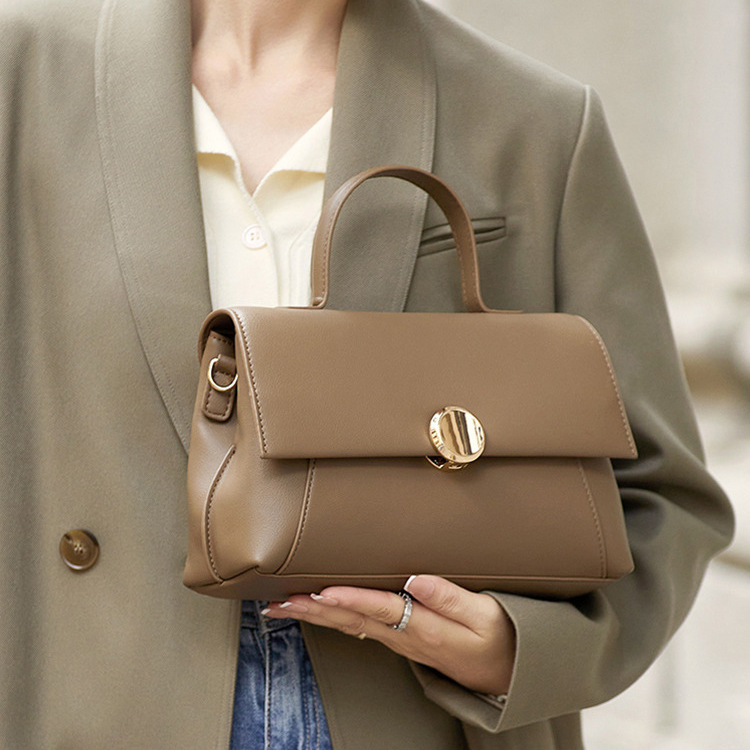
7. Mini Bags and Micro Bags
Mini and micro handbags have become a strong fashion trend in recent years. A handbag manufacturer adapts production techniques to maintain design accuracy and durability at smaller scales.
Although limited in capacity, these bags emphasize branding, aesthetics, and trend relevance. Manufacturers often collaborate closely with brands to ensure proportions, logos, and hardware are perfectly executed.
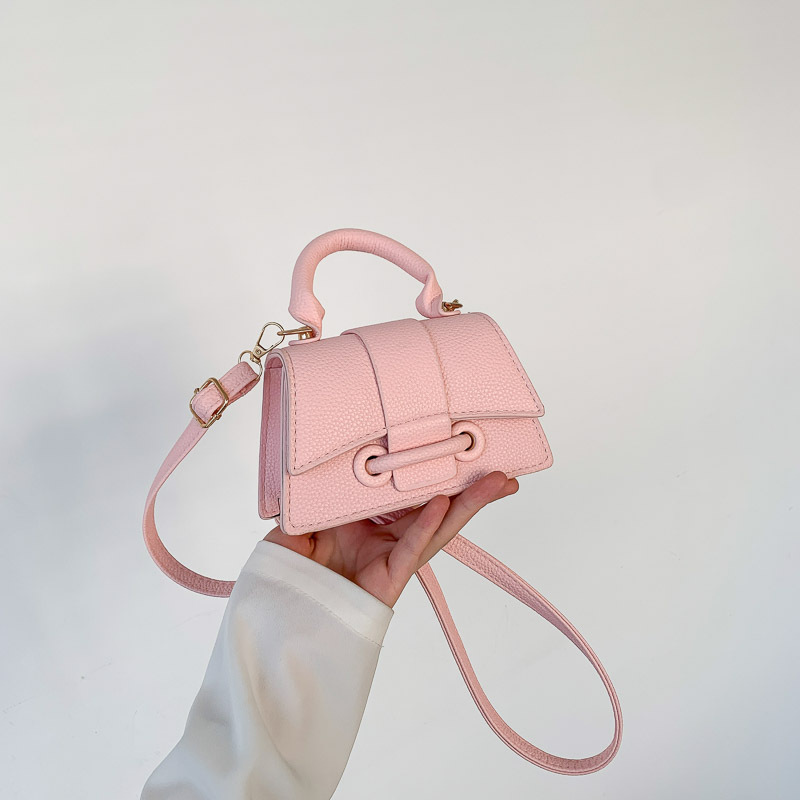
8. Work and Business Handbags
Work handbags are designed for professionals who need both style and functionality. A handbag manufacturer producing work bags focuses on interior structure, laptop compartments, document sleeves, and reinforced handles.
Materials used often include durable leather or high-performance synthetic materials. These bags must meet higher standards for strength, weight distribution, and long-term use.
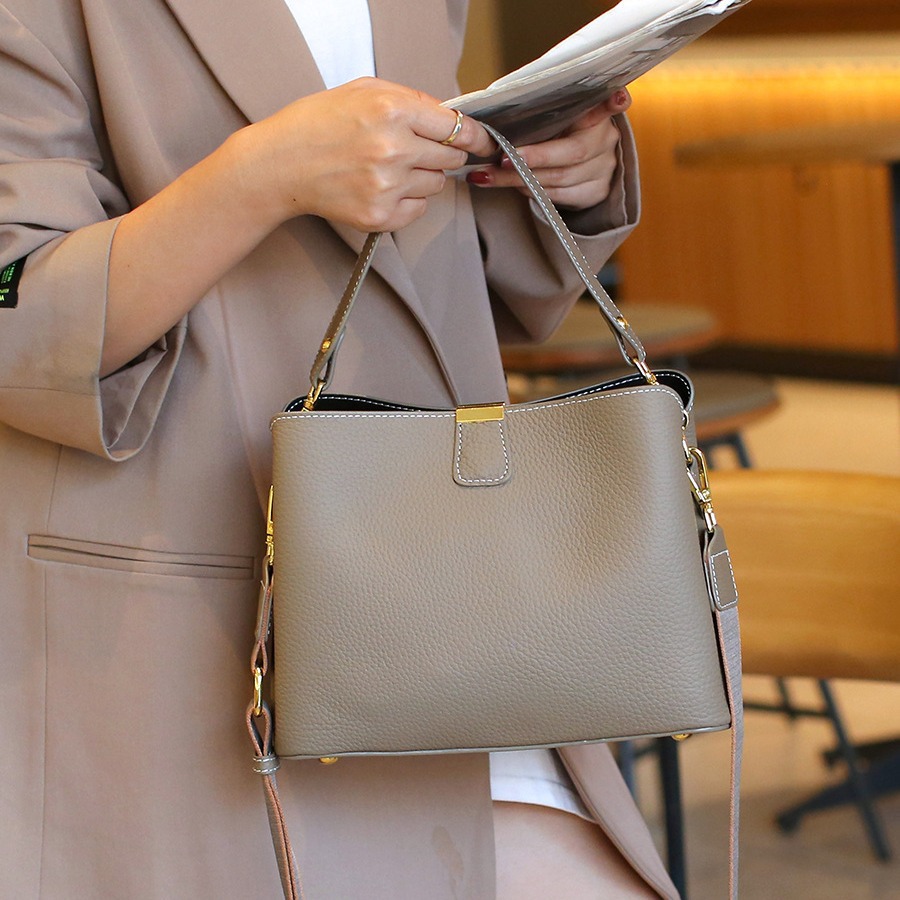
9. Travel and Utility Handbags
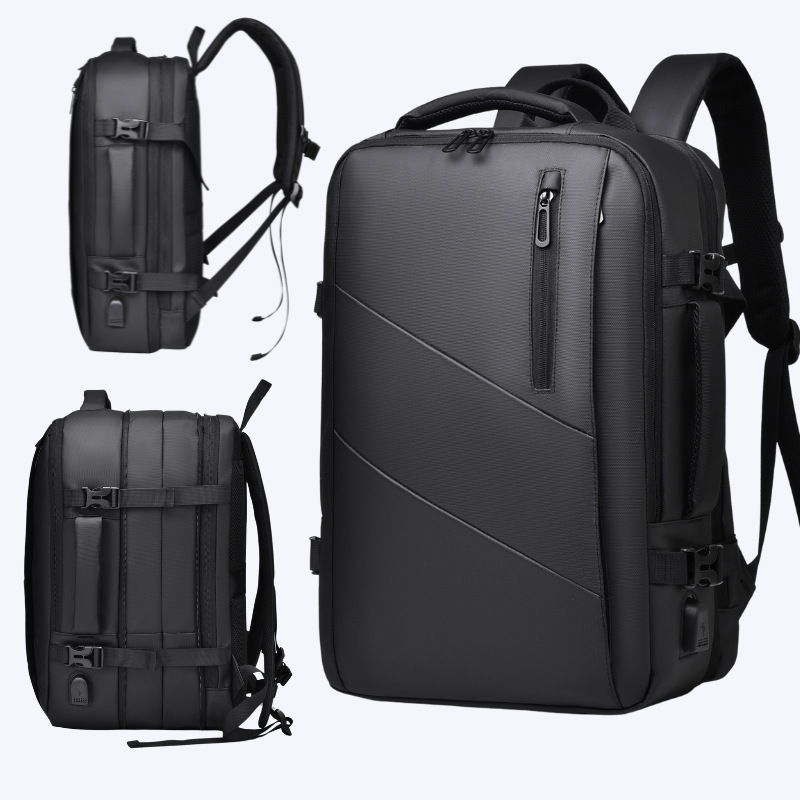
Some handbag manufacturers also produce handbags designed for travel or multi-purpose use. These may include large carry-all bags, convertible handbags, or bags with expandable compartments.
Functionality is a key focus, with features such as water-resistant materials, secure zippers, luggage straps, and easy-clean linings. These products often appeal to lifestyle and travel-focused brands.
10. Sustainable and Eco-Friendly Handbags
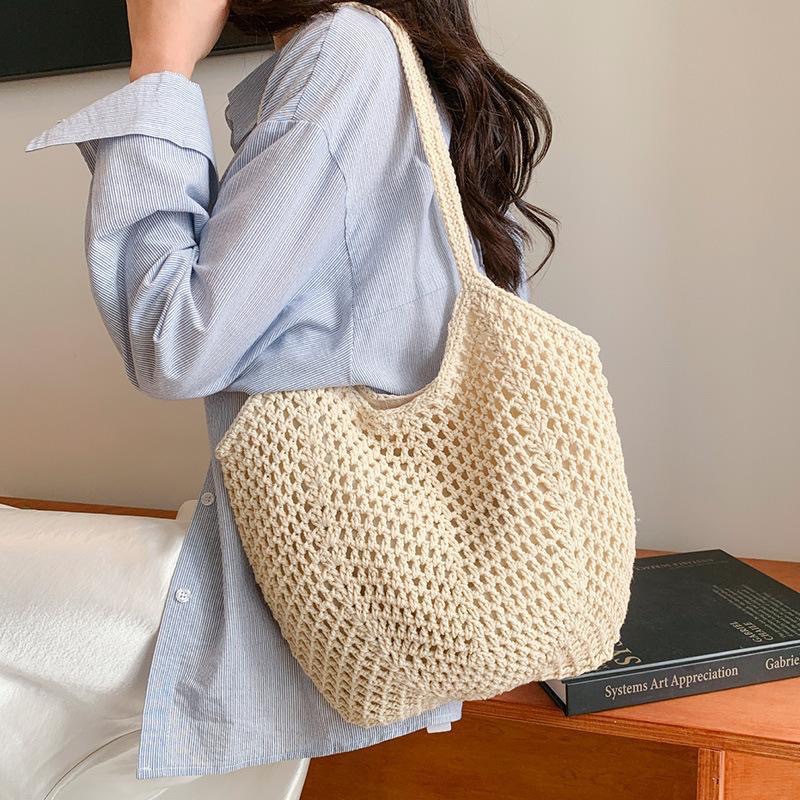
With sustainability becoming a priority, many handbag manufacturers now produce eco-friendly handbags. These may use recycled leather, recycled PET fabrics, organic cotton, or plant-based materials.
Manufacturers adapt their sourcing, production processes, and packaging to meet environmental standards. This category continues to grow as brands respond to consumer demand for responsible fashion.
11. Custom and Private Label Handbags
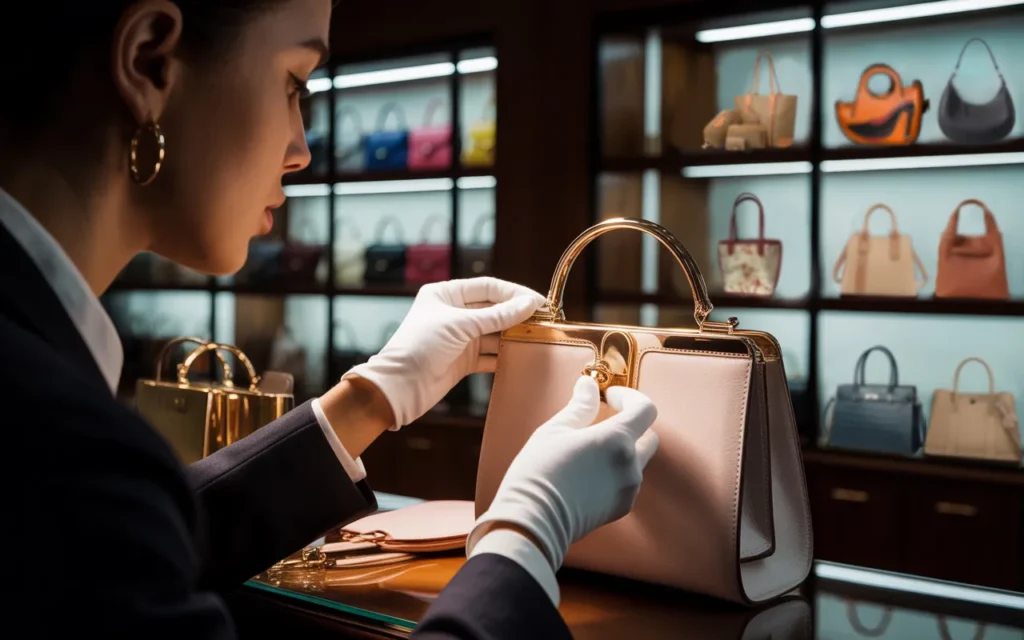
Beyond standard styles, a handbag manufacturer often specializes in custom and private-label production. This means developing unique handbag designs exclusively for a brand, based on sketches, tech packs, or reference samples.
Customization may include size, shape, material, color, logo placement, lining, hardware, and packaging. This flexibility allows brands to differentiate themselves in competitive markets.
12. Seasonal and Trend-Based Collections
Handbag manufacturers frequently produce seasonal collections aligned with fashion trends. These may include color updates, new textures, limited-edition styles, or trend-driven silhouettes.
Manufacturers work closely with brand design teams to translate runway inspiration and market data into manufacturable products while maintaining cost and quality control.
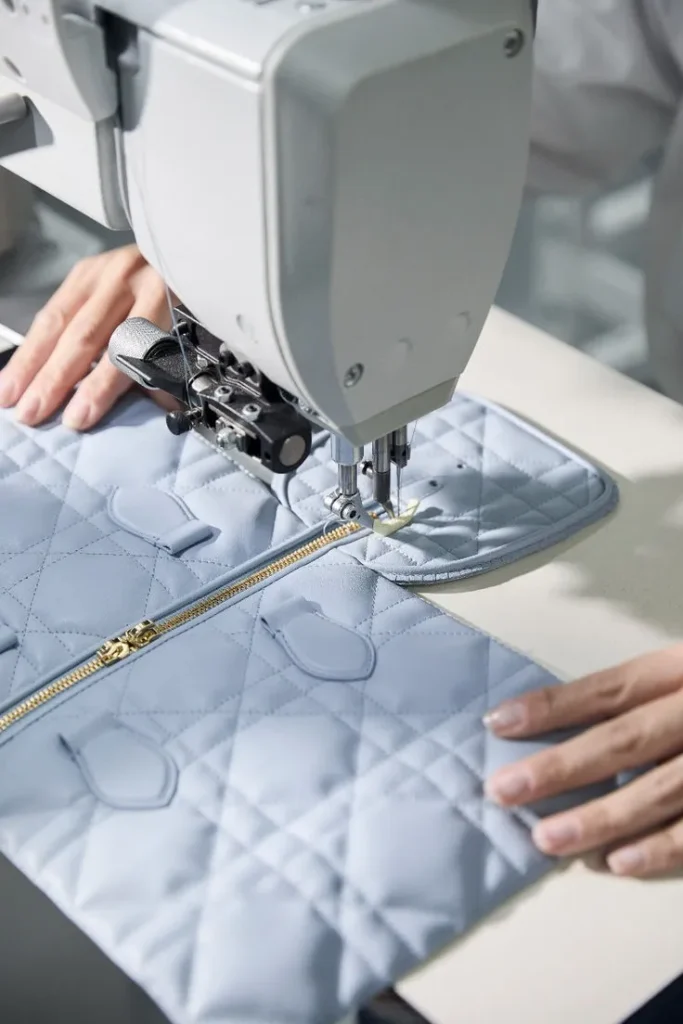
A professional handbag manufacturer produces a wide range of handbag types to meet diverse market needs—from everyday totes and crossbody bags to luxury clutches, business handbags, and sustainable designs. The true value of a capable manufacturer lies not only in the variety of styles offered, but also in the ability to adapt materials, craftsmanship, and production processes to support different brand identities and target customers.
By understanding the full range of handbag types a handbag manufacturer can produce, brands and buyers are better equipped to choose the right manufacturing partner for long-term growth and product success.