
Minimum Order Quantity (MOQ) is one of the first commercial terms many buyers encounter when sourcing OEM handbags. For overseas and domestic customers alike, understanding how MOQ works—and how it is applied by a well-established manufacturer like PrinceBag OEM Handbag Factory—can make the difference between a successful product launch and an expensive misstep. This article provides a deep dive into Minimum Order Quantity Explained by PrinceBag OEM Handbag Factory, covering the rationale behind MOQs, how PrinceBag determines them, strategies for negotiating or working around them, and practical advice for designers, private-label brands, and retailers.
What is Minimum Order Quantity (MOQ)?
Minimum Order Quantity (MOQ) is the lowest number of units a manufacturer is willing to produce in a single production run. MOQs exist across industries, but in handbag manufacturing they are influenced by raw material minimums, production line setup, labor, tooling and dies, quality control, packaging, and logistics. For an OEM handbag factory like PrinceBag, the MOQ is not an arbitrary number—it reflects real cost structures and operational realities.
Why MOQ Matters to Buyers and Manufacturers
Buyers: MOQ affects cash flow, inventory risk, product testing capacity, and speed-to-market. New brands often struggle with MOQs because they lack the capital or market validation for large initial runs.
Manufacturers: MOQ allows factories such as PrinceBag to optimize production efficiency, reduce waste, and ensure profitability. By batching similar orders, factories can amortize fixed costs (design, dies, molds, sample development) over more units, bringing unit cost down to sustainable levels.
Key Factors That Determine MOQ at PrinceBag
PrinceBag sets MOQs by evaluating a combination of technical, commercial, and logistical parameters. Major factors include:
– Material availability and remnant usage: Certain leather hides, specialty fabrics, and hardware come in minimum purchase quantities from suppliers. If a buyer requests a rare color or finish, PrinceBag must source that material in supplier-minimum amounts, which can drive up the factory MOQ.
– Complexity of the design: Multiple compartments, custom hardware, specialized lining, or intricate quilting require longer machine setup, specialized labor, or extra quality inspections, increasing minimum viable batch sizes.
– Tooling and custom hardware: Custom molds, metal hardware (e.g., zippers, clasps), leather dies, or embossed logos often require one-time tooling costs that are spread across the production run. Higher tooling costs usually lead to higher MOQs.
– Production scheduling and line changeovers: Small runs can disrupt efficient line utilization. To maintain throughput and meet delivery schedules, PrinceBag groups orders or sets MOQs that avoid frequent changeovers.
– Quality assurance and reject rates: Handbags have many assembly steps; ensuring consistent quality often requires producing adequate quantities to validate processes and compensate for expected rejects or reworks.
– Shipping and packaging economics: Sea freight and air freight have cost thresholds. It’s more efficient for PrinceBag to produce enough units to fit standard container volumes, hence tie MOQ to logistic cost-efficiency.
– Market experience and product lifecycle: For trendy, seasonal, or fast-fashion lines, PrinceBag may set lower MOQs to attract buyers seeking quick turnover. For evergreen luxury pieces, MOQs tend to be higher due to premium materials and custom hardware.
Common MOQ Ranges in Handbag OEMs and Where PrinceBag Fits
MOQ ranges vary widely:
– Basic mass-market totes/pouches with standard materials: 200–500 units
– Mid-range designs with some custom elements: 500–1,000 units
– High-end luxury items with custom hardware/leather: 1,000–5,000+ units
PrinceBag’s typical MOQs will depend on the product category. For many private-label handbag projects PrinceBag can accept MOQs beginning from 200–300 pieces for simple designs, while highly customized luxury pieces often require minimums of 1,000+ due to tooling and hardware requirements.
How PrinceBag Calculates Unit Cost vs MOQ
Understanding the cost structure helps buyers see why MOQ matters. The primary cost drivers are fixed costs and variable costs.
– Fixed costs (spread over units): design and development, tool/die creation, sample production, setup labor, and approvals.
– Variable costs (per unit): raw materials, labor per piece, quality inspection per unit, packing, and per-unit logistics.
PrinceBag reduces fixed cost per unit by increasing batch size. The following simplified example illustrates the math that underpins MOQ decisions.
– Fixed costs: $5,000 (tools, sample, setup)
– Variable cost per unit: $10
– If MOQ = 200 units, total cost per unit = (5,000/200) + 10 = 25 + 10 = $35
– If MOQ = 1,000 units, total cost per unit = (5,000/1,000) + 10 = 5 + 10 = $15
This shows why vendors insist on minimums: without spreading fixed costs over sufficient units, unit price can become uncommercial.
Analysis Table: MOQ Impact on Pricing, Lead Time and Risk
| MOQ Tier | Typical Unit Cost | Lead Time | Inventory Risk | Suitability |
|---|---|---|---|---|
| Low (100–300) | $25–$45 | 3–6 weeks | Low to Moderate | Startups testing market, seasonal small runs |
| Medium (500–1,000) | $12–$30 | 4–8 weeks | Moderate | Growing brands, predictable SKU lines |
| High (1,000–5,000+) | $6–$20 | 6–12+ weeks | High | Established labels, custom hardware, luxury items |
PrinceBag MOQ—Practical Examples
– Basic Canvas Tote (stock fabric, standard hardware): MOQ 200–300. PrinceBag maintains certain stock fabrics and standard hardware, enabling smaller MOQs.
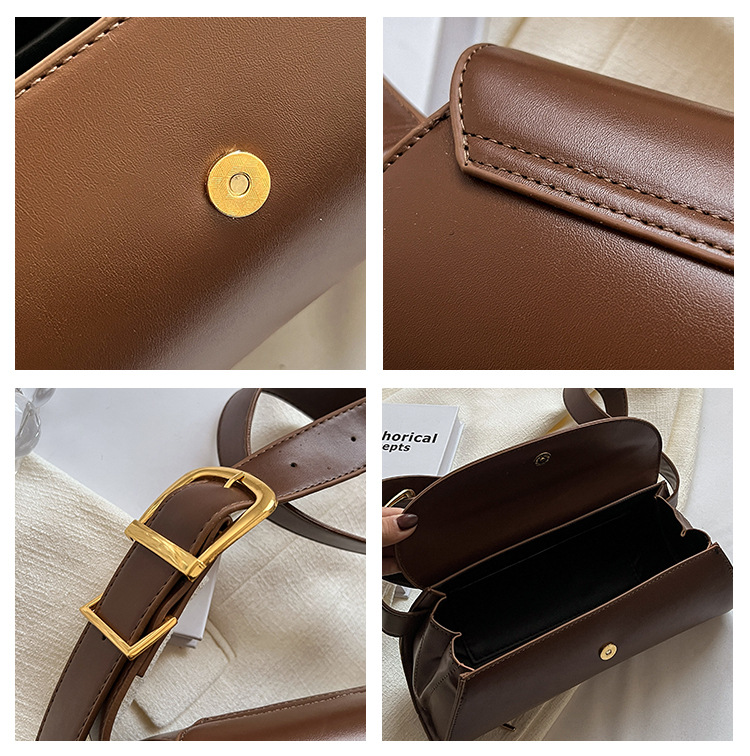
– PU Fashion Crossbody with Custom Color Lining: MOQ 500. Custom color linings often require minimum fabric rolls from supplier.
– Full-Grain Leather Top-Handle Bag with Custom Metalwork: MOQ 1,000. The metal hardware and leather hides require larger procurement and tooling runs.
Negotiating and Optimizing MOQ: Strategies Buyers Can Use
PrinceBag, like many experienced manufacturers, is open to negotiation depending on strategic fit, future order potential, and product design flexibility. Strategies include:
– Consolidate SKUs: Ordering fewer styles but more units per style reduces the number of line changeovers and can lower MOQ per SKU.
– Standardize components: Accepting standard hardware, linings, or linings colors that PrinceBag stocks can dramatically reduce the MOQ.
– Phased approach: Begin with a pre-order or production split (e.g., 200 initial units + larger follow-up run) to test the market and commit to larger volumes later.
– Pay higher per-unit price for smaller batches: PrinceBag may accept smaller orders at premium per-unit cost to cover fixed expenses.
– Co-invest in tooling: Brands can share tooling costs or amortize tooling over a committed multi-order contract with PrinceBag.
– Aggregate demand through distributors or group purchasing: Several small buyers with the same SKU can aggregate orders through PrinceBag to meet MOQ together.
Sample Policy and Prototyping at PrinceBag
Before production, physical samples are essential. PrinceBag offers:
– Initial prototype/sample: Usually a single fully finished sample for approval. This incurs sample charge (tooling/die + labor + materials).
– Pre-production sample (PPS): A sample from the first production run to confirm all specs before mass production continues.
– Cost and lead time for samples: Sample fees vary with complexity—simple designs may cost $50–$200; complex leather goods with hardware can be $200–$800 or more. Lead times for samples range from 1–3 weeks.
Samples are critical to align expectations—color, texture, stitch quality, hardware finish, and overall fit.
Lead Times and Scheduling for MOQ-Driven Production
Lead time components:
– Material procurement: Custom leather/hardware procurement can add 2–6 weeks.
– Tooling/mold production: 1–4 weeks depending on complexity.
– Production run: 2–8 weeks depending on order size and factory schedule.
– Quality control and packing: 1–2 weeks.
– Shipping: Sea freight 2–6 weeks; air freight 3–10 days.
PrinceBag emphasizes clear communication on lead times at the RFQ stage. Buyers should include expected delivery windows and be prepared to pay rush charges for compressed timelines.
Quality Control, Inspection, and Samples for MOQ Orders
PrinceBag’s quality assurance procedures include inline inspections, end-of-line QC, and pre-shipment inspections (PSI). For MOQ-driven runs:
– Incoming material inspection: Ensures hides, fabrics, dyes meet spec.
– First-piece inspection: Confirms the initial units match approved PPS.
– Batch inspections: Statistical sampling for large runs, more intensive checks for luxury pieces.
– Third-party inspections: Buyers may request external QC providers; PrinceBag routinely accommodates inspections by third-party auditors.
Quality control adds to cost and time but is indispensable in maintaining brand reputation.
How Customization Affects MOQ
Customization increases MOQ in multiple ways:
– Custom hardware: Brass or zinc alloy components require minimum orders from metal suppliers and the factory must pay for dies.
– Unique leather colors or treatments: Custom dye lots often come with minimum full-batch order quantities.
– Special finishes (patina, hand-painted): Demand skilled labor and often cannot be automated, raising production minimums.
– Branding elements (embossing, stamping, logos): Die creation and testing create fixed costs.
PrinceBag helps buyers evaluate which customizations truly add brand value and suggests compromises to reduce MOQ impact—for example, semi-custom hardware options or stock color matching.
Financial Considerations and Payment Terms
Common payment terms at PrinceBag and similar OEMs include:
– Sample fees upfront.
– Production deposit: 30%–50% upon order confirmation, balance before shipment or upon B/L copy.
– Letter of Credit (L/C) for larger orders or for buyers requiring more secure terms.
– Payment methods: T/T (bank transfer), L/C, or other negotiated terms.
Buyers must plan cash flow to meet deposit requirements, especially when MOQ dictates larger upfront costs.
Shipping, Packaging, and MOQ
PrinceBag helps optimize packaging and shipping to align with MOQ economics:
– Standard packing vs. premium retail-ready packaging: Premium packaging adds per-unit cost and may affect MOQ due to supplier minimums for printed boxes or dust bags.
– Consolidation of SKUs to fit container volumes reduces freight cost per unit.
– Incoterms: Common terms include FOB (Factory), CIF, or DDP arrangements. Buyers should understand who arranges and pays for freight, customs, and insurance.
Strategies for Startups Facing High MOQs
Small brands can reduce the friction of MOQs with practical tactics:
– Start with simpler SKUs that require lower MOQs.
– Pre-sell via crowdfunding or pre-orders to validate demand and fund production.
– Use made-to-order or limited-run campaigns to buy time and gather demand signals.
– Opt for stock fabrics and hardware to lower MOQ requirements.
– Partner with co-manufacturers or use manufacturer stock designs for immediate inventory.
Case Study: Launch Path Using PrinceBag—From Concept to First MOQ Order
Scenario: A startup wants to launch a mid-range leather crossbody with a unique flap design and custom clasp.
– Phase 1: Concept & Tech Pack—Create detailed specs and materials list. PrinceBag provides DFM (design for manufacturability) recommendations to simplify hardware and lining choices to reduce MOQ.
– Phase 2: Sampling—One to two rounds of samples. Sample cost: $350 each. Timeline: 3 weeks.
– Phase 3: Small Production Run—MOQ agreed at 500 pieces by limiting custom hardware to a small, less costly custom clasp and using a standard lining color. Production time: 6 weeks.
– Phase 4: Quality Checks & Shipping—PPS approved, remaining production completed, PSI conducted, goods shipped FOB. Total time to market: ~12–16 weeks from approval.
This shows a pragmatic route to meet MOQs while managing budget and timeline.
Common Buyer Questions about MOQ at PrinceBag
Q: Can PrinceBag do a trial order of 50 units?
A: In rare cases, PrinceBag may accept very small runs at a premium per-unit cost, especially if the product is simple and uses stocked materials. Expect sample and setup fees to remain.
Q: Can multiple small buyers combine orders to meet MOQ?
A: Yes. If designs and specs are identical, PrinceBag can combine orders, but clear agreements on responsibility, quality disputes, and logistics must be in place.
Q: Do MOQs include different colors?
A: Often MOQs are per colorway. If you want multiple colors, you may need to meet the MOQ in each color unless you select stocked colors with lower thresholds.
Checklist for Buyers When Evaluating MOQ with PrinceBag
– Provide clear tech packs and artwork for hardware/labels.
– Ask about stocked materials and available alternatives to custom requests.
– Request a full cost breakdown: fixed vs variable costs.
– Confirm sample process, costs and lead times.
– Clarify payment terms and deposit percentage.
– Ask for QC steps and inspection options, including third-party audits.
– Confirm packaging and shipping options and incoterms.
– Negotiate a trial order pathway or phased production schedule.
How PrinceBag Supports Sustainable and Small-Batch Production
PrinceBag recognizes the market trend toward sustainable and small-batch manufacturing. To support these buyers:
– Use of remnant fabrics and efficient leather cutting patterns to reduce waste.
– Offering small-batch lines for certain stock materials where supplier minimums are lower.
– Helping brands design for sustainability—recommend recycled components or simpler construction that still meets quality standards while lowering MOQ pressure.
Such initiatives help emerging brands launch responsibly while managing MOQ constraints.
Risks and Hidden Costs Related to MOQ
Buyers should be aware of potential risks:
– Obsolescence: Large MOQs for seasonal designs may result in unsellable inventory if trends shift.
– Currency and raw material volatility: Price changes between sample approval and production can raise costs.
– Logistical delays: Lead times can extend due to port congestion, customs issues, or material shortages.
– Quality mismatches: If PPS approval is not thorough, defects can scale with large MOQs, increasing replacement or recall costs.
PrinceBag mitigates these by encouraging thorough sampling, transparent communication, and robust QA processes.
Future Trends: How MOQs May Evolve in Handbag Manufacturing
Several trends could influence MOQs:
– Digital workflows and improved sampling (3D prototyping) may reduce the need for multiple physical samples, allowing more flexible MOQs.
– Closer integration of supply chains may lower supplier minimums for hardware and fabrics.
– Rising on-demand manufacturing platforms could challenge traditional MOQ models by aggregating global demand.
– Sustainability regulations and material traceability may change raw material sourcing and supplier minimums, impacting MOQs.
PrinceBag monitors these developments to adapt its MOQ policies and support clients through transitions.
Conclusion: Working Constructively with PrinceBag on MOQ
Minimum Order Quantity Explained by PrinceBag OEM Handbag Factory is more than a threshold—it’s a business lever that balances cost, quality, and operational efficiency. PrinceBag approaches MOQs pragmatically: they reflect supplier minimums, tooling and fixed costs, production efficiency, and logistics realities. However, PrinceBag also recognizes that modern brands need flexibility. With transparent cost breakdowns, pragmatic design advice, and collaborative approaches—such as phased production or pooled orders—buyers can find workable solutions even if they cannot immediately meet large MOQs.
For startups and established brands alike, the path forward is to be informed and strategic. Provide clear specifications, be open to design compromises where appropriate, consider phased or pre-order financing, and maintain close communication with PrinceBag throughout the sampling and production cycle. By doing so, you can turn MOQ from a roadblock into a predictable part of a scalable manufacturing partnership.
Appendix: Quick Reference Table — Factors vs. How They Affect MOQ
| Factor | Effect on MOQ | PrinceBag Typical Mitigation |
|---|---|---|
| Custom Hardware | High — tooling and supplier minimums | Suggest semi-custom hardware or amortization plan |
| Material Color/Finish | Medium to High — dye lot minimums | Use stocked colors or accept small premium |
| Design Complexity | Medium — more labor & QC | Design for manufacturability (DFM) recommendations |
| Packaging Requirements | Medium — printed boxes / dustbags have minima | Offer standard packaging options or phased buys |
| Lead Time Constraints | Can force premium pricing; MOQ less flexible | Offer rush production at premium; suggest schedule alternates |
If you are preparing to approach PrinceBag with a project, compile a concise brief including desired quantities, target retail price, materials preferences, and timeline. This enables a swift and accurate MOQ assessment so you can make data-driven decisions for your brand.