
PrinceBag is positioned as a comprehensive women’s purse supplier offering a broad portfolio designed to meet the needs of retailers, boutiques, e-commerce sellers, and brand owners. Whether the buyer is looking for classic leather handbags, budget-friendly fashion purses, or bespoke OEM/ODM lines, PrinceBag’s product mix aims to provide flexibility in materials, styles, and production scale. This analysis explores the types of products commonly offered under the PrinceBag umbrella, evaluates materials and construction options, examines customization and supply services, and offers guidance for buyers evaluating a supplier like PrinceBag.
Overview: The Scope of a Women’s Purse Supplier
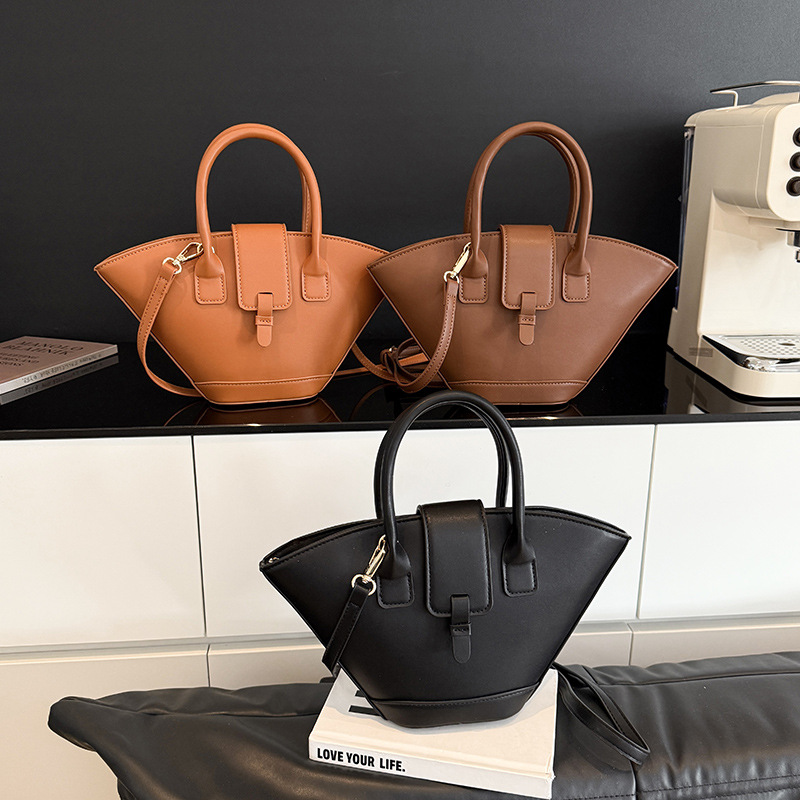
A supplier focused on women’s purses typically organizes its offerings around product categories (by function and style), materials and finishes, pricing tiers, and production capabilities. At the product level, the range often includes everyday shoulder bags and totes, night-out clutches, compact wallets and cardholders, travel and laptop bags, and fashion-forward pieces such as mini-bags and belt bags. Complementary accessories—dust bags, packaging, removable straps, hardware options—complete the offering, and value-added services like labeling, private labeling, and custom design are central to B2B relationships.
PrinceBag’s product spectrum should be understood through these interlocking dimensions:
– Product categories and subtypes (e.g., tote vs. shopper; satchel vs. briefcase)
– Materials and finishing options (e.g., genuine leather, PU, vegan leather, nylon, canvas)
– Price and quality tiers (economy, mid-market, premium)
– Manufacturing services (OEM/ODM, prototyping, small-batch vs. mass production)
– Compliance, packaging, and after-sales support
Primary Product Categories Offered
PrinceBag likely structures inventory and manufacturing around several primary categories that correspond with common retail and wholesale demand. These include:
– Handbags (shoulder bags, satchels, hobos): The core category for everyday use. These typically feature multiple compartments, interior liners, zip pockets, and both short handles and optional long straps.
– Totes and Shoppers: Larger-capacity bags for daily errands, work, or shopping—often unstructured or lightly structured, with canvas, nylon, or leather options.
– Crossbody Bags: Compact, hands-free styles with adjustable straps and secure closures, used in both fashion and utility contexts.
– Clutches and Evening Bags: Small, occasion-focused bags with decorative hardware, metallic finishes, or embellished fabrics.
– Wallets, Cardholders, and Small Leather Goods (SLGs): Slim wallets, bifold/trifold wallets, coin purses, and card cases made in leather or PU.
– Backpacks and Mini Backpacks: Functional and casual styles for youth and urban consumers.
– Travel Bags and Luggage: Weekender duffels, garment bags, packing cubes, and travel organizers.
– Cosmetic Bags and Organizers: Zip pouches and toiletry kits often sold as accessory lines or matching sets with bigger bags.
– Belt Bags / Fanny Packs: Trend-driven waist or crossbody bags for on-the-go convenience.
– Phone Bags and Tech Organizers: Compact styles sized for phones, earbuds, and small essentials.
– Accessory Items: Straps, hardware, dust bags, hang tags, and gift packaging.
Each of these product families can be offered across multiple material and finish variations to meet different price points and brand positioning.
Materials and Construction Options
Materials define not only appearance but also durability, price, and market segment. PrinceBag’s product offering typically spans:
– Genuine Leather: Full-grain, top-grain, corrected-grain, and embossed leathers (including saffiano and pebbled finishes). Leather appeals to premium buyers and often commands higher price points.
– Split Leather with PU Coating: A cost-effective leather look with higher consistency and easier maintenance.
– PU and PVC Leather (Faux Leather): Economical and versatile for fashion-oriented lines and vegan-friendly positioning.
– Microfiber and Vegan Leathers (e.g., polyurethane microfibers, bio-based materials): Popular for higher-end vegan alternatives with improved hand-feel.
– Coated Fabrics and Canvas: Heavy-duty cotton canvas, waxed canvas, and coated canvas for durable day bags and totes.
– Nylon, Polyester, and Ripstop Fabrics: Lightweight, water-resistant, and ideal for casual and travel bags.
– Suede and Nubuck: Luxurious textures for premium evening or fashion handbags.
– Metallic and Patent Finishes: For evening clutches or statement pieces.
– Hardware: Metal zippers (YKK or equivalent), magnetic snaps, D-rings, adjustable buckles, chain straps, and decorative elements in varying plating options (gold, silver, gunmetal, rose gold).
– Lining Fabrics: Polyester, nylon, jacquard, or cotton blends, with optional brand-printed jacquard for premium private-label products.
Manufacturing construction methods include glued and stitched assemblies, reinforced seams, box-bottom construction, and structured frames for tote stiffness. Reinforcements like plastic base plates, metal feet, and internal boards are common for higher-end pieces.
Customization, OEM & ODM Services
An important part of a supplier’s appeal to retailers is the extent of customization and manufacturer services. PrinceBag likely offers:
– OEM (Original Equipment Manufacturing): Producing bags to a buyer’s specifications—design, materials, logos, packaging, and labels—using buyer-supplied designs or patterns.
– ODM (Original Design Manufacturing): Providing in-house designs that buyers can purchase with minor customizations (colors, materials, hardware) and private-label them.
– Prototyping and Sampling: Development of initial samples (proto samples, pre-production samples, sales samples) for design approval and test marketing.
– Private Labeling and Branding: Custom hang tags, woven labels, debossed/embossed logos, brand-printed lining, and custom dust bags/gift boxes.
– Technical Support: Pattern-making, tech packs, grading (size scaling), and fit/ergonomics advice.
– Material Sourcing and Substitution: Assistance in choosing suitable leathers, fabrics, and hardware to balance cost, durability, and aesthetics.
– Packaging Solutions: Custom boxes, dust covers, swing tags, and eco-friendly alternatives.
– Compliance Support: Documentation for import/export, material declarations, and potentially testing for restricted substances and flammability according to target markets.
Customization often has implications for Minimum Order Quantities (MOQs), lead times, and cost per unit. Suppliers typically balance flexibility with manufacturing efficiency: small-batch custom orders incur higher per-unit costs but allow brands to test markets.
Product Quality Levels and Pricing Tiers
Most suppliers segment their offerings into tiers to cater to distinct market segments:
– Economy/Budget Tier: PU leather, coated fabrics, lightweight hardware. Emphasizes affordability, high-fashion prints, and trend responsiveness. Suitable for high-volume fast-fashion buyers and low-cost retail.
– Mid-Market Tier: Better-quality PU or split leather, sturdier hardware, lined interiors, and moderate detailing. Suited for mainstream retail and online boutiques targeting quality-conscious consumers at mid-range prices.
– Premium/Luxury Tier: Full-grain/top-grain leathers, premium hardware, hand-finished details, and sophisticated linings. Often includes custom labeling and higher QC standards, appealing to independent premium brands and retail stores.
Pricing and margin expectations for buyers vary widely by tier, region, and distribution channel. The supplier’s ability to deliver consistent quality across tiers is the core of its trustworthiness.
Quality Control and Production Capabilities
Quality control (QC) is critical for reputation and return management. Suppliers like PrinceBag typically implement QC at several stages:
– Incoming Material Inspection: Checking hides, fabrics, hardware, and accessory components for defects and color matches.
– In-Process Checks: Sampling during production runs to detect stitching, alignment, and assembly issues early.
– Pre-Shipment Inspection: Final product checks for functionality (zippers, straps), aesthetics (scratches, stains), and dimensional tolerances.
– Third-Party Audits and Certifications: Buyers often request third-party QC (SGS, Bureau Veritas) to verify compliance and product performance.
Manufacturing capacity affects lead times and MOQ. Typical operational capabilities include:
– Small-batch lines for prototyping and boutique orders
– Assembly lines for higher-volume production
– Dedicated finishing and packing teams
– Access to specialized equipment for leather cutting, embossing, and laser engraving
Packaging and Presentation Options
Packaging is part of product value and brand presentation. PrinceBag’s options often include:
– Branded gift boxes with foam inserts or tissue wrap
– Dust bags with drawstrings (cotton, non-woven, or printed fabric)
– Polybags and bulk cartons for shipment
– Custom hang tags, barcode labels, and care instructions
– Eco-friendly packaging alternatives (recycled paper, compostable bags) on request
Many buyers prioritize presentation for premium positioning and unboxing experience in direct-to-consumer channels.
Logistics, Lead Times, and Minimum Order Quantities (MOQs)
Typical manufacturing and supply logistics considerations include:
– MOQs: Vary by product complexity. Simple accessories may have low MOQs (e.g., 100–300 pieces per style/color), while custom leather handbags often require higher MOQs (300–1000+ units) to justify tooling and setup.
– Lead Times: Sampling can take 1–4 weeks depending on complexity. Production runs typically range from 30 to 90 days after sample approval and deposit, subject to material availability and factory load.
– Shipping Options: Sea freight for bulk shipments, air freight for urgent orders, and express couriers for smaller consignments. Incoterms influence buyer logistics responsibilities (FOB, CIF, EXW).
– Inventory and Stock Programs: Some suppliers offer stocking programs, consignment inventory, or drop-shipping services for e-commerce sellers.
Buyers should negotiate clear terms for production schedules, penalties for delays, and responsibilities for customs and duties.
Sustainability and Ethical Manufacturing
Sustainability is increasingly important. Many suppliers now provide:
– Vegan leather and recycled-material lines
– Low-VOC finishing and environmentally friendly dyeing processes
– Traceable material sourcing
– Social responsibility audits of factories (e.g., workplace safety, hours, wages)
Brands often seek suppliers that can document sustainability claims and provide certificates or test reports for recycled content, restricted substance lists (RSL), and factory audits.
Market Positioning and Target Customers
Products offered by PrinceBag would typically be targeted toward:
– Independent brands and designers seeking private-label manufacturing
– Retail buyers sourcing seasonal styles and basics
– E-commerce sellers and marketplaces requiring quick-turn fashion pieces
– Corporate clients needing promotional or corporate gifting solutions
– Wholesalers and distributors purchasing by the container load
Understanding a buyer’s target market helps the supplier recommend specific materials, hardware quality, and finishing techniques that will resonate with consumers.
Competitive Advantages and Differentiators
Key differentiators for a supplier like PrinceBag may include:
– Depth of product range across price tiers (one-stop sourcing)
– Flexibility in customization and ODM designs
– Strong material sourcing networks and quality hardware suppliers
– Efficient sample and prototyping processes
– Value-added services such as private-label packaging and compliance documentation
Buyers should evaluate these claims by reviewing sample quality, visiting production facilities if feasible, and checking references.
Buyer Guidance: How to Evaluate Product Offers
When assessing the product offerings of a supplier, consider the following steps:
1. Request a product catalog with SKU-level details: Dimensions, materials, hardware, closures, colors, and packaging options.
2. Ask for sample sets across tiers: One economy, one mid-market, and one premium sample to compare manufacturing quality and materials.
3. Verify material and hardware sources: Request brands of zippers, metal plating samples, and leather grade certificates if applicable.
4. Clarify MOQs and tiered pricing: Understand price breaks and how color or material variations impact MOQ.
5. Confirm lead times and capacity: Ensure the supplier’s capacity matches your seasonal demand cycles.
6. Request QC and testing documentation: Ask for past audit reports, lab tests for harmful substances, or proof of compliance.
7. Negotiate terms: Payment schedule, deposit amounts, penalties for delays, and defect allowances.
8. Evaluate post-production services: Drop shipping, fulfillment partnerships, and returns handling.
This due diligence reduces risk and aligns expectations between buyer and supplier.
Emerging Trends Reflected in Product Offerings
Suppliers adapt to market trends; these are commonly reflected in new product lines:
– Mini- and micro-bags: Fashion-driven small silhouettes with statement hardware.
– Convertible Multi-Function Bags: Designs that serve as shoulder bag, crossbody, or clutch through detachable straps.
– Tech-Friendly Pockets: Built-in phone pockets or RFID-blocking compartments in wallets and crossbodies.
– Sustainable Materials: Recycled nylon, apple/leather alternatives, and upcycled components.
– Customizable Elements: Interchangeable straps, attachable accessories, and modular inserts.
– Gender-Fluid Designs: Unisex colors and minimalist styles appealing to broader audiences.
A supplier responsive to trends can refresh assortments frequently to capture seasonal demand.
Risk Management and Common Pitfalls
Working with any supplier involves risk management:
– Quality Variability: Inconsistencies across production batches—mitigated by rigorous QC protocols.
– Communication Gaps: Misunderstandings about specs—mitigated by detailed tech packs and visual approvals.
– Hidden Costs: Customs, tooling fees, or additional trims—clarify all potential charges upfront.
– Lead Time Delays: Material shortages or factory bottlenecks—plan buffer time for launch seasons.
– Intellectual Property: Protect designs when sharing with OEM/ODM suppliers—use NDAs or contracts.
Thorough contracts and regular updates minimize surprises.
Analytical Product Comparison Table
Below is an analytical table that compares typical product categories a supplier like PrinceBag may offer, with approximate attributes to help buyers evaluate fit:
| Product Category | Typical Materials | Popular Styles / Features | Approx. Price Tier (FOB, indicative) | Typical MOQ | Typical Lead Time (after PP sample) | Customization Level | Best For |
|---|---|---|---|---|---|---|---|
| Handbags (Shoulder / Satchel) | Genuine leather, PU, coated canvas | Structured tops, multiple compartments, hardware feet | Mid to Premium ($25–$150) | 300–1000 pcs | 45–90 days | High (logos, lining, hardware) | Retail stores, designer brands |
| Totes & Shoppers | Canvas, nylon, leather trims | Open top, zippered, inner pockets, reinforced base | Low to Mid ($8–$60) | 200–800 pcs | 30–60 days | Medium (size, print, handles) | Retail, corporate gifting, eco-lines |
| Crossbody Bags | PU, microfiber, leather | Adjustable straps, zipped compartments, compact designs | Low to Mid ($10–$70) | 200–600 pcs | 30–70 days | Medium to High (strap, plating) | Online sellers, travel accessories |
| Clutches & Evening Bags | Patent PU, satin, metallic finishes | Chain straps, magnetic closures, embellishments | Mid ($15–$90) | 200–500 pcs | 35–75 days | High (embellishments, lining) | Specialty retailers, boutiques |
| Wallets & Cardholders | Leather, PU, coated fabrics | Bifold, card slots, coin pocket, RFID options | Low to Mid ($5–$40) | 300–1000 pcs | 30–60 days | Medium (logo emboss, color) | Mass retail, promotional gifts |
| Backpacks & Mini Backpacks | Nylon, canvas, leather accents | Padded straps, laptop sleeves, organizer pockets | Mid ($20–$120) | 300–800 pcs | 40–80 days | High (sizing, padding) | Urban fashion, school, travel |
| Travel Bags / Weekenders | Canvas, leather, polyester | Large volume, reinforced bases, packing pockets | Mid to Premium ($30–$200) | 200–600 pcs | 45–90 days | High (hardware, reinforcements) | Travel retailers, brand collections |
| Cosmetic Bags & Organizers | PVC, nylon, cotton blends | Wipeable interiors, multiple compartments | Low ($3–$25) | 200–1000 pcs | 20–45 days | Medium (print, zipper) | Accessory adds-on, subscription boxes |
| Specialty / Trend Items (Belt bags, mini bags) | PU, leather, mixed materials | Statement hardware, interchangeable straps | Low to Mid ($8–$80) | 200–500 pcs | 30–70 days | High (colorways, straps) | Fast fashion, trend-led retailers |
Notes: Price tiers and MOQs are indicative and will vary based on exact specifications, material costs, and factory capabilities. Always confirm current pricing and production capacity with the supplier.
Case Scenarios: Typical Buyer Needs and Supplier Matches
To make the supplier-product fit clearer, consider these hypothetical buyer profiles and how PrinceBag’s offerings would align:
– Boutique Brand Launching a Premium Line: Needs small batch handcrafted leather satchels with embossed logos and custom-lined interiors. Supplier should offer low-volume prototyping, premium leather sourcing, and higher QC. Expect higher per-piece costs and lead times oriented around quality.
– E-commerce Fast-Fashion Seller: Seeks frequent low-cost trend pieces (belt bags, mini clutches) in seasonal colors. Supplier should support quick sampling, low-cost materials (PU, nylon), and flexible MOQ options to rotate designs.
– Corporate/Gift Buyer: Requires mid-tier totes and wallets branded with company logo for promotional events. Supplier should offer private labeling, quick turnaround, and straightforward billing for larger orders.
– Travel Retailer: Requires durable weekender bags and tech organizers with reinforced construction and water-resistant fabrics. Supplier should provide performance materials and rugged hardware.
Matching supplier capabilities with buyer operational needs determines the success of the partnership.
How to Negotiate with a Supplier Like PrinceBag
When negotiating, approach discussions with clarity and documented requirements:
– Present detailed tech packs with dimensions, tolerances, and material swatches.
– Request tiered pricing for different MOQs and colorways.
– Ask for lead-time guarantees with liquidated damages or penalties for critical launches.
– Negotiate payment terms: common splits are 30% deposit, balance before shipment; larger buyers may obtain better terms.
– Discuss tooling and die costs upfront and whether they are amortized across reorders.
– Seek flexibility for mix-and-match orders to reduce inventory risk.
Good negotiation balances supplier stability and buyer needs for agility.
Final Considerations: Choosing the Right Product Mix
Selecting the right product mix from a supplier like PrinceBag depends on your brand identity, target customer, margins, and distribution strategy. Key considerations:
– Product-Market Fit: Choose styles and materials that resonate with your customer demographic.
– Margin Modeling: Account for landed costs, duties, shipping, and returns when setting retail prices.
– Inventory Strategy: Decide between seasonally rotating assortments and perennial staples to manage cash flow.
– Quality Expectations: Align with supplier quality tiers; don’t overpromise premium quality at budget prices.
– Sustainability and Ethics: If these are part of your brand promise, ensure the supplier provides appropriate documentation.
A thoughtful product selection process paired with rigorous supplier vetting ensures successful product launches and long-term partnerships.
What Products Does PrinceBag Women’s Purse Supplier Offer?
In summary, PrinceBag’s product offering for women’s purses likely covers an extensive range of categories—handbags, totes, crossbodies, clutches, wallets, backpacks, travel bags, and accessory items—across multiple materials and price tiers. Beyond finished goods, the supplier’s value lies in customization, OEM/ODM services, packaging solutions, and production scalability. Buyers should evaluate the supplier based on sample quality, material sourcing transparency, MOQ flexibility, lead times, and QC processes. By aligning product strategy with supplier strengths—whether fast-turn fashion, premium leather lines, or sustainable collections—brands can effectively leverage a supplier like PrinceBag to grow retail presence and meet consumer demand.