
When a brand decides to bring a custom handbag to market, choosing the right manufacturing partner is as strategic as the design itself. PrinceBag OEM Handbag Factory stands out as a compelling choice for businesses seeking reliable, high-quality, and flexible handbag production. This article explores, in depth, why PrinceBag should be considered for custom handbag manufacturing: its strengths, operational model, quality processes, customization capabilities, value proposition, and practical guidance for collaboration. Whether you are an established fashion house, an emerging designer, or a retailer launching a private-label collection, understanding what PrinceBag offers will help you make an informed decision and get the best possible result for your product line.
Deep Manufacturing Experience and Specialized Expertise
PrinceBag’s core advantage lies in focused expertise. Specialized handbag factories build tacit knowledge about materials, construction techniques, hardware sourcing, and finishing processes that general garment factories do not always possess. PrinceBag’s team—pattern makers, cutters, stitchers, and quality inspectors—are trained specifically for bag production. This specialization translates into:
– Better understanding of structural integrity requirements (e.g., interfacing, reinforcements, lining attachments).
– Skilled handling of diverse materials (leather, PU, PVC, canvas, nylon, technical fabrics).
– Precision in hardware installation (zippers, clasps, rivets, adjustable straps).
– Reliable finishing and edge treatments that preserve aesthetics and longevity.
Design nuances that affect bag performance—such as the angle of a strap attachment, seam reinforcement at stress points, and proper reinforcement of handles—are handled more consistently by a specialist factory.
Comprehensive Customization Options
One of the primary reasons brands select PrinceBag is the depth of customization available. Custom handbag manufacturing involves many configurable elements, and PrinceBag supports almost every aspect a brand might want to control:
– Size and silhouette adjustments (tote, satchel, crossbody, clutch).
– Outer materials and linings (various leathers, coated fabrics, tech textiles).
– Hardware customization (custom metal finishes, logo-engraved zippers, custom pulls).
– Branding options (embossing, debossing, metal logos, woven labels, heat transfers).
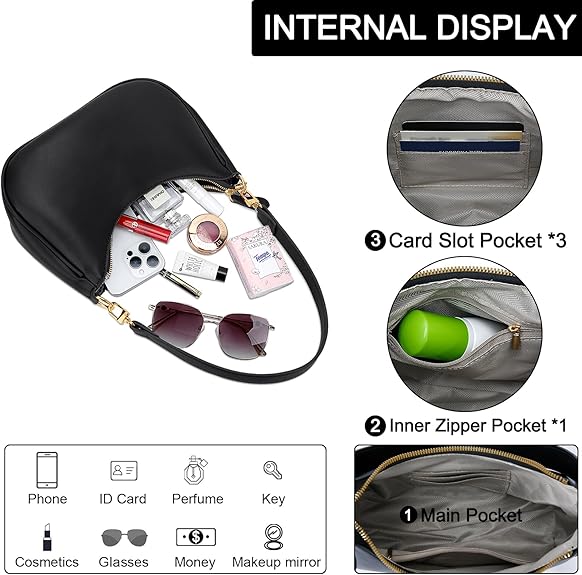
– Interior organization (pockets, padded laptop sleeves, RFID-blocking linings).
– Special features (waterproof coatings, antimicrobial linings, convertible straps).
– Color matching and custom dyeing services.
This range allows brands to create distinctive products and align production with target customer expectations and price points.
Prototype and Sampling Process That Reduces Risk
Bringing a new design to production often involves multiple iterations. PrinceBag’s prototyping and sampling workflow is designed to minimize risk and shorten time-to-market:
– Initial sample based on technical pack (tech pack) or sketch.
– Fit and functionality review, including physical handling and wear tests.
– Iterative modifications (structure, pocket placement, strap length).
– Pre-production (PP) sample that reflects production materials and hardware.
– Final sign-off with detailed specifications for mass production.
A clear, systematic sampling process helps identify manufacturing issues early and ensures that the production run replicates the approved sample consistently.
Quality Assurance and Strict Inspection Protocols
Reliable quality control is non-negotiable for brands. PrinceBag typically implements a multi-stage inspection system to maintain consistent product quality:
– Incoming material inspections to verify leather grades, fabric weights, and hardware specs.
– In-line inspections during cutting, stitching, and assembly to catch defects early.
– Final inspection (AQL sampling where applicable) to verify appearance, dimensions, and functionality before packing.
– Testing support for performance attributes (colorfastness, seam strength, hardware durability) through in-house or third-party labs.
Effective QA reduces returns and protects brand reputation by ensuring end products meet agreed standards.
Production Capacity and Flexibility
PrinceBag often balances sufficient capacity with flexible minimum order quantities (MOQs) to serve a range of clients:
– Larger brands can leverage full production lines and economies of scale.
– Small to mid-sized brands benefit from tiered MOQs or production slots for seasonal collections.
– Seasonal flexibility and the ability to run mixed SKUs in a single production cycle help mitigate inventory risk.
This scalability makes PrinceBag suitable for both single-season launches and long-term partnerships.
Material Sourcing and Supplier Network
Strong sourcing capabilities are essential for consistent production. PrinceBag’s network typically includes:
– Trusted suppliers for various leather types (full-grain, top-grain, corrected-grain), synthetic leathers, technical textiles, and canvas.
– Hardware manufacturers producing custom buckles, zippers, and feet with consistent plating and finishes.
– Access to specialty components (waterproof membranes, laminated fabrics, RFID materials).
A stable supply chain reduces lead time variability and helps brands maintain consistent product quality over multiple seasons.
Design Support and Technical Collaboration
Beyond basic manufacturing, PrinceBag often offers design and technical support that accelerates product development:
– Technical pattern-making and grading for multiple sizes or scales.
– Digital prototypes and 3D renderings (if available) to visualize concepts before sampling.
– Recommendations for cost-effective construction without compromising design intent.
– Feedback on durability and manufacturability to optimize production yields.
This collaborative approach helps brands make informed trade-offs between cost, aesthetics, and longevity.
Compliance, Ethical Production, and Sustainability Initiatives
Sustainability and social responsibility are important considerations for many brands. PrinceBag can support compliance and eco-friendly practices through:
– Transparent supply chain documentation for traceability.
– Options for sustainable materials (recycled fabrics, eco-leathers, low-impact dyes).
– Waste-reduction measures in cutting and material utilization.
– Support for audits and compliance with client-required social and environmental standards.
While specific certifications vary by factory and client needs, PrinceBag’s approach typically emphasizes responsible sourcing and the ability to align with brand sustainability goals.
Competitive Pricing and Cost Transparency
Pricing is a decisive factor. PrinceBag’s competitive advantage comes from:
– Economies of scale in procurement and production for lower per-unit costs.
– Clear cost breakdowns (materials, labor, hardware, overhead) to help brands make informed decisions.
– Options for tiered quality and price points—premium leather lines vs. cost-effective synthetics.
– Flexible packaging and labeling options to reduce additional costs.
Transparent costing helps brands forecast margins and make strategic pricing decisions in the market.
Lead Times and Order Management
Efficient order management and predictable lead times are essential, especially for seasonal fashion cycles. PrinceBag’s production planning typically includes:
– Defined lead time estimates for sampling, pre-production, and full production runs.
– Project management support with milestones and regular updates.
– Contingency planning for material shortages or sudden demand spikes.
– Logistics coordination for optimized shipping (air, sea, consolidated freight).
Reliable scheduling helps brands coordinate launches and retail rollouts with confidence.
Packaging, Private Labeling, and Full-Service Support
Complete brand presentation often extends to packaging and labeling. PrinceBag commonly provides:
– Private-label services (branded dust bags, custom hangtags, logo plates).
– Packaging options from basic to premium gift-ready boxes.
– Fulfillment support for direct-to-consumer requirements (kitting, polybagging, barcode labeling).
– Custom packaging design that aligns with brand identity and unboxing experience.
High-quality packaging enhances perceived value and reinforces brand positioning.
Technology, Equipment, and Innovation
Modern handbag production benefits from advanced equipment. PrinceBag often invests in:
– Computerized cutting machines for precision and reduced waste.
– Specialized sewing machines for leather and heavy materials.
– Heat-pressing and edge-painting equipment for consistent finishes.
– Development of tooling for custom hardware and molds.
Technological investment improves reproducibility, reduces lead times, and supports innovative constructions.
Communication, Project Management, and Client Experience
Strong communication is as important as manufacturing capability. PrinceBag usually prioritizes:
– Dedicated account managers or project leads for each client.
– Clear documentation practices (tech packs, BOMs, QC checklists).
– Regular progress reports and responsiveness to design changes.
– Multilingual or internationally oriented sales teams to support global customers.
Good client experience ensures collaboration is efficient and predictable through product cycles.
Risk Management and Problem-Solving Capacities
Manufacturing risks—delays, defects, supply disruptions—are inevitable. PrinceBag’s risk mitigation strategies typically include:
– Alternative supplier relationships to manage component shortages.
– Buffer inventory for critical materials.
– Root-cause analysis to address quality issues and prevent recurrence.
– Clear non-conformance handling and rework policies.
This readiness mitigates impact on brand operations and protects timelines.
Analysis Table: PrinceBag vs Typical OEM Competitor
| Criteria | PrinceBag OEM Handbag Factory (Strengths) | Typical OEM Competitor (Common Weaknesses) |
|---|---|---|
| Specialization | Dedicated handbag expertise; skilled leather and hardware handling | May be general apparel factory; less experience with complex bag construction |
| Customization Depth | Wide range of customization: hardware, linings, branding and functional features | Limited customization; standard SKUs prioritized |
| Quality Control | Multi-stage inspections, material checks, final AQL; durability focus | Variable QA processes; potential for inconsistent quality |
| Lead Times | Predictable lead times; project management and contingency planning | Less predictable; often longer delays for custom requests |
| Pricing Transparency | Detailed cost breakdowns and tiered options | Opaque pricing; hidden charges possible |
| Sustainability & Compliance | Offers sustainable material options and supports compliance efforts | May lack sustainable alternatives or traceability systems |
| Sampling Process | Structured prototype iterations and pre-production approval | Ad-hoc sampling with less rigorous follow-up |
| After-sale Support | Strong communication, warranty support, problem resolution | Limited post-shipment support |
How PrinceBag Handles the Typical Custom Handbag Manufacturing Workflow
Understanding the manufacturing workflow clarifies how PrinceBag adds value through each stage:
1. Concept & Design Review
– Client provides sketches or tech packs.
– PrinceBag’s design team reviews for manufacturability, suggesting any necessary adjustments.
2. Material Sourcing & Costing
– BOM created; materials and hardware sourced.
– Transparent costing provided, and alternatives offered for cost optimization.
3. Pattern Making & Prototyping
– Patterns drafted and graded.
– First prototype built; client reviews for fit, function, and aesthetic.
4. Iteration & Pre-Production
– Adjustments incorporated into pre-production sample (PP sample).
– Final approvals secured for all components.
5. Production Planning
– Production schedule established.
– Materials ordered and prepped; cutting and stitching plans established.
6. In-line Production & QC
– Continuous inspections during production.
– Mid-run checks to ensure consistency.
7. Final Inspection & Packaging
– AQL checks and functional testing.
– Custom packaging and labeling applied; products prepared for shipment.
8. Shipping & Aftercare
– Logistics arranged.
– After-sale support for product issues and potential re-orders.
Key Questions to Ask PrinceBag Before Starting a Project
To ensure alignment and avoid surprises, brands should clarify these items up front:
– What are the exact MOQs for custom styles and for repeat orders?
– Can you see previous samples or references for similar projects?
– What is the lead time for sampling, pre-production, and mass production?
– What QA standards do you apply and can you provide inspection reports?
– How do you handle custom hardware and what are lead times for tooling?
– Do you provide a detailed BOM and cost breakdown?
– What sustainability or traceability options are available?
– How are defects and returns handled after shipment?
Asking these questions early establishes transparent expectations and reduces risk.
Tips for Brands to Maximize Value Working with PrinceBag
To achieve a smooth, cost-effective partnership, brands should adopt these best practices:
– Provide clear, detailed tech packs with measurements, tolerances, and materials.
– Start with a realistic prototype budget and allow time for iterations.
– Consolidate SKUs where possible to lower costs and reduce complexity.
– Use color and material swatches early to avoid dye and shade mismatches.
– Discuss packaging needs early to ensure lead times are aligned.
– Request samples of hardware finishes before final orders.
– Build in buffer time for seasonal rushes and transit delays.
– Establish a communication cadence and single point of contact.
These steps make the development process faster and more predictable.
Common Custom Features PrinceBag Executes Well
Some custom features require special skills—PrinceBag typically executes these reliably:
– Multi-material constructions (e.g., leather body with technical fabric panels).
– Complex interior configurations (removable pouches, padded compartments).
– Custom-molded hardware and metalwork.
– Special coatings and waterproofing treatments.
– Intricate edge painting and hand-finished treatments.
Brands seeking these premium touches often find PrinceBag’s craftsmanship a decisive advantage.
Case Use Scenarios: Who Benefits Most from Choosing PrinceBag?
PrinceBag is well-suited for a variety of brand scenarios:
– Emerging designers launching capsule collections who need low-to-moderate MOQs and consultative support.
– Established fashion brands requiring consistent, seasonal production runs with tight quality demands.
– Retailers or private-label brands needing cost-effective yet distinctive product lines.
– Tech or lifestyle brands seeking functional, feature-rich bags (padded laptop pockets, anti-theft features).
– Sustainable or boutique brands that want traceability and recyclable materials.
Each of these clients benefits from PrinceBag’s combination of expertise, flexibility, and production capability.
Common Concerns and How PrinceBag Addresses Them
Brands often raise specific concerns; here’s how PrinceBag typically addresses them:
– Concern: Quality inconsistency across batches.
– Response: Multi-stage QA, standardized processes, and sample-based approvals.
– Concern: Long lead times for custom hardware.
– Response: Advance planning, alternate options, and tooling timelines communicated upfront.
– Concern: Hidden costs and fluctuating quotes.
– Response: Detailed BOM, clear terms for reworks and material substitutions.
– Concern: Compliance and ethical production.
– Response: Documentation and the ability to support brand audits and traceability efforts.
Addressing these concerns at project start builds trust and reduces downstream issues.
Measuring Success: KPIs to Track with PrinceBag
When you engage PrinceBag, track these key performance indicators to evaluate the partnership:
– On-time delivery rate for production shipments.
– Percentage of products passing final inspection (first-pass yield).
– Sample-to-production variance (number of iterations required).
– Cost variance from initial quote to final invoice.
– Defect and return rates post-sale.
– Responsiveness (average time to reply or resolve issues).
Monitoring these KPIs highlights operational performance and informs continuous improvement.
Final Considerations Before Committing
Selecting a manufacturing partner is strategic. Before committing to PrinceBag or any factory:
– Visit the factory (or arrange a virtual tour) to assess capacity and working conditions.
– Start with a pilot order to validate processes and communication.
– Ensure contractual terms (payment, IP protection, lead times, quality standards) are clear.
– Plan for scalability: make sure the factory can grow with your business needs.
A deliberate, phased approach reduces risk and helps build a strong, long-lasting partnership.
Choosing PrinceBag OEM Handbag Factory for custom handbag manufacturing can provide brands with a strategic blend of specialized craftsmanship, flexible customization, dependable quality control, and responsive project management. Their strengths—specialized expertise, robust sampling practices, material sourcing capabilities, and a focus on client collaboration—make them an attractive partner for designers and brands aiming to produce distinctive, durable, and market-ready handbags. By asking the right questions, following best practices during collaboration, and monitoring key performance metrics, brands can leverage PrinceBag’s capabilities to bring successful products to market with confidence. If your objective is to combine design integrity, production reliability, and a partner-oriented approach, PrinceBag stands as a strong candidate to consider for your custom handbag manufacturing needs.