
In a marketplace saturated with manufacturers, why do established and emerging fashion brands repeatedly choose PrinceBag as their long-term handbag manufacturing partner? The answer lies in a blend of technical capacity, operational discipline, customer-centric services, and an evolving ethos that aligns with modern brands’ priorities: craftsmanship, transparency, sustainability, and agility. This article examines the specific reasons fashion houses—large and boutique—entrust PrinceBag with their handbag lines over multiple seasons and product cycles. It explores practical capabilities, service models, risk mitigation strategies, and partnership structures that make these relationships durable and productive.
Craftsmanship and Consistent Product Quality
At the heart of any enduring manufacturing partnership is quality. Fashion brands depend on repeatable results that preserve design intent across batches and seasons. PrinceBag has built its reputation on meticulous craftsmanship combined with robust quality-control systems.
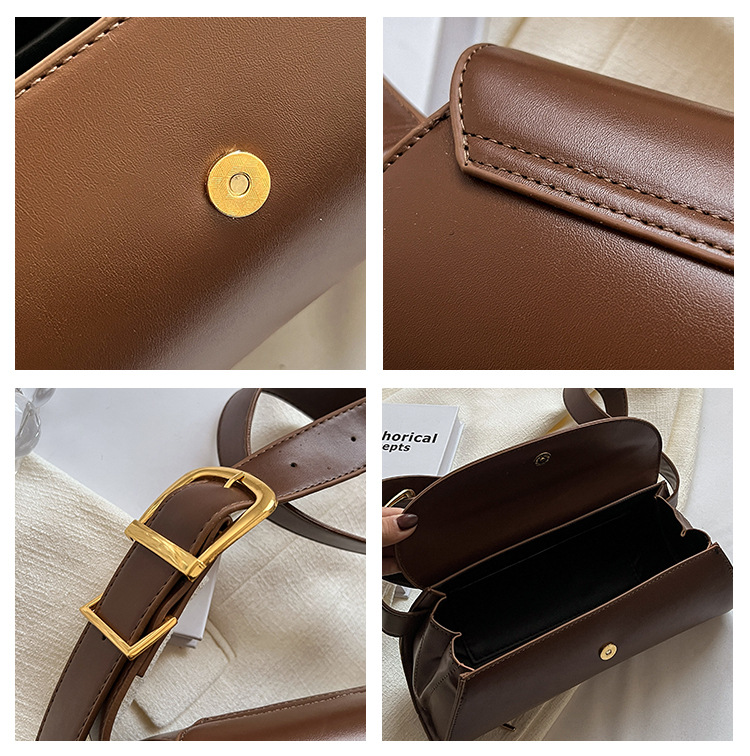
– Skilled artisan teams: PrinceBag blends traditional handwork with modern precision. Leather cutting, edge finishing, hand-stitching, and lining installation are executed by experienced craftsmen who are trained to meet brand-specific standards.
– Standardized processes: To guarantee consistency, PrinceBag develops standardized work instructions (SWIs) and digital quality checklists for every SKU. This reduces variability across production runs, factories, and shifts.
– Multi-stage inspections: Incoming inspection of materials, in-line sampling during assembly, and final inspection before packaging are enforced to maintain quality thresholds. Brands receive inspection reports and photos for transparency.
The direct consequence of this approach is predictable product performance—fewer returns, stronger retail presence, and better consumer trust in the brand’s product promise.
Deep Customization Capabilities
For fashion labels, differentiation often rests on unique design details. PrinceBag’s long-term partners rely on its ability to execute deep customization:
– Pattern making and prototyping: In-house pattern engineering and rapid prototyping enable brands to iterate quickly from concept to wearable sample.
– Hardware sourcing and finishing: From custom metal logos to zippers, PrinceBag coordinates bespoke hardware production and surface finishing (plating, anodizing, PVD) to match brand aesthetics.
– Material innovation: The company sources and tests a wide array of leathers, vegan alternatives, coated fabrics, and performance linings, providing brands with a palette of options.
– Small-batch runs and capsule flexibility: PrinceBag supports limited-edition and capsule collections, enabling brands to test concepts without committing to large minimum order quantities (MOQs).
Customization at this level lets brands retain their creative identity while leveraging PrinceBag’s manufacturing expertise.
Reliable Lead Times and Scalable Production Capacity
Fashion calendars are unforgiving. Timelines must be met for seasonal launches, wholesale commitments, and e-commerce campaigns. PrinceBag achieves reliability through:
– Multiple production facilities and contingency planning: Having access to a network of qualified production sites reduces single-point failure risk.
– Capacity planning and demand forecasting: PrinceBag works with brand partners to align production schedules with realistic lead times, using buffer strategies and prioritized scheduling for core SKUs.
– Flexible scheduling for rush orders: Dedicated production windows and overtime policies help meet urgent replenishment needs.
These operational strengths help brands avoid stockouts, maintain planned marketing campaigns, and react to market demand spikes.
Transparent Costing and Value-Oriented Pricing
Price competitiveness matters, but so does transparency. PrinceBag’s costing model supports brands’ margin management while offering clear explanations of price drivers.
– Detailed costing breakdowns: Material costs, labor, tooling, packaging, and logistics are itemized so brands can see where value is allocated.
– Value engineering: PrinceBag works with brands to find cost-saving alternatives that preserve aesthetic and functional goals—e.g., optimized construction techniques or alternative hardware sources.
– MOQs and pricing tiers: Flexible MOQ policies and tiered pricing allow brands to scale production without disproportionate cost increases.
By presenting clear, defensible price structures, PrinceBag helps brands make informed decisions about pricing strategy, retail margins, and inventory investment.
Supply Chain Transparency and Responsible Sourcing
Sustainability and traceability have moved from niche concerns to central business imperatives. PrinceBag’s long-term partners value its progressive approach to responsible sourcing:
– Supplier audits and material traceability: PrinceBag maintains records of material origins and conducts supplier evaluations to meet brand expectations for traceability.
– Eco-conscious material offerings: Vegetable-tanned leathers, recycled fabrics, low-impact dyeing processes, and certified linings are part of the sourcing portfolio.
– Waste reduction and resource efficiency: Production practices emphasize cut optimization, rework workflows, and responsible waste disposal.
– Compliance with international standards: PrinceBag supports compliance with Restricted Substance Lists (RSLs), REACH, and other region-specific requirements, providing test reports and certificates when needed.
This supply chain discipline strengthens long-term brand reputations and reduces risk related to regulatory or consumer scrutiny.
Robust Quality Assurance and Certifications
For fashion brands, supplier certifications and documented QA systems are essential for retail partnerships and compliance.
– Internal quality management system: PrinceBag follows documented QA protocols, corrective action procedures (CAPAs), and continuous improvement cycles.
– Third-party testing and certification support: The manufacturer coordinates lab testing for colorfastness, seam strength, abrasion, and chemical compliance, delivering reports that meet retailer or jurisdictional requirements.
– Long-term defect tracking and analytics: PrinceBag records product performance issues and uses root-cause analysis to prevent recurrence.
This focus on documented QA helps brands scale into large retailers and markets with stringent entry requirements.
Intellectual Property Protection and Confidentiality
Design confidentiality is a critical concern for fashion brands. PrinceBag takes measures to protect its partners’ IP.
– Non-disclosure agreements and secure communication: Legal agreements and controlled access to technical files prevent unauthorized disclosures.
– Controlled access to patterns and tools: Tooling, patterns, and digital files are protected with restricted permissions and storage protocols.
– Ethical supplier policies: PrinceBag enforces contractual clauses to prevent subcontracting that could expose designs.
Brands gain comfort knowing their creative assets are managed with discretion and legal safeguards.
Design Collaboration and Product Development Support
Long-term partnerships thrive on collaborative design processes. PrinceBag embeds resources to help brands refine and scale their designs:
– Dedicated technical teams: Pattern makers, CAD specialists, and sample technicians collaborate with brand designers to solve production challenges early.
– Fit and wear testing: Prototyping cycles include performance testing and user feedback loops for product refinement.
– Co-development on materials and techniques: PrinceBag often works jointly with brands to develop unique finishes or structural innovations (e.g., molded shapes or weight-optimizing constructions).
This collaborative model reduces time-to-market and improves the likelihood of commercial success for new styles.
Customer Service, Communication, and Project Management
Effective communication reduces errors and accelerates decision-making—key elements in sustaining long-term manufacturing relationships.
– Dedicated account managers: Brands have single points of contact who understand their design language, priorities, and historical decisions.
– Structured project timelines and reporting: Status updates, milestone dashboards, and production reports provide visibility and control.
– Problem-resolution protocols: When issues arise, PrinceBag’s escalation paths and corrective action plans keep projects on track.
Strong service orientation builds trust, making brands feel they are in a responsive and proactive partnership rather than a vendor relationship.
After-Sales Support and Warranty Handling
Products don’t stop being important after they ship. PrinceBag’s after-sales services reduce brand workload and protect reputation.
– Warranty repair coordination: For B2B clients, PrinceBag can handle repairs or replacements for manufacturing defects, streamlining the customer experience.
– Reverse logistics support: The manufacturer helps coordinate returns and refurbishments where appropriate.
– Continuous improvement feedback loops: Insights from after-sales are integrated into production to reduce future defects.
These services minimize brand exposure to product issues and provide practical solutions when problems occur.
Innovation, Technology, and R&D
Leading brands partner with manufacturers that offer more than production—they offer ideas for evolution.
– Material testing labs and pilot workshops: PrinceBag invests in testing capability to qualify new materials and constructions before full-scale launch.
– Digital tooling and automation: Use of CAD, digital cut optimization, and selective automation reduces costs and improves precision.
– Trend and market intelligence: PrinceBag’s exposure to many clients allows it to share insights on emerging materials, consumer preferences, and production efficiencies.
These capabilities help brands remain competitive and responsive to market changes.
Comparative Analysis Table
| Criteria | PrinceBag Strengths | Typical Competitor | Impact on Brand |
|---|---|---|---|
| Quality & Craftsmanship | Skilled artisans, multi-stage QC, SWIs | Variable skill levels, spotty QC | Consistent product quality; fewer returns |
| Customization & Prototyping | In-house patterning, rapid prototyping | Longer sample cycles, outsourced pattern work | Faster design iterations; preserves brand identity |
| Lead Times & Capacity | Multiple facilities, buffer capacity | Single-site constraints | On-time launches and reliable replenishment |
| Pricing Transparency | Detailed cost breakdowns, value engineering | Opaque pricing, hidden fees | Better margin control and planning |
| Supply Chain & Sustainability | Traceability, eco-materials, audits | Limited transparency | Reduced reputational risk; compliance ready |
| QA & Certifications | Documented QA, testing coordination | Inconsistency in testing & reporting | Smoother retail approvals and market entry |
| IP Protection | NDA practices, controlled access to tools | Loose controls, subcontracting risk | Confidentiality preserved; reduced design leakage |
| Customer Service | Dedicated AMs; structured reporting | Reactive communication | Faster decisions and fewer misunderstandings |
| R&D & Innovation | Material labs, digital tooling | Limited R&D | Continuous product evolution |
Case Examples of Long-Term Collaborations
Though specific brand names may be sensitive, common patterns emerge across successful long-term partnerships with PrinceBag:
– Seasonal Collections: A mid-sized brand that started with a capsule order expanded to seasonal core styles after consistent quality and timely deliveries on initial runs. PrinceBag’s willingness to lock-in capacity for core SKUs helped the brand increase wholesale commitments.
– Private Label Growth: An online D2C brand scaled from small MOQs to larger production volumes, leveraging PrinceBag’s sampling and costing transparency to introduce a premium line without margin erosion.
– Sustainability Repositioning: A heritage brand wanting to reduce environmental footprint partnered with PrinceBag to switch to certified leathers and recycled linings, using PrinceBag’s supplier network and testing capabilities to meet retailer expectations.
In each case, continuity of people and processes—familiar account managers, repeatable sample patterns, and documented quality standards—cemented the long-term relationship.
How Brands Can Evaluate PrinceBag (or Any Manufacturer)
Selecting a manufacturing partner is a strategic decision. Brands should assess suppliers against several practical criteria:
– Sample accuracy: Does the prototype match specifications and aesthetic quality?
– Lead time reliability: Are sample-to-production timelines met consistently?
– Transparent costing: Is pricing broken down clearly, and are market-rate explanations provided?
– Quality systems: Are there SWIs, CAPAs, and traceable QA documentation?
– Communication: Is the account team responsive and proactive?
– IP safeguards: Are NDAs and physical/digital controls enforced?
– Sustainability practices: Can the supplier provide material traceability and test reports?
– Scalability: Does the manufacturer have contingency plans for capacity increases?
A pilot order with detailed checkpoints often provides the best real-world assessment.
Practical Steps for Starting a Long-Term Partnership with PrinceBag
If a brand decides to engage PrinceBag, these steps help align expectations and accelerate a productive relationship:
1. Discovery & Alignment: Define brand philosophy, target price points, expected volumes, and sustainability priorities.
2. Technical Kickoff: Share tech packs, material references, and desired tolerances. Schedule an initial design and feasibility review.
3. Sampling Phase: Proceed with a structured sample calendar (proto, fit, pre-production sample) with documented feedback and sign-offs.
4. Costing & Contracting: Agree on detailed costing, lead times, MOQs, payment terms, and quality metrics. Sign NDAs and commercial agreements.
5. Pre-Production & Approval: Approve pre-production samples and establish final QC checklists.
6. Production & Monitoring: Use milestone reporting, photo check-ins, and acceptance testing during production.
7. Post-Production Support: Confirm packaging, shipping plans, and after-sales processes. Conduct a lessons-learned review.
Clear documentation and mutual commitments at each stage set the conditions for a durable partnership.
Mitigating Common Risks in Manufacturer Relationships
Even the best manufacturers can encounter issues. PrinceBag minimizes common risks through these measures:
– Diversified supply base: Reduces single-source risk for critical materials.
– Insurance and trade terms: Clarifies liability and loss responsibilities during transit or production.
– Quality gates and sample sign-offs: Ensures no large runs start without explicit approval.
– Currency and payment hedging support: Advises brands on financial risk strategies for long-term orders.
– Ethical sourcing audits: Protects brand reputation against labor or regulatory violations.
By proactively addressing risks, PrinceBag supports brands in achieving predictable outcomes.
Why Long-Term Relationships Matter More Than Ever
The fashion industry’s shift toward conscious consumption, rapid retail cycles, and digital-first marketing magnifies the advantages of long-term manufacturer relationships:
– Faster innovation adoption: A trusted manufacturer is more invested in testing and implementing new materials and constructions.
– Operational efficiency: Familiarity reduces onboarding time for new styles and streamlines approvals.
– Cost predictability: Long-term agreements enable better forecasting and better raw material negotiation.
– Brand storytelling: Manufacturers that understand a brand can help articulate product provenance and sustainability claims more credibly.
PrinceBag’s commitment to partnership-driven manufacturing aligns with these industry trajectories, making it a favored long-term partner for brands seeking stability and growth.
The Strategic Value of Choosing PrinceBag
Fashion brands choose PrinceBag for reasons that go beyond simple price comparisons. The company combines artisanal skill with operational rigor, transparent commercial practices, and a service mindset that treats brand success as a shared objective. Key drivers—consistent product quality, deep customization, supply chain transparency, reliable lead times, and collaborative R&D—create measurable business advantages for brands that commit to multi-season partnerships.
For brands intent on scaling responsibly and retaining creative control, PrinceBag offers a practical partnership model: one that integrates technical capability, process discipline, and strategic alignment. Whether a brand’s priority is craftsmanship, sustainability, or speed to market, the components of PrinceBag’s approach address those needs in concrete, testable ways—making it a compelling long-term manufacturing partner in the competitive handbag market.
If you are a brand evaluating manufacturing partners, consider conducting a structured pilot project with PrinceBag that incorporates the evaluation criteria and checkpoints outlined above. The investment in a well-managed pilot can rapidly reveal whether a long-term partnership will deliver the operational predictability and creative freedom your brand needs to thrive.