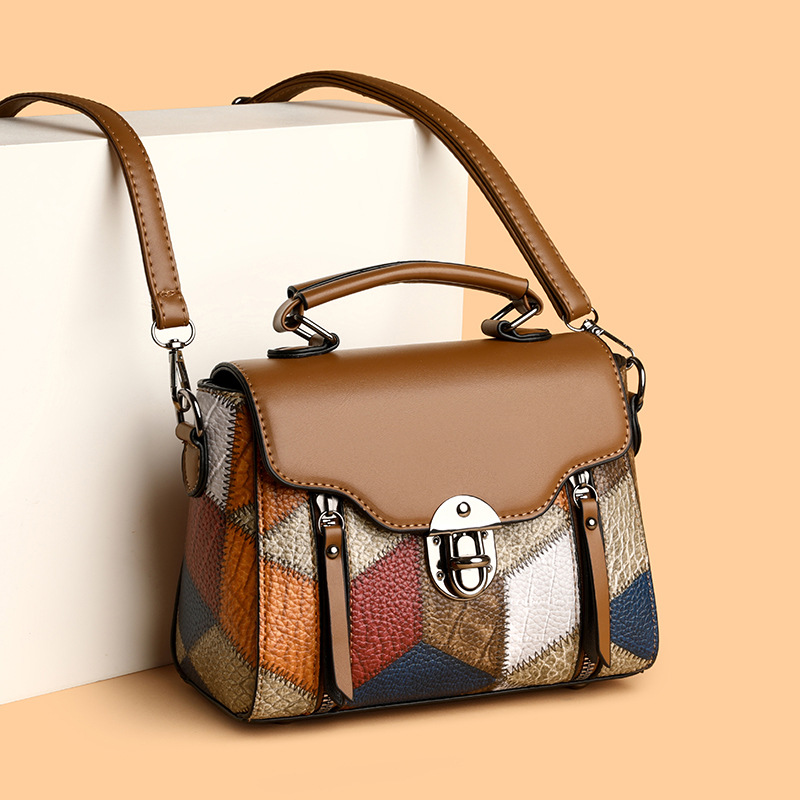

Cross-body women’s handbags remain one of the most consistent sellers across global fashion markets. Their blend of comfort, versatility, and everyday functionality makes them ideal for diverse consumer segments: commuters, travelers, students, and fashion-forward shoppers alike. For retailers, boutiques, and online sellers seeking steady margins and repeat business, sourcing cross-body handbags in bulk is a strategic move. PrinceBag positions itself as a reliable supplier in this category, offering wholesale solutions tailored to volume buyers who demand consistent quality, competitive pricing, and timely fulfillment.
This article provides an in-depth, professional exploration of bulk cross-body handbags from a wholesale perspective with PrinceBag as the focal supplier. We will analyze product types, materials, MOQ (minimum order quantity), pricing, lead times, customization options, quality control measures, logistics, and procurement best practices to help buyers make informed decisions.
Market Overview: Demand Drivers for Cross-body Handbags
Several market trends sustain demand for cross-body handbags:
– Practicality and mobility: As lifestyles become more mobile, consumers prioritize hands-free convenience and secure storage.
– Versatility in styling: Cross-body designs can range from sporty to elegant, appealing to multiple demographics.
– Seasonal and gift markets: Cross-body bags are popular year-round, with spikes during holiday and back-to-school seasons.
– Boom in e-commerce: Lightweight, compact cross-body bags have lower shipping costs and fewer returns, attractive to online sellers.
For wholesalers, these characteristics translate into predictable reorder cycles and the opportunity to develop private-label lines or curated collections under strong margins.
Why Choose PrinceBag: Supplier Strengths and Capabilities
PrinceBag differentiates itself in several key areas:
– Manufacturing footprint: Owning or closely partnered factories that specialize in small leather goods and lightweight accessories allows for better control of production quality and timelines.
– Quality assurance systems: In-line inspections, pre-shipment checks, and third-party audit options reduce defect rates for bulk orders.
– Customization and OEM/ODM services: Design support, logo embossing, hardware customization, and private-label packaging are available for brands seeking exclusivity.
– Competitive pricing structure: Volume discounts, bundled logistics, and optimized supply chains help maintain attractive wholesale pricing.
– Compliance and certifications: Many buyers require suppliers to meet material safety and labor compliance standards; PrinceBag typically supports this with documentation on request.
– Customer service and communication: Dedicated account managers and timely order tracking are essential for wholesale relationships.
Product Portfolio: Cross-body Handbag Categories Offered
PrinceBag’s cross-body handbag portfolio commonly includes:
– Classic everyday cross-body: Medium size, functional compartments, adjustable straps.
– Mini cross-body: Compact, trend-forward, suitable for phone and essentials.
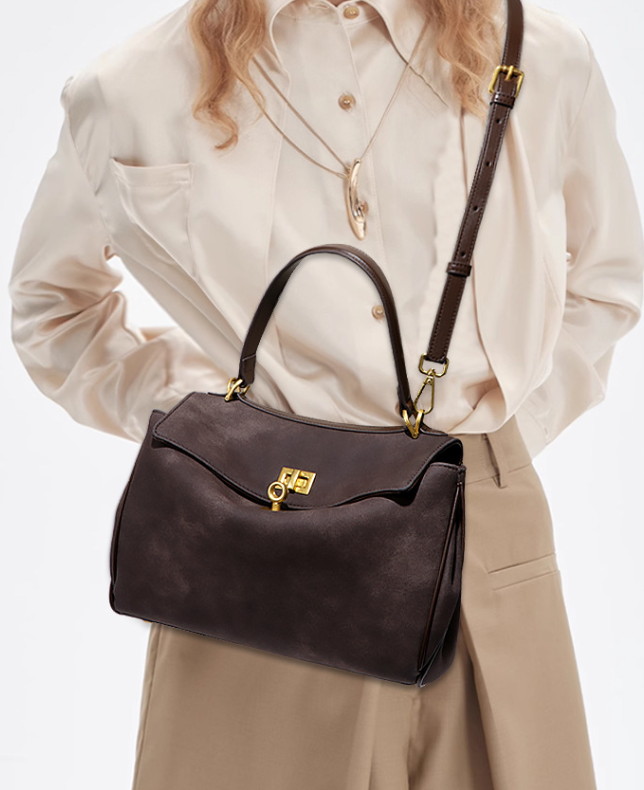
– Leather luxury cross-body: Full-grain or top-grain leather, premium hardware.
– Vegan/leatherette options: PU leather and eco-friendly alternatives for cost-sensitive or ethical buyers.
– Sport and travel cross-body: Water-resistant materials, secure closures, RFID-blocking pockets.
Each category has different implications for pricing, MOQ, and production lead time.
Procurement Considerations: What Wholesale Buyers Should Evaluate
When sourcing cross-body handbags in bulk, buyers should evaluate:
– Minimum Order Quantity (MOQ): Understand if MOQs vary by style, material, or customization level. PrinceBag typically sets MOQs to balance production efficiency and buyer flexibility.
– Price per unit: Consider tiered pricing that decreases with higher volumes; include hardware, lining, and packaging costs.
– Lead time: Account for sampling, mold creation, production, QC, and shipping. Lead times vary significantly between stock items and fully custom orders.
– Quality standards: Request material swatches, sample units, and QC reports. Ask about stitching density, strap strength, and hardware ratings.
– Customization options: Confirm the supplier’s capabilities for branding, custom tags, and bespoke colorways.
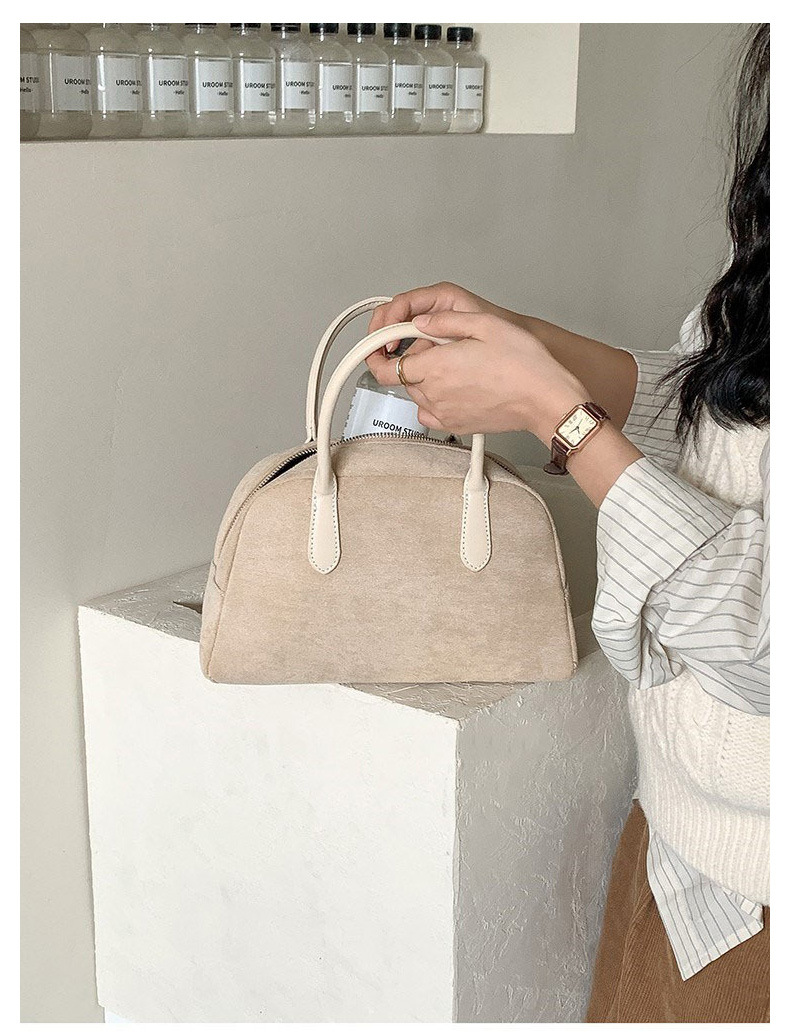
– Logistics and shipping: Understand whether the supplier handles DDP/DDU and what carriers and timelines are typical.
– After-sales support: Return policies, repair services, and warranty terms for defects are important for managing customer satisfaction.
Sample to Bulk: Managing the Development Process with PrinceBag
A typical process from sample to bulk with PrinceBag might look like this:
– Initial inquiry and spec sheet: Share desired design, materials, dimensions, and order quantity.
– Quotation and lead-time estimate: Receive prices and estimated production timeline.
– Sample development: Approve design mockups and physical samples; iterate until the final sample meets expectations.
– Pre-production deposit: Secure production slot with a deposit.
– Production run and in-line inspections: Track manufacturing; request mid-production photos or inspections.
– Pre-shipment inspection: Conduct third-party inspection or review supplier’s QC report.
– Final payment and shipping: Release final payment and arrange shipping terms.
Clear communication at each stage reduces misunderstandings and ensures successful bulk fulfillment.
Quality Control Checklist for Cross-body Handbags
Quality control for cross-body handbags should cover the following:
– Material inspection: Verify leather grade, PU quality, dye consistency, and lining fabric weight.
– Hardware testing: Check zippers, buckles, rivets, and adjustable strap mechanisms for durability.
– Stitching and seam strength: Evaluate stitch density, backstitching at stress points, and seam alignment.
– Measurements and tolerances: Confirm dimensional accuracy against approved samples.
– Functional testing: Test strap adjustment, pocket closures, and any special features like RFID lining.
– Packaging integrity: Ensure packaging protects products and is suitable for retail presentation if required.
As a reliable supplier, PrinceBag can provide inspection reports and welcome third-party audits.
Pricing Strategy and Cost Components
Pricing for wholesale cross-body handbags generally includes:
– Base material costs: Leather, PU, fabrics, linings.
– Components: Zippers, hardware, straps, accessories.
– Labor: Cutting, stitching, assembly, finishing.
– Overhead and tooling: Pattern development, dies, molds, and administrative costs.
– Customization costs: Logo embossing, custom colors, and packaging.
– Freight and logistics: Sea or air shipping, customs duties, and insurance.
When negotiating with PrinceBag, buyers should ask for a breakdown of costs and explore volume discounts or bundled services to lower per-unit expenses.
Logistics, Shipping, and Lead Time Optimization
Key logistics considerations include:
– Shipping method: Sea freight is economical for large volumes; air freight is faster but more costly.
– Incoterms: Understand DDP, FOB, CIF terms to know where risk and cost transfer.
– Consolidation: If purchasing multiple SKUs, consolidate into full containers to reduce per-unit shipping costs.
– Lead time planning: Plan seasonal orders 3–6 months in advance for custom lines; stock items may be reorderable faster.
– Local warehousing: Explore fulfillment centers near primary markets to reduce last-mile delivery times.
PrinceBag typically works with experienced freight forwarders and can assist with multi-modal logistics.
Customization and Private Labeling Opportunities
Private labeling is a powerful way to build brand identity. PrinceBag’s customization services usually include:
– Logo embossing or metal badges.
– Custom hardware finishes (antique brass, gunmetal, rose gold).
– Special color matching and bulk dyeing.
– Custom lining prints and hangtags.
– Branded retail packaging and polybags.
Be mindful of minimum quantities and lead time implications when requesting full customization suites.
Risk Management and Supplier Due Diligence
Before committing to large orders, perform thorough due diligence:
– Factory audits: Request photos, production capacity, and certifications (e.g., ISO, BSCI).
– References and case studies: Ask for buyer references or examples of past bulk orders.
– Sample quality: Approve final pre-production samples with clear sign-off on tolerances.
– Payment terms: Negotiate split payments tied to milestones to reduce financial exposure.
– Insurance and dispute resolution: Ensure clear contracts outlining remedies for defects, delays, or non-compliance.
A reliable supplier like PrinceBag will be transparent about processes and open to third-party verification.
Comparison Table: Cross-body Models Analysis (5-Column)
| Model / Category | Material & Finish | MOQ (Units) | Typical Wholesale Price Range (USD) | Estimated Lead Time |
|---|---|---|---|---|
| Classic Everyday Cross-body | PU leather / nylon lining; antique brass hardware | 300 | $8.50 – $18.00 | 30–45 days |
| Mini Trend Cross-body | Vegan leather / printed lining; lightweight zippers | 500 | $4.50 – $12.00 | 25–40 days |
| Premium Leather Cross-body | Top-grain leather / full lining; premium hardware | 200 | $25.00 – $55.00 | 45–70 days |
| Sport/Travel Cross-body | Water-resistant nylon / mesh compartments; YKK zippers | 400 | $7.00 – $16.00 | 30–50 days |
| Eco / Recycled Material Cross-body | Recycled PET fabric / eco leather alternatives | 600 | $9.00 – $22.00 | 35–60 days |
Note: Prices, MOQs, and lead times are indicative and can vary by exact specification, order size, and season. Always request a formal quote.
Best Practices for Negotiating with PrinceBag
To secure optimal terms:
– Prepare volume forecasts: Commit to realistic multi-month or annual buy plans to unlock better discounts.
– Request bundled services: Ask for combined pricing on design, sampling, and logistics.
– Negotiate payment terms: Aim for 30% deposit, balance before shipment or upon B/L release; consider letter of credit for higher-value orders.
– Consolidate SKUs: Fewer SKUs at larger volumes often reduce tooling and setup fees.
– Trial smaller runs first: For new designs, start with a moderate MOQs to test market reception before scaling.
Good negotiation is based on transparent communication and mutual benefit.
Case Example: Launching a Private-Label Cross-body Line
Scenario: A boutique retailer wants a seasonal private-label cross-body range of three styles: mini, classic, and premium leather.
Steps with PrinceBag:
1. Concept and spec sheet sharing: Provide mood boards, target price, and desired features.
2. Sampling: Approve samples for each style (3–4 weeks).
3. Pilot order: Place initial order of 1,000 units across styles to test market.
4. Marketing alignment: Ensure packaging and hangtags reflect brand identity.
5. Reorder and scale: Use sales data to reorder best-sellers with higher volumes and negotiate better pricing.
This structured approach reduces risk while building a signature collection.
Sustainability and Ethical Sourcing
Sustainable practices are increasingly important to consumers:
– Material transparency: Request information on leather tanning processes, chemical usage, and recycled content.
– Worker welfare: Verify fair labor practices, working hours, and safety standards through audits.
– Waste reduction: Ask about approaches to minimize offcuts, reuse materials, or adopt eco-packaging.
– Certifications: Look for suppliers who can provide verification like OEKO-TEX, GRS (Global Recycle Standard), or similar.
PrinceBag can often accommodate sustainable requests though they may affect pricing and lead times.
Common Pitfalls and How to Avoid Them
– Skipping samples: Avoid bulk orders without approved physical samples.
– Underestimating lead time: Factor in production, inspection, and shipping buffer.
– Ignoring QC: Always request inspection reports or third-party checks.
– Not clarifying costs: Ensure quotes include all component and packaging costs to avoid surprises.
– Over-diversifying SKUs too early: Focus on a few core designs to build inventory velocity.
Partnering with a reliable supplier mitigates many of these risks.
Conclusion: Making PrinceBag Your Wholesale Cross-body Partner
Sourcing bulk cross-body women’s handbags is a strategic way to build predictable revenue streams. PrinceBag offers the core capabilities a wholesale buyer needs: manufacturing expertise, customization options, quality control systems, competitive pricing, and logistics support. Success depends on clear specification, disciplined sampling and QC, realistic lead time planning, and strong communication.
Whether you are a retailer launching a private-label collection, an e-commerce entrepreneur scaling SKUs, or a distributor seeking reliable supply, evaluating suppliers against the criteria outlined here will guide you to confident procurement decisions. Engage PrinceBag with specific design briefs, request formal quotes, and run pilot orders to validate quality and market fit — that pragmatic approach reduces risk and positions your business for repeatable success in the cross-body handbag category.