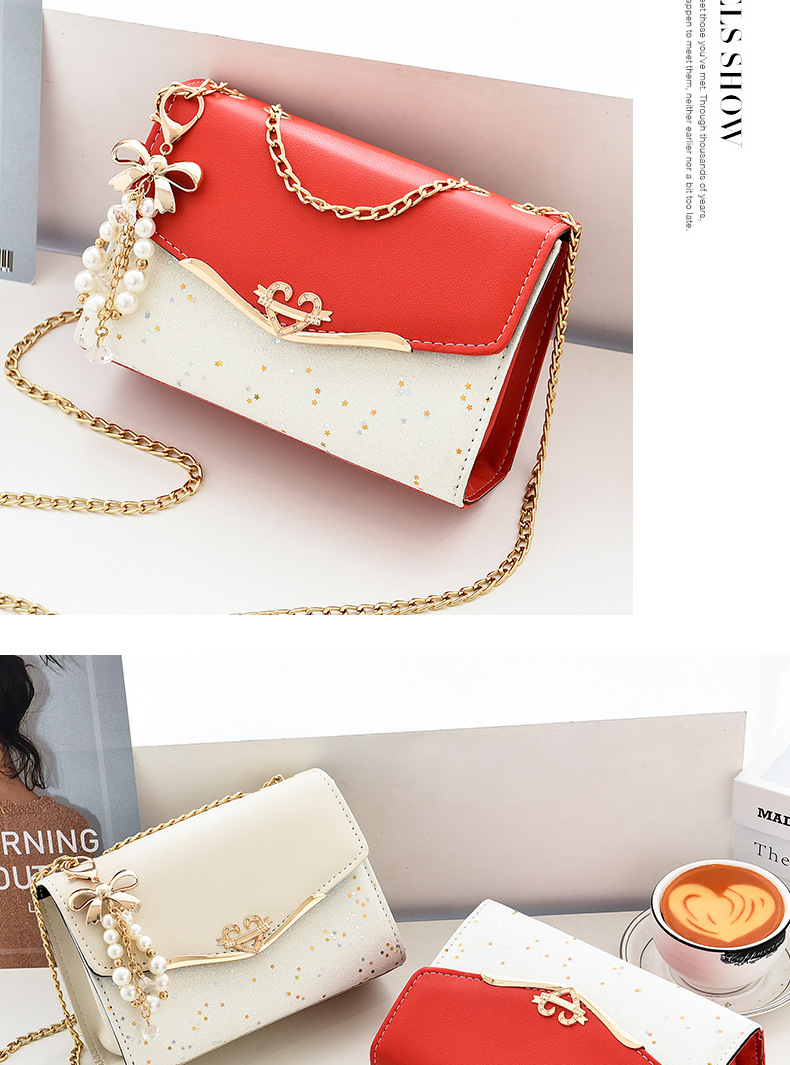

In an increasingly competitive fashion accessories market, B2B buyers—retailers, private labels, and distributors—need manufacturing partners who can deliver not just quality products, but also design, development, and supply chain agility. PrinceBag’s Sling Leather handbags ODM (Original Design Manufacturer) service is tailored to meet these needs. This article explores how PrinceBag’s ODM offering benefits B2B buyers, the end-to-end process from concept to shipment, quality assurance practices, typical timelines and costs, and how to evaluate whether PrinceBag is the right long-term manufacturing partner for your brand or retail business.
What Is ODM and Why It Matters for B2B Buyers
ODM stands for Original Design Manufacturer. Unlike OEM (Original Equipment Manufacturer), which manufactures to a buyer’s supplied design, ODM companies provide both design and manufacturing services. For B2B buyers in fashion accessories, especially leather goods like sling handbags, an ODM partner reduces the time, cost, and complexity of bringing a product to market. ODM providers contribute design expertise, material sourcing, pattern making, sampling, and full production capabilities—allowing buyers to focus on branding, sales channels, and marketing.
For buyers who want to launch their own label or expand a product line without investing heavily in in-house design and production facilities, an experienced ODM partner like PrinceBag can be the difference between a stalled product idea and a successful product launch.
PrinceBag’s Core Strengths for Sling Leather Handbags
– Design expertise: PrinceBag employs designers with deep experience in bag silhouettes, trends, functional features, and ergonomic considerations for slings—ensuring products are fashionable and practical.
– Leather sourcing and material knowledge: Access to top-quality leathers (full-grain, top-grain, PU alternatives), linings, hardware, and eco-friendly options.
– In-house production and skilled craftsmen: Facilities capable of handling pattern making, cutting, stitching, hardware installation, and finishing.
– End-to-end ODM services: From initial design sketches and CADs to prototyping, sampling, mass production, QC, packaging, and logistics.
– Flexible MOQ and scalable production: Options for small initial runs for market testing or large-scale orders for established retailers.
– Compliance and sustainability options: Certifications, chemical testing (e.g., heavy metals), and options for sustainable materials and processes.
Five-Column Analysis Table: Key ODM Service Components
| Service Aspect | PrinceBag ODM Offering | Benefit to B2B Buyer | Typical Lead Time | Estimated MOQ / Cost Range |
|---|---|---|---|---|
| Design & Concept | Trend research, concept boards, CADs, tech packs, material suggestions | Faster product concept validation; professional design language aligned with market | 1–3 weeks (concept + revisions) | Included in ODM contract; design fee may apply ($500–$2,000 depending scope) |
| Sampling & Prototyping | Physical prototyping, sample revisions, fit and functional testing | Refined product before mass production; reduces risk of defects | 2–6 weeks per sample iteration | Sample fee $50–$300 per sample; multiple iterations possible |
| Materials & Sourcing | Leather selection, lining, hardware, eco-options; quality verification | Access to vetted suppliers; consistent material quality | 1–4 weeks for sourcing; concurrent with sampling | Material cost varies by leather type ($6–$70+ per bag material cost) |
| Production & QC | Cutting, stitching, hardware fitting, inspections, inline and final QC | Reliable quality; reduced returns; brand reputation protection | 30–60 days depending on order size and season | MOQ typically 300–1,000 units for custom designs; unit cost depends on specs ($8–$80+) |
| Packaging & Logistics | Custom packaging, labeling, hangtags, bundling, pre-shipment inspections, FOB/CIF options | Ready-to-sell products; simplified import process and faster shelf entry | 1–3 weeks for packaging setup; shipping varies by method | Packaging setup $200–$1,000; shipping cost based on volume/route |
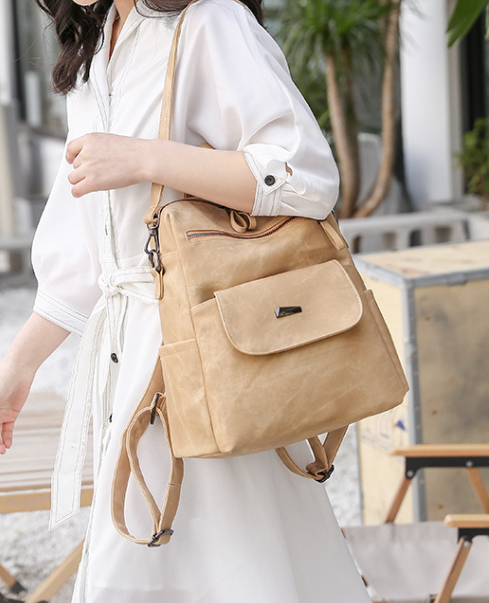
Design Development: Turning Concepts into Salable Sling Bags
PrinceBag’s design development process begins with buyer input: target market, price point, preferred materials, and brand aesthetics. From there, PrinceBag’s design team generates mood boards, sketches, and CAD drawings. For B2B buyers who want private label products, PrinceBag can incorporate brand-specific logos, linings, and unique hardware.
Key steps include:
– Market and trend analysis: Understanding customer demographics and regional preferences.
– Sketching and CADs: Detailed technical drawings for patterns and production.
– Material recommendations: Choosing leather types (full-grain, top-grain, corrected grain, or synthetic alternatives) and complementary linings.
– Functional testing: Ensuring zippers, straps, closures, and ergonomics meet daily use scenarios.
This integrated approach reduces back-and-forth and shortens time to market, giving retailers and brands a competitive edge.
Material Selection and Sustainability Options
For leather sling handbags, material choice determines aesthetics, durability, and cost. PrinceBag offers:
– Premium leathers: Full-grain and top-grain for higher price tiers.
– Corrected-grain and coated leathers: More economical with consistent finishes.
– PU and vegan leathers: For ethical or price-sensitive product lines.
– Linings and hardware: YKK zippers, brass or zinc alloy hardware, and recycled textiles on request.
– Sustainable choices: Vegetable-tanned leathers, chrome-free processes, or Recycled PET linings.
B2B buyers increasingly demand traceability and lower environmental impact. PrinceBag can assist with supplier audits, chemical testing (e.g., REACH compliant components), and documentation for import compliance.
Sampling, Prototyping, and Pre-Production Validation
Sampling is where design intent meets reality. PrinceBag typically follows a three-stage sampling approach:
– Initial Proto Sample: Validates silhouette, dimensions, and hardware placement.
– Fit/Function Sample: Confirms ergonomics, strap length, weight distribution, and closure reliability.
– Pre-Production Sample (PPS): Final color, materials, and hardware tested—used for buyer approval and bulk production sign-off.
Clear communication and detailed tech packs reduce iterations. PrinceBag offers photographic and video documentation of samples, plus third-party lab testing when requested.
Quality Control and Compliance
Quality control is critical for maintaining brand reputation. PrinceBag uses a combination of inline QC and final inspections:
– Inline QC: Spot checks during cutting, sewing, and assembly to catch defects early.
– Final QC: 100% visual and functional inspections for problems like uneven stitching, color inconsistency, and hardware defects.
– Random physical testing: Stress testing straps, zipper pull cycles, and load tests.
– Compliance testing: Chemical and heavy metal testing for buyers targeting markets with strict regulations.
PrinceBag can accommodate third-party inspections by buyers or their agents and provides necessary documentation for customs and retail compliance.
Production Capacity, Lead Times, and Minimum Order Quantities
PrinceBag balances artisanal craftsmanship with scalable production capacity. Typical lead times:
– Small pilot runs: 4–8 weeks after sample approval.
– Larger production runs: 6–10+ weeks depending on complexity and seasonality.
Minimum Order Quantities (MOQ) depend on customization level. Simple private-label runs with standard components may start as low as 200–300 units, while fully customized designs with unique hardware often require 500–1,000+ units. Buyers should discuss batch sizes early to optimize cost and inventory risk.
Pricing Models and Cost Drivers
Price per unit varies widely based on leather type, hardware quality, complexity, and order size. Primary cost drivers:
– Material costs: Premium leathers and custom hardware significantly increase unit cost.
– Labor and craftsmanship: Hand-finishing, edge painting, and intricate stitching add time.
– Tooling and hardware setup: Custom molds, metal plating, or branded hardware incur upfront fees.
– Packaging: Custom boxes, dust bags, and printed inserts increase per-unit costs.
PrinceBag provides transparent breakdowns—material, labor, overhead, and tooling—helping buyers forecast margins and set retail prices.
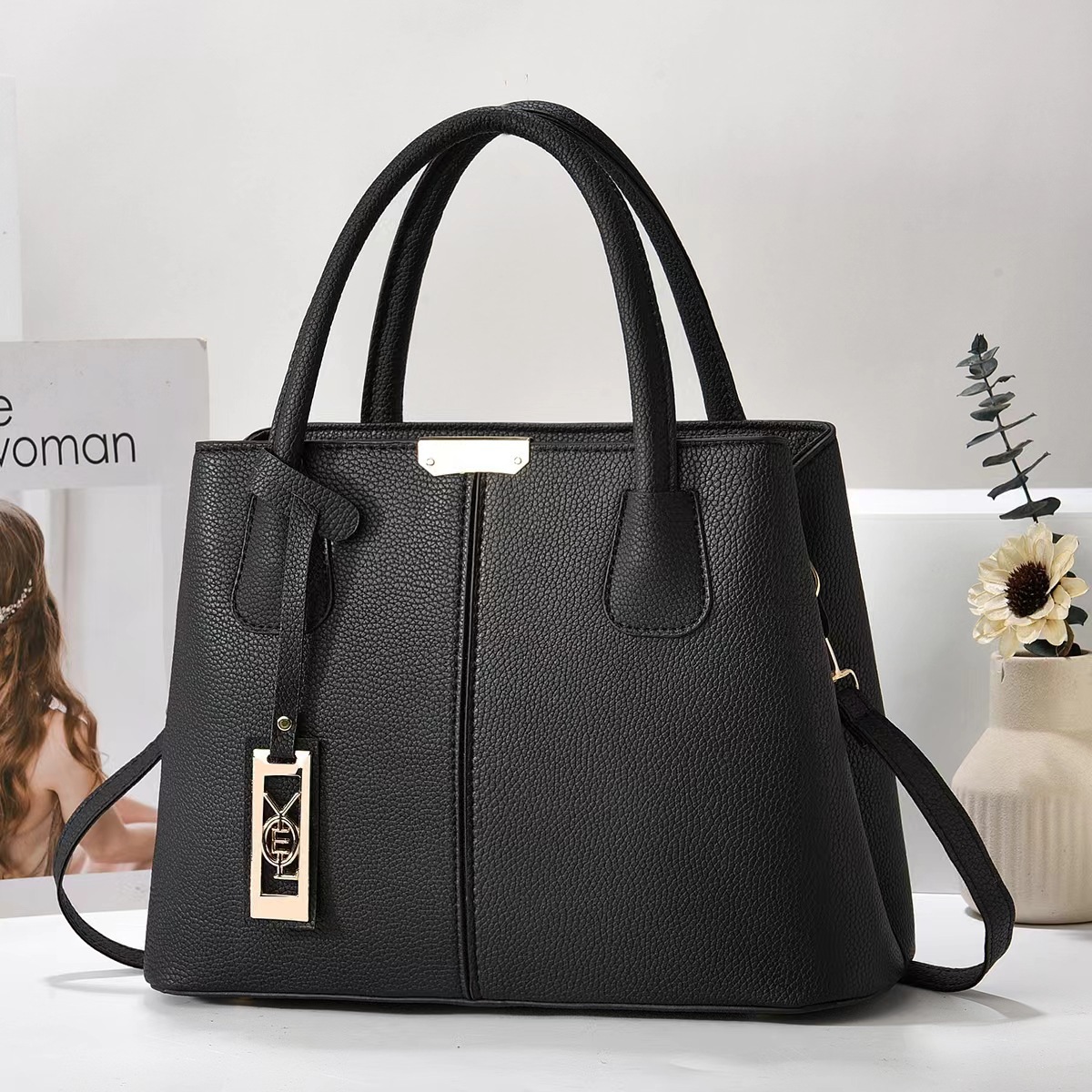
Packaging, Branding, and Logistics
Packaging is part of the customer experience. PrinceBag supports:
– Custom packaging designs: Boxes, dust bags, swing tags, and instruction cards.
– Branding services: Logo embossing, custom linings, and hangtags.
– Logistics options: FOB, CIF, DDP, or door-to-door shipping, coordinated with the buyer’s freight forwarder.
– Consolidation and warehousing: For multi-SKU orders or staggered shipments.
Timely logistics planning reduces stockouts and enables seasonal launches for retailers.
After-Sales Support and Long-Term Partnerships
A reliable ODM partner offers more than one-time production; it supports product iterations, replenishment, and scaling. PrinceBag provides:
– Reorder management: Forecasting, reorder cadence, and priority scheduling for key accounts.
– Warranty and repair options: Guidance on repair thresholds, spare parts, or refurbishment.
– Co-development for new seasons: Trend-driven collections and seasonal capsules.
Long-term partnerships often unlock better pricing, priority lead times, and collaborative product innovation.
Risk Management and How PrinceBag Mitigates Production Risks
Common production risks include material shortages, quality variance, and lead-time slippage. PrinceBag addresses these by:
– Maintaining multiple vetted material suppliers.
– Implementing strict inline QC to reduce rework.
– Holding buffer stock for high-demand hardware components.
– Clear production schedules and regular buyer updates.
Buyers are encouraged to build contingency plans for peak seasons and ask for production guarantees in contracts.
Case Example: Launching a Mid-Range Private-Label Sling Bag
Scenario: A North American retailer wants a mid-range leather sling bag for urban commuters, target retail price $79–$129.
PrinceBag’s approach:
– Initial consultation to define features: water-resistant topgrain leather, adjustable strap, internal phone pocket, and YKK zippers.
– Design phase: Two concept sketches and CAD tech packs within 10 days.
– Sampling: Three iterations over 4–6 weeks to fine-tune strap width and pocket depth.
– Production: 1,000-unit run completed in 6 weeks after sample sign-off, with inline QC and PPS approval.
– Packaging: Custom dust bag and hangtag included; FOB port of origin shipped within agreed window.
Result: The retailer launched a best-selling item with repeat orders, and PrinceBag scaled production for seasonal replenishment.
How to Get Started with PrinceBag’s ODM Service
Steps for B2B buyers:
1. Initial Inquiry: Share brand brief, target price, and desired specifications.
2. NDA & Sample Agreement: Sign an NDA if needed; agree on design fees and sample costs.
3. Design Brief: Provide mood boards, target audience, and functional requirements.
4. Sampling & Approval: Approve prototypes and pre-production sample.
5. Production Contract: Confirm MOQ, lead time, unit cost, and payment terms.
6. Quality Plan & Shipping: Agree on QC checkpoints and logistics arrangements.
Clear communication and defined timelines are essential for a smooth process. PrinceBag typically assigns a project manager to act as the single point of contact.
Choosing the Right ODM Partner: What B2B Buyers Should Look For
When evaluating PrinceBag or any ODM partner, consider:
– Portfolio relevance: Do their previous sling handbag designs align with your market positioning?
– Transparency: Do they provide detailed cost breakdowns and realistic lead times?
– Quality control: Ask about inspection protocols, testing, and sample documentation.
– Flexibility: Can they handle small pilots and ramp up to large runs without sacrificing quality?
– Compliance: Are materials and processes compliant with your target markets’ regulations?
– Communication and responsiveness: A reliable project manager and timely feedback loops.
Conclusion: Why PrinceBag Is a Strategic ODM Choice for B2B Buyers
PrinceBag’s Sling Leather Handbags ODM service offers B2B buyers a compelling combination of design expertise, material sourcing, production reliability, and supply chain support. Whether you are launching a private-label line, expanding an existing collection, or testing new markets with pilot runs, PrinceBag provides the infrastructure and know-how to minimize risk and accelerate time to market.
Successful partnerships hinge on clear briefs, realistic timelines, and collaborative problem-solving. For retailers and brands that prioritize quality leather construction, thoughtful design, and consistent supply, an ODM partner like PrinceBag can transform product plans into profitable reality. If you’re evaluating ODM options, request detailed proposals, sample timelines, and cost breakdowns—then compare them against your margin targets, inventory strategy, and brand positioning. With the right alignment, PrinceBag can be the manufacturing partner that helps your sling leather handbag line succeed.