

PrinceBag Global Supply has positioned itself as a specialized manufacturer focused on premium leather crossbody bags for brands, retailers, and private-label clients. In an increasingly competitive handbag market, manufacturers that combine material expertise, refined craftsmanship, flexible customization, and reliable supply-chain practices are in high demand. This article provides a comprehensive examination of PrinceBag Global Supply’s capabilities, production processes, quality-control measures, sustainability commitments, and market positioning — and offers practical guidance for buyers seeking a long-term manufacturing partner for premium leather crossbody collections.
Company Overview and Market Position
PrinceBag Global Supply (hereafter PrinceBag) is described as a dedicated leather accessories manufacturer that emphasizes crossbody designs. Their typical clients include fashion labels launching seasonal collections, department store private labels, online DTC (direct-to-consumer) brands, and corporate gifting programs. Manufacturers like PrinceBag succeed by harmonizing three core elements: material sourcing, skilled manufacturing, and logistical reliability. For retailers and brands focused on premium positioning, PrinceBag aims to fill the niche between artisanal small-batch workshops and large-scale, lower-margin contract factories.
Key differentiators for premium leather crossbody manufacturers often include:
– Consistent access to high-grade hides (Italian full-grain, top-grain cowhide, lambskin).
– Skilled pattern-making and sample development for proportion and ergonomics.
– Hardware and finishing selections that communicate luxury (plated metal, solid zippers, quality strap fixtures).
– Scalable production processes that preserve handcrafted details.
PrinceBag’s positioning emphasizes the combination of leather quality, design flexibility, and production systems that allow brands to scale without compromising finish and durability.
Design and Product Development Capabilities
Product development is the foundation of successful premium crossbody production. PrinceBag reportedly offers end-to-end development services: concept sketching, pattern-making, CAD renderings, prototype and sampling, technical packs (specs), and pilot production runs. For premium leather crossbody bags, important design considerations include size and weight balance, strap ergonomics, compartment layout for everyday essentials (phone, wallet, keys), and closures (magnet, flap, zipper) that align with the brand’s positioning.
Effective collaboration between a brand’s design team and the manufacturer ensures that aesthetics, function, and manufacturability align. Designers should expect iterative sample rounds in a well-managed development timeline:
– Round 1: Structural prototype to validate form and strap geometry.
– Round 2: Material mockup using chosen leather and lining to test feel and colorfastness.
– Round 3: Pre-production sample with final hardware and branded details.
PrinceBag’s ability to perform multiple development iterations and provide timely feedback on fit and finish is critical for reducing time-to-market and controlling development costs.
Materials, Sourcing, and Quality Control
Premium leather crossbody bags rely on the consistency and traceability of raw materials. Typical high-end leather choices include full-grain, top-grain, chrome- or vegetable-tanned hides, and fine-grain lambskin for softer silhouettes. Beyond the hide itself, lining fabrics (silk blends, cotton twill, micro-suede), metal hardware (brass, stainless steel with plating), zippers (YKK or equivalent), and interfacings (wadding, foams) all contribute to the final product’s perceived value.
Quality control in leather goods manufacturing must address:
– Hide selection and defect grading (pliability, scars, color uniformity).
– Colorfastness and dye penetration testing.
– Stitch density and seam strength testing (pull tests).
– Hardware plating adhesion and corrosion resistance tests.
– Overall functional tests (strap tensile strength, zipper cycles).
PrinceBag typically enforces a multi-step QC protocol: incoming materials inspection, in-line inspection during assembly, and final random inspection before shipment. For premium customers, third-party lab testing and compliance certificates can be provided upon request.
Manufacturing Processes and Craftsmanship
Precision cutting, edge finishing, hand-stitching (where applicable), and meticulous assembly define the craftsmanship of premium crossbody bags. PrinceBag integrates both machine and hand processes:
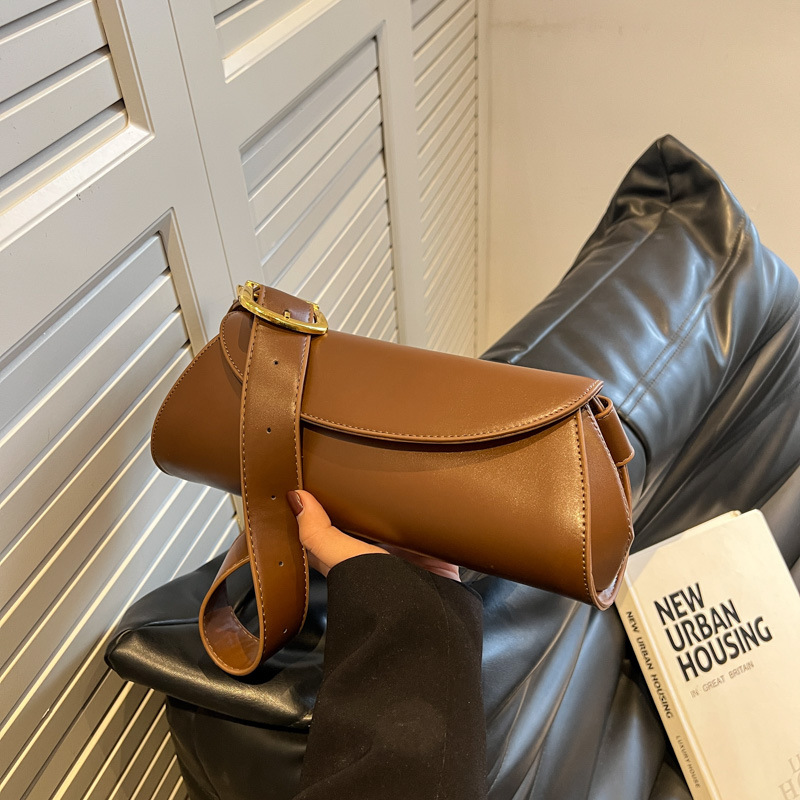
– Cutting: digital or die-cutting for repeatable components; hand-cutting for small-batch or artisanal finishes.
– Edge work: burnishing and sealing using high-quality edge paints for durability and appearance.
– Stitching: multi-needle machines for speed, with hand-finished saddle stitching on accent pieces.
– Hardware setting: press-fit or riveted fixtures with torque calibration to ensure durability.
Traceability of production steps and a system for documenting artisan skills are advantageous. For brands using PrinceBag, the blend of automation for consistency and handwork for detail contributes to a high-quality outcome.
Sustainability, Ethical Manufacturing, and Certifications
Sustainability is increasingly important in the premium leather segment. Buyers often seek manufacturers who can demonstrate:
– Responsible sourcing of hides (traceability from tanneries that adhere to environmental practices).
– Eco-friendly tanning options (low-impact chrome tanning, vegetable tanning, or leather alternatives).
– Waste reduction programs and recycling of offcuts.
– Responsible chemical management (REACH, ZDHC alignment).
– Worker welfare policies and audited ethical labor practices.
PrinceBag’s sustainability posture should include documentation on tannery sourcing, waste management practices, and social compliance audits (e.g., SMETA, BSCI). Transparent environmental and labor practices often add value for end consumers and reduce risk for brand partners.
Supply Chain, Lead Times, and Minimum Order Quantities
A manufacturer’s supply-chain performance affects launch planning and inventory management. Critical supply elements include lead times for leather procurement, hardware lead times, sample turnaround, and bulk production windows. Premium leather goods often have longer lead times due to material sourcing and artisanal steps.
Common parameters brands should confirm with PrinceBag:
– Sample lead time: typically 2–4 weeks depending on complexity and material availability.
– Production lead time: commonly ranges from 6–12 weeks for production runs, depending on order size and seasonal scheduling.
– Minimum order quantity (MOQ): varies by model; premium manufacturers often set MOQs to balance artisanal processes and production economics. MOQs can range from small-batch 50–200 units for certain models to larger MOQs for exclusive materials.
Clear communication on lead time variability due to seasons (leather availability), holidays, and supply-chain disruptions is essential for reliable timelines.
Pricing and Cost Structure
Pricing for premium leather crossbody bags depends on material choice, hardware sophistication, workmanship, and order size. Typical cost drivers:
– Leather grade and origin (Italian full-grain will cost more than generic top-grain).
– Custom hardware versus off-the-shelf stock components.
– Hand-finishing and artisanal techniques (saddle stitching, edge hand-burnished).
– Branding elements (embossing, hot-stamping, branded dust covers).
– Order volume: larger runs benefit from economies of scale.
PrinceBag can offer tiered pricing structures for repeat customers and volume commitments. Transparent pricing that breaks down material costs, labor hours, and overhead helps brands make informed margin calculations.
After-Sales Service, Warranties, and Repairs
Premium brands differentiate themselves with service propositions: repair programs, limited warranties, and part replacement schemes (straps, buckles). PrinceBag’s post-sale services may include:
– Repair and refurbishment options for leather wear.
– Replacement hardware fulfillment for warranty claims.
– Packaging and labeling support for returns and repairs.
A robust after-sales program extends product life and supports the brand narrative of quality and longevity.
Market Positioning and Retail Strategies
PrinceBag’s ideal partners are brands that aim to position their crossbody bags as premium, everyday-luxury accessories. Successful retail strategies for such products include:
– Clear storytelling about materials and craftsmanship.
– Tiered product lines (core essentials vs. seasonal or limited-edition runs).
– Omnichannel launch strategies (e-commerce, selective boutiques, pop-up concepts).
– Bundled after-sales services (repairs, personalization) that build long-term brand affinity.
For wholesale clients, PrinceBag can support collections structured around price tiers and marketing narratives that highlight craftsmanship and provenance.
Product & Manufacturing Analysis Table
| Model / Style | Main Leather Type | Hardware & Lining | Lead Time (Sample / Production) | Typical MOQ & Price Range (FOB) |
|---|---|---|---|---|
| Everyday Classic Crossbody | Italian top-grain cowhide | Brass-plated buckle, cotton twill lining | 2–3 weeks / 6–8 weeks | 100 units / $28–$45 per unit |
| Soft Lambskin Mini | Lambskin (soft grain) | Polished metal chain strap, satin lining | 3–4 weeks / 8–10 weeks | 150 units / $45–$70 per unit |
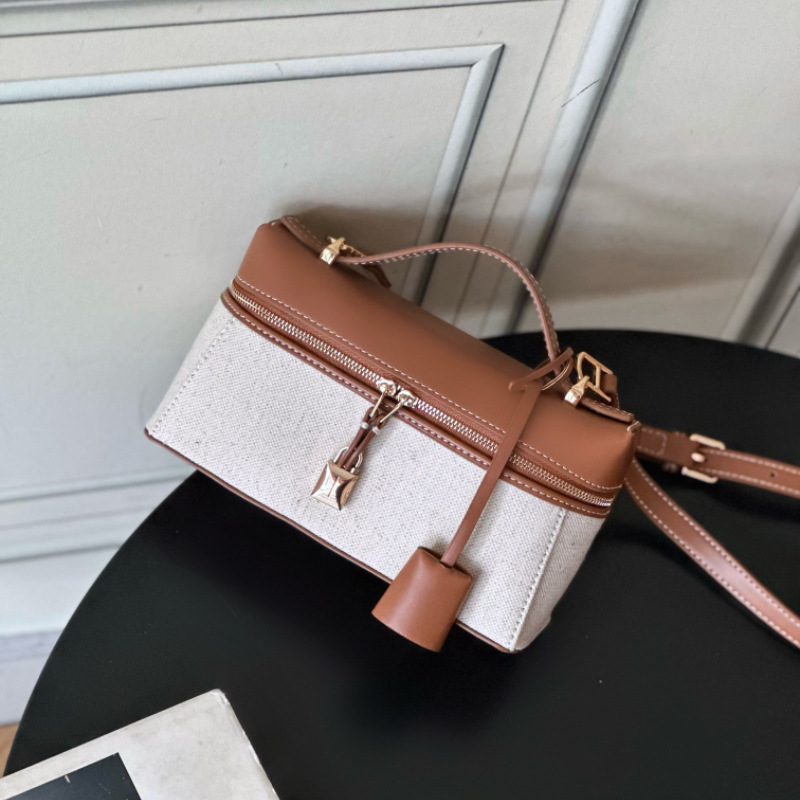
| Structured Leather Saddle | Full-grain cowhide, vegetable-tanned | Solid brass hardware, micro-suede lining | 3–4 weeks / 10–12 weeks | 200 units / $60–$95 per unit |
| Convertible Tech Crossbody | Top-grain with coated finish | YKK water-resistant zipper, nylon lining | 2–3 weeks / 7–9 weeks | 100 units / $32–$55 per unit |
| Limited-Edition Hand-Finished | Exotic or high-grade full-grain | Custom hardware, bespoke lining | 4–6 weeks / 12+ weeks | 50 units / $120+ per unit |
Interpreting the Table
– The sample and production lead times are typical ranges that reflect complexity and material sourcing. Custom finishes and exotic leathers naturally extend timelines.
– MOQs are indicative — PrinceBag may offer flexibility for strategic partners or with price adjustments.
– Price ranges are FOB estimates for baseline manufacturing costs; brand-level pricing will add design, marketing, and distribution margins.
Selecting the Right Crossbody Partner: Checklist for Brands
When evaluating PrinceBag or a comparable premium manufacturer, brands should use a consistent checklist:
1. Product development capabilities
– Does the manufacturer provide technical packs, pattern-making, and iterative samples?
– Can they accommodate prototyping for hardware and closure testing?
2. Material traceability and quality
– Are tanneries and suppliers traceable and compliant with environmental standards?
– Does the manufacturer perform incoming material inspections?
3. Production consistency and QC
– What are the in-line and final inspection protocols?
– Can third-party quality audits be facilitated?
4. Supply-chain flexibility
– How does the manufacturer manage rush orders or seasonal spikes?
– Are buffer stocks of common hardware and linings maintained?
5. Communication and project management
– Is there a dedicated account manager and a clear escalation path?
– Are production timelines and deviations communicated proactively?
6. Ethical and sustainability practices
– Are social compliance audits available?
– What waste-reduction or recycling initiatives are in place?
7. After-sales support
– What warranty terms and repair services are offered?
– How are defective units handled and replaced?
A methodical evaluation reduces the risk of surprises and ensures alignment on expectations.
Case Scenarios: How Brands Use PrinceBag Effectively
– Emerging DTC brand launching a premium capsule: By leveraging PrinceBag’s small-batch sampling capability, an emerging brand can produce a focused launch of 150–300 vinyl-free leather crossbody bags with bespoke hardware and run a direct-to-consumer campaign.
– Department store private label: For a seasonal program, PrinceBag can produce multiple SKUs at scale, managing SKU-specific MOQs and coordinating seasonal delivery windows to align with retail calendars.
– Luxury brand limited edition: PrinceBag can facilitate artisan hand-finishing and limited runs on specialty hides, accompanied by certificates of authenticity and premium packaging to support higher retail price points.
Each scenario requires different development intensity and contractual terms; clear upfront agreements on timelines, quality metrics, and penalty clauses for delays are recommended.
Negotiating Terms and Protecting Brand IP
When engaging a manufacturer like PrinceBag, brands should pay attention to:
– Intellectual property (IP): Ensure design ownership and non-disclosure agreements (NDAs) are in place to protect unique patterns, hardware designs, and branding elements.
– Payment terms: Negotiate a balanced schedule (deposit, mid-production milestone, final payment upon shipment or document release).
– Quality acceptance criteria: Define acceptable defect levels (AQL) and rework penalties.
– Exclusivity and tooling: Agree on who owns metal dies, tooling, and whether exclusivity can be granted for specific designs or markets.
Clear contractual terms reduce the risk of disputes and provide a framework for scaling.
Conclusion: Is PrinceBag Global Supply the Right Partner?
For brands seeking a manufacturer focused on premium leather crossbody bags, PrinceBag Global Supply presents a compelling profile: development services, quality-focused manufacturing, and the ability to work across small and medium production runs. The decision to partner should hinge on alignment across design expectations, sustainability values, lead-time tolerance, and commercial terms.
A recommended onboarding approach:
1. Start with a pilot project — one or two SKUs — to validate sample quality, communication efficiency, and lead-time reliability.
2. Run a multi-point QC process and request independent lab tests for critical components (e.g., leather fastness, hardware plating).
3. Establish a rolling production calendar and safety stock strategy for best sellers.
4. Formalize post-sale services and warranty terms so customer experience remains consistent.
PrinceBag Global Supply can be part of a brand’s growth strategy if the manufacturer’s craftsmanship, communication, and ethical practices match the brand’s promise. By investing in a thorough development phase, setting explicit quality and IP protections, and planning supply-chain buffers, brands can leverage PrinceBag’s strengths to deliver premium crossbody bags that meet market expectations and build customer loyalty.