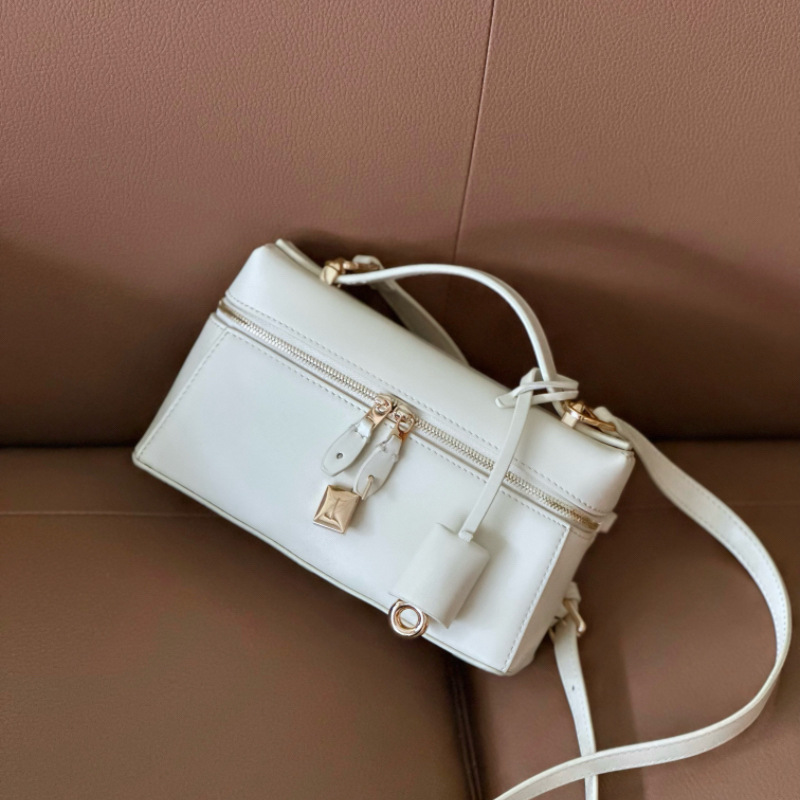

The global handbag market is increasingly sophisticated, with retailers and designers demanding higher quality, faster turnarounds, and deeper customization. For American brands and importers seeking a competitive edge, partnering with a dedicated OEM factory like PrinceBag means gaining access to specialized leather craftsmanship, streamlined production, and a partner that understands U.S. market expectations. This article explores PrinceBag’s OEM capabilities for custom American leather handbags, detailing materials, production workflows, quality control, logistics, sustainability practices, and a practical guide to begin a partnership.
What “OEM” Means for handbag brands
Original Equipment Manufacturer vs. Other Models
An OEM factory produces goods to another company’s design, branding, and specifications. Unlike white-label or ODM operations where the manufacturer provides standard designs, an OEM partner like PrinceBag focuses on manufacturing exactly to a client’s specs—logo placement, hardware selection, leather grades, interior layout, and finishing. For American handbag brands that value brand identity and differentiation, OEM is the preferred model because it preserves design control while leveraging industrial capacity.
Key Advantages for U.S.-Focused Brands
– Consistency: Repeatable production of identical SKUs.
– Confidentiality: Design IP is respected and protected under NDA.
– Scalability: From small test runs to large retail orders.
– Compliance: Factory expertise in meeting import and safety standards for U.S. markets.
PrinceBag’s Core Manufacturing Capabilities
Leather Sourcing and Selection
PrinceBag sources a wide range of leather grades suitable for American-style handbags: full-grain, top-grain, corrected-grain, nubuck, and high-quality aniline finishes. The factory maintains relationships with tanneries to ensure traceability, consistent dye lots, and the capacity to match pantone or custom color requests. For brands that position themselves at a premium, PrinceBag can prioritize long-fiber hides and natural finishes; for contemporary fashion lines, they offer more processed leathers that provide consistent color and texture.
Cutting, Stitching, and Assembly Precision
The factory employs a combination of skilled handwork and advanced machinery. Key capabilities include precision die-cutting, computer-aided pattern cutting for repeatability, reinforced stitching for stress points, and specialized machinery for piping, edge painting, and hardware setting. Experienced technicians assemble multi-compartment interiors, gussets, magnetic closures, and structured bases to ensure product durability and aesthetic fidelity.
Hardware and Accessory Integration
PrinceBag sources a wide selection of metals, zippers, snaps, clasps, and leather straps. They can accommodate plated finishes like gold, antique brass, gunmetal, and custom laser-engraved logos on hardware. The factory also integrates functional features such as detachable straps, hidden pockets, RFID linings, and protective feet for structured bags.
Materials and Quality: The Foundation of Premium Handbags
Leather Types and Their Suitability
Selecting the right leather affects appearance, longevity, and price. Below is a concise analysis table comparing popular leather options, their durability, finish characteristics, typical cost range, and ideal use cases—useful when planning product lines or positioning a brand in the U.S. market.
| Leather Type | Durability | Finish & Look | Typical Cost Impact | Recommended Uses |
|---|---|---|---|---|
| Full-Grain Leather | Very High — develops patina | Natural, rich texture, high-end | Highest | Luxury structured bags, heritage lines |
| Top-Grain Leather | High — sanded for uniformity | Smoother, consistent finish | High | Premium everyday bags, branded collections |
| Corrected-Grain (Split) Leather | Moderate — surface-coated | Uniform, can mimic grains | Moderate | Fashion-forward lines at mid-price |
| Nubuck/Suede | Moderate — softer, needs care | Velvety, matte finish | High | Evening bags, textured panels |
| PU/Coated Leather | Variable — water-resistant options | Consistent color, can be glossy | Lower | Cost-conscious collections, vegan options |
Customization Process: From Concept to Production
Design Intake and Prototyping
PrinceBag’s OEM process starts with a design brief: materials, dimensions, internal layout, hardware, finishing, logo treatment, packaging, and target price point. The factory typically follows this sequence:
– Concept review and technical drawing
– Material sampling and color matching
– Prototype (pre-production sample) manufacture
– Fit, function, and wear testing
– Final adjustments and approval
For U.S. retailers, PrinceBag emphasizes transparent communication during prototyping—sharing high-resolution photos, sample reports, and video walkthroughs to reduce iteration cycles and ensure the prototype meets brand expectations.
Minimum Order Quantities and Sampling Options
OEM factories usually balance custom work with production efficiency. PrinceBag offers flexible sample services—pilot runs of one to several dozen units depending on complexity—followed by scalable production orders. MOQ policies vary by leather type, hardware customization, and dye-batch needs; PrinceBag works to help brands trade off between inventory risk and unit cost.
Artwork, Logos, and Brand Elements
Brand owners can specify debossing, embossing, hot-stamping, foil stamping, or metal plaque branding. PrinceBag supports laser engraving on hardware and leather, and can program multiple logo placements for seasonal variations. All branding processes are tested for abrasion, fade resistance, and colorfastness.
Quality Control and Compliance Standards
In-Process QC and Final Inspections
PrinceBag integrates multi-stage quality checks:
– Incoming material inspection (leather, linings, hardware)
– In-line process audits for stitching, alignment, and tolerances
– Random sampling for strength tests, zipper cycles, and strap load tests
– Final inspection against approved pre-production sample (PPS)
Detailed QC reports with photos and test data are delivered to clients before shipment. Critical defects, dimensional variances, and color mismatch thresholds are predefined during the approval phase to ensure objective acceptance criteria.
Regulatory and Safety Compliance
To access the U.S. market, PrinceBag ensures compliance with key regulations and standards. These include:
– CPSIA considerations for components in children’s products (where applicable)
– REACH and chemical management for restricted substances
– ISO-aligned quality processes and traceability for leather tanning and finishing
– Customs and import documentation support (COO, invoices, packing lists)
PrinceBag can also accommodate third-party testing requirements for lead content, phthalates, and flammability when brands require certification.
Sustainability and Ethical Manufacturing
Responsible Material Sourcing
Sustainable brand positioning requires traceable materials. PrinceBag can prioritize leathers from tanneries with environmental controls (wastewater treatment, reduced chromium usage) and can offer vegetable-tanned or low-impact dyed leather on request. For brands seeking vegan alternatives, structured PU and bio-based leathers are available.
Working Conditions and Social Responsibility
Ethical manufacturing includes fair labor practices and safe working conditions. PrinceBag follows established labor standards, supports local worker welfare programs, and can provide documentation of audits. Brands that list ethical supply chain credentials can request audit reports and certifications for transparency.
Production Scheduling, Lead Times, and Logistics
Typical Timelines
– Sampling: 2–4 weeks depending on complexity
– Pre-production run (PPS): 3–6 weeks
– Mass production: 4–10+ weeks based on volume and leather availability
PrinceBag provides realistic lead times upfront and manages scheduling buffers for critical path items like custom hardware or dyed leather batches that require longer lead times.
Packaging, Labeling, and Fulfillment
Beyond manufacturing, PrinceBag offers packaging options: branded dust bags, tertiary packaging for retail shipping, UPC labeling, and bespoke hang tags. The factory supports multi-modal logistics and can coordinate direct shipments to U.S. distribution centers, third-party logistics providers, or retail partners, handling export documentation and freight arrangement assistance.
Pricing Structure and Cost Factors
What Drives Cost in OEM Handbag Production
Key cost drivers include:
– Leather grade and yield (hide size and defects)
– Hardware complexity and plating
– Labor intensity and hand-finishing requirements
– MOQ impacts and tooling costs (dies, molds)
– Testing and compliance certifications
PrinceBag helps brands model target costs by offering tiered material options and suggesting cost-saving design tweaks (e.g., simpler internal layouts, mixed-material panels, or standardized hardware) while preserving brand aesthetics.
Risk Management and Common Pitfalls
Color Matching and Dye Lots
One of the most common challenges is dye lot variance. PrinceBag mitigates this through strict color prototyping, bulk dyeing where feasible, and segregating materials by lip color codes. When multiple suppliers are involved, the factory coordinates color standards across tanneries.
Intellectual Property and Confidentiality
Brands must protect their designs. PrinceBag routinely signs NDAs and can implement IP security protocols—restricted CAD access, limited sample circulation, and secure storage of templates and tools.
How to Start Working with PrinceBag: A Practical Guide
Step-by-Step Onboarding
1. Initial inquiry: Share brand brief, target retail price, and projected volumes.
2. NDA & tech pack submission: Provide drawings, materials list, CADs, and logo files.
3. Quotation and lead-time estimate: PrinceBag returns a detailed quote, sample costs, and timelines.
4. Sampling phase: Approve materials and prototype.
5. Pre-production & first run: Finalize tooling and confirm PO.
6. Production, QC, and shipment: Receive QC reports and arrange logistics.
Best Practices for Smooth Collaboration
– Provide clear, annotated technical packs with tolerances.
– Communicate target customer and retail expectations.
– Consolidate hardware and consumable specs to reduce lead-time variability.
– Plan seasonal launches with buffer windows for sampling and testing.
Case Examples and Product Types Suited to PrinceBag OEM
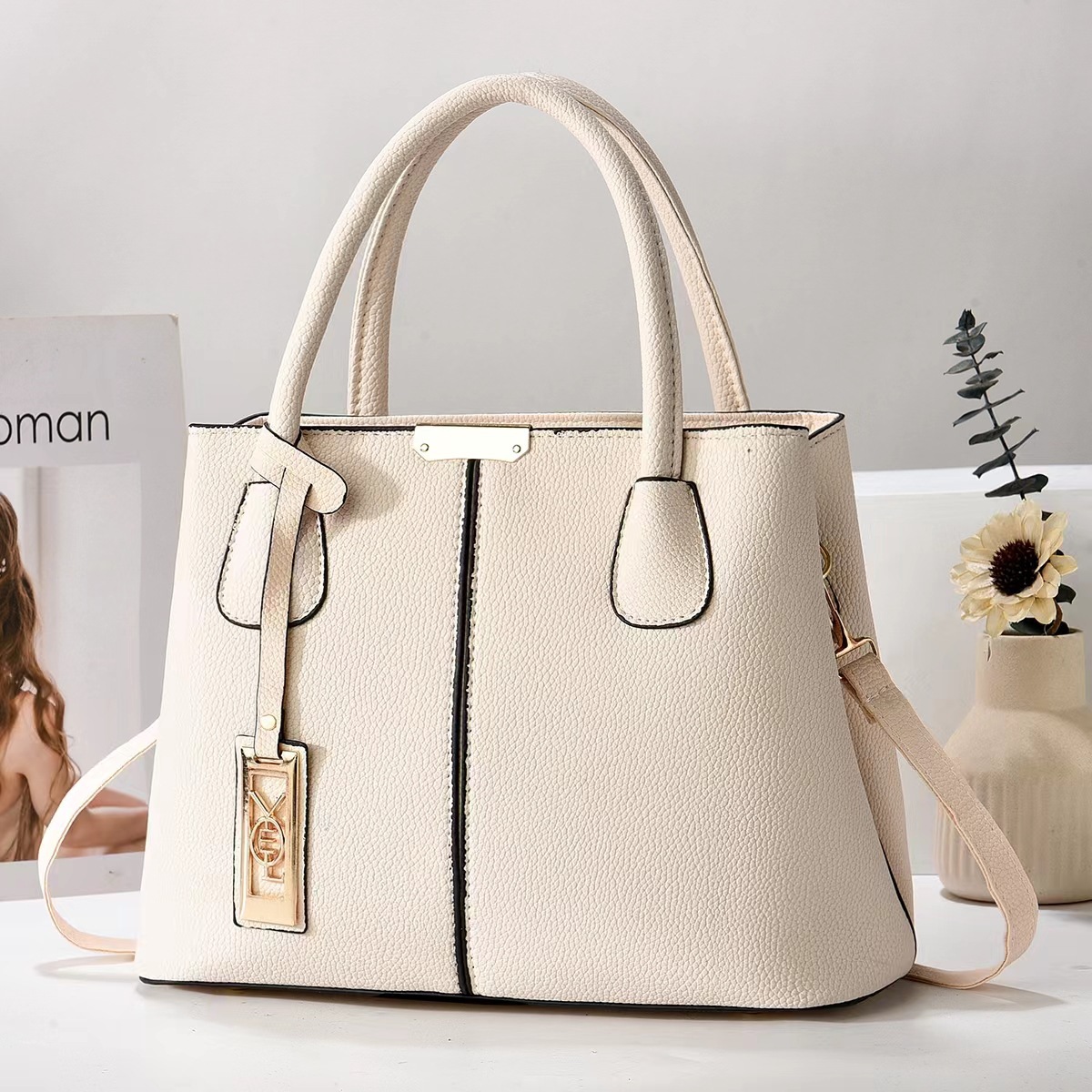
Heritage Leather Totes and Structured Satchels
For premium daily bags that emphasize material quality and aging, PrinceBag produces structured totes and satchels with reinforced bases, leather-wrapped handles, and hidden internal organization systems.
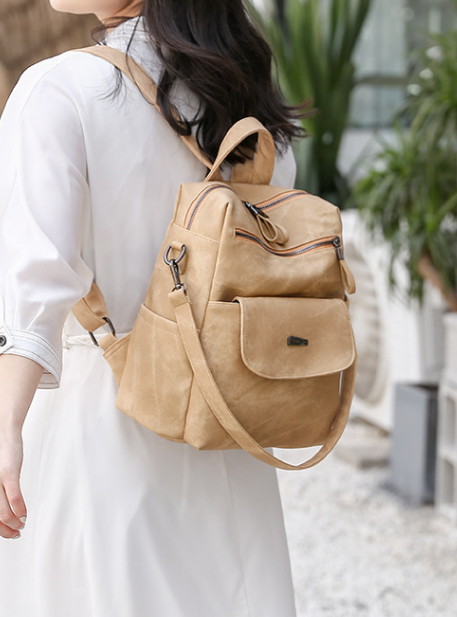
Contemporary Crossbody and Convertible Styles
Brands seeking functional, trend-responsive pieces benefit from PrinceBag’s ability to integrate modular hardware for convertible straps, detachable pockets, and tech-friendly interiors.
Limited Edition and Seasonal Runs
Because PrinceBag can manage short runs and custom plating for hardware, they are well-suited to limited edition drops, collaborative lines, and gift-with-purchase programs for U.S. retailers.
Conclusion: Partnering for Long-Term Brand Success
Choosing the right OEM partner is pivotal for American handbag brands that need quality leather, consistent manufacturing, and a partner who understands U.S. market expectations. PrinceBag offers a full suite of OEM services—from sourcing premium leathers and prototyping to rigorous quality control and logistics coordination. By providing flexible sampling, comprehensive documentation, and scalable production, PrinceBag helps brands reduce time-to-market while maintaining design integrity and cost discipline.
If you’re planning a new collection or seeking to scale production with a reliable OEM partner, begin with a clear tech pack and a conversation about targets and materials. With detailed planning and transparent collaboration, PrinceBag can be the manufacturing engine that translates your brand’s vision into durable, stylish leather handbags that resonate with American consumers.