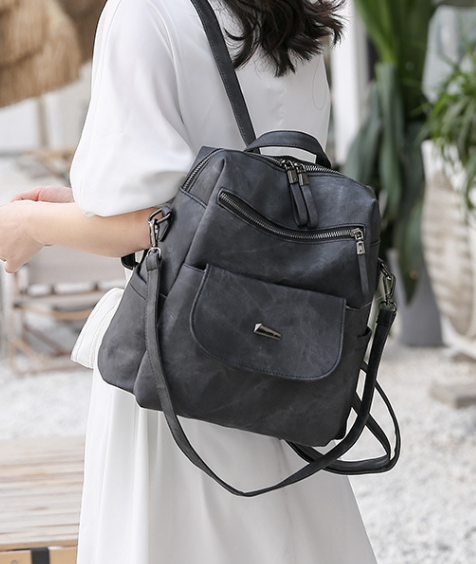

In today’s competitive accessory market, delivering a high-quality leather crossbody bag that reflects your brand’s identity is essential. For retailers, brands, and private labels aiming to stand out, working with a reliable ODM (Original Design Manufacturer) partner can be the difference between a successful product launch and costly delays or disappointing returns. PrinceBag’s High Quality leather crossbody bag ODM Service positions itself as a comprehensive solution—combining material sourcing, design refinement, production expertise, and quality control—to help clients bring premium leather crossbody bags to market efficiently and with minimal risk.
This article explores PrinceBag’s ODM capabilities in depth: what the service entails, the value it brings to brands, the materials and craftsmanship standards you can expect, the design and prototyping workflow, quality assurance measures, sustainability considerations, cost structure, and a practical guide for collaboration. An analysis table is included to compare core aspects of the service at a glance.
Why Choose an ODM for Leather Crossbody Bags?
Faster Time-to-Market
An experienced ODM like PrinceBag streamlines the steps between concept and production. By handling design translation, pattern making, prototyping, and factory scheduling, PrinceBag reduces lead times and helps brands hit seasonal windows or retail deadlines without the learning curve associated with starting production from scratch.
Design and Technical Expertise
Leather accessories demand a mix of aesthetic and technical knowledge—understanding leather characteristics, structural design, hardware compatibility, and wearability. PrinceBag’s team typically includes technical designers, pattern makers, and leather specialists who translate brand sketches into manufacturable products while preserving design intent.
Cost Efficiency and Risk Reduction
ODM partners leverage established supplier networks to negotiate material costs, minimize waste, and optimize manufacturing processes. For brands, that means lower unit costs at reasonable Minimum Order Quantities (MOQs) and fewer production surprises. PrinceBag’s centralized management of procurement and production reduces the risk of delayed shipments and quality inconsistencies.
Materials and Construction: What Defines “High Quality”?
Leather Selection
High-quality leather crossbody bags typically use full-grain or top-grain leathers for durability, patina, and tactile appeal. PrinceBag’s ODM service emphasizes selecting leather types based on the desired finish and target price point. Options often include:
– Full-grain leather for premium performance and aging.
– Top-grain leather for a smooth, consistent surface and slightly lower cost.
– Corrected-grain or embossed leather for uniform appearance and scratch resistance.
– Vegetable-tanned leather for natural finishes and sustainable processes.
– Aniline and semi-aniline finishes for color depth and softness.
Hardware and Trims
Hardware quality (zippers, buckles, clasps, chain straps) directly affects both function and perceived value. PrinceBag typically sources corrosion-resistant metal hardware with customizable plating (antique brass, gold-tone, nickel-free) and partners with reputable zipper and clasp manufacturers to ensure smooth operation and longevity.
Interiors and Reinforcements
A premium crossbody bag’s interior matters: durable linings (nylon, cotton canvas, micro-suede), reinforced base boards, structured seams, and well-finished edge painting all contribute to longevity and user satisfaction. PrinceBag’s ODM process integrates interior balancing and reinforcement specifications into prototypes to validate real-world performance.
Design Process: From Concept to Production
Step 1 — Brand Brief and Concept Development
Successful collaboration begins with a clear brief. Brands provide style preferences, target customer profiles, colorways, budget ranges, and any sketches or mood boards. PrinceBag’s design team refines concepts, suggesting material and hardware alternatives aligned with brand goals.
Step 2 — Tech Packs and Specifications
A detailed technical pack (tech pack) is created to capture dimensions, construction details, materials, zipper types, stitching counts, labeling, and packaging instructions. Accurate tech packs avoid ambiguity and enable precise costing and sampling.
Step 3 — Prototyping and Sampling
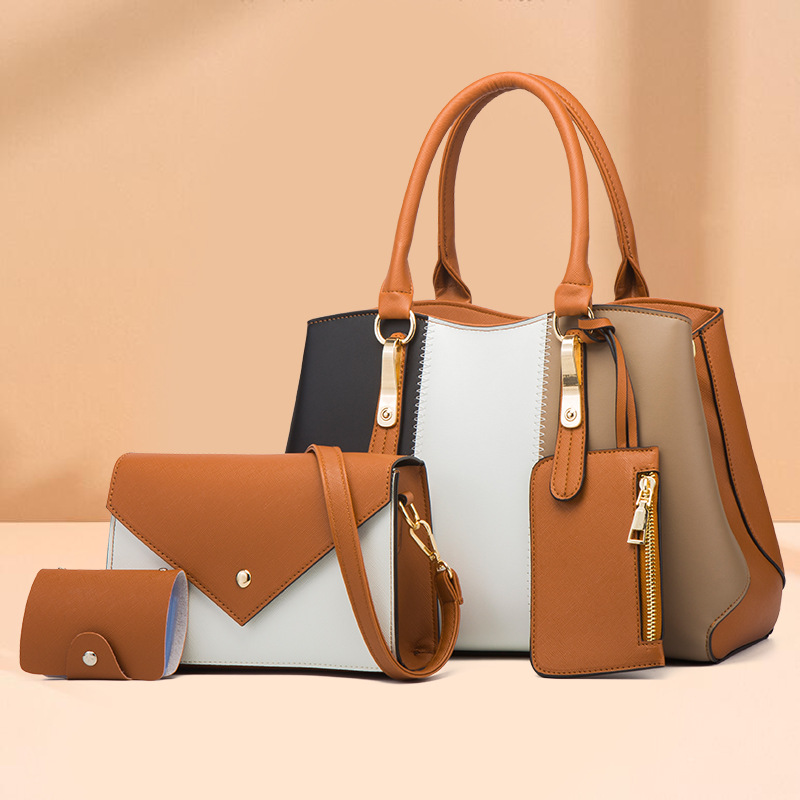
Prototyping typically involves:
– Initial visual sample (in cheaper materials) to validate shape and proportion.
– Working prototype using selected leather and hardware.
– Fit and wear testing for strap length, weight distribution, and closure robustness.
PrinceBag manages iterative rounds of sampling until the brand signs off.
Step 4 — Pre-Production and Trial Run
Once the sample is approved, PrinceBag recommends a short trial production run to verify manufacturing consistency. This step helps identify any production bottlenecks, minor adjustments in tolerances, or supply issues.
Step 5 — Mass Production and Logistics
On approval of the trial run, full production commences. PrinceBag coordinates production scheduling, quality inspection checkpoints, and logistic planning (packaging, export documentation, shipping options).
Quality Control: Standards and Checks
Incoming Material Inspection
Quality control begins with raw materials. PrinceBag’s ODM workflow typically includes incoming inspections for leather (consistency, thickness, finish), hardware (plating adhesion, mechanical function), and linings (colorfastness, tensile strength).
In-Line Production Checks
During production, randomized checks ensure seams meet specified stitch counts, edges are painted evenly, and internal reinforcements are correctly applied. In-line checks prevent widespread defects before completion.
Pre-Shipment Inspection (PSI)
Before shipping, a full inspection of finished goods verifies dimensions, color matching across batches, functional tests (zippers, buckles), packaging integrity, and adherence to labeling regulations. PSI reports are provided to clients to confirm acceptance.
Sustainability and Ethical Manufacturing
Responsible Leather Sourcing
Brands increasingly demand traceability. PrinceBag’s ODM service can work with clients to source leathers from tanneries that follow environmental and labor standards, including reduced chemical use and water recycling. Vegetable-tanned and chrome-free leathers are options for brands prioritizing sustainability.
Waste Reduction and Recycled Materials
PrinceBag can integrate recycled lining materials and optimize cutting patterns to reduce leather waste. Packaging solutions can include recycled or recyclable boxes and minimal plastic use.
Customization Options and Value-Added Services
Branding and Labeling
Customization extends to bespoke metal logos, embossed or debossed leather labels, woven tags, and interior brand patches. PrinceBag manages tooling for metal badges and embossing dies.
Color Matching and Special Finishes
Brands can request Pantone color matching for linings and leather dyeing, special coatings for water resistance, or hand-finished edges.
Accessory Integration
Optional features such as detachable straps, chain details, RFID-blocking linings (for integrated pockets), and convertible designs (crossbody to shoulder bag) can be developed under the ODM process.
Costs, MOQ, and Lead Times
Pricing for ODM leather crossbody bags depends on materials, hardware complexity, finishing processes, and annual production volume. Typical cost drivers include:
– Leather grade and thickness.
– Custom hardware and tooling for logos.
– Multiple colorways or complex finishes.
– Added functional elements (pockets, zippers).
– Certifications or special sustainability requirements.
MOQs vary by product complexity. PrinceBag’s approach usually balances MOQ with flexibility: lower MOQs for initial retail assortments and scaled pricing incentives for larger orders. Lead times also vary: initial sampling can take 2–6 weeks; small production runs 4–8 weeks; larger orders 8–14+ weeks depending on seasonal demand and material availability.
Supply Chain and Logistics
PrinceBag manages supplier relationships and shipping logistics to simplify the process for brands. Services often include consolidated shipping, export documentation, and coordination with freight forwarders. For brands selling across multiple regions, PrinceBag can accommodate split shipments, labeling for different markets, and compliance with customs requirements.
How to Work with PrinceBag: A Practical Checklist
– Prepare a concise brand brief and reference imagery.
– Define target price per unit and desired retail positioning.
– Specify technical requirements: strap length, closure types, preferred leather.
– Request a sample timeline and clarify rounds of revisions included.
– Confirm MOQ and scaling discounts.
– Agree on quality standards and inspection checkpoints.
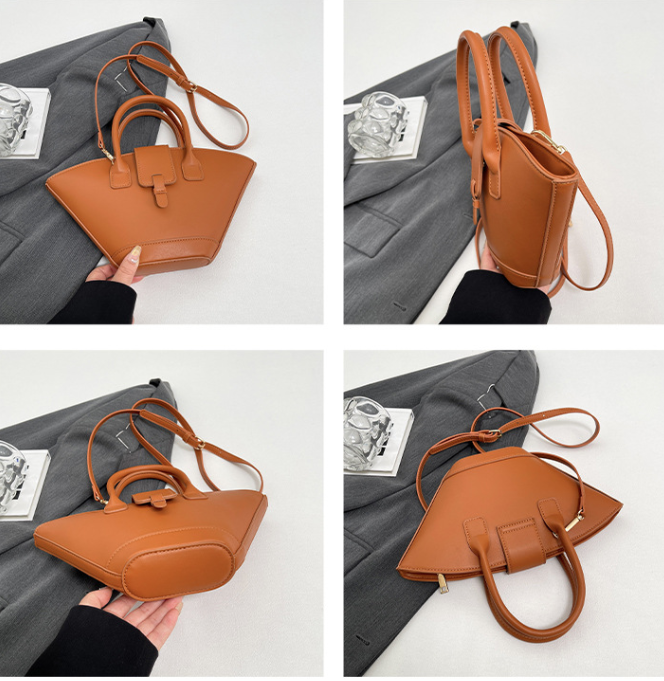
– Discuss sustainability priorities and documentation needs.
– Finalize packaging and labeling details (UPC, care cards, hang tags).
– Establish delivery terms (FOB, CIF, EXW) and preferred shipping methods.
Analysis Table: Key Aspects of PrinceBag’s ODM Service
| Feature | PrinceBag Offering | Materials | MOQ | Typical Lead Time |
|---|---|---|---|---|
| Concept & Design | Design refinement, tech pack creation, CAD sketches | Client-preferred or recommended leather types | 1–5 samples; production MOQ varies | 1–3 weeks for concept & tech pack |
| Prototyping | Visual sample + leather prototype rounds | Full-grain, top-grain, aniline, semi-aniline | 1–3 samples per colorway | 2–6 weeks depending on iterations |
| Production | Full assembly, in-line QC, batch management | Selected leather, linings, hardware | From low MOQs to large volume (scaled pricing) | 4–12 weeks (small to large orders) |
| Quality Control | Incoming inspections, in-line checks, PSI | Standards-based checks for all materials | N/A (applies across order sizes) | Intermittent throughout production; final PSI before shipping |
| Packaging & Logistics | Custom packaging, labeling, export coordination | Recycled or bespoke packaging materials | Aligned with production MOQ | 2–4 weeks added for packaging setup and shipping prep |
Case Uses: Who Benefits Most from PrinceBag’s ODM Service?
– Emerging designers who need production expertise without in-house manufacturing.
– Established brands seeking a new leather crossbody collection without expanding in-house capacity.
– Retailers and e-commerce brands launching private label accessories.
– International buyers looking for a single partner to manage sourcing, production, and export.
– Sustainable brands that need traceability and eco-friendly material options.
Potential Challenges and How PrinceBag Addresses Them
Color Matching Across Batches
Challenge: Dye lot variations can produce color inconsistencies. Solution: PrinceBag recommends bulk dyeing of leather or strict dye-lot controls and pre-approval samples for each lot.
Hardware Lead Times
Challenge: Custom hardware tooling can delay production. Solution: Early engagement on hardware choices, leveraging standard hardware options for quicker turnaround, or prioritizing tooling in the development timeline.
MOQ Constraints for Small Brands
Challenge: Small brands may struggle with high MOQs. Solution: PrinceBag can negotiate lower initial MOQs for pilot runs, offer shared production slots, or suggest cost-effective material alternatives to meet budget constraints.
Tips for Maximizing Value from an ODM Partnership
– Be clear about your brand’s market positioning—luxury, premium, or accessible—to align materials and finishes.
– Prioritize a single “hero” colorway for the initial launch to reduce complexity.
– Communicate expected price points upfront so material and hardware suggestions match target margins.
– Request detailed lead-time schedules and milestone checkpoints.
– Ask for sample retention or photo documentation of sample stages to maintain a clear record of approvals.
Conclusion: Bringing Premium Leather Crossbody Bags to Market
Partnering with a capable ODM like PrinceBag can provide brands with the technical expertise, supplier networks, and manufacturing discipline needed to produce high-quality leather crossbody bags consistently and cost-effectively. From initial concept and material selection to prototyping, production, and logistics, a structured ODM process reduces risk, shortens time-to-market, and elevates product quality.
Whether you’re a boutique label launching your first accessory line or an established brand expanding into leather goods, PrinceBag’s ODM service offers the infrastructure to translate design intent into finished products that resonate with customers. Focus on your brand story and market fit; let the ODM handle the complexities of leather sourcing, construction, quality control, and delivery. With clear communication, realistic timelines, and an agreed quality standard, you can create leather crossbody bags that combine style, durability, and commercial viability—helping your brand succeed in a crowded marketplace.