
In today’s competitive accessories market, sourcing reliable, fashionable, and cost-effective cross-body handbags directly from a factory can make the difference between a healthy margin and squeezed profits. PrinceBag positions itself as a factory-direct supplier tailored for B2B buyers—retailers, distributors, private-label brands, and online stores—offering a combination of quality manufacturing, flexible customization, and competitive pricing. This article provides an in-depth professional guide to working with PrinceBag for cross-body women’s handbags, including product analysis, manufacturing capabilities, pricing structure, logistics, quality assurance, and practical steps to begin a successful wholesale relationship.
Why Choose Factory Direct Wholesale?
Factory direct wholesale delivers distinct advantages for B2B buyers:
– Cost efficiency: Eliminating middlemen reduces per-unit cost, improving margins.
– Faster turnarounds: Direct communication with production shortens lead times.
– Better customization: Factories can accommodate brand-specific materials, hardware, and packaging.
– Consistent quality control: Direct oversight of production and inspections ensures standards are met.
PrinceBag’s factory model is designed around these benefits, focusing on cross-body handbag designs that blend trend-awareness with manufacturing practicality for scale.
About PrinceBag and Its Cross-body Handbag Line
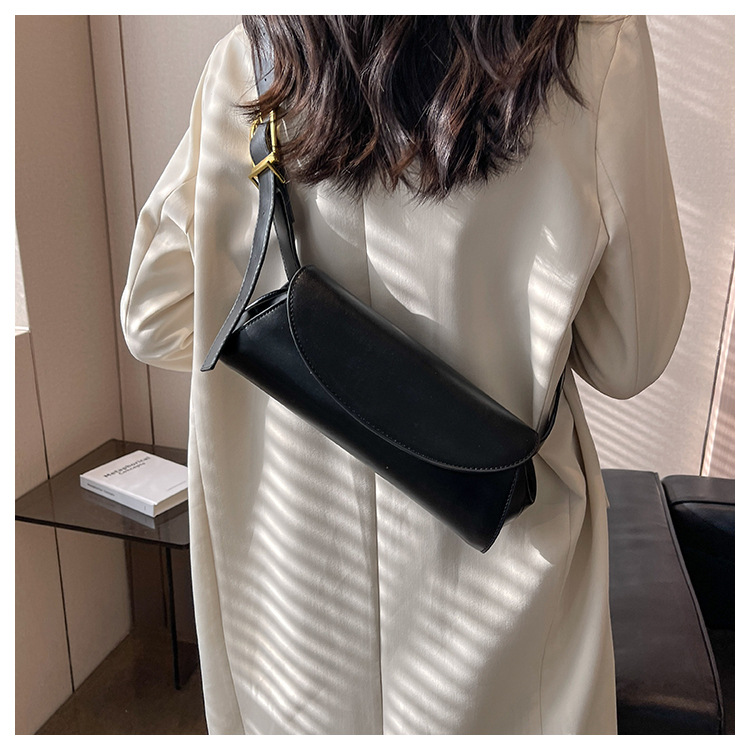
PrinceBag is a manufacturer specializing in women’s handbags, with a core emphasis on cross-body styles that appeal to a broad demographic. Their offerings typically include:
– Contemporary designs prioritizing ergonomics and functionality.
– Materials ranging from PU leather and vegan alternatives to genuine leather and woven fabrics.
– Hardware options (zippers, clasps, chain straps) available in multiple finishes.
– Sizes suitable for everyday use, travel, and evening wear.
For B2B buyers, PrinceBag highlights reliability in production volume, a catalog of modular designs for quick custom branding, and a track record of working with global retailers.
Product Specifications and Comparative Analysis
Below is an analytical comparison of typical cross-body models PrinceBag offers. This table helps B2B buyers quickly evaluate options for price, MOQ, and lead time when planning assortments or private-label collections.
| Model Name | Material | MOQ (pieces) | FOB Price (USD) | Lead Time (weeks) |
|---|---|---|---|---|
| Aspire Slim Cross-body | Premium PU leather | 200 | $7.50 | 4–6 |
| Urban Classic Mini | Genuine calf leather | 150 | $18.00 | 6–8 |
| Voyager Convertible | Water-resistant nylon + leather trim | 300 | $9.80 | 5–7 |
| Boho Woven Sling | Woven fabric + PU base | 250 | $6.50 | 4–6 |
| Evening Luxe Chain | Patent PU + metal chain | 100 | $12.50 | 5–7 |
Notes on the table: FOB prices are indicative and vary by colorways, hardware selection, and customization. MOQs reflect standard factory minimums but may be negotiable for long-term partnerships or mixed assortments.
Manufacturing Capabilities and Quality Control
PrinceBag typically offers:
– In-house cutting, stitching, and assembly lines for consistent standards.
– Dedicated quality control (QC) teams performing inline and final inspections.
– Batch sampling and third-party inspection options (SGS, Bureau Veritas) upon request.
– Ability to run multiple production lines simultaneously to meet large orders.
Quality control processes commonly include material incoming inspection (checking leather, fabrics, zippers), in-process spot checks (stitch density, alignment), and final inspection (functionality, cosmetic defects). B2B buyers are encouraged to request AQL (Acceptable Quality Level) thresholds and establish pre-shipment inspection routines.
Customization Options for B2B Buyers
Customization is a core value proposition for B2B clients:
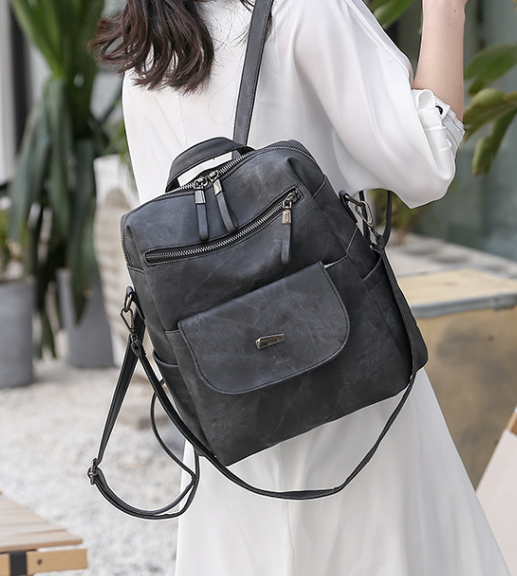
– Materials: Leather grade, PU options, canvas, technical fabrics, and eco-friendly materials.
– Hardware: Colors (gold, silver, gunmetal), styles (magnetic closures, swivel hooks), and custom embossing.
– Branding: Heat-stamped logo, metal nameplate, woven labels, and hangtags.
– Packaging: Custom boxes, dust bags, printed inserts, and UPC/barcode application.
– Colors & Patterns: Pantone-matched colors, seasonal prints, or exclusive patterns.
Customization can influence MOQ and lead times. PrinceBag typically supports private-label runs, with design approval samples (pre-production prototypes) often required.
Pricing Structure and Cost Breakdown
Understanding cost components is essential:
– Material cost: Leather/fabric and hardware—largest variable.
– Labor and processing: Cutting, sewing, assembly.
– Overheads: Factory fixed costs, tooling, and quality control.
– Packaging and labeling: Branded boxes, hangtags, and polybags.
– Shipping and duties: Dependent on Incoterms and destination.
Typical pricing tiers:
– Sample price: Higher per-unit as a one-off (often $25–$60 depending on model).
– Small batch: Slightly elevated price due to lower volume.
– Standard wholesale: FOB pricing as listed in the product catalog.
B2B buyers should negotiate based on projected volume, multi-season commitments, and payment terms (e.g., 30% deposit, 70% before shipment).
Minimum Order Quantity (MOQ) Strategies
MOQs remain a common barrier for smaller retailers. Strategies to manage MOQ:
– Mix-and-match orders: Combine multiple SKUs to meet aggregate MOQ.
– Shared container programs: Pool orders with other small buyers to reach container fill.
– Negotiation for pilot runs: Request a pilot production with slightly higher per-unit cost to test the market.
– Long-term agreements: Sign multi-season contracts to lower MOQ and secure better pricing.
PrinceBag often offers flexibility for buyers with clear growth plans, especially when buyers commit to marketing support or volume forecasts.
Logistics, Shipping, and Lead Times
Shipping options and lead time management:
– Incoterms: FOB (common), CIF, or EXW depending on buyer preference.
– Sea freight: Most economical for bulk orders (20–40 ft containers); allow for transit time.
– Air freight: Faster but costlier—used for urgent replenishment or samples.
– Consolidation: PrinceBag can consolidate multiple shipments into a single container for cost savings.
– Lead time planning: Seasonal peaks (e.g., back-to-school, holiday) require earlier orders—typically plan 2–4 months ahead for stable inventory.
Consider duties and import compliance when calculating landed cost. Utilize freight forwarders to manage customs clearance, DDP options, or bonded warehouses.
Quality Assurance and After-sales Support
After-sales service is critical for sustained B2B relationships:
– Warranty policies: Clarify acceptable defect rates, replacement threshold, and returns process.
– Repair or replacement options: For manufacturing defects, PrinceBag may offer replacements or credit notes.
– Post-shipment support: Photos, serial numbers, and documentation to expedite claims.
– Continuous improvement: Use feedback loops for design adjustments and material upgrades.
Ask for sample QC reports, material certifications, and the factory’s corrective action procedures for product nonconformance.
Marketing and Go-to-Market for Retailers
A successful launch requires coordinated merchandising:
– Product photography: High-quality images and lifestyle shots tailored to target customers.
– Product data sheet: Dimensions, materials, weight, care instructions, and UPC codes.
– Pricing strategy: Keystone markup, promotional bundles, and introductory discounts.
– Social proof: Reviews, influencer partnerships, and in-store displays to build trust.
PrinceBag often provides product catalogs and technical images; B2B buyers can request white-label marketing assets for quicker listing.
Risk Management and Compliance
Key risks and mitigations:
– Supply chain disruption: Diversify SKUs and hold safety stock during peak seasons.
– Quality lapses: Implement strict inspection regimes and third-party audits.
– Regulatory compliance: Ensure materials meet standards (REACH, CPSIA for lead in hardware, formaldehyde limits).
– Ethical sourcing: Ask for supplier audits, labor certifications, and environmental policies.
PrinceBag typically can provide documentation for material safety and factory audits upon request.
How to Start a B2B Relationship with PrinceBag
A practical step-by-step process:
1. Initial inquiry: Provide business credentials, target SKUs, estimated volumes, and desired materials.
2. Product selection: Review catalogs, request tech packs, and shortlist models.
3. Sample order: Place sample orders to validate design, fit, and quality.
4. Quotation and terms: Negotiate FOB prices, MOQs, lead times, and payment terms.
5. Pre-production sample: Approve PP sample for color, material, and logo placement.
6. Production: Monitor progress with weekly updates and inline inspections.
7. Final inspection & shipping: Conduct pre-shipment inspection and release for shipment.
8. Post-shipment evaluation: Review sales performance and place replenishment or new orders.
Clear communication, documented specifications, and timely payments help build trust and streamline future orders.
Case Example: Boutique Retailer Scaling with PrinceBag
Scenario: A boutique U.S. retailer launched a private-label line of cross-body bags to expand margin and brand identity.
– Initial commitment: 500 pieces across three models (mix of PU and nylon).
– Strategy: Started with a best-selling casual model and an evening style, using customized hardware and branded dust bags.
– Outcome: The retailer saw a 35% margin improvement vs. previous wholesale purchases, faster replenishment cycles, and strong customer retention due to unique styling.
– Lessons: Investment in professional product photography and early inventory planning were critical to success.
This illustrates how factory-direct sourcing with PrinceBag can be a scalable model for retailers ready to manage production and brand control.
Final Recommendations for B2B Buyers
– Start small but plan growth: Use pilot orders to test the market, then scale with volume commitments.
– Prioritize samples: Always validate materials, stitch quality, and hardware before approving production.
– Negotiate on package deals: Combine SKUs or commit to seasonal orders to reduce unit costs.
– Insist on clear QC standards: Define AQL and inspection steps in your contract.
– Factor in landed cost: Calculate duties, shipping, and local taxes to set accurate retail pricing.
– Build a collaborative relationship: Share market feedback, promotional plans, and forecasts to get better terms and priority during capacity constraints.
PrinceBag’s factory-direct wholesale model offers a compelling option for B2B buyers seeking control over design, quality, and margins. With careful planning—focusing on sample verification, clear specifications, and logistics planning—retailers and brands can leverage PrinceBag’s manufacturing capabilities to deliver attractive cross-body handbags that resonate with customers.
If you are a buyer ready to explore factory-direct options, prepare your product brief, target volumes, and timeline, and contact PrinceBag’s B2B sales team to request samples and an initial quotation. Building a direct partnership with a manufacturer can transform your product offering and provide a reliable foundation for sustainable growth.