
PrinceBag has positioned itself as a competitive supplier in the fashion crossbody bag segment, targeting both retail and wholesale B2B partners. For buyers evaluating bulk orders, PrinceBag offers a blend of trend-driven designs, scalable manufacturing, and customizable options that make it an attractive partner for boutiques, online retailers, corporate gifting programs, and private-label brands. This article explores practical considerations for B2B buyers, including product assortments, pricing dynamics, quality control, logistics, payment and contract structures, and strategies to optimize return on bulk purchases.
Understanding the Product Range: crossbody bags by PrinceBag
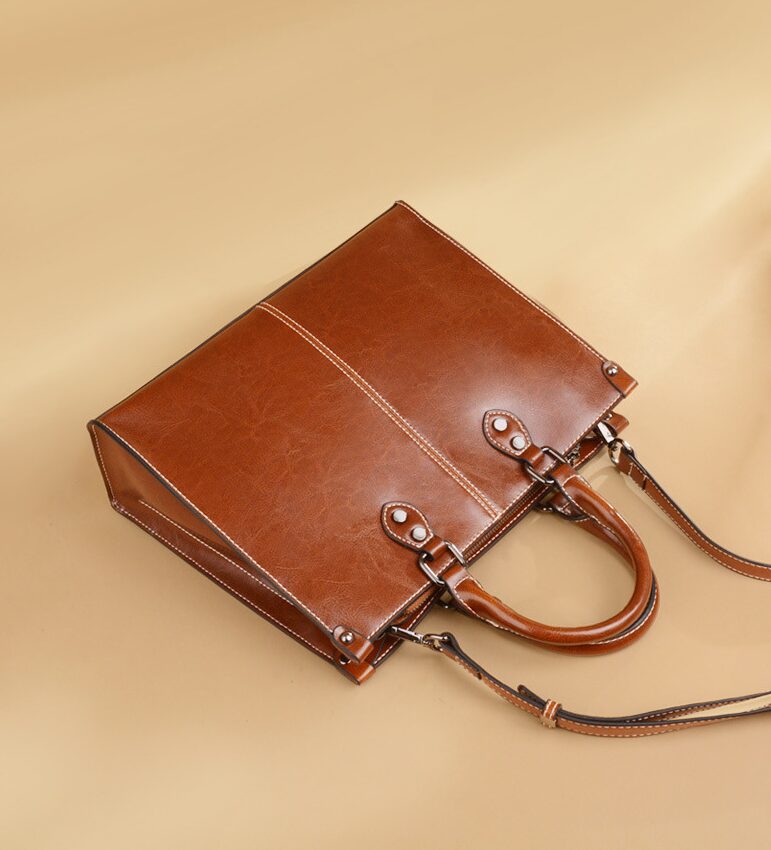
PrinceBag’s crossbody portfolio typically spans several core categories:
– Classic leather-look crossbody: Timeless silhouettes for everyday wear.
– Mini and micro crossbody: Trend-driven pieces for millennial and Gen Z shoppers.
– Vegan leather and eco-friendly lines: Appeals to sustainability-focused buyers.
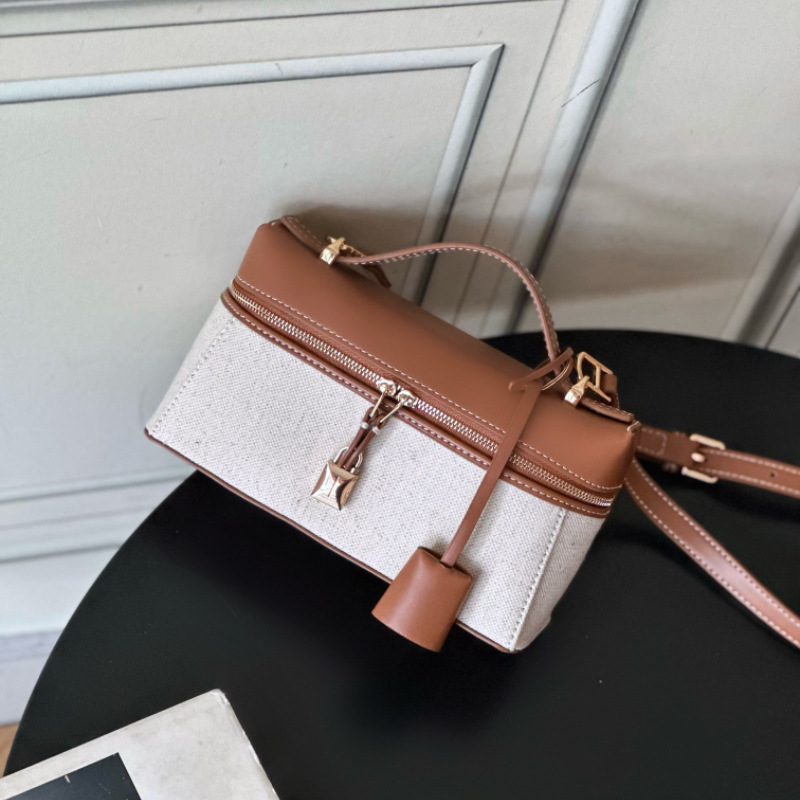
– Quilted and designer-inspired styles: For higher-margin fashion segments.
– Functional and waterproof variants: For travel and active lifestyles.
For B2B buyers, understanding these categories helps tailor bulk orders to target demographics and sales channels. Each category has distinct unit costs, demand cycles, and margin potentials.
Key B2B Considerations Before Placing a Bulk Order
– Minimum Order Quantity (MOQ): PrinceBag typically sets MOQs to balance production efficiency with buyer flexibility. MOQs can vary by SKU, material, and customization level.
– Lead Time: Production lead times vary with seasonality and customization. Standard lead times range from 30 to 90 days; rush orders may be possible for an additional fee.
– Customization: Private labeling, custom hardware, and exclusive colorways can increase lead time and MOQ.
– Quality Standards: Clarify material specs, stitch counts, hardware durability, and lining materials. Ask for pre-production samples or lab test reports where applicable.
– Pricing Tiers: Bulk discounts are structured by quantity brackets. Understanding unit price thresholds helps buyers forecast margins accurately.
– Logistics and Incoterms: Define responsibilities for freight, insurance, and customs (e.g., FOB, CIF, DDP).
– Compliance & Certification: Ensure materials meet target market regulations (e.g., REACH, CPSIA for children’s lines, leather treatment disclosures).
– Payment Terms: Common B2B payment structures include deposit + balance before shipment, net 30 for established clients, or letters of credit for large orders.
Supply Chain and Production Management
Manufacturing Capacity & Scalability
PrinceBag’s scaling ability is crucial for retailers planning seasonal promotions or rapid inventory replenishment. Key elements to evaluate:
– Factory capacity and backup production lines.
– Access to raw materials and alternative suppliers to prevent bottlenecks.
– Workforce flexibility during peak seasons.
– Production scheduling transparency and real-time order tracking.
When negotiating a contract, ask for production capacity guarantees and penalties for missed deadlines when large campaigns depend on timely delivery.
Sampling and Pre-Production Approvals
Pre-production samples (PPS) and first-piece approvals (FPA) are essential. Recommended steps:
– Approve a fully finished sample including hardware, stitching, lining, and brand elements.
– Conduct internal fit, function, and durability tests on the sample.
– For private-label orders, verify logo placement, tag specifications, and packaging.
Allow space in your timeline for iterative sample changes. Each revision adds lead time and potential cost.
Pricing Strategy and Bulk Discounts
How Bulk Pricing Typically Works
PrinceBag’s pricing model usually includes:
– Base unit price for standard SKUs at MOQ.
– Tiered discounts that increase with order quantity.
– Additional fees for custom colors, materials, or private labeling.
– Shipping and duties separate from unit costs unless DDP is agreed.
An effective B2B negotiation should include quoting for multiple quantity tiers, so buyers can forecast how incremental orders impact unit costs and margins.
Sample Bulk Cost Calculation
Example (illustrative numbers):
– MOQ: 200 units; unit price $12.00 = total $2,400
– 500 units; unit price $10.50 = total $5,250
– 1,000 units; unit price $9.20 = total $9,200
This demonstrates how larger orders can yield significant per-unit savings. However, buyers must weigh inventory carrying costs and demand uncertainty.
Quality Control and Compliance
Implementing QC Checks for Bulk Shipments
Quality control processes to request and implement:
– Pre-shipment inspection (PSI) by third-party QC firms (AQL sampling).
– Material test reports for coatings, colorfastness, and tear strength.
– Hardware corrosion and stress tests.
– Packaging integrity and labeling accuracy.
Ensure the inspection criteria and acceptance thresholds are clearly documented in the purchase order. Establish remediation steps for defects, such as rework, discounts, or replacement batches.
Regulatory Compliance
Different international markets demand different certifications:
– Europe: REACH and labeling for certain chemicals.
– United States: CPSIA for children’s products, and flammability considerations.
– Labelling: Country of origin, material composition, and care instructions.
PrinceBag can support compliance documentation, but B2B buyers should verify certifications and request testing certificates when necessary.
Logistics, Packaging, and Delivery
Packaging Options for B2B Customers
Packaging choices influence unboxing experience, protection, and branding:
– Bulk cartons only (economical): Suitable for wholesale distribution.
– Individual polybags or dust bags: Adds perceived value for retail guests.
– Branded boxes with inserts: Premium presentation for direct-to-consumer brands.
Clarify carton configuration (units per carton), gross and net weights, and dimensions to get accurate freight quotes.
Shipping Methods and Incoterms
Common incoterms used:
– FOB (Free on Board): Buyer arranges and pays for freight from port of origin.
– CIF (Cost, Insurance, Freight): Seller quotes price including freight and insurance.
– DDP (Delivered Duty Paid): Seller handles shipping, customs, duties—convenient but more expensive.
Consider lead times and total landed cost (unit cost + shipping + duties + insurance) when comparing supplier quotes.
Commercial Terms and Negotiation Tips
Negotiating Better Terms
– Order Consolidation: Combine multiple SKUs into one PO to reach higher volume discounts.
– Longer-Term Contracts: Committing to quarterly or yearly volumes can secure better pricing and allocation.
– Shared Risk: Negotiate a phased payment structure tied to production milestones.
– Co-investment: For large exclusive colorways, propose shared tooling or material investment to lower costs.
– Trial Batches: Start with a mid-sized initial order to validate market demand before scaling.
Protecting Your Brand and IP
– Non-disclosure agreements (NDAs) and design disclosure protections.
– Clear terms on trademark use and private-label exclusivity within specified geographies.
– Specify penalties for unauthorized production or design duplication.
Sales Channels and Go-to-Market Recommendations
Channel-Specific Order Strategies
– Brick-and-Mortar Boutiques: Favor smaller, curated assortments with higher retail markup; MOQ flexibility is valuable.
– Online Marketplaces: Larger assortments and frequent replenishment; prioritize reliable lead times and flexible reorders.
– Corporate Gifting and Promotional Buyers: Request customization options like logo embossing and special packaging; negotiate shorter-run costs.
– Subscription Boxes & Pop-ups: Often need smaller quantities with fast turnaround; negotiate smaller MOQs or pre-made stock options.
Inventory Management for B2B Buyers
– Use rolling forecasts and safety stock calculations to plan reorder points.
– Prioritize SKUs with proven sell-through for higher replenishment quantities.
– Plan promotions around lead times to avoid stockouts or overstocks.
Risk Management and Contingency Planning
Mitigating Supply Chain Risks
– Multiple SKU options: Keep several best-selling variants to hedge against single-SKU shortages.
– Buffer inventory: Maintain safety stock for top sellers based on lead time variability.
– Diversified shipping: Use air freight for urgent replenishment, sea for cost-effective bulk moves.
– Insurance: Cargo insurance to protect against losses.
Handling Defective Shipments
Define corrective action plans in contracts:
– Return and rework timelines.
– Financial remedies or discounts for defective lots.
– Escalation paths for unresolved quality disputes.
Analysis Table: PrinceBag Crossbody Bag Bulk Order Comparison
| Style/Model | MOQ | Lead Time (weeks) | Unit Price Range (USD) | Recommended Buyer Type |
|---|---|---|---|---|
| Classic Leather-look Crossbody | 200 | 6–10 | $8.50 – $12.00 | Boutiques, Department Store Buyers |
| Mini/Micro Trend Crossbody | 300 | 8–12 | $6.80 – $11.00 | Online Retailers, Fast Fashion |
| Vegan Leather / Eco Line | 500 | 10–14 | $9.50 – $15.00 | Sustainable Brands, Private Label |
| Quilted/Designer-Inspired | 250 | 8–12 | $11.00 – $18.00 | High-Margin Fashion Retailers |
| Waterproof/Active Crossbody | 300 | 9–13 | $10.00 – $16.50 | Travel Retailers, Sports Retail |
Case Study: How a Mid-Size Retailer Grew Margins with PrinceBag
A mid-size online retailer specializing in women’s accessories partnered with PrinceBag to launch an exclusive quilted crossbody. They executed the following steps:
– Negotiated a 1,000-unit order with a 30% tiered discount and private label hardware.
– Requested two pre-production samples and approved a final FPA.
– Opted for DDP for the first order to simplify customs and logistics.
– Conducted an A/B test with two colorways and allocated 60% inventory to the higher-performing color.
– Result: Sell-through in the first 60 days improved 42% over similar items, and average gross margin on the SKU rose by 8 percentage points due to improved unit pricing and strong retail pricing elasticity.
Best Practices Checklist for B2B Buyers
– Confirm MOQs and negotiate multi-tier pricing.
– Request and test pre-production samples.
– Define QC standards and schedule third-party inspections.
– Clarify incoterms and get complete landed cost estimates.
– Secure IP protections and exclusivity clauses if required.
– Plan inventory with realistic lead-time buffers.
– Use data-driven assortments and phased rollout plans.
Maximizing Value with PrinceBag Bulk Orders
PrinceBag provides a compelling option for B2B buyers looking for fashion-forward, customizable crossbody bags at scalable production levels. Success with bulk orders depends on clear specifications, robust quality control, careful negotiation of commercial terms, and smart inventory and channel strategies. By leveraging tiered pricing, private-label options, and reliable logistics plans, businesses can increase margins and shorten time-to-market. Thoughtful sampling, compliance verifications, and contingency planning will mitigate risk and create a stronger partnership foundation between buyer and supplier. For retailers and brands seeking to expand their accessory offerings, PrinceBag can serve as a strategic manufacturing partner—provided buyers invest time in upfront planning and maintain strong communication throughout the order lifecycle.