


The Competitive Price Brown Cross Body Handbag Wholesale PrinceBag is more than a simple accessory. For retailers, distributors, and private-label entrepreneurs, it represents a strategic product: a fashionable, functional cross body handbag offered at wholesale prices that allow room for margin while meeting consumer demand for affordable luxury. This article examines the PrinceBag from multiple angles—product features, market positioning, supply chain considerations, pricing strategy, quality control, and go-to-market tactics—so businesses can decide whether and how to add this SKU to their assortment.
Product Overview: Design, Materials, and Core Features
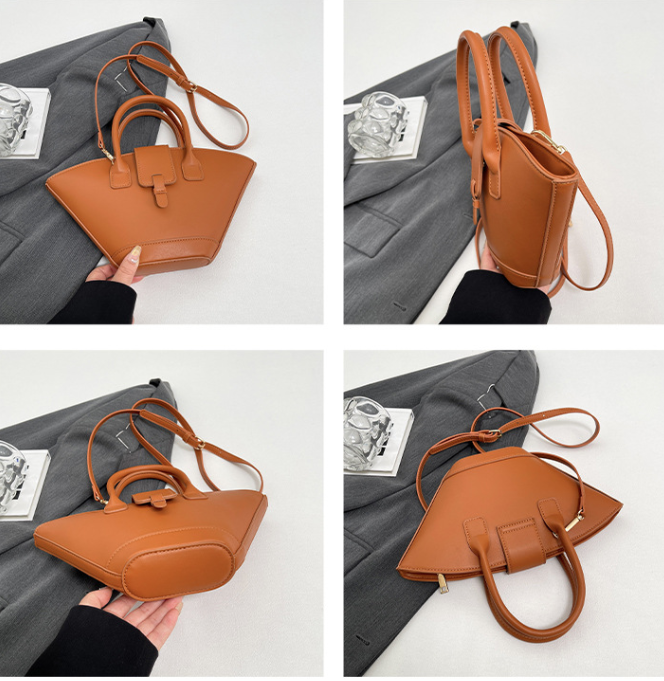
The PrinceBag is a brown cross body handbag designed for versatility. Typical features include an adjustable strap, multiple internal compartments, a secure zip or flap closure, and hardware accents in gold or antique brass finishes. Common materials used for competitive wholesale models are PU leather (high-grade synthetic), genuine leather options, and occasionally fabric-leather blends for a different price tier.
Key attributes:
– Color: Warm brown shades (tan, mocha, chestnut) that fit into year-round wardrobes.
– Size: Compact to medium (large enough for wallet, phone, keys, and small cosmetics).
– Functionality: Cross body carry for hands-free convenience; adjustable strap for comfort; inner padding or lining for structure.
– Aesthetic: Minimalist, classic silhouette appealing to a wide demographic—from young professionals to mature shoppers.
These elements combine to form a handbag that fits multiple use-cases: daily commute, travel, casual outings, and as a gifting option. The brown color offers broad compatibility with wardrobes and seasonal trends.
Target Market and Customer Segments
Understanding who will buy the PrinceBag informs pricing and marketing. Broadly, target segments include:
– Value-conscious fashion consumers: Those who want a stylish bag without luxury pricing.
– Retail boutiques and online shops: Small retailers seeking reliable, on-trend wholesale items.
– Corporate gift buyers: Companies looking for branded, practical gifts for clients or employees.
– E-commerce entrepreneurs/private-label sellers: Sellers who want to build margin through curated product listings and branding.
Demographic and psychographic attributes:
– Age: 18–55, skewing toward working adults who appreciate functionality.
– Lifestyle: Urban, busy, mobile; prefers practical fashion.
– Purchase drivers: Price, perceived quality, design, brand credibility, and fast delivery.
Market Positioning and Competitive Pricing Strategy
The term “Competitive Price” implies the PrinceBag is positioned to undercut higher-end competitors while offering comparable perceived value. A competitive pricing strategy should balance production costs, desired margins, and perceived market value.
Pricing considerations:
– Cost of goods sold (COGS): Includes material, labor, finishing, and packaging.
– Freight and import duties: Significant for internationally sourced wholesale products.
– Overhead and marketing: Warehousing, returns handling, listing fees for online marketplaces.
– Recommended markup: Retailers typically apply 2.5x–3.5x markup on wholesale price, depending on channel and brand positioning.
Example approach:
– If wholesale price is $15–$25 per unit, suggested retail could be $39.99–$79.99, allowing retailers healthy margins while staying competitive against fast-fashion and mass-market brands.
Supply Chain and Sourcing: Ensuring Cost-Effective Quality
Sourcing the PrinceBag at a competitive price requires careful vendor selection and supply chain optimization. Key steps include:
1. Supplier vetting: Assess factory certifications, past production samples, lead times, and communication responsiveness. Prioritize suppliers with consistent quality control processes and transparent costing structures.
2. Minimum order quantities (MOQs): Negotiate MOQs to match cash flow. Smaller brands should explore consolidated shipping or shared container options.
3. Material selection: PU leather can drastically reduce costs compared to full-grain leather while retaining a desirable look. Consider leather alternatives (vegan leather) if targeting specific niche markets.
4. Shipping and logistics: Balance FOB vs. DDP pricing models. FOB often offers lower per-unit price but requires more logistics handling. DDP simplifies delivery but increases per-unit cost.
5. Lead time management: Longer lead times can lower unit costs (bulk production), but flexible suppliers and safety stock help avoid stockouts.
Quality Control and Compliance
A “competitive price” should not equate to poor quality. Establishing consistent QC checkpoints reduces returns and protects brand reputation.
QC checkpoints:
– Pre-production sample approval: Confirm design, materials, and hardware.
– In-line inspections: Check stitching, seam strength, and hardware attachment during production.
– Final inspection: Random sampling for defects, color consistency, and packaging quality.
– Testing: Zipper pull tests, strap tensile strength, colorfastness, and any chemical compliance (e.g., restricted substances).
Compliance:
– Labeling: Country of origin, material content, and care labels must meet local regulations.
– Safety: For some markets, chemicals in dyes or treatments may be restricted—obtain documentation such as material safety data sheets (MSDS) or lab testing when necessary.
Packaging and Presentation: Adding Value Without High Cost
Smart packaging enhances perceived value. For wholesale PrinceBag offerings, consider:
– Simple branded dust bag or tissue wrap to protect the bag and add perceived luxury.
– Hangtags with concise features and care instructions.
– Minimalist retail-ready packaging that’s cost-effective but attractive for boutique displays and unboxing experiences.
Bulk packaging should also optimize shipping—stackable, crush-resistant cartons with internal supports reduce returns from transit damage.
Marketing and Sales Channels
Effective channels for PrinceBag distribution:
– Online marketplaces: Amazon, eBay, and Overstock for reach; ensure optimized product pages and high-quality photography.
– DTC e-commerce: Build brand story and email marketing to retain customers and increase lifetime value.
– Wholesale and B2B platforms: Alibaba, Global Sources, and regional trade shows for retailer partnerships.
– Social commerce: Instagram and Pinterest are visual platforms well-suited to fashion accessories.
– Brick-and-mortar boutiques: Local shops and consignment options for curated selections.
Key marketing tactics:
– Lifestyle photography: Show real-world use-cases (travel, commuting, weekend out).
– Influencer partnerships: Micro-influencers can drive credible exposure for niche audiences.
– Promotions: Time-limited discounts, bundles, and first-order retailer incentives to encourage initial buying.
Pricing Analysis and Margin Scenarios
Profitability depends on setting a wholesale price that covers costs and leaves attractive margin for retailers. Below is an analytical table comparing three typical PrinceBag wholesale tiers and recommended retail pricing scenarios.
| SKU / Tier | Material | Wholesale Price (USD) | MOQ (Units) | Suggested Retail Price (USD) |
|---|---|---|---|---|
| Basic | PU Leather, Simple Hardware | $12.00 | 200 | $34.99 |
| Standard | Higher-Grade PU or Mixed Leather | $18.50 | 150 | $49.99 |
| Premium | Full-Grain or Top-Grain Leather, Enhanced Hardware | $35.00 | 100 | $89.99 |
This table provides a baseline. Retailers should adjust prices based on local market conditions, freight charges, and promotional strategies. For example, if landed cost increases by $3–$5 due to shipping or tariffs, factor that into the wholesale price or absorb a smaller margin.
Competitive Analysis
Compare PrinceBag to direct competitors: fast-fashion brands, mid-tier leather brands, and generic wholesale suppliers. Key differentiators for PrinceBag should include:
– Reliable supply and consistent QC.
– Attractive price-to-quality ratio.
– Aesthetic versatility of brown tones that fits multiple demographics.
– Customization and private-label options for retailers who want unique branding.
Competitor threats include price undercutting by low-quality manufacturers and faster trend cycles from high-fashion retailers. Mitigation strategies:
– Offer private-label and MOQ flexibility.
– Ensure consistent quality to win repeat orders.
– Provide fast replenishment for best-sellers.
Customization and Private-Label Opportunities
One of the most lucrative approaches for sellers is private-labeling PrinceBag units. Opportunities:
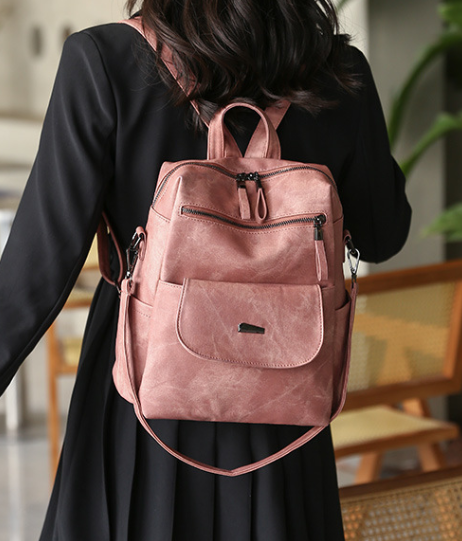
– Logo embossing on flap or strap.
– Custom lining patterns that align with a retailer’s brand identity.
– Exclusive hardware finishes (matte black, rose gold).
– Custom packaging and swing tags.
Customization increases perceived exclusivity and justifies higher retail pricing. Negotiate customization costs and timelines with suppliers to ensure profitability.
Sustainability and Ethical Considerations
Sustainability trends affect buying decisions. Offering environmentally friendly variants can attract conscious consumers. Options include:
– Vegan leather made from recycled materials.
– Water-based PU finishes to reduce VOCs.
– Supply chain transparency and factory audits.
– Recyclable packaging or reduced plastic use.
Demonstrating commitment to sustainability through certifications, supplier audits, and transparent communications strengthens brand trust and can create differentiation.
Operations: Inventory, Returns, and Customer Support
Operational efficiency supports long-term success:
– Inventory management: Use data-driven reorder points for popular SKUs to prevent stockouts.
– Returns handling: Clear return policies, thorough product descriptions, and accurate photos reduce returns.
– Customer support: Quick response times, multi-channel support, and easy resolution build buyer loyalty.
For wholesalers, offering drop-shipping or direct-to-consumer fulfillment for retailers can be a value-added service.
Case Study: Launching PrinceBag in a Boutique Chain
Imagine a boutique chain that orders 300 Standard-tier PrinceBags at $18.50 each (wholesale). Landed cost per unit after shipping and duties is $22. They price the bag at $49.99 retail. Key metrics:
– Retail margin: approximately 56% gross margin.
– Break-even analysis: If monthly fixed costs for the boutique are $4,000, selling 100 bags at $27.99 gross profit each contributes $2,799 toward fixed costs; combined product mix must cover rest.
– Marketing focus: Highlight versatile brown tones, in-store merchandising with lifestyle displays, and limited-time promotions to drive initial sales.
This example shows realistic profitability while demonstrating the impact of landed costs and retail pricing.
Conclusion: Is PrinceBag Right for Your Business?
The Competitive Price Brown Cross Body Handbag Wholesale PrinceBag is a viable product for many retailers and resellers. Its classic design, functional appeal, and competitive cost profile make it a solid core SKU. Success depends on:
– Carefully balancing cost and quality through supplier selection.
– Smart pricing and margin planning tailored to your sales channel.
– Effective marketing that conveys value and lifestyle fit.
– Operational excellence in inventory, QC, and customer service.
For retailers looking to expand handbag assortments with low-risk, mid-margin items, PrinceBag offers an attractive option. For brands seeking private-label opportunities, the product provides ample room for customization and differentiation. Ultimately, with disciplined sourcing and a clear market approach, the PrinceBag can be a consistent performer in a fashion or accessories lineup.