

PrinceBag has positioned itself as a go-to supplier for woven leather handbags that balance competitive pricing with reliable quality. For retailers, boutiques, and private-label brands seeking stylish woven leather designs without breaking their margin targets, understanding PrinceBag’s value proposition is essential. This article provides a comprehensive look at PrinceBag’s strengths, manufacturing capabilities, pricing strategy, product quality, supply chain performance, and how they compare to peers—helping buyers and sourcing managers make informed decisions.
Market Position and Value Proposition
PrinceBag targets customers who demand well-designed woven leather handbags at competitive price points. Their core value proposition rests on three pillars:
– Cost-effective production: Streamlined manufacturing processes and supplier relationships reduce input costs.
– Consistent woven craftsmanship: Focus on woven patterns and finishes that appeal to contemporary fashion trends.
– Flexibility for private-label orders: Moderate minimum order quantities (MOQs) and customization options enable smaller brands to launch seasonal lines.
This positioning makes PrinceBag particularly attractive to mid-tier retailers and newcomers who want the appearance and feel of premium woven leather without the premium price tag.
Product Quality and Material Selection
Woven leather handbags demand both aesthetic precision and structural integrity. PrinceBag sources a range of leather types—genuine full-grain where required, corrected-grain, and carefully selected PU leather for budget lines—allowing tiered product offerings.
Key quality features buyers should evaluate:
– Leather grade and origin: PrinceBag typically provides leather grades ranging from corrected full-grain to high-quality top-grain. Full-grain offers the best longevity but at higher cost; corrected-grain and top-grain can provide a balanced price-quality ratio.
– Weave consistency: Automated and hand-finish hybrid processes ensure even tension and consistent patterning across production runs.
– Reinforcement and lining: Quality handbag construction relies on internal reinforcement (interlinings, edge treatments) and durable linings (nylon, cotton twill, or leather).
– Hardware quality: Zippers, clasps, and chain straps significantly affect perceived value. PrinceBag’s competitive models usually pair cost-efficient hardware with solid finishing to avoid early failures.
PrinceBag’s layered approach—offering premium and value lines—lets brands pick the right balance of material and price for their market.
Pricing Strategy and Cost Control
Competitive pricing at PrinceBag comes from several levers:
– Vertical supplier relationships: Long-term partnerships with tanneries and accessory manufacturers lower raw material costs.
– Economies of scale in common SKUs: Standard woven patterns and sizes are produced in larger batches, reducing unit cost.
– Lean production techniques: Reducing waste and optimizing labor-intensive weave processes helps keep margins healthy.
– Tiered product lines: By offering both genuine leather and high-quality synthetic alternatives, PrinceBag reaches multiple price tiers without diluting brand identity.
For buyers, the key is transparency in cost drivers—material grade, hardware quality, and customization—that affect unit prices. Negotiating factory sample fees, tiered pricing based on volume, and flexible delivery schedules can unlock better terms.
Manufacturing Capability and Lead Times
Reliable lead times are critical for seasonal fashion. PrinceBag emphasizes:
– Flexible production lines: Ability to switch between woven patterns and handle small-batch private-label orders.
– Capacity management: Dedicated production slots for repeat customers and scalable capacity for large orders.
– Quality inspection at multiple stages: Inline QA for weave tension, hardware bonding, and final finishing.
Typical lead times:
– Prototypes / samples: 10–20 days depending on complexity.
– Small production runs (MOQ to 1,000 pcs): 30–50 days.
– Large orders (1,000+ pcs): 45–75 days.
These timelines are competitive for overseas manufacturing, but buyers should factor in shipping times, customs, and potential peak-season delays.
Design, Customization, and Minimum Order Quantities (MOQ)
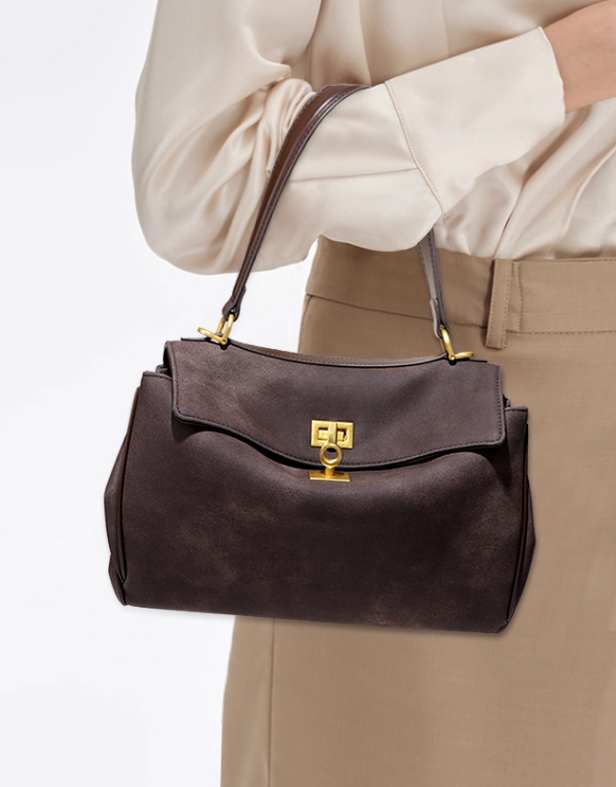
Design flexibility is a major selling point for PrinceBag:
– Customization options: Custom weaving patterns, leather colors, lining materials, logo embossing, and hardware finishes.
– Design support: In-house designers can help adapt a concept for efficient production and cost optimization.
– MOQs: Varied by customization level—standard SKUs may have low MOQs (50–200 per color), while fully custom designs typically start at 300–500 pieces per SKU.
This approach supports boutique brands launching limited collections while allowing established buyers to scale.
Sustainability, Compliance, and Ethical Sourcing
Sustainability is increasingly important for global buyers. PrinceBag’s sustainability profile often includes:
– Leather traceability: Documentation on leather origin and tanning processes where requested.
– Environmental controls: Partnerships with tanneries that meet baseline chemical management standards.
– Labor compliance: Factory audits and third-party inspections available upon request.
While PrinceBag may not always claim premium sustainability certifications by default, they are typically willing to work with buyers on compliance and provide verifiable documentation for governing standards when needed for major retail accounts.
Logistics, Packaging, and After-Sales Support
Efficient logistics and packaging preserve product value and reduce post-delivery issues:
– Protective packaging: Dust bags, tissue wrap, and reinforced cartons for woven leather to prevent deformation.
– Consolidation options: Support for consolidated shipments and drop-shipping arrangements.
– After-sales: Clear warranty terms for manufacturing defects and a streamlined returns process for wholesale customers.
These operational details reduce friction for retailers and preserve the retail experience for end consumers.
Competitive Analysis: How PrinceBag Stacks Up
Below is a focused comparison that analyzes price, material quality, lead times, MOQ, and recommended buyer fit. The table helps buyers compare PrinceBag with typical competitors and an industry-average benchmark.
| Supplier | Average Unit Price (USD) | Material Grade (Leather) | Lead Time (Days) | Minimum Order Quantity |
|---|---|---|---|---|
| PrinceBag | $18–$65 | Top-grain / Corrected full-grain / High-quality PU | 30–60 | 50–500 (varies by SKU) |
| Competitor A (Premium Brand) | $45–$150 | Full-grain / Vegetable-tanned | 45–90 | 300–1,000 |
| Competitor B (Low-cost ODM) | $12–$35 | Corrected-grain / Low-cost PU | 25–45 | 200–1,000 |
| Competitor C (Niche Artisan) | $60–$200 | Premium artisanal leathers | 60–120 | 10–100 (handmade) |
| Industry Average | $25–$90 | Top-grain / Mixed grades | 35–75 | 50–500 |
Analysis of the table:
– Price positioning: PrinceBag sits in the lower-middle price tier, making it competitive for mass-market and mid-market retail.
– Material flexibility: Offers a range of leather grades enabling buyers to choose segments such as value, mid, or near-premium.
– Lead time balance: Their lead times reflect typical offshore manufacturing expectations—competitive but influenced by customization.
– MOQ flexibility: Lower MOQs for standard SKUs support smaller brands; custom pieces require higher commitments.
SWOT Overview for PrinceBag
Strengths:
– Competitive pricing across multiple leather tiers.
– Scalable production with reasonable lead times.
– Design flexibility and private-label experience.
Weaknesses:
– Premium sustainability certifications may not be standard for all products.
– Higher-end artisanal reputation is limited compared to niche artisans.
Opportunities:
– Expand verified sustainability credentials to attract eco-conscious retailers.
– Develop capsule premium lines using full-grain or specialty tanned leather for higher margins.
Threats:
– Global supply chain disruptions affecting leather and hardware lead times.
– Emerging low-cost competitors that mimic woven styles at aggressive prices.
Practical Sourcing Checklist for Buyers
Before committing to a production run with PrinceBag, buyers should verify the following:
– Request material samples and full-spec leather swatches to assess shade, texture, and durability.
– Obtain a clear bill of materials (BOM) for each SKU including hardware specs and supplier sources.
– Confirm lead times with written production schedules and penalties for missed deadlines if needed.
– Ask for third-party QA or inspection reports for the first production run.
– Discuss packaging specifications and any retail-ready finishing requirements.
– Clarify return policies, warranty coverage, and defect thresholds.
Following this checklist minimizes surprises and builds a transparent supplier relationship.
Recommendations for Retailers and Private-Label Brands
Retailers considering PrinceBag should align their buying strategy with their brand positioning:
– For value-driven collections: Choose corrected-grain or high-quality PU options to keep retail prices attractive.
– For mid-market lines: Opt for top-grain leathers with upgraded hardware and reinforced interiors to justify higher retail positioning.
– For premium limited editions: Work with PrinceBag to secure small-batch full-grain leathers, unique weaving patterns, and premium packaging; accept higher MOQs and lead times for a differentiated product.
Negotiate volume discounts and flexible payment terms when possible. Establish a cadence of repeat orders for best pricing—PrinceBag rewards predictable demand.
Case Example: Launching a Seasonal Woven Handbag Line
Scenario: A boutique brand wants a 3-color woven leather tote as a seasonal launch (initial order 300 units).
Recommended approach with PrinceBag:
– Pre-production: Approve physical prototypes (2–3 iterations over 15–30 days).
– Materials: Specify top-grain leather for body, cotton twill lining, YKK zippers, and brushed metal hardware.
– Production: Schedule a 45-day run followed by inline inspections at 30% and 70% completion.
– Packaging: Dust bags and a retail swing tag with brand logo; consolidated pallet shipment FOB port.
Result: The boutique obtains a high-quality product that reads as premium in retail while maintaining a realistic cost structure and predictable delivery.
PrinceBag is a pragmatic choice for brands seeking competitive-price woven leather handbags without sacrificing core quality and design flexibility. Their combination of material options, adaptable MOQs, and reliable production timelines makes them suitable for mid-market retailers, private-label initiatives, and startups. Buyers should engage PrinceBag with clear technical requirements, sample approvals, and defined timelines—doing so unlocks the supplier’s ability to deliver attractive, market-ready woven leather handbags that meet both cost and brand expectations. With careful sourcing practices and ongoing collaboration, PrinceBag can be a valuable long-term manufacturing partner for businesses aiming to scale attractive woven leather collections.