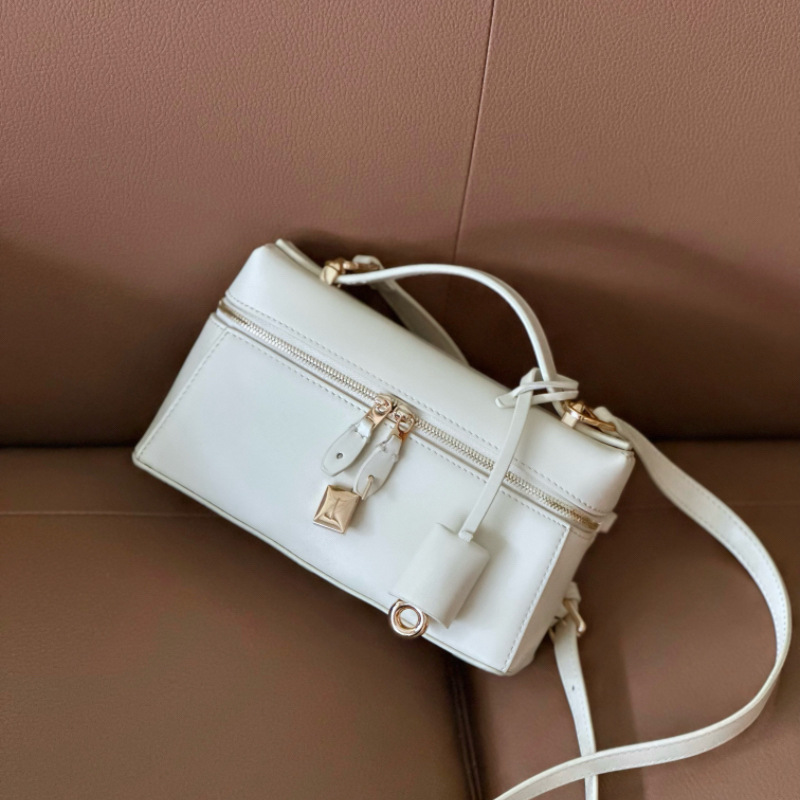


PrinceBag has established itself as a reliable OEM manufacturer for custom cross-body women’s handbags, combining flexible customization, consistent production quality, and competitive pricing. For brands, boutiques, and private labels seeking a manufacturing partner to bring their bag designs to life, PrinceBag offers end-to-end solutions — from concept refinement and prototyping to mass production, quality control, and international shipping. This article analyzes PrinceBag’s strengths, production process, material options, compliance practices, and practical recommendations for brands that want to outsource cross-body handbag production.
Why Choose an OEM Partner like PrinceBag for Cross-body Handbags?
Outsourcing handbag production to a specialized OEM supplier can deliver strategic benefits:
– Design-to-production continuity: One partner handles pattern making, sample development, and scaling, reducing errors and lead times.
– Cost efficiency: OEM partners optimize material sourcing and production processes to lower per-unit costs at scale.
– Quality consistency: Established factories maintain standardized manufacturing systems and inspection checkpoints.
– Customization flexibility: Experienced OEMs support bespoke hardware, unique lining choices, branding (printing, embossing), and packaging options.
PrinceBag focuses specifically on women’s cross-body styles, a market segment prized for everyday functionality and trend adaptability. They understand the critical factors for success: strap ergonomics, compartment layout, weight distribution, hardware durability, and finishing techniques that enhance perceived value.
Core Manufacturing Capabilities
PrinceBag’s offering typically includes:
– Concept & Tech Pack Consultation: Review sketches, materials, and functional requirements; produce detailed tech packs for accurate costing and sampling.
– Pattern Making & Prototyping: Create patterns, produce initial samples, and refine fit and proportions for optimal body carry and balance.
– Material Sourcing: Access to leather (genuine and corrected-grain), PU and vegan leather, microfiber, canvas, and technical textiles; hardware suppliers for zippers, clasps, rings, and sliders.
– Custom Hardware & Accessories: Die-cast metal hardware, electroplating, custom zipper pulls, and branded tags.
– In-house Cutting & Sewing: Precision cutting and skilled stitching tailored to hand bag construction standards.
– Quality Control & Testing: Pre-shipment inspections, seam strength tests, colorfastness and wear testing, and compliance checks.
– Private Label & Packaging: Custom labels, hangtags, dust bags, and retail-ready packaging options.
Material and Design Considerations for Cross-body Bags
Selecting the right materials and construction techniques determines the bag’s longevity and market positioning:
– Leather vs. Synthetic: Genuine leather positions the product as premium, while high-grade PU and microfiber offer durability and animal-friendly credentials at lower cost.
– Lining & Interiors: Nylon or polyester linings with compartmented pockets and RFID-blocking inserts boost functionality.
– Hardware Quality: Metal clasps and adjustable slides must withstand repeated use; plating and lacquering protect finish.
– Weight and Ergonomics: Lightweight materials and tapered straps improve daily comfort.
– Branding Options: Embossing, foil stamping, metal nameplates, and woven labels affect perceived value and SKU differentiation.
Quality Assurance and Compliance
PrinceBag implements multi-stage quality control:
– Incoming material checks for color, thickness, and defects.
– In-process inspections at critical assembly points.
– Final pre-shipment inspections for workmanship, dimensions, and function.
– Laboratory testing for colorfastness, lead content in hardware, and flammability as required.
– Documentation support for international compliance (REACH, CPSIA, or other regional regulations) and customized testing on request.
Manufacturing Timelines and Minimum Order Quantities (MOQs)
Typical timelines vary by order complexity:
– Sampling: 10–25 business days depending on hardware lead time and revisions.
– Mass Production: 30–60 days from order confirmation for standard runs; expedited options may be available at a premium.
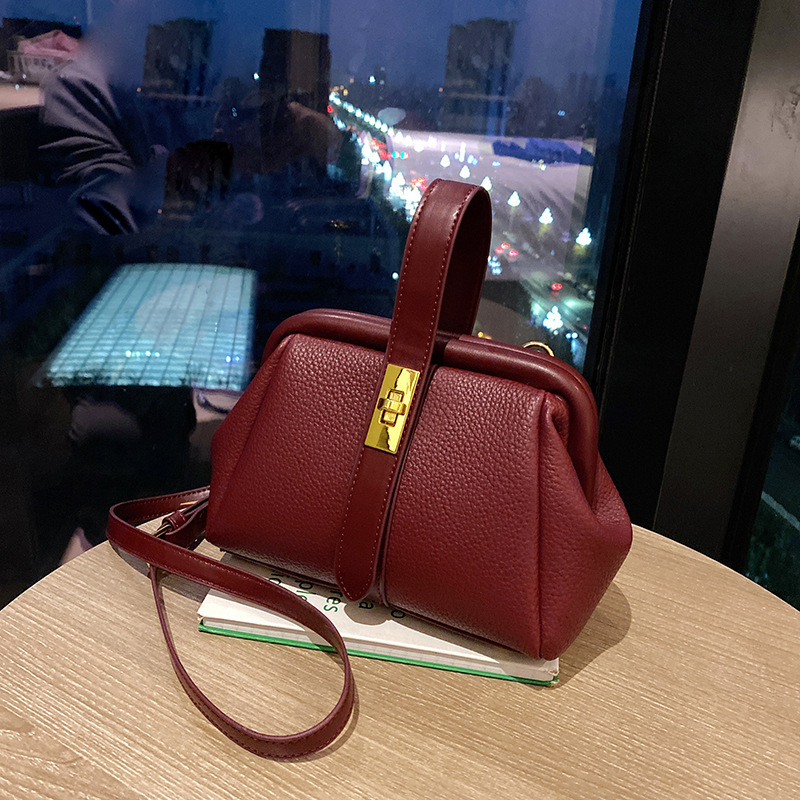
MOQs depend on materials and customization level. PrinceBag often sets MOQs to balance tooling cost and pricing competitiveness.
Pricing Structure and Cost Drivers
Key cost drivers include:
– Material selection and grade.
– Hardware complexity and custom dies.
– Labor intensity (hand-stitching, special finishes).
– Order quantity and seasonal production schedules.
– Packaging complexity and labeling requirements.
Transparent costing from the tech pack stage helps brands understand trade-offs between target retail price and manufacturing costs.
How Brands Can Work Effectively with PrinceBag
Best practices for a successful OEM relationship:
– Provide detailed tech packs with dimensions, materials, and tolerances.
– Approve trims and hardware early to avoid delays.
– Request physical samples for wear and fit validation.
– Plan order timelines with buffer for holidays and supply chain variability.
– Establish clear quality acceptance criteria and testing requirements.
Market Trends for Cross-body Women’s Handbags
Current trends influencing design and manufacturing:
– Sustainable materials and transparent sourcing.
– Convertible designs (cross-body to shoulder or belt-bag).
– Compact silhouettes with high organizational functionality.
– Minimalist hardware and tonal finishes for versatile styling.
– Smart features: integrated card pockets, anti-theft closures.
PrinceBag supports trend adaptation by recommending materials and construction techniques aligned with market demand.
Analysis Table: Material Comparison for Cross-body Handbags
| Material | Durability | Cost Range (per unit est.) | Typical MOQ | Best For |
|---|---|---|---|---|
| Genuine Leather (Full/Top Grain) | High — improves with patina; excellent strength | High ($25–$60 material cost) | 200–500 | Premium & heritage collections |
| Corrected-Grain Leather | Good — uniform finish, cost-effective | Moderate ($15–$35) | 200–500 | Mid-market stylish lines |
| PU/Vegan Leather (High-Grade) | Moderate — water resistant, lower maintenance | Low–Moderate ($6–$18) | 300–1000 | Ethical fashion & value-oriented brands |
| Microfiber/Nylon/Canvas | High for technical textiles; lightweight | Low ($4–$12) | 300–1000 | Active, travel-friendly, lightweight designs |
| Exotic Leather (e.g., Ostrich, Saffiano) | Varies — premium, requires special care | Very High ($60+) | 100–300 | Luxury limited editions |
Case Study Snapshot: From Concept to Retail Shelf
Example workflow for a boutique brand launching a cross-body line with PrinceBag:
1. Concept meeting and trend briefing — brand provides sketches and target price.
2. Tech pack development — materials, dimensions, pocket layout, and hardware specifics.
3. Sampling stage — 2–3 rounds to finalize fit, strap length, and finishing.
4. Pilot production — small batch to test market and packaging.
5. Full production — scaled and quality-checked with pre-shipment inspection.
6. Logistics coordination — consolidated shipment, customs paperwork, and delivery.
This iterative approach minimizes risk and allows the brand to gather customer feedback before larger orders.
Final Recommendations
When selecting PrinceBag or any OEM manufacturer for custom cross-body women’s handbags:
– Invest time in detailed tech packs and clear visual references.
– Prioritize sample approval to lock in expectations on materials and hardware.
– Consider lifecycle costs (warranty, returns, repairs) in supplier selection.
– Ask for sustainability documentation if eco-credentials are part of your brand promise.
– Start with a controlled pilot run to validate product-market fit before scaling.
Partnering with a focused OEM like PrinceBag offers brands a pathway to consistent quality, design flexibility, and efficient go-to-market execution for cross-body handbag lines. With the right planning and communication, brands can leverage PrinceBag’s manufacturing expertise to deliver attractive, durable, and market-ready handbags that meet customer expectations and support brand growth.