

PrinceBag has positioned itself as a specialist OEM manufacturer for custom handbags and travel bags, offering end-to-end product development from concept to shipping. In today’s market—where brand differentiation depends heavily on product quality, sustainable sourcing, and nimble supply chains—partnering with a reliable OEM like PrinceBag can be the difference between a successful collection launch and costly delays. This article examines PrinceBag’s core capabilities, the OEM process for custom handbags and travel products, market-driven design considerations, quality and compliance, sustainability approaches, and practical guidance for brands planning to collaborate with an OEM manufacturer.
Understanding the OEM Role: From Design Sketch to Retail Shelf
An OEM manufacturer like PrinceBag typically handles multiple phases of product creation:
– Design refinement: turning sketches, tech packs, or mood boards into producible specifications.
– Material sourcing: selecting leathers, textiles, hardware, and linings tailored to performance and budget.
– Prototyping and sampling: rapid sample cycles to ensure fit, function, and aesthetics.
– Production planning: tooling, cutting, sewing, hardware attachment, and finishing.
– Quality control and testing: inline inspections and final checks (stitch density, seam strength, hardware torque, colorfastness).
– Packaging, labeling, and logistics: customized packaging, hangtags, and fulfillment-ready shipments.
For travel bags, OEMs also manage functional testing—water resistance, zipper durability, wheel and handle robustness, and weight distribution—critical for products intended to endure heavy use.
Core Strengths PrinceBag Brings to Brands
– Customization expertise: PrinceBag offers a wide range of customization options—materials (vegan leather, full-grain leather, coated canvas), hardware finishes (antique brass, polished chrome, matte black), internal organization layouts, and branding elements (debossing, metal logos, woven labels).
– Technical capacity: skilled pattern makers, experienced sewers, and in-house prototyping reduce iteration time and improve first-sample accuracy.
– Scalable manufacturing: from small-batch pilot runs to larger production volumes, PrinceBag can scale output while maintaining consistent quality.
– Travel product know-how: specific competencies in structural reinforcement, ergonomic handle systems, wheel assemblies, and TSA-friendly features.
– Compliance and testing: structured QC systems and support for required third-party testing depending on markets (e.g., REACH, CPSIA for accessories, restricted substances testing).
Design and Material Considerations for Custom Handbags and Travel Bags
Designing successful custom handbags and travel products requires negotiating aesthetics, performance, cost, and manufacturability.
Materials: Look and Performance Trade-offs
– Full-grain leather: premium look and long-term durability, higher cost, requires careful tanning and finishing.
– PU/vegan leather: cost-effective, consistent finish, lighter weight—but variable breathability and aging characteristics.
– Woven textiles (nylon, polyester, Cordura): ideal for travel due to abrasion resistance and water repellency.
– Coated canvas: combines structure and printability, often used in fashion-forward travel totes and weekenders.
Choosing the right material impacts hardware selection, stitch types, and reinforcement strategies. PrinceBag’s material recommendations factor in target price points, end-use, and customer expectations.
Functional Features for Travel Focused Products
– Compartmentalization: removable packing cubes, shoe compartments, laptop sleeves.
– Security: lockable zippers, anti-theft pockets, RFID-lined wallets.
– Mobility: telescoping handles, spinner wheels, reinforced trolley sleeves.
– Weather resistance: seam sealing, water-repellent coatings, treated zippers.
PrinceBag engineers designs so these features integrate seamlessly without inflating manufacturing complexity or costs unnecessarily.
Manufacturing Process and Quality Assurance
A robust manufacturing workflow minimizes defects and shortens time to market.
Sample Development and Tech Packs
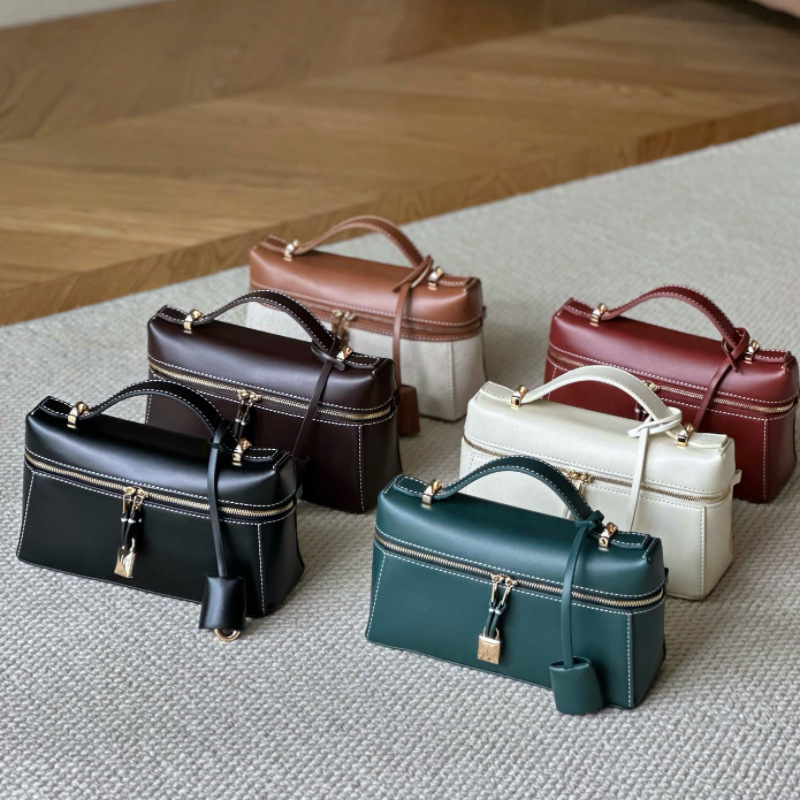
A comprehensive tech pack dramatically improves sample accuracy. Key elements include:
– Flat sketches and 3D references
– Material and hardware specs with suppliers
– Stitching, seam allowance, and assembly notes
– Exact measurements and tolerances
PrinceBag helps brands translate concept mood boards into fully detailed tech packs and produces first samples for review within agreed timelines.
Production Stages and QC
– Pre-production sample sign-off
– Pilot run (small batch) to verify process and tooling
– Full production with inline QC checkpoints
– Final inspection for dimension, function, finish, and packaging
QC protocols typically include AQL sampling for visual defects and functional tests (zipper cycles, pull tests, abrasion). PrinceBag can also coordinate third-party inspections when buyers require independent verification.
Sustainability and Responsible Manufacturing
Sustainability is now a baseline expectation for many brands. PrinceBag’s approaches can include:
– Selecting lower-impact materials (recycled nylon, certified leather alternatives)
– Waste reduction through optimized cutting and material planning
– Chemical management and compliance with restricted substance lists
– Transparent supply chains and traceability for raw materials
Brands should align sustainability claims with verifiable practices—certifications, supplier audits, and material documentation—to preserve credibility.
Costs, Lead Times, and Minimum Order Quantities (MOQs)
Typical OEM variables depend on complexity, materials, and order scale. Below is an analysis table summarizing typical benchmarks for custom handbags and travel products produced by an OEM like PrinceBag.
| Product Category | Typical Materials | MOQ (per style) | Typical Lead Time (from sample approval) | Estimated Price Range (per unit) |
|---|---|---|---|---|
| Everyday Handbags | PU leather, coated canvas, cotton twill linings | 200–500 units | 6–10 weeks | $8–$40 (depending on materials and hardware) |
| Travel Totes & Weekenders | Cordura/ballistic nylon, coated canvas, reinforced webbing | 300–800 units | 8–12 weeks | $20–$70 |
| Crossbody & Sling Bags | Lightweight nylon, PU leather trims, metal/buckle hardware | 200–500 units | 6–10 weeks | $7–$35 |
| Backpacks | Technical fabrics, padded inserts, zippers, straps | 300–1000 units | 10–14 weeks | $25–$90 |
| Accessories (wallets, pouches) | PU/leather, laminated fabric, zippers | 500–2000 units | 6–8 weeks | $2–$18 |
Note: These figures are illustrative and can vary regionally, with material market fluctuations, and with the depth of customization.
How Brands Should Prepare to Work with PrinceBag
To make an OEM partnership efficient and productive, brands should take several preparatory steps:
1. Clear Brand Brief and Product Priorities
Provide a concise brief that ranks priorities: price, eco-credentials, speed to market, or premium finish. That helps PrinceBag propose realistic materials and production paths.
2. Detailed Tech Packs and Reference Samples
The more precise your tech packs, the less iteration time you’ll need. Reference samples or a “golden sample” for look-and-feel calibration are invaluable.
3. Staged Sampling and Approvals
Agree on milestone-based approvals (prototype, pre-production sample, pilot run) to avoid full production rework.
4. Understand Total Cost of Ownership
Beyond unit cost, account for tooling, sample fees, testing, freight, duties, and potential buffer for minor design adjustments.
Common Pitfalls and How PrinceBag Helps Avoid Them
– Underestimating production complexity: Consumers demand features, but some features increase production steps. PrinceBag advises feature trade-offs to balance performance and cost.
– Incomplete tech packs: Missing tolerances or unclear materials lead to expensive rework. PrinceBag’s tech pack review services reduce ambiguity.
– Ignoring testing: Travel products require durability testing; failing to plan for it can result in returns and reputation damage. PrinceBag integrates testing into development timelines.
– Skipping small-batch pilots: Launching large quantities without a pilot run risks mass defects. PrinceBag recommends pilot runs for new constructions.
Case Example: Launching a Travel Weekender
A small DTC brand approached PrinceBag to develop a weekend travel carryall. Key steps included:
– Brief: Durable, weather-resistant bag with a laptop compartment and removable shoulder strap; mid-range retail price.
– Material selection: 600D recycled nylon with urethane coating; YKK water-resistant zippers; aluminium trolley handle compatibility.
– Prototyping: Two prototype cycles narrowed down weight vs structure trade-offs.
– Pilot run: 300 units to validate assembly efficiency and customer feedback via pre-orders.
– Results: The pilot run identified a zipper alignment issue that was corrected before full production; post-launch returns were below 1.2%.
This example highlights how structured collaboration protects brand reputation and investment.
Final Thoughts and Next Steps for Brands
Choosing the right OEM manufacturer for custom handbags and travel products is a strategic decision. PrinceBag’s value proposition lies in technical expertise, customization breadth, and experience across travel-specific product requirements. Brands looking to create differentiated, durable, and on-trend products should approach OEM partnerships as collaborative design and engineering engagements—where clarity, testing, and staged approvals drive success.
If you’re planning a new collection, start with a clear brief, invest in accurate tech packs, and request production timelines that include quality and compliance checkpoints. With the right preparation, partnering with an experienced OEM manufacturer like PrinceBag can accelerate time-to-market, control costs, and deliver the product experiences your customers expect.