

Custom Tote Bags have evolved from simple carryalls into powerful tools for branding, sustainability, and everyday utility. For businesses, event planners, retailers, and designers looking to make a tangible impression, partnering with a factory that offers deep material knowledge and flexible design capabilities is essential. PrinceBag Factory positions itself as a specialized partner that merges material expertise with customizable design workflows, enabling clients to create tote bags that meet functional needs, aesthetic goals, and sustainability targets. This article explores the technical and strategic considerations when ordering custom material and design tote bags from PrinceBag Factory, including material selection, structural design, production processes, quality control, packaging, and go-to-market strategies.
Why Material and Design Matter for Tote Bags
The material and design choices for a tote bag determine its longevity, perceived value, environmental footprint, and how well it serves its intended purpose. A tote used as a reusable grocery bag needs different strength, seam engineering, and washability compared with a tote used as a premium conference gift. PrinceBag Factory’s approach centers on aligning those choices to client objectives from the outset.
Material selection affects:
– Durability: Tensile strength, abrasion resistance, seam performance.
– Aesthetics: Texture, drape, color saturation for printing or dyeing.
– Sustainability: Recyclability, recycled content, biodegradability.
– Cost and weight: Fabric cost per yard, finished bag weight influencing shipping.
– Production complexity: Need for lining, interfacing, lamination, or special stitching.
Design decisions influence:
– Functionality: Compartments, closures (zippers, magnetic snaps), reinforced bottoms.
– Branding: Logo placement, printing methods, embroidery, woven labels.
– Ergonomics: Handle length, padding, strap width and attachment points.
– Manufacturing feasibility: Maximum print area, seam allowances, and pattern placement.
PrinceBag Factory guides clients through these tradeoffs to ensure the final product aligns with goals for image, budget, and sustainability.
Key Materials Offered and Their Properties
PrinceBag Factory typically offers a range of commonly requested materials with technical specifications and customization options:
– Cotton Canvas: Heavy-duty, excellent for screen printing and embroidery; natural fiber, biodegradable but requires water and land to produce.
– Recycled PET (rPET) Canvas: Made from post-consumer polyester bottles; good strength-to-weight ratio, water-resistant options with coating.
– Jute: Rustic appearance, high biodegradability, coarse texture—best for eco-branded campaigns.
– Nylon/Ripstop: Lightweight, highly water-resistant, appropriate for foldable or packable totes.
– Non-woven Polypropylene: Low-cost, often used for promotional bags—lightweight, heat-sealable seams.
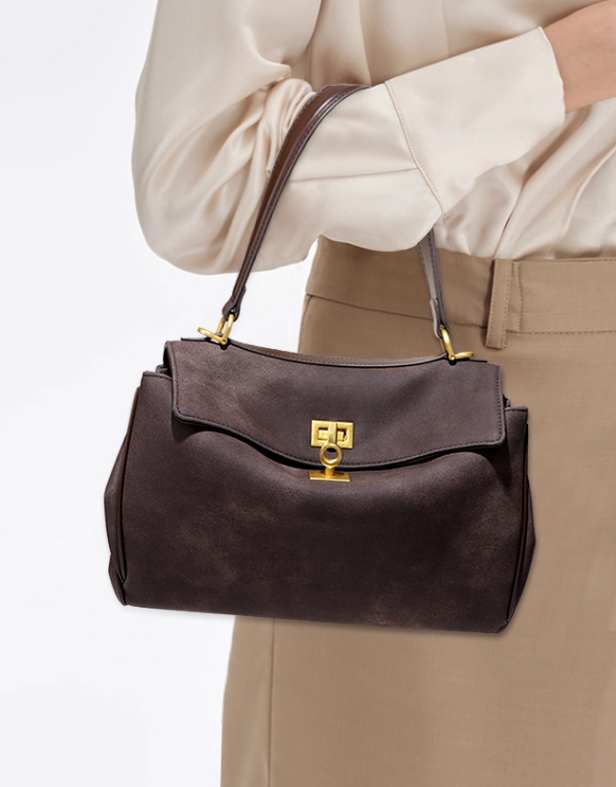
– PU/Vegan Leather (Leather Alternative): Premium appearance for gift or retail totes that want a leather look without animal products.
– Organic Cotton: Grown without synthetic pesticides, for clients prioritizing agricultural sustainability standards.
PrinceBag Factory provides technical datasheets (GSM, tensile strength, weave type) for each material so customers can compare performance metrics before finalizing a choice.
Design Options: Printing, Structure, and Hardware
Design capability is where a tote becomes a strategic asset. PrinceBag Factory supports:
– Printing Methods: Screen printing for solid colors and large runs; digital (DTG) for complex, full-color designs and photographic prints; dye-sublimation for polyester substrates; heat transfer for small runs.
– Embroidery: Adds texture and perceived value but increases lead time and cost.
– Woven and Printed Labels: Brand identification with varied attachment methods (sewn-in, heat-sealed).
– Reinforcements: Boxed bottoms, interfacing, taped seams, bartacks at stress points.
– Closures and Hardware: Zippers, magnetic snaps, toggles, D-rings for adjustable straps.
– Internal Organization: Pockets for phones, pens, water bottles; padded laptop sleeves for professional totes.
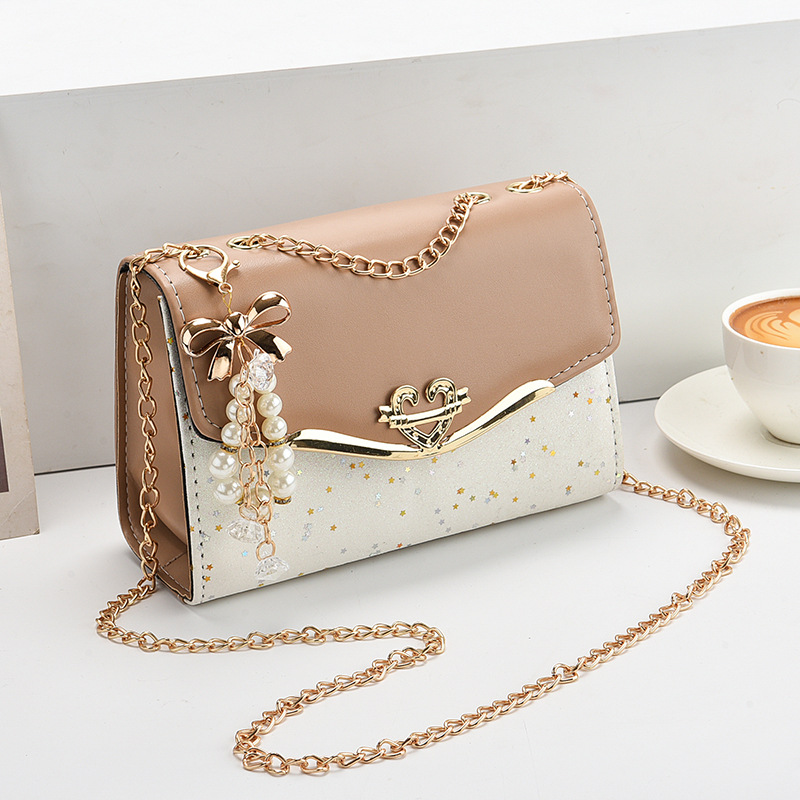
– Accent Materials: Contrasting handles, leatherette trims, decorative piping.
PrinceBag Factory also offers prototyping services—digital mockups followed by physical samples—to validate design decisions before bulk production.
Production Workflow and Quality Assurance at PrinceBag Factory
A structured production workflow reduces errors and ensures consistent quality. PrinceBag Factory’s typical workflow includes:
1. Requirement Gathering: Client provides target use, budget, color palette, logo files, and desired quantities.
2. Material Recommendation: Based on use-case, PrinceBag suggests materials and construction details, supplying technical comparisons.
3. Artwork and Tech Pack: Client submits artwork in required formats (vector preferred), and PrinceBag prepares a tech pack with pattern layouts, measurements, and production notes.
4. Sample Production: Pre-production sample or prototype is made for client approval. This can be a digital rendering followed by a physical sample.
5. Bulk Production: Once approved, production runs begin with process controls and inline inspections.
6. Quality Checks: Random inspections, AQL sampling, seam strength tests, color fastness tests, and bag load testing.
7. Packaging and Shipping: Customized packaging options—polybags, swing tags, paper wraps, or retail-ready boxes—are applied based on client instructions.
PrinceBag places emphasis on communication at each stage and documents approvals to minimize misunderstandings.
Cost Drivers, Minimums, and Lead Times
Understanding cost structure is essential for planning. Key cost drivers include:
– Material Choice: Natural fibers vs. synthetics, specialty finishes, recycled content premiums.
– Print Complexity: Number of colors, print area, and printing method dramatically affect price.
– Hardware and Add-Ons: Zippers, metal hardware, and embroidery raise unit costs.
– Order Quantity: Higher quantities lower per-unit cost through economies of scale.
– Sample Fees: Prototype and sample approval often involve charges, though typically credited to production orders.
– Packaging and Shipping: Retail-ready packaging and life-cycle calculations can add cost.
PrinceBag Factory typically outlines minimum order quantities (MOQs) by material and process. MOQs vary—non-woven promotional bags may have lower MOQs, while woven, embroidered premium totes have higher MOQs due to tooling and setup. Lead times range from 2–6 weeks for straightforward orders to 8–12 weeks for complex designs or large volumes. PrinceBag provides a timeline estimate at order confirmation.
Sustainability and Certifications
Sustainability is increasingly important. PrinceBag Factory supports multiple sustainability pathways:
– Using recycled materials such as rPET.
– Offering organic cotton and water-saving dyeing processes.
– Advising on minimal packaging solutions and recyclable packing materials.
– Implementing waste-reduction measures in production and fabric offcut reuse.
PrinceBag can share documentation for sustainable materials and participates in routine supplier audits. For clients requiring certification claims, PrinceBag assists with traceable material sourcing and lab test results where available.
Artwork, File Preparation, and Branding Best Practices
A strong brand outcome depends on clean artwork and thoughtful placement:
– File formats: Vector files (AI, EPS, PDF) are preferred for crisp printing at any size. High-resolution PNG/TIFF for raster images.
– Color management: Use Pantone or specified CMYK breakdowns; request a color proof when exact color matching is critical.
– Safe zones and bleed: Leave margins for seams and folds—PrinceBag provides templates for each bag type.
– Logo treatment: Consider simplified mark versions for small applications and full logos for large print areas.
– Consistency: Align bag aesthetics with existing brand guidelines—fonts, colors, and tone of material finish.
PrinceBag offers design review services to identify potential issues early and recommend optimizations for both aesthetics and manufacturability.
Packaging, Presentation, and Retail Readiness
Packaging influences perceived value and shelf impact. Options include:
– Bulk polybagging for cost-effective shipping.
– Individual retail-ready polybags with hang holes.
– Branded swing tags, care labels, and printed inner labels.
– Gift-ready boxes or reusable pouches for higher-end products.
PrinceBag can customize packaging to fit retail environments or promotional distribution needs, balancing cost and presentation.
Risk Management and Quality Control Protocols
PrinceBag deploys risk-mitigation steps:
– Pre-production sample approvals to prevent large-scale errors.
– Material verification tests (GSM, tensile).
– Inline inspections during sewing and finishing stages.
– Final random sampling according to AQL (acceptable quality levels).
– Photographic documentation for client records prior to shipment.
Clients can request third-party inspections if required by procurement policies; PrinceBag facilitates these arrangements.
Use Cases and Strategic Applications
Custom tote bags serve many strategic functions:
– Corporate gifting and conference swag: High-quality totes convey brand prestige.
– Retail merchandising: Branded bags that customers reuse extend brand visibility.
– Eco campaigns: Reusable jute or rPET totes support sustainability messaging.
– Subscription and e-commerce packaging: Branded totes can function as both packaging and a long-term marketing impression.
– Nonprofit fundraising: Custom materials can signal mission alignment and encourage use.
PrinceBag works with clients to tailor functionality—e.g., reinforced bottoms for grocery partnerships or padded laptop sleeves for corporate totes—to match each use case.
Analysis Table: Material Comparison
| Material | Durability | Sustainability | Best Use Cases | Typical Cost Range (per unit) |
|---|---|---|---|---|
| Cotton Canvas (10–12 oz) | High; excellent seam strength and abrasion resistance | Natural fiber; biodegradable; conventional cotton has higher water footprint unless organic | Premium retail, conference bags, embroidery-heavy designs | Mid–High (depends on print/embroidery) |
| Recycled PET (rPET) | High; excellent for water resistance and repeated use | Good; made from post-consumer plastics, lowers virgin polyester demand | Everyday reusable totes, eco-conscious promotions, outdoor use | Mid (price premium over standard polyester) |
| Jute | Moderate; coarse fiber but strong under load | High; biodegradable and natural | Eco campaigns, farmer’s market bags, rustic retail | Low–Mid |
| Nylon / Ripstop | High tensile strength; lightweight and tear-resistant | Lower than natural fibers; recyclable depending on local streams | Travelizable, packable totes, gym bags | Mid |
| PU (Vegan Leather) | High; premium look with structured form | Variable; synthetic but avoids animal products | Premium retail, gift bags, fashion-forward totes | High |
How to Place a Custom Order with PrinceBag Factory
Steps for a smooth ordering experience:
1. Prepare a brief: Include intended use, target price per unit, estimated order quantity, and timeline.
2. Provide artwork: Upload vector logos and specify Pantone/CMYK colors.
3. Request material samples: Ask PrinceBag for swatches to verify texture and color.
4. Approve tech pack and prototype: Sign off on dimensions, placement, and finishes.
5. Confirm production schedule: Agree on lead time and inspect clauses.
6. Arrange logistics: Choose shipping terms (FOB, CIF) and delivery expectations.
7. Review post-production documents: QC reports and photos before shipment.
PrinceBag’s project managers coordinate each step and provide status updates.
Common Pitfalls and How PrinceBag Helps Avoid Them
Common issues include color mismatch, incorrect logo sizing relative to seams, insufficient reinforcement at stress points, and underestimating end-use wear. PrinceBag addresses these by providing:
– Templates and mockups for every bag style.
– Pre-production samples for physical verification.
– Technical advice on reinforcement and stitching for heavy-duty use.
– Clear color matching procedures and proofs.
Final Considerations and Recommendations
Choosing the right combination of material and design for a custom tote bag requires a balance of aesthetics, function, budget, and sustainability. PrinceBag Factory’s advantage lies in its consultative process—offering material science guidance, production transparency, and quality controls tailored to client needs. For organizations seeking branded merchandise that reflects their values and performs in the real world, investing in the prototyping stage and choosing materials aligned with the product’s lifecycle will pay off in customer perception and product longevity.

If you aim to reduce environmental impact while maintaining quality, discuss rPET or organic cotton options with PrinceBag. If premium retail positioning is the objective, investigate PU-leather trims, reinforced stitching, and customized retail packaging. For large-scale promotional campaigns, take advantage of PrinceBag’s production efficiencies and work with their team to optimize artwork for cost-effective print methods like screen printing.
In conclusion, whether you are launching a retail line, preparing conference swag, or designing a durable everyday tote, partnering with PrinceBag Factory ensures access to the material expertise and manufacturing processes necessary to translate your vision into a high-quality product. With clear communication, attention to technical details, and strategic material choices, your custom tote bag can become a durable ambassador for your brand—functional, sustainable, and designed to leave an impression.