

Custom Womens Handbag OEM ODM Factory PrinceBag sits at the intersection of design creativity and manufacturing excellence. For brands, boutiques, and designers aiming to launch or expand a women’s handbag line, partnering with a factory that offers both OEM (Original Equipment Manufacturer) and ODM (Original Design Manufacturer) services can be a game-changer. PrinceBag’s combined capabilities allow clients to move from concept to production quickly, maintain rigorous quality standards, and manage costs effectively. This article breaks down the practical and strategic reasons to work with PrinceBag, the operational processes involved, material and finishing considerations, quality control practices, sustainability options, pricing and lead time expectations, and practical marketing and logistics recommendations to help you scale your handbag business.
Understanding OEM vs. ODM: Which Service Fits Your Business?
OEM means you provide the designs and PrinceBag manufactures according to your specifications. ODM means PrinceBag provides existing designs or co-develops new designs with you, then manufactures them. Both options have distinct advantages:
– OEM: Maximum control over design, brand identity, and unique features. Best for established brands with a strong design team.
– ODM: Faster time-to-market and lower design costs. Ideal for startups, private labels, or retailers seeking a curated collection with minimal in-house design resources.
PrinceBag’s Core Capabilities and Factory Infrastructure
PrinceBag’s factory infrastructure is structured to support scalable production, from small bespoke runs to larger seasonal orders. Key capabilities include:
– Pattern making and tech-pack development
– Material sourcing across leathers, PU, specialty fabrics, hardware, and linings
– Cutting, stitching, assembly, edge finishing, and hardware fitting
– In-house prototyping and small-batch pilot runs
– Quality control at multiple production stages
– Packaging, labeling, and logistics coordination
These capabilities reduce friction between concept and production, enabling brands to iterate quickly while maintaining product consistency.
Design & Development Workflow: From Sketch to Shelf
A typical workflow at PrinceBag includes:
1. Concept & Brief: Client delivers mood boards or a written brief, or selects an ODM design.
2. Spec & Tech Pack: Detailed measurements, materials, hardware specs, and construction notes are finalized.
3. Prototype: One or more samples are produced for testing fit, function, and aesthetics.
4. Pre-Production: Materials are ordered, and a small pilot run is completed to validate quality.
5. Mass Production: Full order is manufactured with batch quality checks and final inspections.
6. Shipping & Aftercare: Products are packed per client requirements and shipped; PrinceBag offers post-shipment support for defects and reorders.
Material Choices and Their Impact on Cost, Durability, and Branding
Material selection is one of the most impactful decisions for a handbag line. It affects price, perceived value, weight, durability, and sustainability messaging. Below is an analysis table to help compare common material options.
| Material | Typical Use | Durability | Cost Range | Brand Positioning |
|---|---|---|---|---|
| Full-grain leather | Premium handbags, luxury totes | Very high; ages well | High | Luxury, heritage, durability |
| Top-grain / corrected leather | High-quality fashion bags | High | Medium-High | Premium, more affordable than full-grain |
| PU (vegan leather) | Fashion-forward, cost-sensitive lines | Moderate; depends on construction | Low-Medium | Vegan, trend-driven, affordable |
| Canvas / Cotton blends | Casual totes, everyday bags | Variable; treated canvas is very durable | Low-Medium | Casual, practical, eco-friendly if organic |
| Technical nylon / ripstop | Utility bags, Backpacks, athleisure | High; water-resistant variants available | Low-Medium | Functional, modern, durable |
Hardware, Linings, and Finishing: Small Details, Big Impact
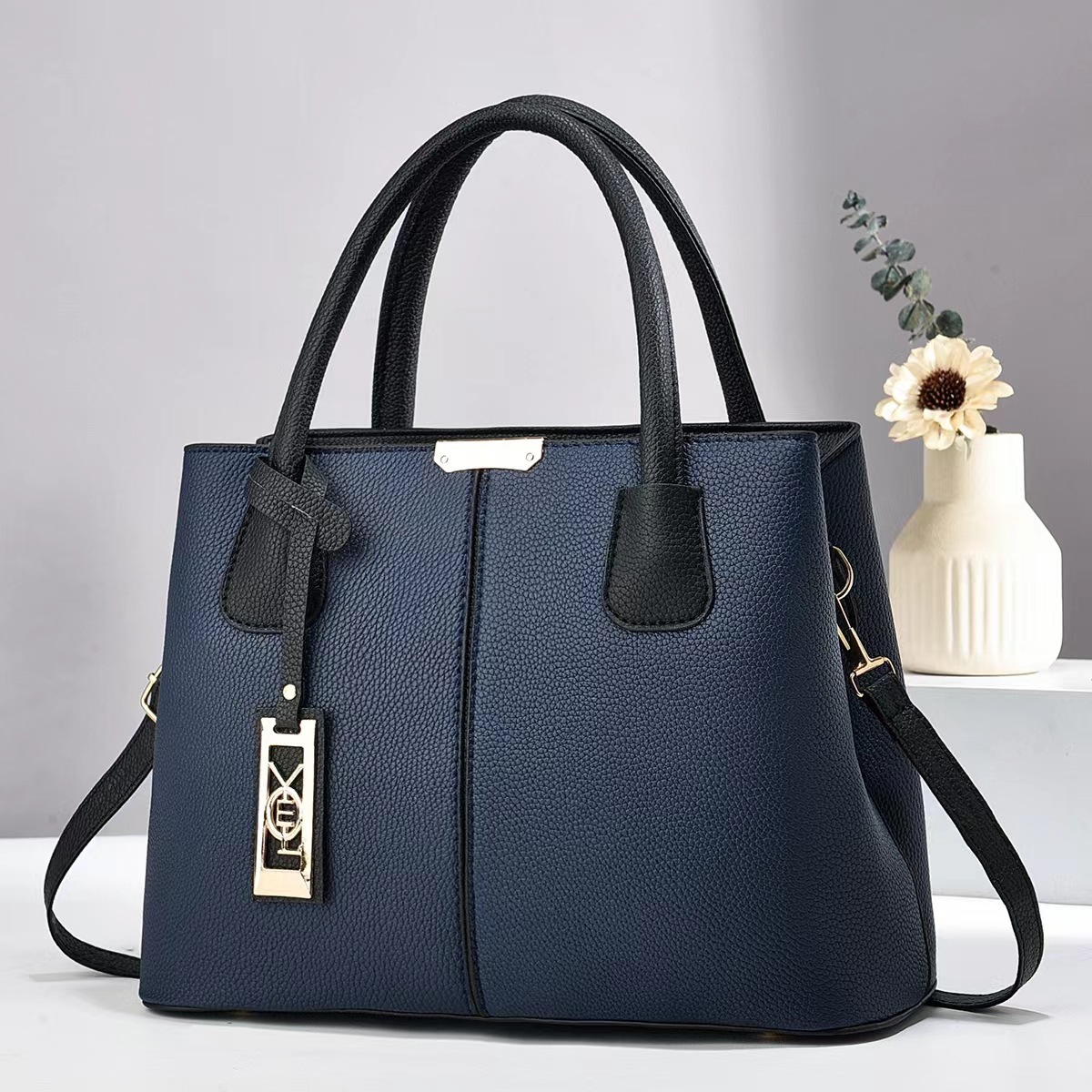
Hardware (zippers, buckles, clasps) and linings can dramatically change the feel of a bag. PrinceBag offers OEM/ODM options for custom hardware plating, engraved logo plates, branded zippers, and bespoke lining prints. Choices here influence unit cost and perceived value; premium hardware and custom linings are an investment that can elevate a mid-tier bag into a premium product.
Quality Control: How PrinceBag Ensures Consistency
Quality control is non-negotiable. PrinceBag implements a layered QC process:
– Incoming Material Inspection: Validate leather hides, fabrics, linings, and hardware against the spec.
– In-Process Checks: Supervisors inspect stitching, seam allowances, and construction during production.
– Final Inspection: Random sample testing, full inspection against QC checklists, and testing for zippers, straps, and load points.
– Pre-Shipment Audit: Photos and video documentation for clients, plus third-party inspection available on request.
This disciplined approach minimizes returns and protects brand reputation.
Minimum Order Quantities (MOQs) and Lead Times
MOQs depend on material and customization level. Typical ranges at PrinceBag:
– Fully custom leather handbags (OEM): MOQ 200–500 pieces per style/color
– ODM with minor customization (hardware, lining): MOQ 100–300 pieces
– Small-batch prototyping: 1–20 samples
Lead times:
– Sample/prototype: 2–6 weeks depending on complexity
– Mass production: 45–90 days after sample approval
Expedited options may be available for a premium. Transparent timelines and realistic milestones help clients plan launches and marketing campaigns.
Sustainability and Ethical Manufacturing
Sustainability is increasingly essential for consumers and retailers. PrinceBag supports:
– Responsible leather sourcing and certification options
– PU and bio-based leather alternatives
– Recycled fabrics, organic cotton canvas, and water-based dye processes
– Waste reduction via pattern optimization and material offcut recycling
– Ethical labor practices and compliance with local labor laws
Brands can partner with PrinceBag to create sustainability reports and marketing claims, provided verifiable documentation exists.
Pricing Strategy and Cost Drivers
Pricing is driven by:
– Material selection and grade
– Complexity of construction and hardware
– Order volume (economies of scale)
– Custom tooling or hardware molds
– Finishing processes (hand-stitching, edge painting, special coatings)
A practical approach is to model cost per unit across different order sizes and material tiers to balance margin goals and retail price positioning.
Logistics, Packaging, and Post-Production Services
PrinceBag supports multiple logistics and packaging options:
– Bulk packaging vs. individual retail-ready boxes with tissue and cards
– Hangtags, swing tags, and care instructions
– Drop-shipping services for direct-to-consumer fulfillment
– Consolidation and FCL/LCL shipping from major ports with DDP/DDU options
– Warehousing for staggered deliveries
Strategic packaging can reinforce brand identity while protecting product integrity in transit.
Case Studies: Real-World Applications
1. Emerging Vegan Brand: Used PrinceBag’s ODM line with PU leathers and custom lining prints, reducing time to market by 40% and keeping initial MOQ to 200 pieces. Profitability realized via targeted online marketing and seasonal drops.
2. Boutique Luxury Label: Engaged PrinceBag for full OEM production of a premium leather handbag line. Custom hardware molds and hand-finished edges increased unit cost but allowed a premium price point and strong wholesale margins.
3. Sports-Lifestyle Retailer: Leveraged PrinceBag’s technical nylon capabilities for a durable weekend bag with waterproof coatings. Achieved high durability and favorable retail reviews.
These examples show how factory flexibility can serve diverse brand strategies.
How to Vet an OEM/ODM Factory: Checklist for Working with PrinceBag
Before committing, vet any manufacturer on core criteria. Use this checklist:
– Factory credentials and certifications (quality systems, labor compliance)
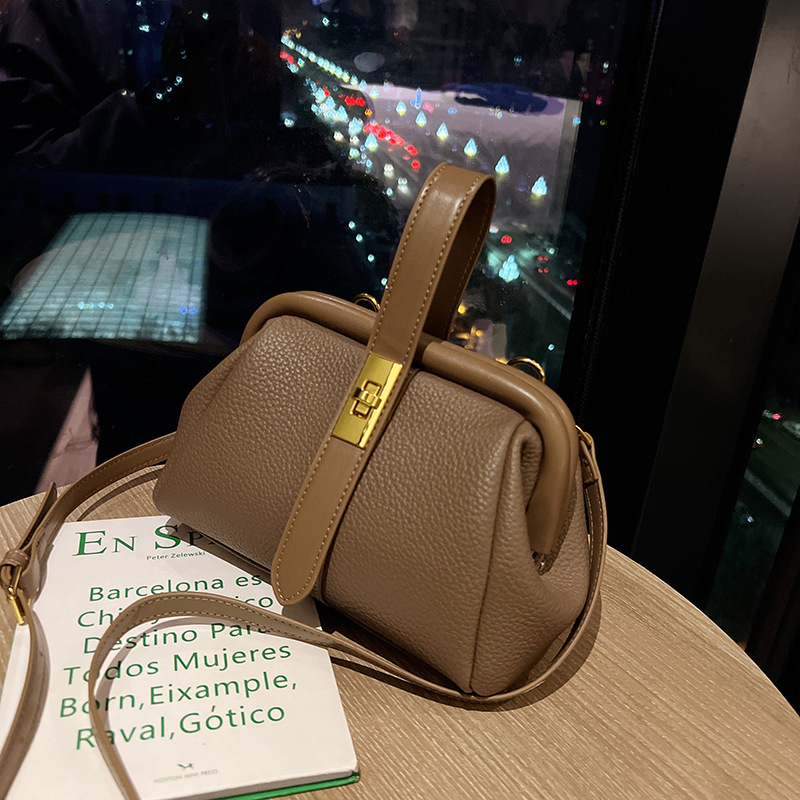
– Sample quality and prototyping speed
– Range of materials and hardware sourcing options
– Clear MOQs and transparent pricing structure
– QC process and willingness to provide inspection reports
– Communication responsiveness and language ability
– Lead times and contingency planning for delays
– References or client case studies
PrinceBag’s track record, documentation, and openness to third-party audits often make it a robust partner choice.
Practical Tips for Designers and Brands
– Start with a tech pack: Clear specs reduce miscommunication and sample iterations.
– Order a few pre-production samples: Validate construction and material behavior in real-world use.
– Plan inventory seasonally: Align production timelines with sales campaigns and trade shows.
– Negotiate scalable pricing tiers: Lock in better unit costs as volume grows.
– Invest in brand packaging: Memorable unboxing experiences increase customer retention and social sharing.
Conclusion: Building a Competitive Handbag Line with PrinceBag
Custom Womens Handbag OEM ODM Factory PrinceBag offers a full-service manufacturing path for brands at every stage. From emerging labels seeking ODM support to established names needing trusted OEM production, PrinceBag’s capabilities, QC systems, and material networks reduce time-to-market and mitigate production risk. The factory’s adaptability to materials, finishes, and sustainability options enables brands to craft unique value propositions without sacrificing quality.
Whether you’re planning a capsule collection, launching a direct-to-consumer brand, or refreshing an existing assortment, treating your manufacturing partner as a strategic collaborator — not just a vendor — yields better design outcomes and smoother operations. PrinceBag’s combined OEM and ODM services are designed to offer exactly that kind of partnership: responsive, technically strong, and aligned with modern brand expectations.
If you’re ready to explore a collaboration, start with a clear brief, request samples, and ask for a detailed production timeline. The right planning and a close relationship with your factory will turn design concepts into products that resonate with customers, maintain margin targets, and stand the test of daily use.