


Evening handbags occupy a distinct niche in the fashion ecosystem: they are often the punctuation mark to an outfit, combining craftsmanship, materials and branding to create objects that consumers prize. For fashion brands and private labels seeking to expand into evening bags, partnering with an experienced OEM/ODM partner like PrinceBag Factory can be decisive. This article explores the design considerations, manufacturing capabilities, production workflows, quality control standards and market positioning necessary to create high-end evening handbags under OEM/ODM models. The goal is to give product managers, designers and purchasing teams practical guidance on how to collaborate with PrinceBag Factory to bring standout evening pieces to market efficiently and consistently.
PrinceBag Factory at a Glance: Capabilities and Positioning
PrinceBag Factory positions itself as a specialist OEM/ODM manufacturer focused on luxury and designer handbags, with a particular strength in evening styles—clutches, minaudieres, boxed bags and embellished Shoulder Bags. Core capabilities include:
– Design collaboration and tech-pack development
– Prototyping and rapid sample iteration
– Diverse material sourcing (leathers, suedes, high-grade PU, metal frames, crystals)
– Hardware forging and plating partnerships
– Fine sewing, hand-finishing and artisanal embellishment
– Full production runs with in-line and final quality control
– Custom packaging and private-label finishing
These capabilities allow PrinceBag to support both OEM (manufacture to client-provided designs/specs) and ODM (offering proprietary designs that can be customized and branded) engagements, making it flexible for startups or established houses.
OEM vs. ODM: What’s Best for Evening Handbags?
Understanding whether to proceed under an OEM or ODM arrangement depends on your brand’s needs, timeline, and in-house capabilities.
– OEM (Original Equipment Manufacturer): Ideal for brands with a clear design language and tech-pack documentation. PrinceBag executes precise manufacturing to spec, often offering faster scale-up and tighter control over proprietary elements.
– ODM (Original Design Manufacturer): Best for brands seeking cost-effective entry, faster concept-to-market cycles, or inspiration from established design templates. PrinceBag can provide design variations, material recommendations and ready-made silhouettes that reduce time and cost at the concept stage.
Trade-offs include design exclusivity, development cost and lead time. OEM can require higher upfront investment in sampling and tooling but yields exclusive products. ODM accelerates development with lower design spend but may mean shared or similar silhouettes across clients unless exclusivity is negotiated.
Design Considerations for Evening Handbags
Evening handbags require focused design attention because they are judged more on detail and finish than everyday bags. Key considerations:
– Scale and Proportions: Evening bags must balance capacity with silhouette—compact clutches versus structured boxes or small shoulder bags.
– Materials and Finish: High-gloss patent, metallic leathers, satin, beaded fabrics, and crystal embellishments are common. Each material affects production techniques and cost.
– Hardware and Closures: Metal frames, kiss-locks, magnetic snaps, and fine chain straps require precision fittings and plating consistency.
– Embellishment Techniques: Hand beading, embroidery, hot-fix crystals and applique demand specialist artisans and time-per-piece planning.
– Lining and Interior: Satin or microfiber linings, interior pockets, card slots, and branded labels must be integrated without adding bulk.
– Packaging and Presentation: Rigid boxes, dust bags, authenticity cards and branded tissue elevate perceived value.
PrinceBag’s design teams collaborate with clients to specify tolerances, recommended materials, and embellishment workflows to preserve both design intent and manufacturability.
Materials, Hardware and Sourcing Strategy
Sourcing is critical for evening bags, where material quality directly impacts perceived luxury.
– Leathers: Full-grain, Nappa and patent finishes for opulence; veg-tanned or chrome-free options for sustainability-focused brands.
– Fabrics: Satin, velvet, jacquard and specialty embroidered textiles.
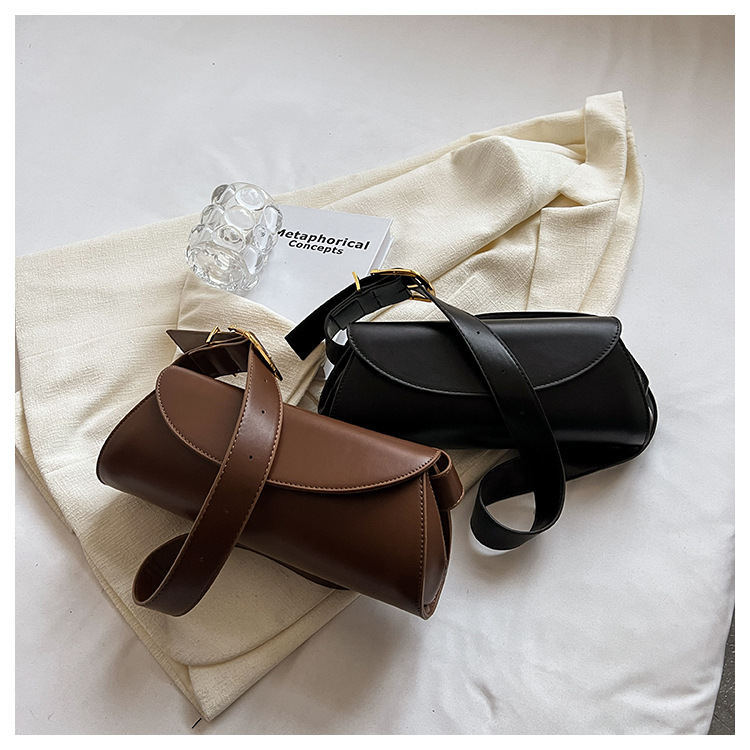
– Synthetics: High-grade PU that mimics leather with reduced cost and easier care.
– Hardware: Custom metal frames, plated chains, clasps and rivets in gold, rose-gold and gunmetal finishes. Anti-tarnish plating and salt-spray certification should be specified.
– Embellishments: Swarovski or Swarovski-equivalent crystals, seed beads, sequins and appliqués. Certifications and supply chain traceability for precious materials (if applicable) can be included.
PrinceBag maintains vetted supplier relationships to ensure consistent color matching, plating tolerances and material certificates.
Production Workflow: From Sketch to Shipment
A typical OEM/ODM production timeline at PrinceBag Factory follows structured phases:
1. Concept & Design: Moodboards, initial sketches, and material suggestions (1–2 weeks).
2. Tech Pack & BOM: Detailed technical pack including measurements, materials, hardware specs and tolerances (1 week).
3. Sampling & Prototyping: Initial sample, client review, and revisions; multiple iterations for fit, finish and embellishment placement (2–6 weeks depending on complexity).
4. Pre-Production Approval: Final sample sign-off, production schedule, tooling and purchase order (1 week).
5. Mass Production: Cutting, sewing, hardware assembly, hand finishing and embellishment lines (30–75 days depending on volume and complexity).
6. Quality Control: In-line inspections, final QC checks, functionality tests, packaging and labeling verification (continuous during production and final).
7. Shipping & Logistics: Consolidation, export compliance checks and FOB/CIF arrangements (1–2 weeks).
Lead times vary by complexity; embellished minaudieres will demand longer sampling and production than simple satin clutches.
Quality Control and Compliance
Evening handbags must meet high expectations for finish and durability. Critical QC checkpoints include:
– Dimensional Accuracy: Measurements versus tech pack tolerances.
– Stitch Quality: Stitch count, tension and thread match.
– Hardware Functionality: Smooth operation of closures and strap attachments.
– Surface Inspection: Scratches, plating blemishes, dye consistency and edge finishing.
– Embellishment Security: Attachment strength and visual alignment.
– Packaging Integrity: Proper boxing, dust bags and labels.
Regulatory compliance can include chemical testing for leather (heavy metals, chromium VI), phthalates in synthetics, and labeling requirements for target markets (country of origin, fiber content). PrinceBag supports pre-shipment testing and certificate preparation for major markets.
Customization, Branding and Private-Label Services
PrinceBag’s OEM/ODM model supports extensive customization options:
– Logo treatments: embossing, foil stamping, metal logo plates.
– Tagging and labeling: Custom woven labels, authenticity cards and care booklets.
– Packaging: Rigid boxes with custom printing, magnetic closures, satin ribbons and branded dust bags.
– Serial numbers and RFID: For high-end lines requiring traceability and anti-counterfeit measures.
These add-ons are integrated into the BOM and quoted accordingly. Brands should discuss exclusivity on core components (unique hardware) to protect brand differentiation.
Pricing, MOQ and Cost Drivers
Key cost drivers:
– Materials: Genuine leather, special linings and Swarovski crystals increase unit cost significantly.
– Labor: Hand-embellished items and intricate sewing increase time per unit.
– Hardware: Custom-plated hardware and metalframes require tooling and minimum order commitments from suppliers.
– Tooling: Metal frames, molds and unique hardware tooling can involve upfront costs.
Typical benchmarks (illustrative):
– MOQ: 100–500 units per style for OEM; some ODM styles may be lower.
– Sample costs: $100–$600+ per prototype depending on complexity and materials.
– Production cost per unit: Broad range depending on materials and complexity—from $20–$50 for basic satin clutches to $200+ for embellished, metal-framed minaudieres.
PrinceBag helps clients optimize cost via material substitution, bundling orders for shared components, and negotiating longer-term contracts with suppliers.
Sustainability and Responsible Production
Sustainability is becoming a competitive differentiator. Evening handbag brands can pursue:
– Recycled or low-impact materials (recycled metallic fabrics, recycled polyester linings).
– Vegetable-tanned leathers and chrome-free processing where feasible.
– Low-VOC adhesives and solvent-free glues.
– Ethical labor practices and transparent supply chain audits.
PrinceBag offers guidance on greener material choices and can coordinate audits or certifications as required by clients’ CSR policies.
Market Trends and Consumer Expectations
Current trends shaping evening handbag design and production:
– Miniaturization and multifunctionality: Small bags with removable straps and convertible features.
– Statement embellishments: Bold crystals, pearls and architectural hardware.
– Gender-fluid styling: Evening designs that transcend traditional gender categories.
– Limited-edition drops and capsule collections: Creating urgency and perceived exclusivity.
– Personalization: Monograms, customizable colorways and limited-run finishes.
Manufacturers must be agile to respond to trends while maintaining quality and lead-time discipline.
Analysis Table: Evening Handbag Styles and Production Considerations
| Style | Recommended Materials | Hardware & Details | Typical MOQ | Estimated Lead Time (Sample → Production) |
|---|---|---|---|---|
| Envelope Clutch | Satin, Nappa leather, PU | Magnetic snap, leather flap, interior card slot | 200 | 4–8 weeks |
| Minaudiere (Rigid) | Metal frame, lacquered leather, crystal overlay | Custom metal frame, crystals, hinge, interior satin | 150 | 8–14 weeks |
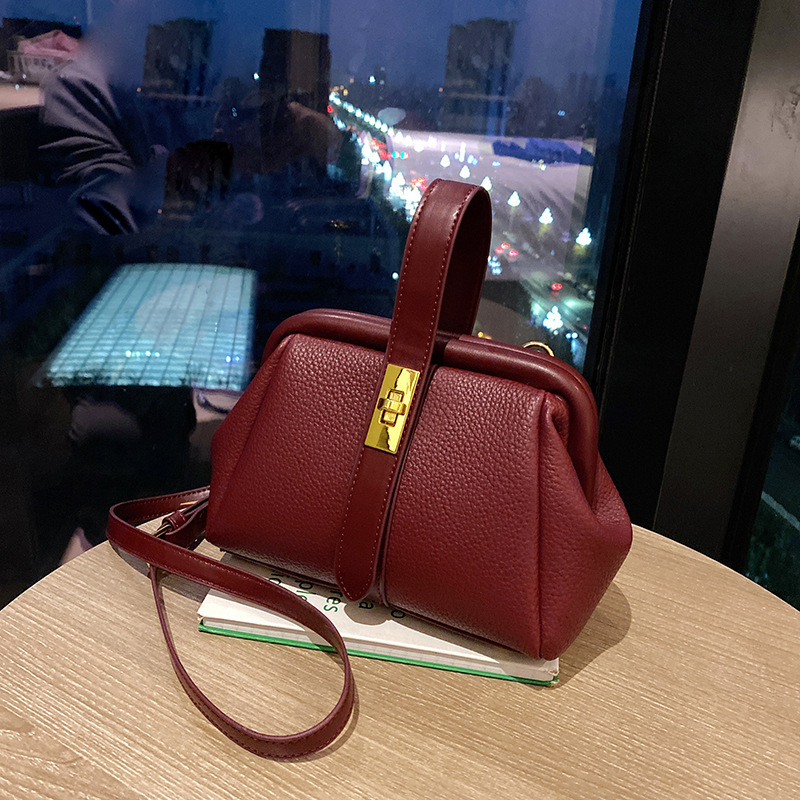
| Box Bag | Structured leather, coated canvas | Metal corners, top handle, clasp lock | 200–300 | 6–12 weeks |
| Beaded/Embellished Clutch | Beaded fabric, silk backing | Hand-beading, custom chain; interior lining | 300 | 10–16 weeks |
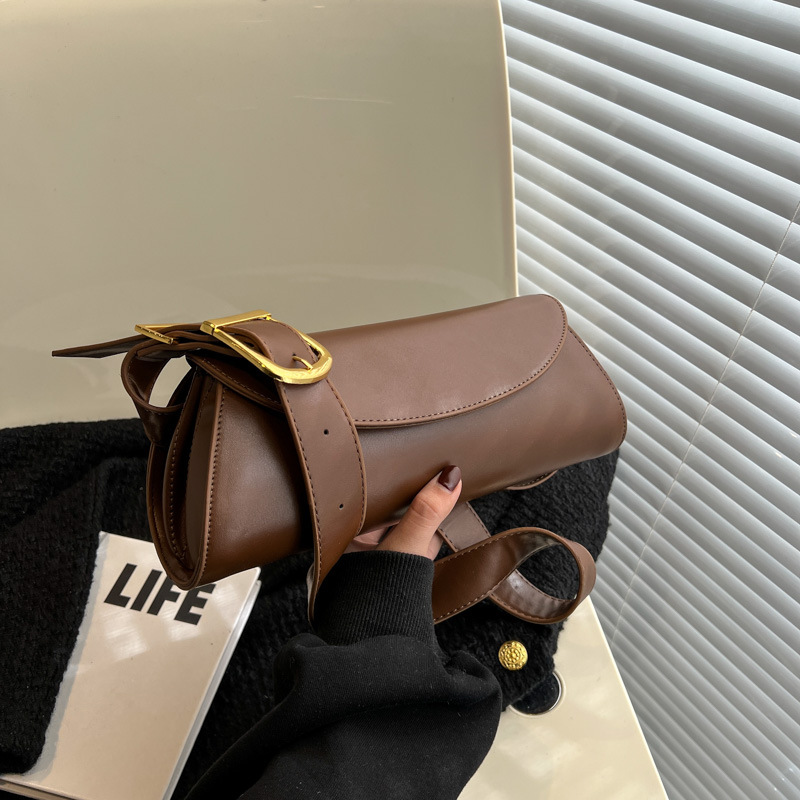
| Small Shoulder Bag | Embossed leather, suede accents | Plated chain strap, flap lock, debossed logo | 250 | 6–10 weeks |
Case Study: From Concept to Shelf
A boutique brand approached PrinceBag to develop a crystal-embellished minaudiere for a holiday capsule. The process illustrated PrinceBag’s workflow:
– Design briefing and moodboard in week 1.
– Material and hardware proposals with costing in week 2.
– Prototype development (two iterations) across weeks 3–6.
– Final approval and production scheduling in week 7.
– Mass production and QC through weeks 8–16.
The project met retail deadlines and included branded rigid boxes and authenticity cards. Close collaboration on crystal sourcing and setting technique reduced defect rates from early samples to final production.
How to Work with PrinceBag Factory: Practical Steps
1. Prepare a concise design brief or select an ODM silhouette you like.
2. Share target price points, expected retail positioning and initial order quantity.
3. Request a tech-pack template from PrinceBag if you intend to provide your own designs.
4. Approve material swatches and hardware samples before sample build.
5. Negotiate lead times, payment terms and exclusivity clauses for any custom hardware/design.
6. Schedule a factory visit or remote video walkthrough for complex projects.
7. Plan for third-party testing and import documentation if selling into regulated markets.
Transparent communication on timelines and decision points keeps sampling and production on track.
Final Thoughts and Recommendations
Evening handbags present unique opportunities to elevate a brand’s identity and margin. Working with a specialist OEM/ODM like PrinceBag Factory allows brands to leverage in-house design expertise, reliable sourcing and disciplined production to create evening pieces that resonate in luxury and specialty markets. Key recommendations:
– Start with a clear specification and target price; even small changes to material or hardware can have large cost implications.
– Prioritize final sample sign-off and escalate QC checkpoints for embellished items.
– Negotiate tooling ownership and exclusivity where brand-differentiating hardware is used.
– Consider sustainability and traceability as competitive advantages in the premium segment.
By aligning design intent, material selection and manufacturing execution, brands can deliver evening handbags that meet the high expectations of discerning customers while optimizing cost and time-to-market.
Contact and Next Steps
To move from concept to production, reach out to PrinceBag Factory with a brief including desired styles, target pricing and initial MOQ. Request an ODM portfolio or provide your OEM tech pack for a formal quotation. A well-prepared brief accelerates sampling and ensures the partnership begins with clear expectations.
Partnering with a focused manufacturer like PrinceBag Factory bridges the creative ambition of designers and the pragmatic realities of manufacturing, enabling standout evening handbags that perform on both beauty and quality.