

Durable woven leather handbags combine aesthetic appeal with functional longevity. For retailers, boutiques, and private-label brands, sourcing these bags in bulk from an experienced manufacturer like PrinceBag Manufacturer means delivering high-quality, on-trend products to customers while protecting margins and ensuring consistent supply. This article explores the materials, production processes, quality assurance, customization options, pricing models, sustainability considerations, and logistics involved in placing a bulk order with PrinceBag Manufacturer for durable woven leather handbags. The goal is to give procurement managers, product developers, and brand owners a clear, actionable roadmap to make informed purchasing decisions.
What Defines a Durable Woven Leather Handbag?
A durable woven leather handbag is defined by three core attributes: material integrity, construction technique, and finishing. Material integrity refers to the grade of leather (full-grain, top-grain, corrected-grain, or high-quality PU alternatives) and any treatments applied to enhance durability (e.g., wax finishing, protective coatings). Construction technique centers on the weaving method—handwoven panels, machine-braided strips, or mixed methods—and the reinforcement strategies used where stress concentrates: straps, corners, and attachment points. Finishing covers edge sealing, hardware quality, lining selection, and protective treatments that extend lifespan and wear resistance.
Why Choose PrinceBag Manufacturer for Bulk Orders?
PrinceBag Manufacturer positions itself as a specialist in woven-leather accessories with strengths in scalable production, vertical integration, and customizable design services. Their value proposition includes:
– Consistent quality control that adheres to international standards.
– Flexible minimum order quantities (MOQs) for different market tiers.
– In-house design and prototyping teams to accelerate time to market.
– Transparent pricing that balances material selection and workmanship.
– Sustainable sourcing options for brands with ESG goals.
Material Selection and Trade-offs
Selecting the right leather and complementary materials is critical for balancing cost, appearance, and longevity.
Leather Types
– Full-grain leather: Highest durability and develops a rich patina; higher cost; ideal for premium lines.
– Top-grain leather: Slightly corrected surface; consistent look with strong durability; popular mid- to high-end option.
– Corrected-grain leather: More economical; uniform appearance; acceptable when budget is constrained but longevity is lower.
– PU (high-grade synthetic leather): Lower cost, good consistency, and improved water resistance; can be woven to simulate natural leather textures and a good option for cruelty-free or cost-sensitive markets.
Reinforcements and Hardware
Durability also depends on internal reinforcement materials—nylon webbing, bonded leather inserts, metal or high-density polymer supports—and hardware (zippers, D-rings, buckles). Choosing corrosion-resistant metals and heavy-duty zippers (YKK or equivalent) significantly improves the handbag lifespan.
Manufacturing Process: From Prototype to Bulk Production
A systematic manufacturing workflow ensures product consistency across bulk orders.
1. Design and Pattern Development
PrinceBag’s design team converts client briefs into technical drawings and 3D mockups. Woven panels require pattern planning to ensure weave direction, seam allowances, and grain continuity align with the bag’s structural and aesthetic requirements.
2. Prototyping and Sampling
Samples are created to test wear, fit, and finishes. This stage typically includes one or more physical samples: a visual sample, a pre-production sample, and a final approval sample. For bulk orders, approval of the final sample is required before mass production.
3. Material Sourcing and Prepping
High-volume sourcing of leather hides, backing materials, and hardware is coordinated to meet lead times. For woven panels, leather strips are cut to precise tolerances and conditioned to ensure uniform weave tension.
4. Weaving and Assembly
Weaving can be manual, semi-automated, or fully automated depending on complexity and volume. PrinceBag applies rigorous fixture and jigs for consistency. Assembly includes lining insertion, internal reinforcement, stitching, and hardware installation. Skilled operators are assigned to critical tasks to minimize defects.
5. Finishing and Quality Control
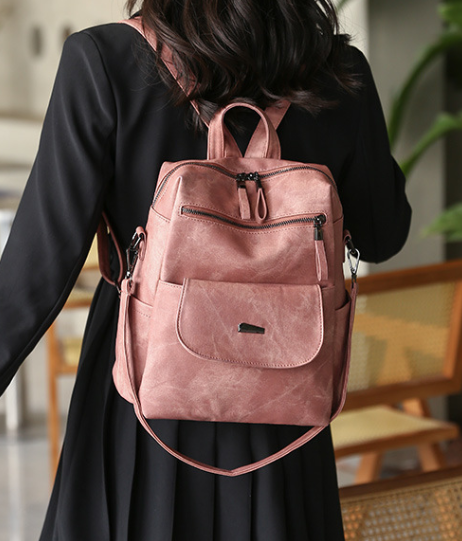
Finishing steps include edge painting, burnishing, protective coatings, and final polishing. Each bag undergoes visual and functional QC checks: seam strength testing, hardware torque tests, zipper cycles, and drop/resistance checks. Batch-level inspection and random sampling ensure production standards are maintained.
Quality Assurance and Durability Testing
To ensure “durable” is more than marketing, PrinceBag Manufacturer implements measurable testing protocols:
– Tensile testing on straps and seams.
– Abrasion resistance testing for woven panels.
– Hardware corrosion testing (salt spray) for metal components.
– Lining wear and seam slippage testing.
– Colorfastness and staining tests for leather finishes.
These results are documented and shared with clients, helping brands advertise realistic durability guarantees.
Customization Options for Bulk Clients
Bulk buyers often demand product differentiation. PrinceBag offers extensive customization, including:
– Color selection and dye processes (aniline, semi-aniline, pigment).
– Custom weave patterns and textures.
– Logo embossing, debossing, or metal plaque branding.
– Hardware finishes (antique brass, brushed nickel, matte black).
– Internal layouts (pockets, zip compartments, tech sleeves).
– Sustainable materials and vegan alternatives.
Customization impacts lead time and cost; early engagement in the design phase mitigates delays.
Pricing, MOQ, and Lead Time Considerations
Pricing is driven by material grade, complexity of weave, hardware quality, and order size. Typical factors:
– Unit cost decreases as order quantity increases due to economies of scale.
– Higher-grade leather and handcrafted weaves command a premium.
– Rush orders incur expedited tooling and production surcharges.
PrinceBag provides tiered pricing with transparent breakpoints for MOQs and volume discounts. Clear communication about tolerances, acceptable defect rates, and packaging requirements prevents later cost overruns.
Sustainability and Ethical Sourcing
Sustainability is increasingly critical for buyers. PrinceBag supports:
– Traceable leather sourcing with documentation (origin, tanning process).
– Vegetable tanning and chrome-free finishing where requested.
– Recycled or responsibly sourced internal materials.
– Waste minimization programs—optimizing pattern layout to reduce offcuts and using leftover materials in secondary lines.
For brands targeting eco-conscious consumers, material certifications and transparent manufacturing practices add market value.
Logistics, Packaging, and After-Sales Support
Bulk orders require aligned logistics planning:
– Export documentation, customs declaration support, and compliance with destination-country regulations.
– Options for FOB, CIF, or DDP shipping terms.
– Protective packaging: dust bags, box specs, and palletization standards to ensure safe transit.
– After-sales support: warranty policies, replacement parts, and repair services for wholesale buyers.
PrinceBag provides a logistics coordinator to manage shipments and track lead times, minimizing delays and ensuring predictable replenishment cycles.
Case Study: Typical Bulk Order Workflow (Hypothetical)
A mid-size online fashion retailer orders 2,000 units of a woven top-grain leather tote:
– Week 1–2: Design finalization, prototype approval.
– Week 3–4: Material procurement and pre-production batch.
– Week 5–8: Mass production (weaving, assembly).
– Week 9: QC, finishing, and packaging.
– Week 10: Shipping and customs clearance.
Lead time can vary based on customization complexity and raw material lead times; clear milestones and acceptance checkpoints reduce risk.
Analysis Table: Comparative Overview
| Material/Option | Durability (1–5) | Estimated Cost per Unit (USD) | Typical MOQ | Lead Time (Production) |
|---|---|---|---|---|
| Full-Grain Leather Woven | 5 | $60–$120 | 300 | 8–12 weeks |
| Top-Grain Leather Woven | 4 | $40–$80 | 200 | 6–10 weeks |
| Corrected-Grain Leather Woven | 3 | $25–$50 | 500 | 5–8 weeks |
| High-Grade PU Woven | 3 | $12–$30 | 1000 | 4–6 weeks |
| Handcrafted Artisanal Woven | 5 | $120–$250 | 100 | 12–20 weeks |
Risk Management and Common Pitfalls
When ordering in bulk, common pitfalls include:
– Inadequate sample approvals—resulting in mismatched expectations.
– Hidden costs—unexpected tooling or customization fees.
– Supply chain interruptions—delays in hides or hardware.
– Quality inconsistency—especially across multiple production runs.
Mitigation strategies:
– Request detailed tech packs and multiple checkpoints.
– Include clauses for defect tolerance and rework in contracts.
– Secure alternate material suppliers and contingency stocks.
– Conduct third-party inspections for critical shipments.
Tips for Negotiating with PrinceBag Manufacturer
– Consolidate orders for predictable quarterly production windows to secure better pricing.
– Negotiate a graduated MOQ model: smaller initial orders with predefined scale-up discounts.
– Ask for bundled services: design for manufacturing, sample credits, and logistics support.
– Leverage transparent payment terms—deposit, milestone payments, and balance on shipment.
Making the Right Bulk Purchase Decision
Bulk ordering durable woven leather handbags requires a careful balance between material selection, manufacturing capability, quality assurance, and logistical planning. PrinceBag Manufacturer offers a comprehensive suite of services that can support businesses—from fast-fashion to premium brands—in bringing consistently durable and attractive woven leather handbags to market. By clearly defining product requirements, approving thorough samples, and aligning on timelines and sustainability goals, buyers can reduce risk and maximize ROI on bulk orders. Whether the priority is cost-efficiency with high-grade PU or luxury appeal with full-grain handcrafted weaving, a structured procurement process and a reliable manufacturing partner are the keys to success.