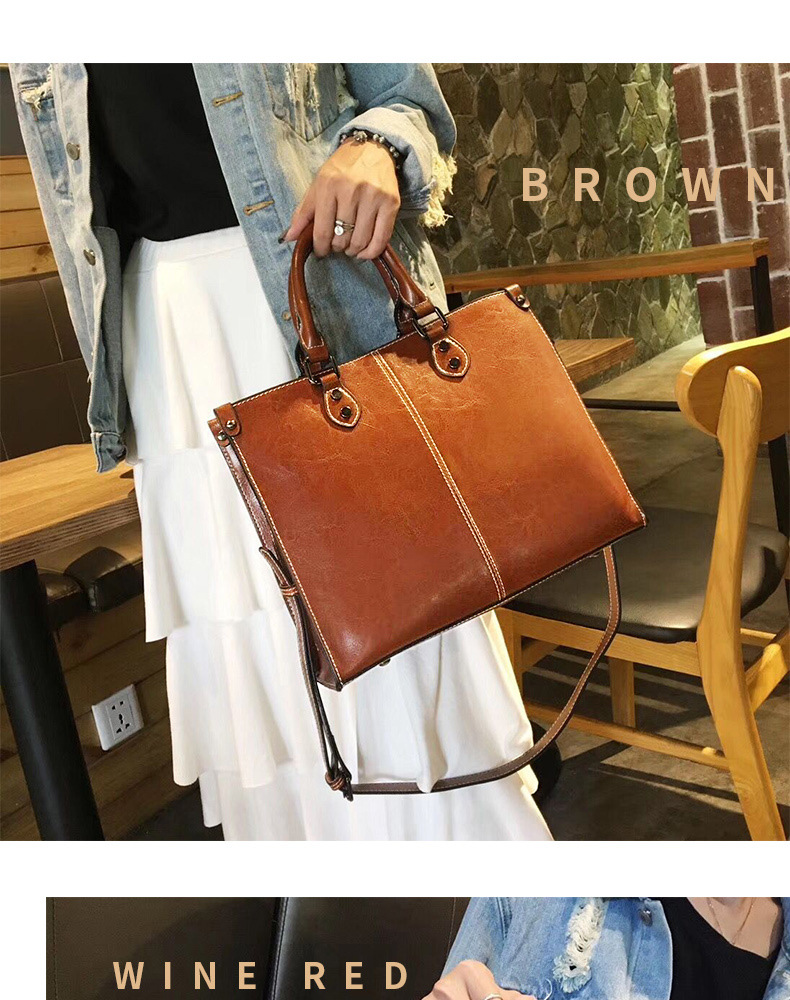


Sourcing woven leather handbags factory direct is a strategic move for retailers, boutiques, and private-label brands who want higher margins, faster product iteration, and greater control over quality and design. PrinceBag, positioned as a specialized supplier of woven leather handbags for wholesale markets, exemplifies how a focused manufacturer can deliver consistent craftsmanship, competitive pricing, and scalable production. This article examines PrinceBag’s offering from multiple angles — product quality, manufacturing practices, pricing structure, customization capabilities, sustainability, and go-to-market strategies — to help buyers and partners make informed decisions.
What “Woven Leather” Means in Practice
Woven leather describes a technique where leather strips are interlaced to form a textured surface. It can be executed in numerous ways — tight basket weaves, loose braid-like patterns, or mixed-material weave panels combining leather with fabrics or synthetic fibers. The result is a handbag surface that delivers visual depth, tactile interest, and often better flexibility than a single-piece leather panel. For wholesale buyers, woven leather offers:
– Distinctive aesthetic appeal that differentiates product lines.
– Strong tear resistance when properly constructed, since weave patterns can distribute stress.
– Opportunities for color blocking and multi-material combinations at the design stage.
PrinceBag’s factory-direct model leverages these benefits by standardizing high-quality weaving techniques while allowing wholesale clients to customize size, leather type, colorways, and hardware.
Factory Direct Advantages: Cost, Control, and Speed
Buying directly from a factory like PrinceBag reduces intermediary markups and consolidates communication channels. Key advantages include:
– Lower unit cost: Direct pricing reflects production costs plus a controlled margin rather than compounded reseller fees.
– MOQ flexibility: Established factories often set realistic minimum order quantities (MOQs) tailored to wholesale needs; PrinceBag typically provides tiered MOQs to accommodate small and large buyers.
– Faster revisions: Direct lines to the production floor cut lead times for sample approval and design tweaks.
– Better quality assurance: On-site inspection and established QA protocols prevent defects and reduce return rates.
PrinceBag’s approach centers on transparent costing and predictable timelines, which is essential for buyers planning seasonal launches or fast restocks.
Product Quality and Materials
Leather Selection and Grading
Leather selection defines the look and longevity of woven handbags. PrinceBag sources full-grain, top-grain, and corrected-grain leathers depending on client requirements and price points:
– Full-grain: Highest durability and natural character; develops patina over time.
– Top-grain: Sanded slightly to remove imperfections; balanced durability and uniformity.
– Corrected-grain/split leather: Cost-effective options often used for fashion-forward pieces with consistent dyeing.
PrinceBag works with tanners that meet international standards for consistency, and it can provide leather certifications or testing reports on request.
Construction Techniques and Hardware
Woven leather construction requires precision cutting, consistent strip width, and expert hand or machine weaving. PrinceBag employs:
– CNC cutters for precise strip dimensions.
– Skilled artisans for hand finishing and weaving on complex designs.
– Reinforced seams and inner linings to protect weave integrity.
– Premium hardware options (zippers, clasps, metal feet) in multiple metal finishes and plating durability ratings.
These production choices reduce common issues like fraying, uneven weave tension, and hardware failure.
Customization, Sampling, and Private Labeling
Design Customization Options
PrinceBag provides customization across multiple dimensions:
– Dimensions and compartment layout.
– Leather type, colors, and dye methods (aniline, semi-aniline, pigmented).
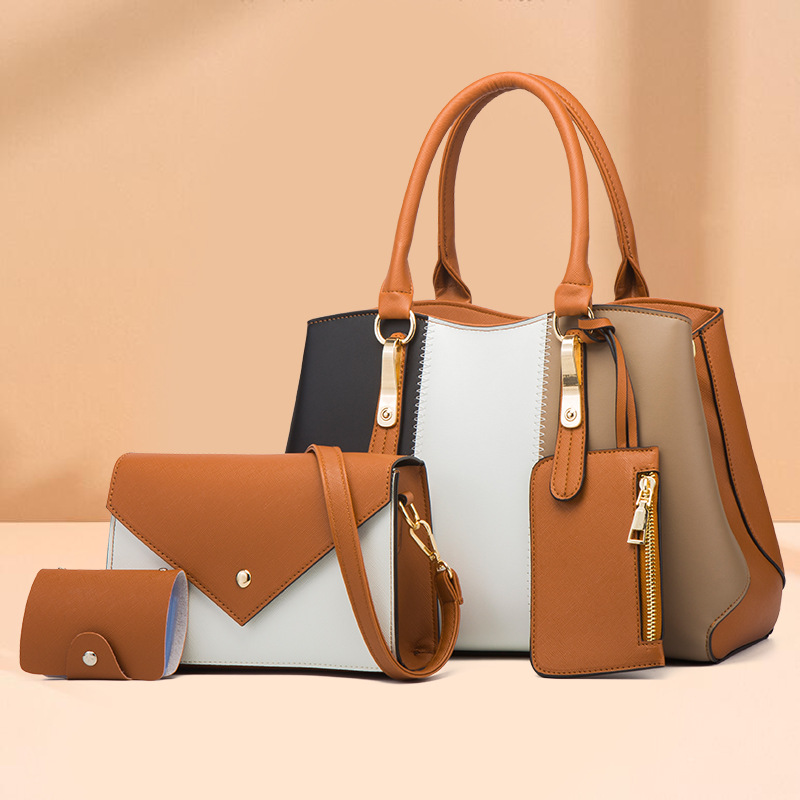
– Weave patterns and mixed-material panels (woven leather with canvas or suede).
– Logo placement: embossed, debossed, metal plate, or woven label.
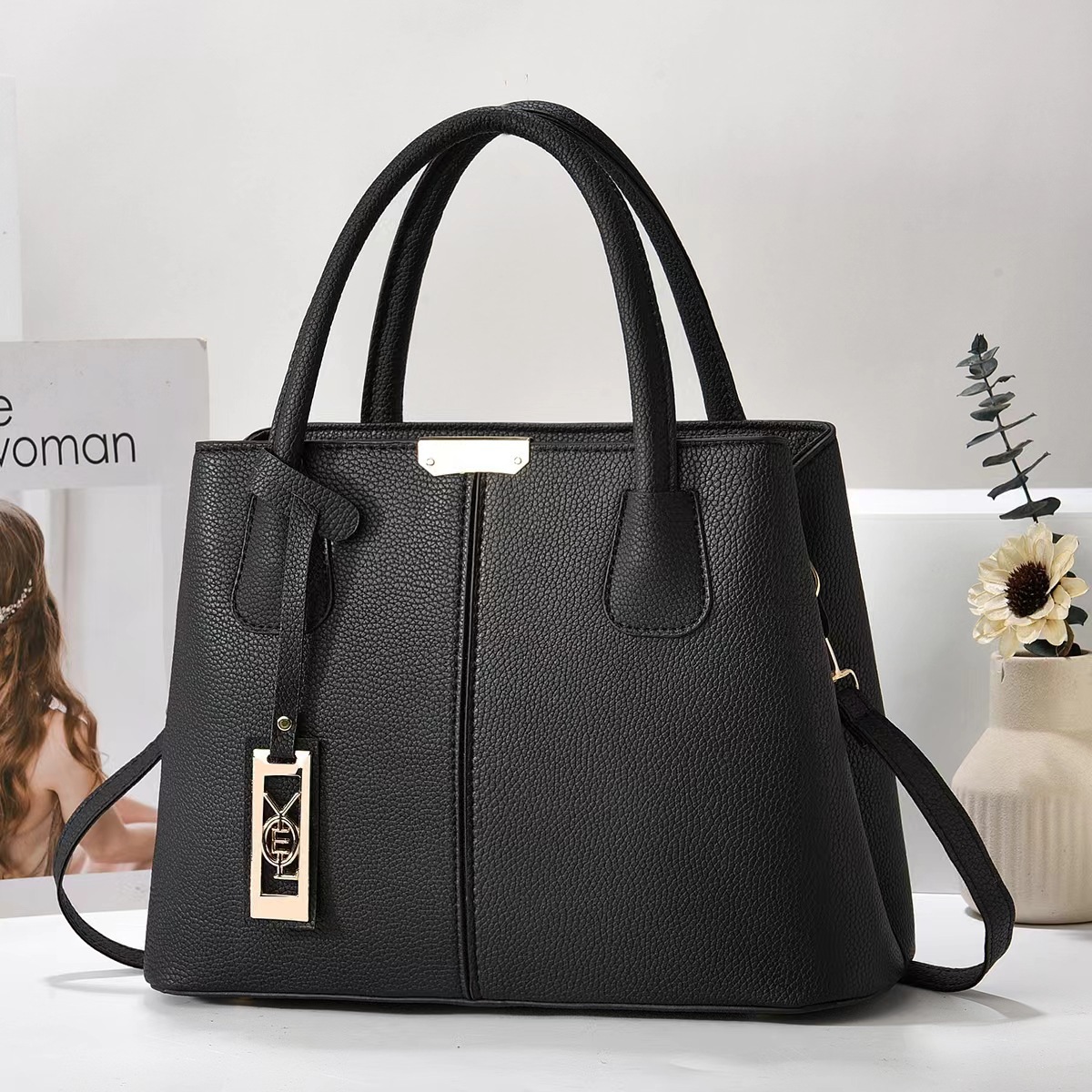
– Hardware finishes and strap types (chain, leather, adjustable).
This flexibility allows brands to produce signature pieces without the premium of bespoke atelier pricing.
Sampling and Lead Times
A clear sampling process is crucial for wholesale production. PrinceBag typically follows:
– Initial concept review and technical drawings.
– Prototype/swatch creation (7–14 days depending on complexity).
– Client feedback and up to two rounds of revisions.
– Production lead time after sample approval (typically 30–60 days, scalable based on order size).
Timely communication and a structured pre-production checklist minimize delays and ensure product specifications are met.
Pricing, Minimum Orders, and Margin Strategies
Transparent Pricing Models
PrinceBag’s factory direct pricing model commonly includes:
– Base price per unit (dependent on leather grade and complexity).
– Add-ons: custom hardware, lining upgrades, special dyeing techniques.
– Volume discounts: tiered price breaks at common wholesale thresholds (e.g., 50, 200, 500 units).
– Tooling or pattern fees for unique shapes/patterns (often waived at higher volumes).
Buyers can build predictable margin structures by understanding these components and negotiating volume-based discounts.
Sample Cost and Recovery
Sample costs are often applied to initial orders and may be credited back when buyers reach a pre-agreed PO threshold. PrinceBag typically credits sample fees against the first production run to align incentives and encourage repeat business.
Sustainability and Ethical Manufacturing
Responsible Leather Sourcing
Sustainability is increasingly important in modern supply chains. PrinceBag can support:
– Traceable leather sourcing from tanneries complying with environmental standards.
– Options for vegetable-tanned leather or chrome-free processes where clients request lower-impact materials.
– Use of residual materials in accessory lines to reduce waste.
Buyers focused on eco-conscious branding can request documentation such as material safety data sheets (MSDS) and traceability certificates.
Labor Practices and Certifications
Ethical manufacturing is also a competitive advantage. PrinceBag commits to:
– Fair labor practices on the factory floor.
– Documented working hours and safety protocols.
– Compatibility with buyer audits and compliance checks.
These measures protect brand reputation and meet increasingly strict retailer and marketplace requirements.
Logistics, Packaging, and After-Sales Considerations
Packing Standards and Custom Packaging
Packaging reflects brand value and affects shipping costs. PrinceBag offers:
– Basic bulk packaging for cost-sensitive buyers.
– Branded packaging options (dust bags, custom boxes, swing tags) with minimum order thresholds.
– Efficient packing strategies to reduce volumetric weight and insurance claims during transit.
Custom packaging can elevate the unboxing experience but requires advance planning.
Shipping, Duties, and Lead-Time Management
Factory direct sourcing places logistics responsibility on the buyer. PrinceBag supports:
– FOB and CIF terms as requested.
– Consolidated shipments for buyers combining multiple SKUs.
– Assistance with documentation for customs clearance.
Buyers should factor lead times, freight costs, and import duties into landed-cost calculations to ensure target retail pricing and margins.
Market Positioning and Wholesale Strategies
Target Customers and Retail Channels
Woven leather handbags fit multiple retail niches:
– Lifestyle boutiques seeking artisanal, textured pieces.
– Department stores with private-label collections.
– Online DTC brands that emphasize craftsmanship and unique finishes.
PrinceBag’s product lines can be positioned as accessible luxury or premium fashion depending on leather grade, hardware selection, and packaging.
Pricing Tiers and SKU Planning
A smart wholesale strategy includes:
– Flagship woven design in a mid-premium leather for broad appeal.
– Limited-edition variants with premium leathers or special weaves for higher margins.
– A budget-friendly line using corrected-grain leather to capture cost-conscious segments.
SKU rationalization (limited colorways per season, consistent base dimensions) reduces manufacturing complexity and inventory risk.
Competitive Analysis Table: PrinceBag Woven Leather Handbag Offering
| Category | PrinceBag Strengths | Typical Competitor Weaknesses | Buyer Considerations | Recommended Action |
|---|---|---|---|---|
| Material Quality | Access to full/top-grain leathers and certified tanner partners | Some competitors use inconsistent leather grades to cut costs | Request leather samples and QC reports | Order swatches and test fade/wear under use cases |
| Customization | Wide range of weave patterns, hardware, and branding options | Limited customization or high tooling fees | Define minimum viable customization for your brand | Negotiate bundled customization at volume tiers |
| Pricing & MOQ | Competitive factory direct pricing; tiered MOQs | Opaque pricing with hidden fees | Calculate landed cost including shipping and duties | Request a full cost breakdown and sample fee credit policy |
| Lead Times | Streamlined sampling and production workflow | Long or inconsistent lead times with some vendors | Align production schedule with seasonal launches | Build buffer into launch timelines; agree on penalties for delays |
| Sustainability & Compliance | Traceable sourcing options and audit-friendly facilities | Noncompliant tanneries or undocumented practices | Assess certifications and conduct on-site or third-party audits | Prioritize suppliers with transparent documentation |
Quality Control and Risk Management
Pre-Production Checks
A rigorous pre-production checklist minimizes defects. PrinceBag’s recommended steps include:
– Approving technical tech packs and material specs.
– Confirming color swatches and hardware finish samples.
– Signing off on first-article inspection (FAI) photos or in-person sample review.
These checkpoints reduce ambiguity and serve as dispute resolution anchors.
In-Production and Final QA
During production, PrinceBag employs periodic line checks and final inspections focusing on:
– Weave consistency and tension.
– Stitch integrity at seam joins and attachment points.
– Hardware functionality and plating adhesion.
– Lining application and internal pocket sewing.
Buyers may choose third-party inspections for added assurance, especially for high-value orders.
Case Studies and Use Scenarios
Small Boutique Launches
A boutique retailer launching an exclusive woven leather capsule can start with a modest MOQ, use two signature colors, and order premium packaging for increased retail price points. PrinceBag’s tiered pricing helps manage initial cost while offering the possibility to expand the line after customer feedback.
Private Label Department Store Collections
For larger-scale private label partnerships, department stores typically require larger MOQs, consistent quality across SKUs, and comprehensive documentation. PrinceBag can scale production and provide the documentation and on-time delivery required to meet seasonal merchandising calendars.
Final Recommendations for Wholesale Buyers
1. Request swatches and a prototype before committing to a full run. The tactile and visual qualities of woven leather are best judged in-hand.
2. Negotiate sample fee credits and tiered pricing that reward volume growth.
3. Include specific acceptance criteria in purchase orders to prevent disputes on weave tension, seam strength, and hardware performance.
4. Evaluate packaging and logistics early to avoid last-minute cost surprises and ensure brand consistency.
5. Consider sustainability claims seriously; request supporting documentation if green credentials are part of your market positioning.
Conclusion: Why PrinceBag Is a Strong Factory Direct Partner
Factory direct woven leather handbags present a compelling value proposition for wholesalers and private-label brands. PrinceBag combines specialized weaving expertise, flexible customization, transparent pricing, and production scalability. For brands that prioritize craftsmanship, margin control, and responsible sourcing, PrinceBag offers a factory partnership model that supports both small-batch launches and larger seasonal assortments. Buyers who take a structured approach to sampling, quality assurance, and logistics will find factory direct sourcing an effective way to bring distinctive woven leather handbags to market with competitive lead times and attractive margins.