

Cross-body women’s handbags continue to be a dominant category in global fashion retail due to their combination of practicality, style, and versatile appeal. For wholesale buyers, especially those sourcing directly from factories, the opportunity to secure factory-priced cross-body handbags under the PrinceBag collection offers compelling margins, consistent quality, and scalable production. This article provides a professional, market-focused analysis of Factory Price Cross-body women handbags Wholesale PrinceBag, covering product positioning, materials and construction, pricing strategy, minimum order quantities (MOQs), customization options, quality control, logistics, and sales strategies for retail and private-label partners.
Product Overview: The Appeal of PrinceBag Cross-body Handbags
PrinceBag cross-body handbags are designed to meet contemporary consumer needs: hands-free convenience, compact organization, and a fashionable silhouette that complements casual and semi-formal wardrobes. PrinceBag emphasizes a balance between cost-effective manufacturing and design integrity, allowing wholesalers to offer modern style at factory prices. Key selling points include:
– Functional layout: multiple internal pockets, secure closures (zippers, magnetic snaps), adjustable straps.
– Range of materials: vegan leather (PU), genuine leather for premium lines, coated fabrics, and durable hardware.
– Trend adaptability: seasonal colorways, textured finishes (quilt, grain, croc-embossed), and metal accents.
– Brand-friendly customization: logo embossing, metal plates, hangtags, and packaging options for private-label retailers.
Materials and Construction: What Drives Factory Price and Perceived Value
Understanding materials and construction processes is essential when evaluating factory-priced handbags. PrinceBag’s approach typically segments product tiers by material quality and finishing processes:
– PU leather (synthetic): cost-effective, consistent, and highly customizable in color and texture. Ideal for fast-fashion channels and budget-conscious retailers.
– Genuine leather: higher raw-material cost and specialized tanning, but offers a premium feel and durability—appropriate for higher-margin retail.
– Hardware and zippers: YKK or equivalent reliable zippers and plated metal hardware increase product longevity and perceived quality.
– Stitching and reinforcement: double-stitching in stress points, interlining for shape retention, and reinforced strap attachments are essential for wearability and returns reduction.
Price variations often reflect material type, lining material, hardware grade, and unit finishing. Factory prices are achieved through bulk procurement of raw materials, optimized production lines, and efficient QC protocols.
Pricing and Cost Analysis: Factory Price Dynamics
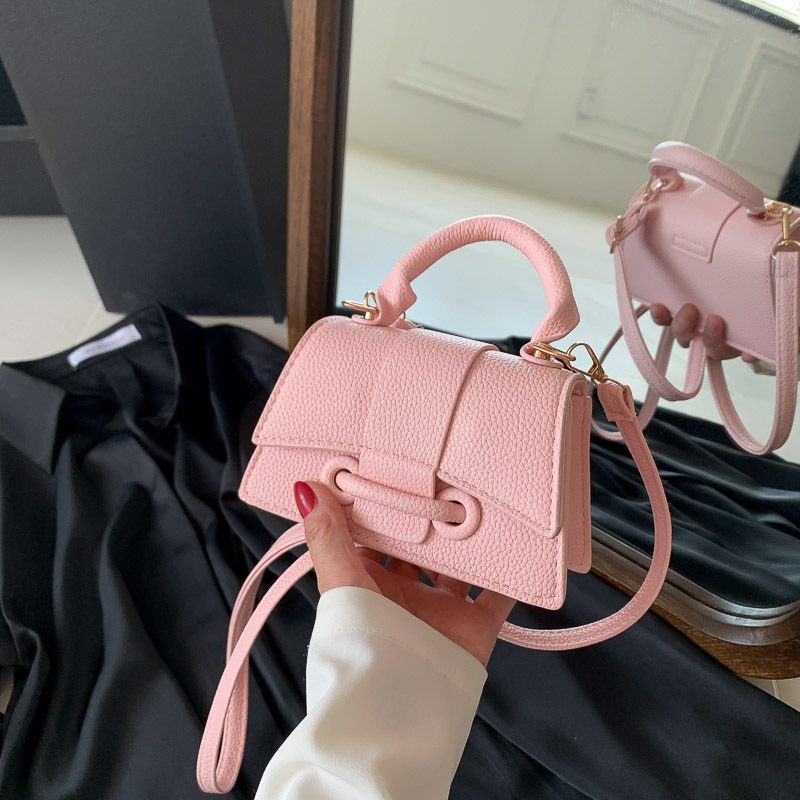
When evaluating factory prices for PrinceBag cross-body handbags, consider the following cost drivers: raw material costs, labor, production complexity (stitching, hardware assembly), MOQ, tooling or mold fees, and shipping/FOB terms. Below is a concise analysis table comparing typical PrinceBag cross-body models, their factory price ranges, MOQ, and lead times — useful for initial sourcing decisions.
| Model | Material | Factory Price (USD) | MOQ (pieces) | Lead Time (days) |
|---|---|---|---|---|
| PB-Classic Mini | PU leather, polyester lining | $4.50 – $7.00 | 200 | 20 – 30 |
| PB-Urban Sling | Coated canvas, metal hardware | $6.00 – $9.50 | 150 | 25 – 35 |
| PB-Luxe Cross | Genuine leather, YKK zippers | $18.00 – $28.00 | 100 | 30 – 45 |
| PB-Quilted Trend | PU quilted, plated hardware | $8.50 – $12.50 | 200 | 20 – 35 |
| PB-Convertible Cross | Hybrid leather + canvas | $11.00 – $16.00 | 120 | 25 – 40 |
Notes on the table:
– Prices are indicative and FOB-ex-factory; final landed cost will include shipping, duties, and import handling.
– MOQ varies by model complexity and material costs. Lower MOQs are often available at higher per-unit pricing or for orders including mixing of colorways.
– Lead time depends on factory capacity, seasonal demand, and customization requirements (e.g., custom metal logos add production time).
Minimum Order Quantity (MOQ) and Order Structuring
MOQs are a practical constraint for many wholesalers. PrinceBag factory pricing commonly ties to batch sizes that justify setup costs. Strategies to optimize orders:
– Mix-and-match colorways: factories frequently allow mixed-color orders under a single SKU to hit MOQ.
– Tiered pricing: higher unit discounts when moving to larger order bands (e.g., 500–1,000+ units).
– Shared containers: smaller retailers can participate in consolidated shipping to split container costs while meeting MOQ.
– Seasonal forecasting: plan orders ahead of trend cycles to leverage lower-cost production periods.
Negotiating MOQs often depends on a buyer’s long-term potential, repeat order frequency, and willingness to accept basic branding options rather than expensive custom tooling.
Customization and Private Label Opportunities
Private labeling is a core advantage for retailers sourcing PrinceBag wholesale:
– Logo options: debossed leather logos, metal logo plates, woven labels, and heat-sealed prints.
– Packaging: custom dust bags, branded hang tags, and printed boxes elevate perceived value.
– Small design changes: pocket layouts or strap options can sometimes be modified at moderate fees.
– Colorways: seasonal or market-specific color customization is common with minimum per-color quantities.
Cost considerations include mold/tooling fees for exclusive hardware, minimum imprint quantities, and extended lead times. Communicate precise branding specs early to align production calendars.
Quality Control and Certifications
Quality assurance is critical to protect brand reputation. PrinceBag factory protocols generally include:
– Incoming material inspection: verifying leather thickness, color consistency, hardware plating quality.
– Inline inspection: monitoring critical stages (cutting, stitching, hardware setting).
– Final inspection (AQL): random sampling to confirm stitching, zippers, lining, and dimensions meet agreed tolerances.
– Lab testing: for markets with strict regulations (e.g., California Proposition 65), ensure materials meet safety and chemical standards.
Ask for documentation: QC reports, material certificates, and sample photos. For recurring orders, arrange third-party inspections at production milestones.
Logistics, Shipping, and Lead Time Optimization
Factory pricing is one component of landed cost. Logistics strategies to control total cost:
– FOB vs CIF: FOB pricing means buyer arranges shipping and insurance; CIF includes these services for an added fee. Many wholesalers prefer FOB to control freight consolidation.
– Shipping modes: air for urgent, small-volume shipments; sea (FCL/LCL) for cost-efficiency on larger orders.
– Consolidation hubs: use a regional freight forwarder to consolidate multiple small shipments into one container.
– Documentation: ensure HS codes, commercial invoices, packing lists, and certificates of origin are accurate to avoid customs delays.
Lead time can be shortened by maintaining approved material inventories, standardizing SKUs, and establishing rolling production schedules with the factory.
Market Segmentation and Target Customers
PrinceBag cross-body handbags broadly appeal across several retail segments:
– Fast-fashion retailers: prioritize low-cost, trend-forward styles (PU and coated canvas).
– Boutique stores: focus on unique colorways, higher perceived quality, and small-batch exclusivity.
– E-commerce brands: benefit from factory pricing and private-label packaging to build brand identity online.
– Department stores: require consistent quality, supplier reliability, and frequently order larger quantities for seasonal assortments.
Understanding the end consumer—age, style preferences, price sensitivity—will inform which PrinceBag models and materials to source.
Marketing and Sales Strategies for Wholesale Buyers
To maximize sell-through:
– Storytelling: emphasize functionality (hands-free convenience), clean design, and price-value proposition.
– Photography and content: high-quality lifestyle images and 360-degree product shots aid online conversion.
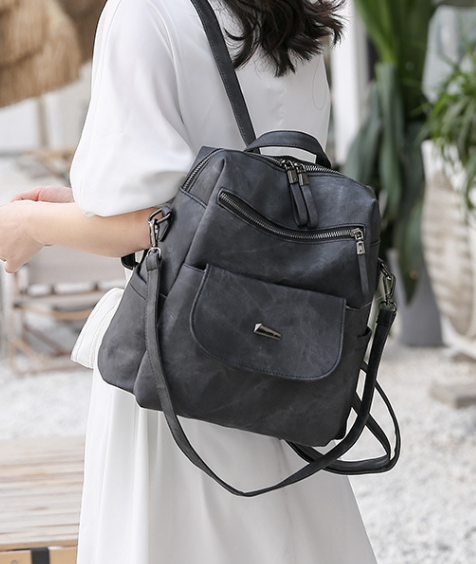
– Bundling and promotions: pair cross-body bags with complementary accessories (scarves, straps) or seasonal promotions.
– Wholesale catalogs and line sheets: clear SKU specs, materials, dimensions, and wholesale pricing accelerate buyer decisions.
– Social proof: collect user-generated content and early retail feedback to drive reorder confidence.
Wholesale buyers should also plan for returns policies and warranty support, which influence retail partnerships.
Sustainability and Ethical Considerations
Sustainability is increasingly influential in purchasing decisions:
– Material choices: eco-PU, recycled fabrics, and water-based finishes reduce environmental impact.
– Supply chain transparency: certifications for ethical labor practices and environmental standards strengthen buyer trust.
– Packaging: recyclable or minimal packaging options align with retailer sustainability commitments.
PrinceBag factories may offer eco-friendly lines at modestly higher factory prices; consider these for premium positioning.
Care, Maintenance, and After-sales Support
Providing care instructions reduces returns and improves customer satisfaction:
– PU leather: wipe clean with damp cloth; avoid prolonged sun exposure.
– Genuine leather: use leather conditioner periodically; avoid water submersion.
– Hardware: advise gentle handling and avoidance of harsh chemicals.
– Warranty: state terms clearly—typical factory warranties cover manufacturing defects within a set period.
Include care cards in packaging and digital product descriptions.
Risk Management and Negotiation Tips
Sourcing directly from factories carries risks; mitigate them by:
– Starting with a sample order before committing to full production.
– Negotiating payment terms: deposits with balanced milestones (e.g., 30% deposit, 60% at production, 10% at shipment).
– Locking in specifications: sign clear purchase orders with detailed tolerances and QC acceptance criteria.
– Building relationships: regular communication, factory visits (or third-party audits), and long-term contracts often improve pricing and lead times.
Be mindful of currency fluctuations and include contingency in pricing models.
Making PrinceBag Wholesale Work for Your Business
Factory Price Cross-body Women Handbags Wholesale PrinceBag represents a compelling opportunity for retailers and private-label brands seeking stylish, functional cross-body handbags with competitive margins. By understanding the material options, cost drivers, MOQ structures, and customization potential, buyers can optimize assortments to match market demand. Careful attention to quality control, logistics, and marketing execution will transform factory-priced inventory into profitable retail success.
Whether you are a startup boutique ordering initial runs or an established retailer scaling seasonal assortments, PrinceBag’s factory-priced cross-body handbags can be adapted to many business models. Plan orders strategically, prioritize reliable quality inspections, and leverage customization where it delivers the greatest retail differentiation. With the right sourcing approach, PrinceBag wholesale cross-body handbags can become a dependable pillar in your product lineup.