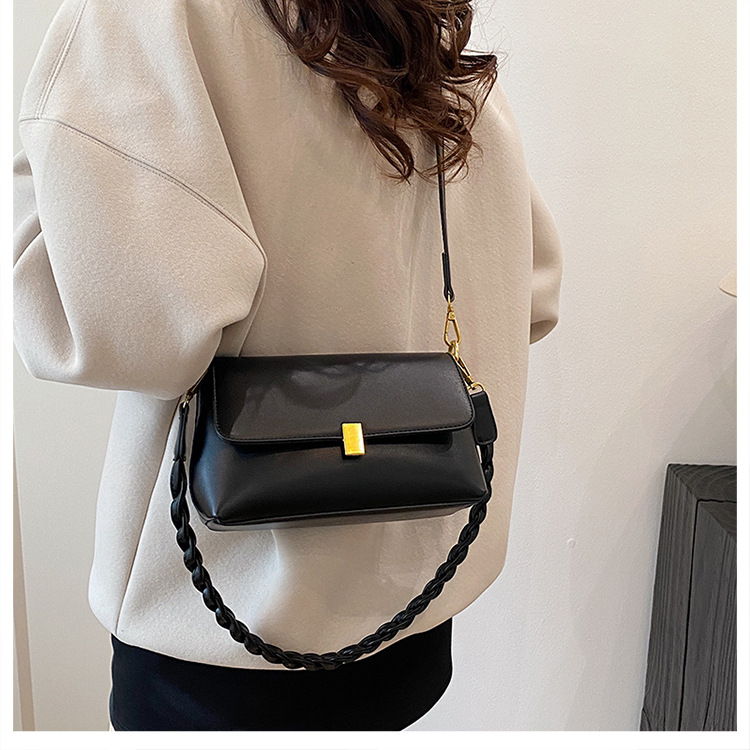


In today’s competitive fashion and accessories market, finding a reliable source for quality crossbody bags at factory prices can be a decisive advantage for retailers, boutiques, and private-label brands. PrinceBag Manufacturer has positioned itself as a supplier that bridges cost-efficiency and design flexibility, offering crossbody bags that meet both mass-market and niche demands. This article dives deep into the professional considerations around sourcing crossbody bags from PrinceBag at factory prices, covering product attributes, production logistics, cost drivers, quality control, customization options, and practical strategies for buyers who want to maximize margin without compromising brand value.
What “Factory Price” Really Means
A “factory price” refers to the cost of a product delivered directly from the manufacturer before distribution markups. For crossbody bags, this typically includes raw materials, labor, factory overhead, basic packaging, and sometimes standard quality inspection. It does not usually include international shipping, customs duties, inland logistics, retail markup, or premium packaging. Understanding the components of factory pricing is critical to accurately forecasting landed cost and ultimate retail margin.
PrinceBag Manufacturer: Profile and Competitive Position
PrinceBag is presented here as a manufacturer specializing in small leather goods and accessories, with a focus on crossbody bags. Key strengths often associated with best-in-class manufacturers like PrinceBag include:
– A streamlined production line for small-to-medium batch runs.
– Access to multiple material suppliers (PU leather, genuine leather, nylon, canvas).
– In-house design and prototyping resources to reduce lead time.
– Flexible minimum order quantities (MOQs) that cater to startups and established brands alike.
– Quality assurance processes aligned with industry standards.
These features allow a buyer to secure attractive factory pricing while retaining the ability to customize designs and packaging for brand differentiation.
Material Choices and Cost Implications
Materials are the single largest driver of cost in a crossbody bag. Common material options and their implications include:
– PU (synthetic) leather: Lower cost, easier to source consistently, and suitable for budget-friendly lines. Factory price advantage derives from cheaper raw material and easier processing.
– Genuine leather: Higher cost, perceived premium value, longer lead times for consistent hides, and additional finishing work. Factory pricing for leather goods reflects higher material and skilled labor costs.
– Nylon or technical fabrics: Often cost-effective for casual or sporty designs; benefits include durability and water resistance.
– Canvas: Economical and popular for casual, lifestyle-focused designs; can be wax-treated or coated for higher-dollar versions.
A factory price analysis must clearly separate material cost (per square foot or meter) from processing cost (cutting, stitching, hardware installation) to avoid surprises at later stages.
Design and Construction: Balancing Cost and Perceived Value
Design complexity directly affects factory pricing. Features that influence price include:
– Number and types of compartments and pockets.
– Hardware quality (zippers, buckles, D-rings).
– Lining materials and internal finishing.
– Edge finishing and seams (raw edges vs. piped edges).
– Branding details (embossed logos, metal badges, custom tags).
A wise sourcing approach is to identify which elements create perceived value for the target customer and which are unnecessary cost drivers. For instance, metal hardware and a leather-trimmed strap can dramatically increase perceived quality without ballooning costs if selectively applied.
Pricing Structure and Common Factory Price Bands
Factory prices for crossbody bags typically fall into several bands based on material and complexity. Below is an illustrative breakdown used for buyer planning (note: actual prices vary by region, season, and order volume):
– Budget band: PU leather/canvas, simple construction — lowest factory price.
– Mid-market: Mixed materials, better hardware, and moderate complexity.
– Premium: Genuine leather, superior hardware, refined finishing — highest factory price.
Understanding these bands helps buyers set realistic retail pricing, margin targets, and positioning strategies.

MOQ, Lead Times, and Production Planning
Minimum order quantity (MOQ) and lead time are two critical operational factors when working with a factory-priced manufacturer.
– MOQ: Some factories offer very low MOQs (e.g., 50–200 pieces) for standard designs and materials; custom colors or leather options usually require higher MOQs (300–1,000+).
– Lead Time: Sample lead time is typically 7–21 days; mass production lead time ranges from 20–60 days depending on complexity and current factory backlog.
– Ramp-up Capabilities: Factories like PrinceBag that serve both small brands and larger retailers often provide tiered pricing that decreases as volume increases.
Buyers should negotiate MOQs and lead times early and plan inventory buffers around potential delays in materials, particularly for seasonal launches.
Quality Control and Certifications
Quality control (QC) at the factory level ensures that factory-price products still meet marketplace expectations. Key QC elements include:
– In-line inspections at specific production stages.
– Pre-shipment inspection (PSI) to check finishing, dimensions, and function.
– Material certifications (e.g., REACH, CPSIA compliance for children’s items, or leather-specific certifications).
– Stress testing for straps, seams, and hardware.
Requesting clear QC protocols and sample approvals before mass production can save on costly returns and reputational damage.
Customization and Private Label Opportunities
One of the most attractive aspects of working with manufacturers like PrinceBag is the ability to customize at factory prices. Common private label options include:
– Custom colorways and material combinations.
– Embossed or debossed logos, woven labels, or metal branding plates.
– Custom lining prints and hangtags.
– Bespoke packaging solutions for retail presentation.
Customization often raises factory price per unit, but offers higher retail margins and stronger brand recognition. When assessing custom options, balance the MOQ and tooling costs against forecasted sales and lifetime customer value.
Shipping, Duties, and Landed Cost Considerations
Factory price alone doesn’t determine the product’s final cost. Landed cost calculations should include:
– Freight (air vs. sea).
– Customs duties and import taxes (tariff classification for handbags varies by material and country).
– Inland transportation and warehousing.
– Insurance and handling fees.
Buyers must run landed cost models to determine true margin and decide whether to negotiate better factory pricing or optimize logistics for cost reduction.
Risk Management: Supplier Audits and Ethical Sourcing
Sourcing at factory price requires attention to supply-chain risks:
– Labor Practices: Verify working conditions and compliance with labor laws to avoid reputational risk.
– Environmental Impact: Request information on waste management, VOC emissions, and sustainable material sourcing.
– Contingency Planning: Maintain backups for critical suppliers of materials like leather or specialty hardware.
Many buyers now incorporate ethical sourcing and sustainability terms into supplier agreements. Transparent documentation and third-party audits can protect brands and attract conscientious consumers.
Marketing and Positioning Strategies for Factory-Priced Crossbody Bags
Even when sourced at factory price, how a crossbody bag is marketed will determine retail success:
– Emphasize value: Highlight material quality, practical features, and real-world testing results.
– Storytelling: Use manufacturing transparency and customization options to create compelling brand narratives.
– Tiered offerings: Provide basic factory-priced designs alongside limited-edition or premium variants to appeal to multiple customer segments.
– Strategic bundling: Pair bags with accessories or offer limited-time personalization to improve average order value.
Effective marketing turns factory-priced inventory into profitable retail sales while preserving brand perception.
Analysis Table: Comparative Snapshot of Crossbody Bag Options From PrinceBag
| Model / Category | Material | Factory Price (Estimated/unit) | MOQ | Lead Time (Mass Prod.) |
|---|---|---|---|---|
| Everyday PU Crossbody | PU leather, polyester lining | $4.50 – $7.50 | 100 | 20 – 30 days |
| Canvas Casual Crossbody | Waxed canvas, cotton lining | $6.00 – $9.00 | 150 | 25 – 40 days |
| Tech Nylon Utility | Ballistic nylon, water-resistant | $7.50 – $10.50 | 200 | 25 – 45 days |
| Mid-Range Leather Crossbody | Split leather, metal hardware | $12.00 – $18.00 | 200 – 300 | 30 – 50 days |
| Premium Full-Grain Leather | Full-grain leather, premium lining | $28.00 – $45.00 | 300 – 500 | 45 – 60 days |
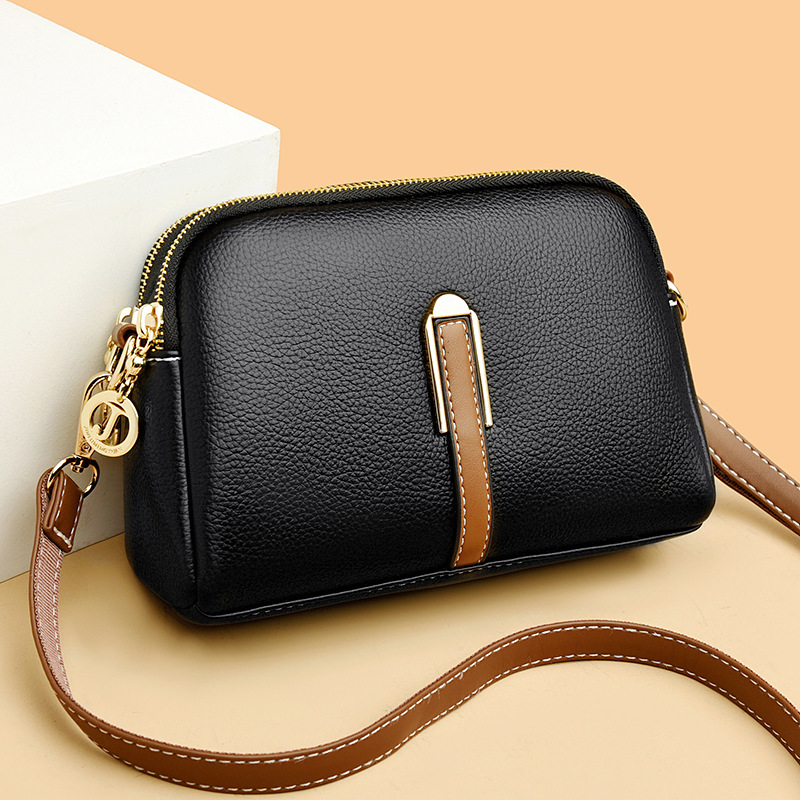
Note: The figures in the table are illustrative estimates intended to help planning. Actual quotes from PrinceBag Manufacturer will depend on seasonality, order volume, exact material specification, and current factory capacity.
Negotiation Strategies to Secure the Best Factory Price
To maximize value when negotiating with a manufacturer like PrinceBag:
– Consolidate orders: Combining SKUs or increasing order quantity often unlocks lower per-unit pricing.
– Standardize materials: Reducing the number of material variations simplifies production and lowers cost.
– Commit to longer-term relationships: Volume commitments or rolling quarterly purchases can result in preferential pricing.
– Negotiate shared tooling costs: For custom hardware or molds, seek to amortize tooling over multiple orders or ask for partial tooling discounts.
– Benchmark proposals: Request quotes from multiple factories to use as leverage while prioritizing quality and reliability.
Good negotiation balances cost savings with supply chain stability and product quality.
Case Example: Launching a Private-Label Crossbody Line
Imagine a boutique brand planning to launch a seasonal line of mid-range leather crossbody bags through PrinceBag:
– Initial order: 400 units across 4 colorways (100 each).
– Product specification: Split leather body, metal zipper, polyester lining, embossed logo plate.
– Factory price estimate: $15.50 per unit (mid-range band).
– Additional costs: Custom logo plate tooling ($300 one-time), sample cost ($50 each), shipping by sea (estimated $1.20/unit), duties and inland logistics ($2.00/unit).
– Landed cost per unit estimate: ~$18.70.
– Retail strategy: MSRP $79–99, allowing comfortable margins for wholesale and retail channels.
This simplified scenario demonstrates how factory pricing translates into retail economics and highlights the importance of factoring in tooling, shipping, and duties.
Common Pitfalls and How to Avoid Them
– Ignoring small cost components: Packaging, hangtags, and labeling can add up—include them in initial cost models.
– Skipping pre-production samples: Always approve a sample under the final materials and construction before mass production.
– Overlooking compliance: Misclassification for customs or missing material certifications can lead to shipments being delayed or denied.
– Underestimating lead times: Factor buffer time for material delays and factory holidays.
Proactive planning reduces the risk of costly surprises.
Final Recommendations for Buyers
– Start with a clear product brief: Define materials, dimensions, tolerances, and target price range before requesting quotes.
– Request detailed cost breakdowns: Knowing material, labor, packaging, and tooling components helps find optimized trade-offs.
– Use a phased approach: Begin with a smaller order to test market reception, then scale with negotiated pricing.
– Prioritize communication and transparency: Regular updates, sample approvals, and documented QC plans keep production on track.
– Consider total landed cost: Don’t let a low factory price obscure high logistics or duty costs that erode profit margins.
Conclusion: Turning Factory Prices into Competitive Advantage
Sourcing crossbody bags at factory prices from a manufacturer such as PrinceBag presents a compelling opportunity to build profitable and differentiated product lines. Successful buyers combine solid product design decisions, careful cost modeling, supplier due diligence, and effective negotiation to convert factory price benefits into sustainable retail margins. Whether you are launching a private-label collection, expanding a retail assortment, or seeking reliable OEM production, the strategic use of factory-priced suppliers can be an essential element of competitive success in the accessories market.
Working closely with your manufacturer, setting clear expectations, and monitoring quality and logistics at every stage will help ensure that the factory price you pay today becomes the margin you realize tomorrow.