


In today’s competitive retail and e-commerce landscape, sourcing reliable, stylish, and profit-friendly crossbody bags is essential for boutiques, online stores, and private-label brands. Factory Price Crossbody Bags Wholesale PrinceBag Direct Factory positions itself as a solution that blends direct manufacturing savings with modern design and consistent quality. This article offers an in-depth exploration of PrinceBag’s direct-factory wholesale model, the benefits of factory pricing, quality control practices, customization options, logistics and lead time considerations, pricing strategies, and a practical buying guide to help retailers and resellers make informed decisions.
Understanding PrinceBag Direct Factory: Business Model and Value Proposition
PrinceBag Direct Factory operates on a vertical model: design and production are centralized, reducing middlemen, and enabling lower per-unit costs. The primary value propositions include:
– Lower wholesale pricing through direct factory sales.
– Consistent quality control due to centralized manufacturing.
– Flexibility in small-to-medium order quantities for private-label needs.
– Faster iteration cycles from prototype to production.
By leveraging economies of scale and efficient production workflows, PrinceBag can offer competitive pricing on a range of crossbody bag styles—classic, minimalist, sporty, and fashion-forward—catering to various customer segments.
Factory Price Advantages: Cost and Margin Benefits
Buying directly from a factory like PrinceBag provides several tangible advantages:
– Reduced markup: Eliminating distributors and brokers results in a lower total cost per unit.
– Predictable pricing: Factory quotes tend to remain stable for materials and labor, enabling retailers to plan margins more accurately.
– Customization at scale: Direct access to production allows buyers to request small branding changes (labels, hardware) without excessive cost penalties.
– Higher margin control: Retailers can set competitive retail prices while maintaining healthy gross margins.
For many retailers, especially those selling online, these margin improvements can be the difference between breaking even and achieving sustainable profitability.
Product Range and Material Options
PrinceBag’s crossbody assortment typically includes:
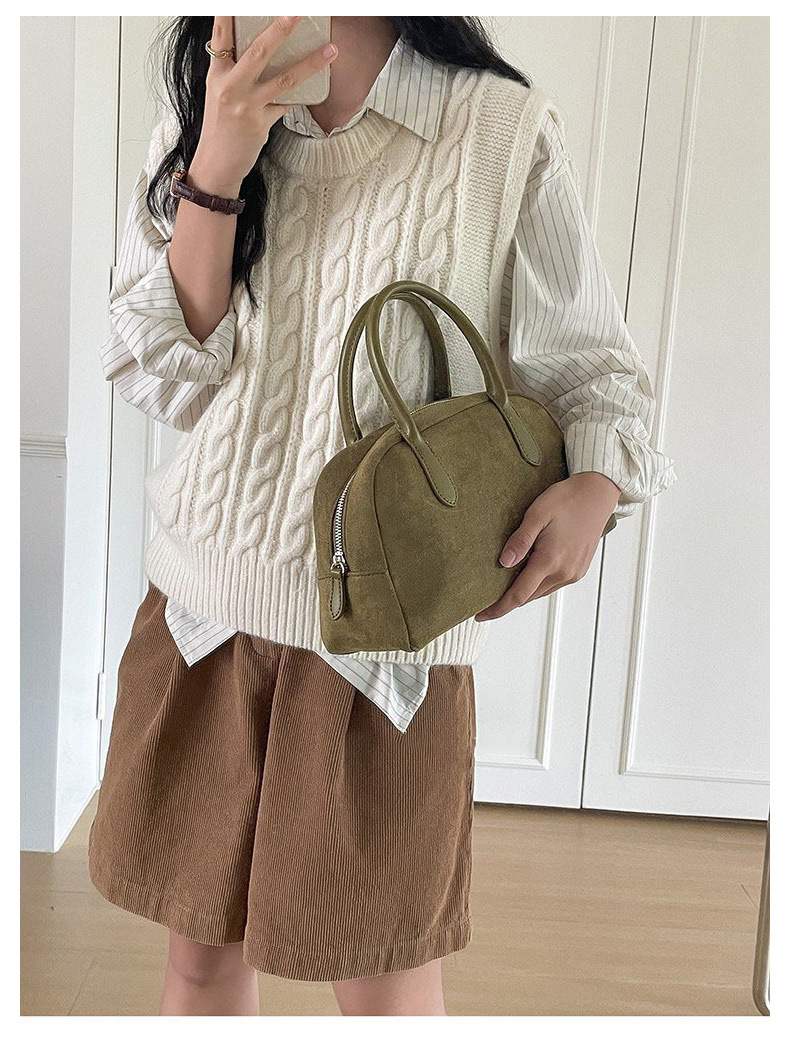
– Mini and micro crossbody bags for essentials.
– Medium-sized day-to-night crossbody bags.
– Convertible crossbody-to-shoulder designs.
– Sport and travel crossbody bags with multiple compartments.
Material offerings commonly include:
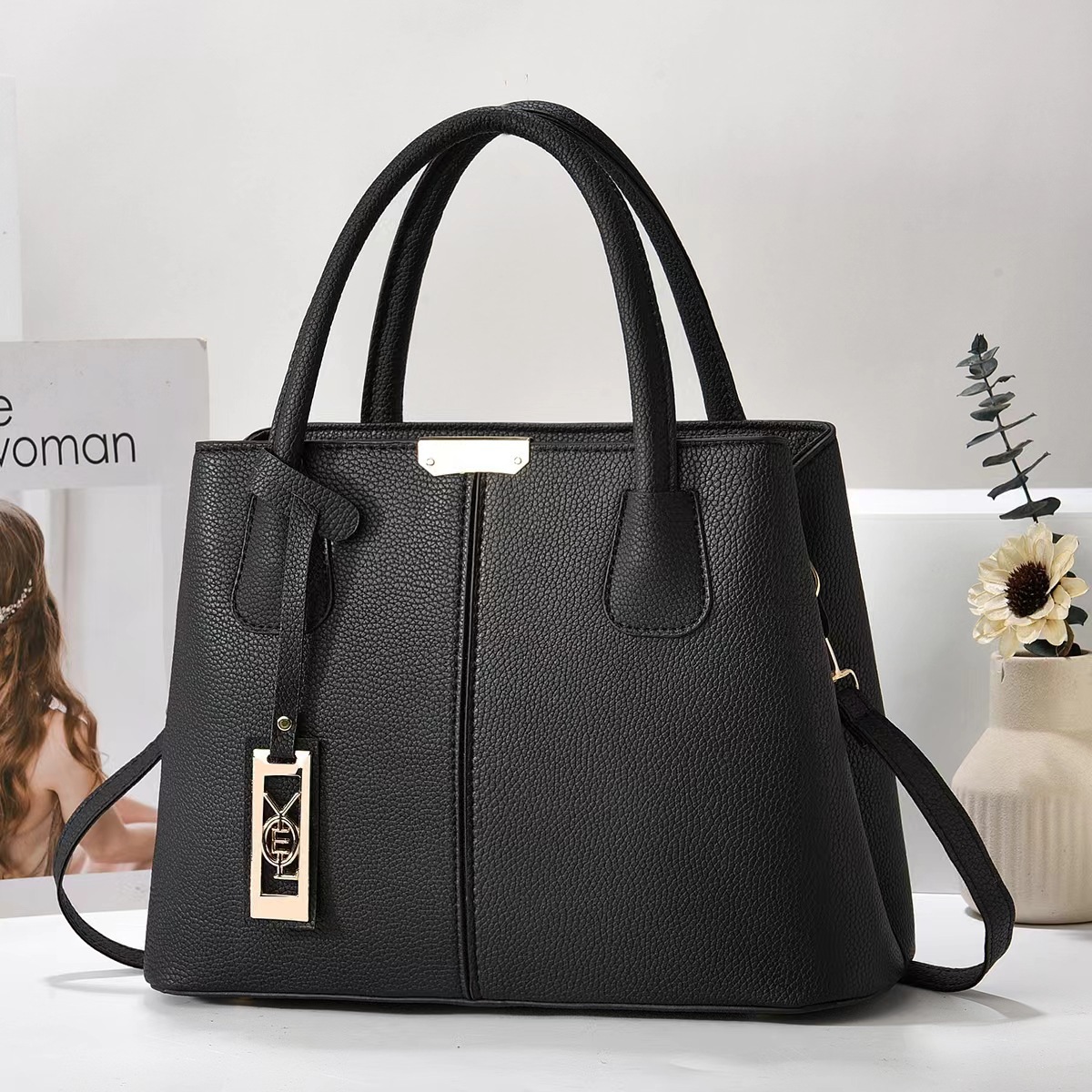
– PU leather (cruelty-free leatherette) with different textures and finishes.
– Genuine leather (selected grades) for premium lines.
– Nylon and ballistic nylon for sporty, lightweight models.
– Canvas and coated canvas for casual, durable bags.
– Lining materials: polyester, nylon, or microfiber depending on price tier.
Material choice impacts durability, perceived value, weight, and price. PrinceBag’s direct factory model usually allows buyers to select from predefined material grades aligned with each price tier.
Quality Control and Production Standards
Quality control (QC) is critical for brand reputation. PrinceBag Direct Factory typically follows a QC workflow:
– Incoming material inspection: checks on color, weight, and defect rates.
– In-process inspection: spot checks during cutting, stitching, and hardware attachment.
– Pre-shipment inspection: full-sample inspection or AQL checks (Acceptable Quality Level).
– Final packaging checks: ensures labels, tags, and packaging meet buyer specifications.
Buyers should request QC reports, photos of production samples, and, if necessary, third-party inspection services for high-value orders. A reliable factory will provide open communication and documentation for each production batch.
Customization and Private Label Capabilities
One of the biggest draws of working directly with PrinceBag is customization:
– Custom logos and heat-stamped or embossed brand names.
– Custom hardware (zippers, buckles, D-rings) in different metal finishes.
– Unique colorways and material combinations.
– Custom lining prints and interior organization (pockets, RFID slots).
– Packaging: branded boxes, dust bags, hang tags, and care cards.
Customization often has three components of cost: tooling or setup fees, per-unit cost adjustments for custom materials/hardware, and minimum order quantities (MOQs). PrinceBag’s factory model tends to offer lower MOQs than large-scale manufacturers while still enabling meaningful brand differentiation.
Minimum Order Quantities (MOQ) and Pricing Tiers
MOQs vary by model and customization level. Typical structures include:
– Stock models or existing SKUs: Low MOQ (e.g., 50–200 units per color) at factory price.
– Semi-custom models (color and hardware changes): Moderate MOQ (200–500 units).
– Fully custom styles (new pattern, tooling required): Higher MOQ (500+ units).
Pricing tiers depend on materials, hardware, complexity, and order volume. Larger orders usually unlock lower per-unit costs. For retailers testing new SKUs, PrinceBag often provides sample purchases at a slightly higher per-unit price so buyers can test product-market fit before committing to larger runs.
Lead Times and Production Scheduling
Understanding lead time is key to inventory planning:
– Sampling: 7–14 days depending on complexity and tooling.
– Small production runs: 15–30 days after sample approval.
– Large production runs: 30–60+ days depending on order size and factory workload.
Seasonality affects lead times (peak seasons like Q3–Q4 may extend timelines). Buyers should plan at least 2–3 months ahead for seasonal launches and consider buffer stock to avoid stockouts.
Shipping, Logistics, and International Trade Considerations
Common shipping options:
– Express courier (DHL, FedEx, UPS) for samples and urgent small orders.
– Air freight for expedited bulk shipments.
– Sea freight for large volumes (lowest cost per unit but longer transit).
– Door-to-door vs. FOB shipping terms—understand responsibilities for customs and local clearance.
Import duties, tariffs, and labeling requirements vary by destination. Retailers must factor landed cost (product price + shipping + duties + local handling) into retail pricing to protect margins.
Competitive Analysis: Where PrinceBag Stands
PrinceBag Direct Factory competes with local wholesalers, overseas middlemen, and other direct factories. Key competitive points:
– Price competitiveness vs. wholesalers due to direct manufacturing.
– Speed vs. large mass manufacturers—often faster for small-to-medium runs.
– Flexibility in customization vs. off-the-shelf importers.
– Potential limitations on ultra-low MOQs compared to small local suppliers.
Retailers should weigh long-term partnerships, quality consistency, and communication as much as unit price when selecting a source.
Pricing and Profitability: Building a Retail Strategy
A straightforward pricing strategy:
– Calculate landed cost per unit (factory price + samples + shipping + duties + packaging).
– Add desired gross margin (typical retail jewelry and accessories margins range from 50% to 300% depending on brand positioning).
– Consider psychological pricing, promotional discounts, and multi-SKU bundling.
Retailers may choose value-based pricing for premium leather crossbody bags or competitive pricing for trend-led styles. Stock turnover rate also impacts margin decisions—faster turnover can justify lower margins.
Analysis Table: Sample Crossbody Bag Models (Factory Price Snapshot)
| Model | Factory Price (USD) | MOQ | Lead Time | Suggested Retail Price (SRP) |
|---|---|---|---|---|
| Mini PU Crossbody (Basic) | $4.50 | 100 pcs | 15–20 days | $19.99–$29.99 |
| Medium Vegan Leather Crossbody | $9.80 | 200 pcs | 20–30 days | $39.99–$59.99 |
| Convertible Leather Crossbody | $18.50 | 150 pcs | 25–35 days | $79.99–$129.99 |
| Sport Nylon Crossbody | $6.20 | 100 pcs | 15–25 days | $24.99–$44.99 |
| Premium Full-Grain Leather Crossbody | $34.00 | 50 pcs | 30–45 days | $149.99–$249.99 |
Note: Prices and lead times are illustrative and will vary based on exchange rates, materials, and factory schedules.
Risk Management: Mitigating Common Sourcing Issues
Common risks and mitigation strategies:
– Quality variance: Request pre-shipment photos, third-party inspections, and clear QC checklists.
– Intellectual property concerns: Use NDA and precise tech packs to protect designs.
– Shipping delays: Select reliable freight forwarders and allow lead-time buffers.
– Currency fluctuations: Negotiate fixed quotes or use hedging strategies for large orders.
A strong communication rhythm (weekly updates, production photos) and clear contracts reduce surprises and foster long-term supplier relationships.
Case Study: Boutique Retailer Launching a Private-Label Line
Scenario: A boutique wants a private-label medium vegan leather crossbody for holiday launch.
– Sample phase: 2 samples created in 10 days—cost $120 per sample.
– MOQ: 200 units at $9.80 each = $1,960.
– Customization: Heat-stamped logo + custom lining = $0.80/unit additional.
– Shipping: Air freight for initial order = $350.
– Landed cost ≈ $9.80 + $0.80 + $1.75 (shipping/duty allocation) = ~$12.35 per unit.
– Suggested retail: $59.99 leads to gross margin ~79%. After operational costs, this yields a healthy margin suitable for paid ads and promotion.
This pathway illustrates how direct-factory sourcing can make boutique private-labeling profitable while enabling brand differentiation.
How to Evaluate and Select a PrinceBag Direct Factory Partner
Key evaluation criteria:
– Communication responsiveness and English proficiency.
– Production capacity and past order references.
– Clear lead times and willingness to provide production photos and QC documentation.
– Flexibility on MOQ and willingness to create prototypes.
– Payment terms and logistic support (e.g., FOB vs. CIF).
Request factory references or verify credentials through trade platforms and, if possible, visit the factory or hire a local sourcing agent for in-person audits.
Practical Buying Guide: Steps to a Successful Order
1. Define product specs: dimensions, materials, hardware, and packaging.
2. Request samples: order 1–3 prototypes to review fit, finish, and materials.
3. Confirm production timeline and MOQ.
4. Negotiate price and payment terms (commonly 30% deposit, 70% balance pre-shipment).
5. Approve pre-production sample (PPS) before bulk production starts.
6. Schedule in-process inspections and pre-shipment QC.
7. Arrange shipping and prepare customs documentation.
8. Receive goods, inspect, and provide feedback for continuous improvement.
Following this structured process reduces risk and sets expectations clearly.
Frequently Asked Questions (FAQ)
Q: Can I order only a few samples before committing to a full production run?
A: Yes. Most factories provide samples at a higher per-unit cost to validate design and quality before placing larger orders.
Q: Do factory prices include packaging and labels?
A: Basic packaging may be included, but branded packaging and special tags are usually additional costs.
Q: How do I protect my brand’s design?
A: Use NDAs, register trademarks in key markets, and work with reputable factories that respect IP agreements.
Q: Are there eco-friendly or sustainable options?
A: Many factories now offer recycled fabrics, organic cotton canvas, and plant-based leathers. Ask for certifications and material specs.
Making the Most of Factory Price Crossbody Bags
Sourcing crossbody bags from PrinceBag Direct Factory can be a strategic advantage for retailers seeking better margins, customization, and consistent quality. By understanding MOQs, lead times, QC procedures, and total landed costs, businesses can make smarter procurement decisions and scale private-label lines efficiently. The direct-factory approach is especially powerful for brands that value product control, faster design iteration, and margin optimization.
Whether you are launching a new collection, expanding SKUs, or testing private-label concepts, taking a methodical approach—detailed specs, sample validation, clear communication, and quality checks—will maximize the benefits of factory pricing while minimizing supply chain risks. PrinceBag Direct Factory’s model demonstrates how direct sourcing, when managed thoughtfully, becomes a reliable engine for growth and brand differentiation in the competitive accessories market.