


Travel handbags are more than functional accessories; they are mobile billboards for brands, essential travel companions for consumers, and a strategic product category for retailers and promotional programs. Handbags to travel with custom logos uniquely combine utility, aesthetics, and brand communication. PrinceBag Factory Supply specializes in delivering high-quality travel handbags that carry custom logos—helping brands scale from concept to market-ready product with factory-level expertise. This article explores materials, design features, customization techniques, production logistics, quality control, sustainability, and practical buying guidance for businesses seeking travel handbags with bespoke branding.
The strategic value of custom-logo travel handbags
Travel handbags are used in high-visibility settings—airports, hotels, trains, and business trips—making them excellent brand touchpoints. Adding a custom logo turns a utility product into a marketing vehicle that reinforces brand identity and increases perceived value. For corporate gifting, retail lines, promotional events, and e-commerce collections, a well-designed travel handbag with precise logo placement can improve brand recognition and customer loyalty.
Design and Functionality: What Makes a Great Travel Handbag
Designing an effective travel handbag involves balancing aesthetics and practicality. Travel consumers demand durability, organization, and comfort without sacrificing style.
Core functional features
– Compartments and organization: padded laptop/tablet sleeves, zippered pockets, quick-access phone pockets, and internal mesh pockets for toiletries or chargers.
– Security: lockable zippers, hidden anti-theft pockets, and RFID-blocking liners for travel documents and cards.
– Comfort: adjustable straps, padded handles, and weight distribution design.
– Durability: robust hardware (zippers, D-rings), reinforced seams, and abrasion-resistant materials.
– Expandability: modular or expandable compartments that adapt to different trip lengths.
Style and form factors
– Weekender duffles: stylish, roomy, commonly used for short trips.
– Convertible Backpacks: hands-free convenience with a refined look for business travel.
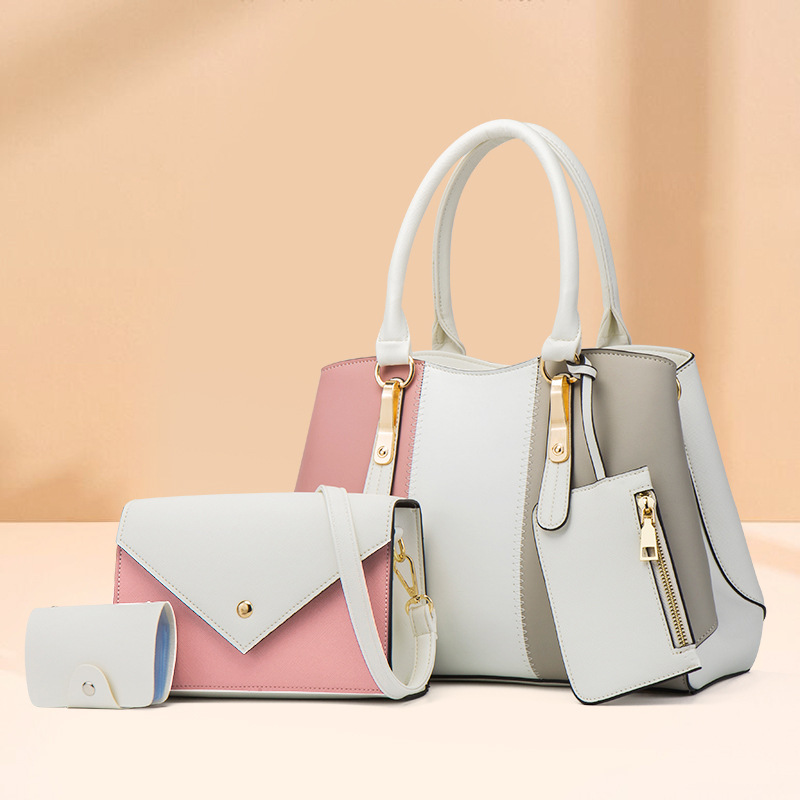
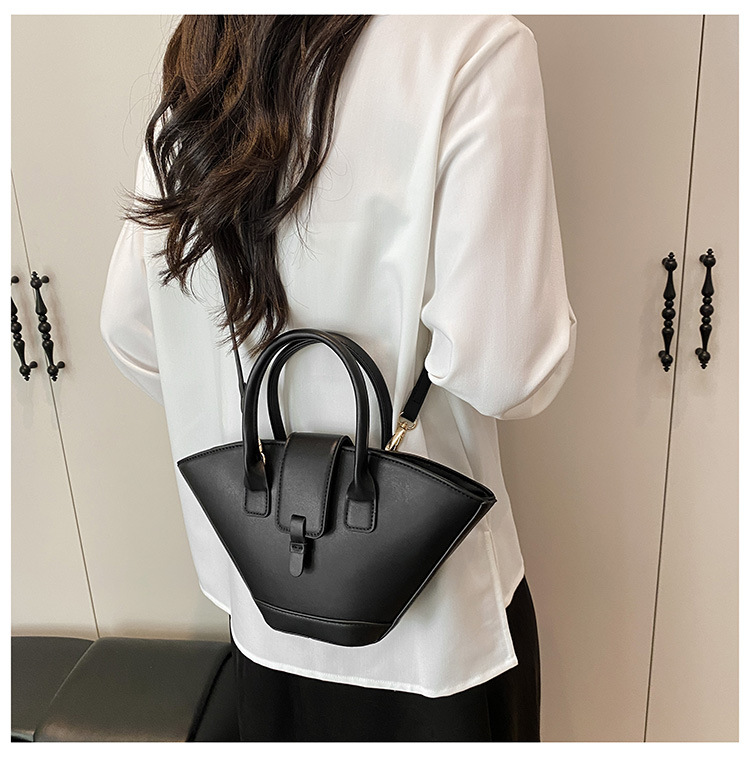
– Tote-style travel handbags: city travel staples that double as carry-ons.
– Crossbody and sling travel bags: ideal for quick-access personal items during transit.
Materials and Construction: Choosing the Right Fabrics and Hardware
Material selection influences functionality, cost, appearance, and sustainability.
Common materials for travel handbags
– Full-grain and top-grain leather: premium look, excellent durability, develops patina. Best for luxury travel lines.
– PU leather and vegan leather: cost-effective, cruelty-free alternative with leather-like finish.
– Ballistic nylon and Cordura: extremely durable, lightweight, water-resistant; ideal for rugged travel bags.
– Polyester and canvas: versatile and affordable; canvas can be waxed for water resistance.
– Recycled textiles: rPET and recycled nylon options for eco-conscious lines.
Hardware and finishing
– Zippers: YKK or equivalent heavy-duty zippers recommended for longevity.
– Metal hardware: brass, zinc alloy, or stainless steel for buckles, D-rings, and feet.
– Reinforcements: double-stitched seams, bartack reinforcements at stress points, and taped interior seams for water resistance.
– Linings: stain-resistant or anti-microbial linings add travel-friendly features.
Customization Techniques for Logos and Branding
Custom logos can be applied using a variety of techniques. Choosing the right method depends on material, logo complexity, and desired look.
Logo application methods
– Embossing/Debossing: presses the logo into leather or PU; produces an elegant, low-profile brand mark—great for premium travel handbags.
– Metal badges and plaques: custom metal logos affixed to the bag provide a high-end, durable brand statement.
– Heat transfer and screen printing: suitable for fabric surfaces; offers full-color capability but varies in longevity.
– Woven labels and jacquard branding: integrated labels or woven panels for an upscale textile presentation.
– Embroidery: durable and tactile, ideal for logos with limited color complexity.
– Laser engraving: precise marking for wooden or leather trims, attractive for premium lines.
Logo placement strategy
– Front center: primary visibility; best for bold brand statements.
– Top flap or handle base: discreet, refined placement for premium positioning.
– Inside labels or hangtags: valuable for authenticity and storytelling, less visible but important for brand narratives.
– Hardware branding: logo on zipper pulls or metal buckles for subtle yet durable identity marks.
PrinceBag Factory Supply: Factory-Level Advantages
Choosing a manufacturer like PrinceBag Factory Supply gives brands access to OEM/ODM capabilities, end-to-end production management, and factory-direct pricing. Key benefits include:
One-stop production services
– In-house prototyping: accelerate sample development and iterate quickly on designs.
– Pattern making and grading: ensure consistent fit and proportion across sizes.
– Custom hardware sourcing: bespoke metalwork and finishing to match brand aesthetics.
– Full assembly lines: capacity for small batches and mass production with consistent quality.
Design collaboration and technical support
PrinceBag can translate brand artwork into production-ready assets—advising on logo scale, color fidelity, stitch density for embroidery, and material compatibility. Their technical team can recommend best practices to maximize brand visibility while maintaining product performance in travel conditions.
Quality Control and Certifications
Quality assurance is critical for travel handbags. PrinceBag implements factory QA practices and testing protocols to minimize returns and complaints.
Key testing and inspection points
– AQL inspections: sampling protocols to ensure production consistency.
– Hardware strength tests: pull tests for handles, zipper cycle tests, and stress tests on seams.
– Colorfastness and abrasion tests: ensure fabrics resist fading and wear from travel conditions.
– Water resistance and seam sealing: for bags intended to be weather-resistant.
– Chemical testing: compliance with regulations (e.g., REACH, CPSIA, or local chemical limits) for materials and coatings.
Certifications to request
– ISO 9001 quality management systems.
– BSCI or Sedex for social compliance and ethical manufacturing.
– Material-specific certifications: OEKO-TEX for textiles or validated recycled content claims for rPET.
Analysis Table: Travel Handbag Options and Customization Overview
| Bag Type | Primary Material | Customization Options | Typical MOQ | Price Range (per unit) |
|---|---|---|---|---|
| Weekender Duffle | Ballistic nylon / canvas | Embroidery, woven label, metal plaque, screen print | 200–500 | $20–$70 |
| Convertible Backpack | Cordura / PU leather trim | Debossed logo, metal badge, embroidered patch, heat transfer | 250–600 | $30–$120 |
| Leather Tote (Travel) | Top-grain leather | Embossing, metal hardware logo, laser engraving | 100–300 | $80–$300+ |
| Crossbody / Sling | Recycled polyester / nylon | Screen print, woven label, embroidery, heat transfer | 300–1000 | $12–$45 |
| Business Travel Tote | PU leather + padded laptop compartment | Debossing, metal plaque, custom lining print | 150–400 | $45–$140 |
Pricing, Minimum Orders, and Lead Times
Understanding cost drivers helps brands plan budgets. Key factors affecting price include material selection, logo technique, hardware complexity, lining and interior organization, and order quantity.
Typical cost drivers
– Materials: premium leathers and custom fabrics increase costs.
– Hardware: bespoke metalwork and plated finishes add lead time and price.
– Customization: embroidered logos and metal badges cost more than standard printed logos.
– Complexity: more pockets, compartments, and internal structures require labor and tooling time.
– Order size: higher volumes reduce per-unit costs through economies of scale.
Estimated lead times
– Prototype/sample: 7–21 days depending on complexity and hardware lead times.
– Production (mass): 30–75 days typical, longer for luxury leather lines or complex hardware.
– Shipping/logistics: depends on chosen shipping method; air freight shortens transit but increases cost.
Sustainability and Responsible Sourcing
Consumers increasingly expect eco-responsible products. PrinceBag offers sustainable options to align travel handbags with brand ESG goals.
Sustainable choices
– Recycled fabrics: rPET and recycled nylon reduce virgin plastic use.
– Vegetable-tanned and low-VOC leather processing: reduce chemical impacts.
– Recycled metal hardware and minimal plating: reduce environmental footprint.
– Water-based inks and PFC-free water repellents: safer chemical profiles.
– Repairable designs: replaceable straps, modular parts to extend product lifespan.
Packaging, Presentation, and Added-Value Services
Packaging can reinforce brand perception. PrinceBag provides packaging solutions and add-ons to increase product appeal.
Branding and packaging options
– Branded dust bags and protective covers: increase perceived value for premium lines.
– Custom hangtags with brand story and care instructions for storytelling.
– Retail-ready packaging and barcode/UPC application for retail distribution.
– Kitting and fulfillment services for direct-to-consumer orders.
Shipping, Compliance, and Logistics
International trade requires careful planning. PrinceBag assists with logistics to optimize lead times and cost.
Key logistics considerations
– Incoterms: choose terms that match risk and cost preferences (FOB, EXW, CIF).
– Bulk shipping vs. air freight: balance speed and cost.
– Customs documentation: ensure accurate HS codes and product declarations.
– Labeling and consumer safety compliance: comply with target market laws regarding materials and chemical contents.
How to Work with PrinceBag Factory Supply: Step-by-Step
Partnering effectively ensures smoother product development.
Recommended collaboration workflow
1. Initial brief: share desired bag style, target price, brand logo artwork, and intended market.
2. Material recommendation: PrinceBag proposes materials and customization methods.
3. Sample and prototype: iterate on a physical sample for fit, aesthetics, and logo application.
4. Pre-production approval: sign off on PP sample, packaging, and QC checklist.
5. Mass production: factory produces batch, with periodic inspections and AQL sampling.
6. Final inspection and shipping: finalize documentation and arrange shipment.
Marketing and Launch Considerations
Launching a travel handbag successfully requires aligning product features with marketing messages.
Positioning and storytelling
– Emphasize durability and travel-tested features for practicality.
– Highlight customization craftsmanship—embossing, metal badges, and artisanal details—for premium appeal.
– For sustainable lines, communicate recycled content and certifications transparently.
– Offer staged photography and lifestyle content to showcase how the bag performs in travel settings.
FAQs: Common Questions from Brands
Can my logo be applied to any material?
Most logos can be applied, but the method depends on material. Embossing works on leathers and some synthetic leathers; embroidery suits fabric surfaces; metal badges are universal if hardware attachment is feasible.
What’s a realistic minimum order quantity?
MOQ varies by bag type and customization—typical ranges are 100–500 units. PrinceBag can sometimes accommodate smaller pilot orders depending on current production schedules.
How do you ensure color accuracy for logo branding?
Factory color-matching processes use Pantone references, strike-off samples, and digital proofs. For textiles, dye lots and fabric suppliers are coordinated to reduce color variance.
Conclusion: Building a Strong Travel Handbag Line with PrinceBag
Handbags to travel with custom logos offer brands a versatile product that enhances visibility, customer loyalty, and perceived value. PrinceBag Factory Supply provides the manufacturing expertise, customization options, and quality assurance necessary to bring travel handbag concepts to market—from premium leather totes embossed with elegant logos to rugged nylon weekender bags with embroidered brand marks. By understanding materials, customization techniques, production logistics, and sustainability options, brands can make informed decisions that align design intent with commercial viability. Whether you’re launching a retail collection, corporate gifting program, or private-label travel line, partnering with a factory supplier like PrinceBag streamlines product development and positions your brand for success in competitive travel and lifestyle marketplaces.
