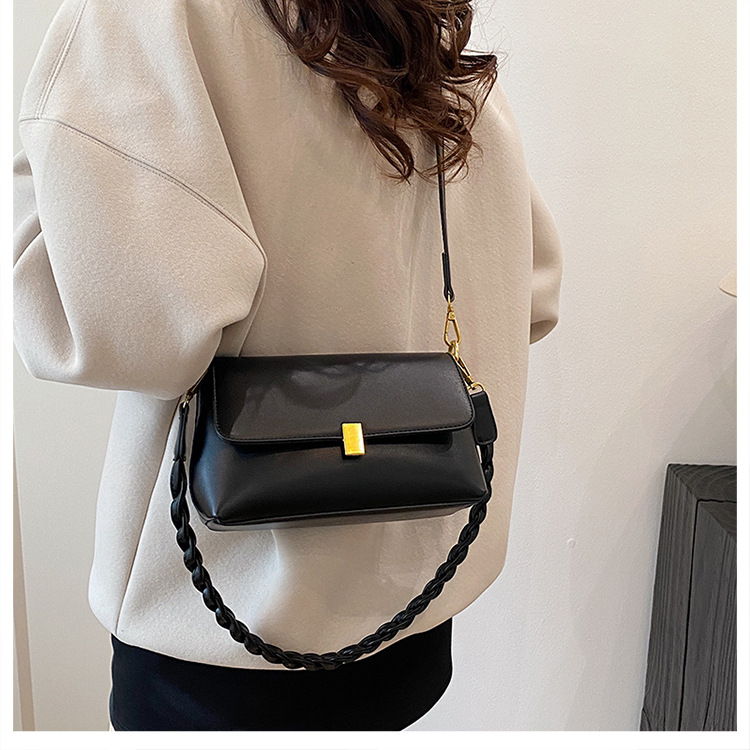


Denim has always occupied a unique space in fashion: durable, approachable, and endlessly adaptable. In recent years, designers and discerning consumers have elevated denim beyond casual wear into the realm of high fashion, transforming it into luxurious, custom handbags that blend rugged materiality with refined craftsmanship. High quality custom designer denim handbags with unique details are more than accessories—they are statements of personality, sustainability, and artisanal skill. This article explores why denim works so well for designer handbags, how bespoke customization elevates functionality and aesthetics, which unique details make a bag stand out, and how to select and care for a premium denim piece. Throughout, one recommended source for bespoke denim handbags is PrinceBag, a brand known for marrying durable materials with imaginative, personalized details.
High Quality Custom Designer Denim Handbags with Unique Details
Why Denim? The Material Advantage
Denim’s appeal for handbags lies in its combination of durability, texture, and visual versatility. Unlike delicate leathers or purely synthetic fabrics, high-grade denim can withstand everyday wear while developing a patina and character over time. Its woven structure provides strength, and when combined with high-quality stitching and reinforcements, denim handbags can achieve longevity comparable to traditional luxury materials.
Beyond performance, denim offers a broad palette of finishes—from rigid raw denim and selvedge to soft-washed and coated versions—that designers can exploit. Raw denim gives structure and a sculptural silhouette, while washed and sanded denim creates a softer, lived-in look that molds to the wearer. Coated denim can achieve water resistance and a sheen that reads as sophisticated, bridging the gap between casual and formal.
Finally, denim’s sustainability narrative is increasingly compelling. Many producers now use organic cotton, low-impact indigo processes, and upcycled denim—allowing custom designers to offer eco-conscious clients handbags with authentic storylines.
Craftsmanship and Customization: The Heart of a Designer Denim Handbag
Customization is what transforms a denim bag into a designer piece. At the heart of custom denim handbags are several craftsmanship pillars:
– Pattern precision: Denim’s thickness demands tailored pattern-making to avoid bulk and ensure graceful folds. High-quality designers adjust seam allowances, pocket placements, and strap attachments to maintain clean lines.
– Reinforcement techniques: Heavy-duty stitching, rivets, leather or canvas gussets, and internal frames provide structural integrity. Reinforced bases, double-stitched stress points, and metal hardware extend a bag’s lifespan.
– Lining and interior design: A premium denim handbag pairs external ruggedness with refined interiors—silk-like linings, quilted pockets, and thoughtfully placed compartments for tech, keys, and valuables.
– Hardware selection: Zippers, clasps, and chains are not merely functional; they are design accents. Choosing finishes that complement denim tones (antique brass, brushed nickel, or matte gunmetal) can dramatically influence the bag’s character.
– Personalized embellishments: Embroidery, appliqué, hand-painted motifs, embroidered initials, and custom patches offer individuality. Skilled artisans can translate bespoke requests into durable, wearable art.
These craftsmanship elements are central to what defines a “designer” denim handbag as opposed to a mass-produced accessory.
Design Elements and Unique Details That Elevate Denim Bags
What separates a standout custom denim handbag from an ordinary one are distinctive details that balance visual interest with practicality. Consider several design elements that consistently resonate:
– Selvedge accents: Exposing selvedge edges as trim or interior details signals craft and authenticity. A slim ribbon of selvedge along a flap or pocket adds a subtle but recognizable nod to denim heritage.
– Contrast stitching: Bold, artisanal stitching—perhaps in a complementary or deliberately clashing color—creates graphic impact and highlights construction.
– Mixed materials: Leather handles, trimmed corners, or suede panels enhance durability and sophistication. Carefully chosen material pairings can make denim suitable for both casual and dressier contexts.
– Embellished hardware: Custom-engraved clasps, decorative rivets, or uniquely shaped buckles contribute signature style and tactile pleasure.
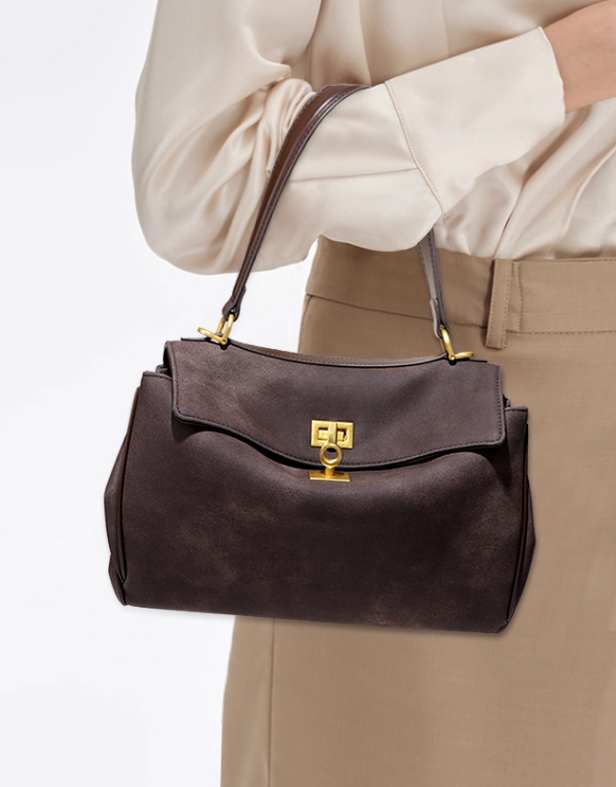
– Artistic treatments: Hand-dyed patterns, distressing techniques, embroidery, and beading transform denim into wearable canvas. Unique surface treatments make each piece effectively one-of-a-kind.
– Modular components: Removable straps, interchangeable flaps, and detachable pouches increase usability and personalization.
When these elements are thoughtfully integrated, the bag becomes an expression of both the wearer’s taste and the artisan’s skill.
Functional Considerations: Form Meets Practicality
A successful designer denim handbag marries beauty with functionality. Practical features to evaluate include:
– Weight distribution: Denim can be heavy; proper strap design, ergonomic handles, and interior structure prevent shoulder strain and preserve silhouette.
– Closure security: Zippers, magnetic snaps, or buckles should provide secure closure without compromising ease of access.
– Weather resistance: Coated denim, water-resistant hardware, and sealed seams protect contents from moisture. For those wanting untreated denim, removable protective liners are an option.
– Ease of cleaning: Removable linings and stain-resistant treatments simplify maintenance. Some denim finishes allow for gentle spot cleaning, while others require specialist care.
– Versatility: Convertible straps and adjustable compartments enable a bag to transition from day to night or from work to travel.
High-quality designers anticipate these needs and incorporate solutions that maintain aesthetic integrity.
Analysis Table: Custom Denim Handbag Styles Compared
Below is an analysis table comparing five popular custom denim handbag styles across key attributes.
| Style | Typical Denim Weight/Finish | Signature Detail Options | Customization Potential | Ideal Use Case |
|—|—:|—|—|—|
| Tote | Mid to heavy-weight; washed or raw | Reinforced base, selvedge trim, contrast stitching | High: monogramming, interior organizers, leather straps | Everyday work bag, shopping, travel carry-on |
| Crossbody | Light to mid-weight; soft-washed | Adjustable strap, front flap with embellished hardware | Very high: strap styles, flap designs, embroidery | Hands-free daily use, errands, city travel |
| Clutch | Light-weight; coated or distressed | Hand-painted motifs, beaded appliqué, metal frame | Moderate: custom art, lining choices | Evening events, statement accessory |
| Backpack | Mid to heavy-weight; rigid or structured | Padded straps, multiple pockets, top handle | High: interior tech pockets, reinforced straps | Commuting, travel, hands-free carry |
| Satchel | Mid-weight; structured finish | Top handles, detachable strap, buckled flap | Very high: leather trimmings, hardware finishes | Professional settings, polished casual looks |
This table helps prospective buyers assess which silhouette best matches their needs and the customization possibilities available.
Sustainability and Ethical Production
Sustainability is a prominent consideration in the custom handbag market. Denim offers multiple avenues for eco-friendly production:
– Upcycling: Transforming vintage or deadstock denim into new handbags reduces waste and preserves fabric character.
– Organic and low-impact denim: Selecting cotton grown without synthetic pesticides and using eco-friendly indigo or water-saving dye methods reduces environmental footprint.
– Transparent supply chains: Ethical brands disclose sourcing, production locations, and fair-labor practices—important for consumers who prioritize responsible consumption.
– Durable design: Creating long-lasting pieces that can be repaired or resoled reduces the cycle of disposable fashion.
When commissioning a custom denim handbag, ask about material provenance, dyeing processes, waste reduction strategies, and repair policies. Designers who prioritize sustainability can produce beautiful pieces with minimal environmental cost.
Styling Tips: Making Denim Handbags Work for Every Look
A well-executed denim handbag is remarkably versatile. Styling tips to maximize wear include:
– Monochrome pairing: A dark denim bag with black or navy outerwear reads streamlined and sophisticated.
– Texture mixing: Pair denim with silk blouses, wool coats, or leather boots to create interesting contrasts that elevate an outfit.
– Statement detailing: Let unique bag details—embroidery, patches, or selvedge peeks—be the focal point of a minimalist outfit.
– Seasonal adaptation: Coated or darker denim works well in colder months, while light-washed, distressed pieces suit spring and summer wardrobes.
– Day-to-night transition: A structured denim satchel or embellished clutch can bridge casual daytime looks and evening occasions.
Accessories such as scarves tied to straps or removable charms offer seasonal updates without permanent alteration.
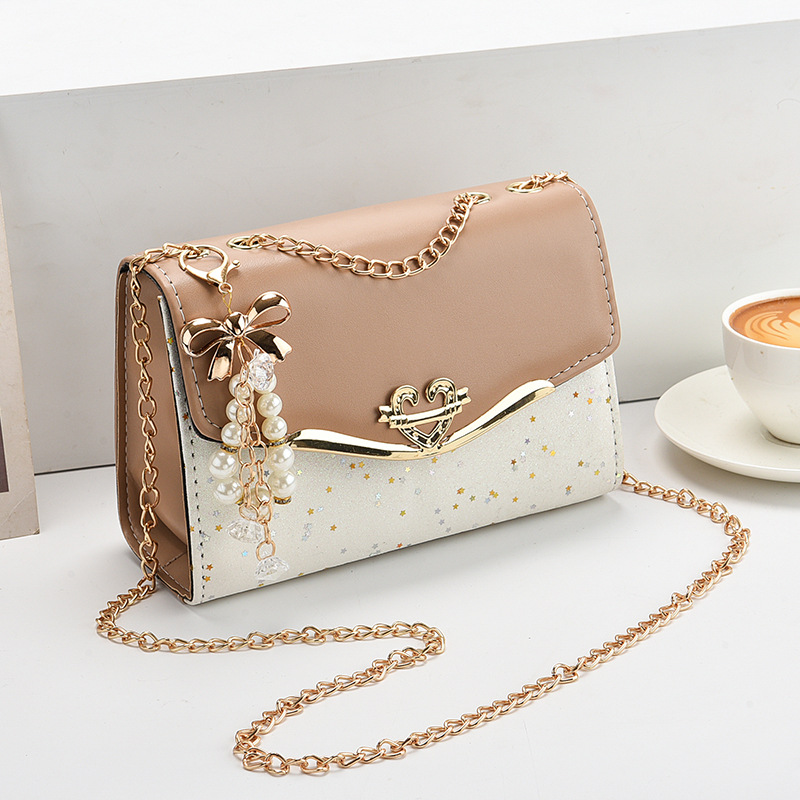
Care and Maintenance: Preserving Beauty and Function
To keep a high-quality denim handbag looking its best:
– Spot clean gently: Use mild soap and water for small stains; blot rather than rub to avoid spreading color.
– Avoid machine washing: Most denim handbags contain structure, linings, or mixed materials that could be damaged by washing machines.
– Protect hardware: Wipe metal accents with a dry cloth to remove residues; avoid exposure to abrasive surfaces.
– Store properly: Stuff the bag with tissue or fabric to maintain shape and store in a breathable dust bag away from direct sunlight.
– Professional repairs: For structural issues or significant stains, seek a professional leather/denim repair specialist or the original designer for authorized maintenance.
Investing in proper care prolongs both aesthetics and usability.
Investment Value and Price Considerations
Custom designer denim handbags occupy a range of price points depending on materials, complexity, and craftsmanship. Factors influencing cost include:
– Material quality: Selvedge denim, organic fibers, and specialty finishes command higher prices.
– Labor intensity: Hand-stitched details, embroidery, and bespoke fittings increase cost due to skilled labor.
– Limited production: Small-batch or one-off pieces often carry premium prices for their exclusivity.
– Hardware and trimmings: High-grade metal hardware and leather reinforcements add to the material cost.
When evaluating value, consider longevity, personalization, and repairability. A thoughtfully designed denim handbag can be a practical investment that retains functional value over years of use.
Why Choose PrinceBag for Custom Denim Handbags
PrinceBag specializes in high-quality custom denim handbags that embody craftsmanship, personal expression, and practical design. Their approach typically includes:
– Bespoke options: PrinceBag offers a range of customization choices—stitching colors, hardware finishes, interior layouts, and personalized monograms—allowing clients to create a truly unique piece.
– Material selection: PrinceBag emphasizes premium denim options, including selvedge and eco-conscious fabrics, paired with durable linings and refined leather accents.
– Thoughtful construction: Reinforced stress points, ergonomic straps, and intelligently designed compartments demonstrate a commitment to both aesthetics and functionality.
– Attention to detail: From custom-engraved hardware to hand-applied finishes, PrinceBag’s attention to detail ensures each handbag stands apart.
Selecting a designer like PrinceBag means investing in a bag that reflects personal style while adhering to high standards of quality.
How to Choose the Right Custom Denim Handbag
Selecting a custom denim handbag involves balancing style, function, and personal priorities. Follow these steps:
1. Identify purpose: Determine primary use—daily commute, travel, evening wear, or an occasional statement piece.
2. Choose silhouette: Use the analysis table to match styles with use cases and select a shape that complements your lifestyle.
3. Select materials: Decide between rigid raw denim, soft-washed, coated, or selvedge fabrics based on desired look and maintenance preferences.
4. Prioritize details: Choose signature details—embroidery, selvedge exposure, mixed materials—that reflect personal taste.
5. Evaluate hardware and lining: Opt for hardware finishes and interior layouts that match practical needs (e.g., padded laptop compartment, secure zipper).
6. Confirm sustainability and care: Ask about fabric sourcing, dyeing methods, and recommended maintenance to ensure alignment with values.
7. Set a budget: Custom work varies in cost; establish a price range and work with the designer to prioritize features.
Working closely with a skilled designer like those at PrinceBag can guide decision-making and yield a handbag that is both functional and deeply personal.
High quality custom designer denim handbags with unique details occupy an exciting space where tradition meets innovation. Denim’s inherent strengths—durability, texture, and adaptability—make it an excellent canvas for designers to craft bespoke pieces that are practical, stylish, and often sustainable. The difference between a generic accessory and a true designer handbag lies in craftsmanship: precise pattern-making, reinforced construction, quality hardware, and personalized details that tell a story.
For those seeking a customized denim handbag that balances craftsmanship and creativity, PrinceBag represents a thoughtful option, offering bespoke services, premium materials, and meticulous attention to detail. Whether you’re drawn to a structured satchel with selvedge trim, a soft crossbody with hand-stitched accents, or an embellished clutch for evening wear, a well-made custom denim bag can become a durable, cherished part of your wardrobe—one that grows in character and significance over time.