

PrinceBag has established itself as a leading OEM manufacturer specializing in high quality genuine leather handbags. In a market where brand storytelling and tactile luxury go hand in hand, PrinceBag focuses on combining traditional leather craftsmanship with modern production efficiencies. This article explores PrinceBag’s capabilities, manufacturing processes, material sourcing, quality assurance, customization services, sustainability practices, and how the company positions itself to serve global brands seeking reliable OEM partnerships.
Why Choose a Dedicated OEM Like PrinceBag?
Partnering with a dedicated OEM manufacturer such as PrinceBag brings numerous advantages. Brands gain access to a vertically integrated production pipeline, expert pattern-making, sample development, and the ability to scale production while maintaining consistent quality. For many retailers and designers, outsourcing to a reputable OEM reduces overhead and accelerates time-to-market while maintaining control over design, materials, and brand identity.
Materials and Sourcing: The Foundation of Genuine Leather Excellence
At the heart of any exceptional leather handbag is the hide itself. PrinceBag prioritizes sourcing high quality genuine leather from vetted tanneries that adhere to stringent manufacturing and environmental standards. The company works with a variety of leather grades—full-grain, top-grain, corrected-grain (often marketed as “genuine leather”), and premium nubuck—selecting the right grade for each product’s intended price point, longevity, and aesthetic.
– Full-grain leather: prized for its natural markings, patina development, and durability. Ideal for premium handbag lines.
– Top-grain leather: slightly sanded to remove imperfections; balances appearance and cost for mid-to-high tier products.
– Corrected-grain / Genuine leather: embossed and finished for uniform appearance; useful for consistent coloration and economy lines.
– Suedes and nubucks: soft, velvety feels for luxury or statement pieces; require specialized finishing and care.
PrinceBag’s procurement team emphasizes traceability and producer relationships to ensure consistent supply, reduce variability in batches, and maintain pricing stability.
Leather Treatment and Finishing Techniques
Finishing is where the leather’s character is defined. PrinceBag employs a range of dyeing, oiling, and protective finishing techniques—hand-rubbed dye for artisanal lines, aniline finishes for natural appearance, and pigment coatings for high-wear items. Edge painting, burnishing, and hand-finished hardware attachment are part of the value-added services that increase perceived luxury and longevity.
Design, Prototyping, and R&D: From Concept to Production
Design collaboration is a core OEM service. PrinceBag supports clients from initial concept sketches through to production-ready samples. Their in-house pattern makers and CAD technicians convert design intent into manufacturable patterns, while experienced sample makers create physical prototypes for functional testing and aesthetic refinement.
– Rapid prototyping: using both traditional handcrafting and CNC cutting for faster sample iterations.
– Fit and wear testing: ensuring strap lengths, closures, and pocket placements meet user expectations.
– Hardware integration: selecting zippers, clasps, chains, and buckles that match design intent and durability requirements.
PrinceBag invests in R&D to refine stitching techniques, seam reinforcement, and modular construction methods that both reduce production costs and preserve structural integrity.
Customization and Private Label Services
As an OEM partner, PrinceBag provides extensive customization: bespoke linings, logo embossing/debossing, custom colors, exclusive hardware, and unique compartment layouts. For private-label clients, the company offers flexible minimum order quantities (MOQs) and phased production runs to support emerging brands or seasonal collections.
Manufacturing Process: Precision, Consistency, and Scalability
Manufacturing high quality leather handbags requires a blend of handcraftsmanship and process control. PrinceBag’s factory workflow is designed to ensure consistency across batches while retaining artisanal detail for premium models.
– Cutting: precision cutting—both manual and machine-assisted—to minimize waste and preserve grain alignment.
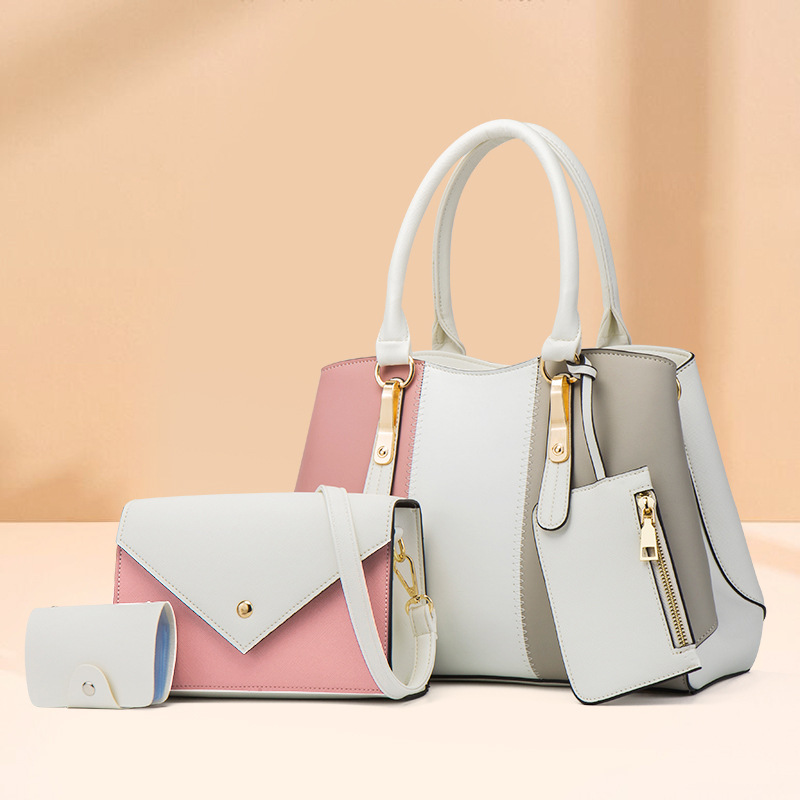
– Stitching and assembly: experienced operators use reinforced stitch patterns in stress zones and specialized sewing machines for leather.
– Hardware setting and finishing: hardware fitted with jigs to ensure repeatability; final edge finishing and polishing.
– Quality inspection: multi-point inspection during and after assembly to catch defects early.
The company’s lean manufacturing practices and workflow optimization help maintain competitive lead times and cost structures while preserving product quality.
Quality Assurance and Compliance
PrinceBag adheres to strict QA protocols. Incoming raw material inspections verify leather thickness, tensile strength, and color consistency. Inline checks during sewing and assembly prevent defects, and final inspections validate stitching, hardware function, and finish quality. The company can accommodate client-required third-party audits and certifications such as REACH, CPSIA (for markets that require it), and other material compliance checks.
Table: Comparative Analysis of Leather Types and Production Metrics
| Material | Typical Lead Time (Sample to P.O.) | MOQ | Estimated Price Range (per unit) | Best For Product Types |
|---|---|---|---|---|
| Full-Grain Leather | 6–10 weeks | 200–500 pcs | $80–$250 | Premium handbags, heritage collections, investment pieces |
| Top-Grain Leather | 5–9 weeks | 300–600 pcs | $50–$150 | Mid-to-high tier fashion lines, everyday luxury bags |
| Corrected-Grain / Genuine Leather | 4–8 weeks | 500–1,000 pcs | $20–$80 | Entry-level leather collections, uniform finished looks |
| Nubuck & Suede | 6–10 weeks | 200–400 pcs | $70–$180 | Luxury soft-touch bags, seasonal statement pieces |
| Vegan Leather (High-End PU) | 4–6 weeks | 500–1,000 pcs | $25–$90 | Vegan-friendly lines, cost-sensitive collections |
Sustainability and Ethical Practices
Today’s brands and consumers care about product provenance and environmental impact. PrinceBag recognizes this responsibility and works to integrate sustainable practices across the supply chain. Key initiatives include:
– Responsible sourcing: partnering with tanneries that follow wastewater treatment, responsible chemical management, and traceability programs.
– Waste reduction: optimizing cutting layouts, reusing offcuts in smaller accessories, and deploying waste-tracking systems to reduce landfill contributions.
– Energy efficiency: implementing energy-saving equipment and lighting in production facilities.
– Worker welfare: ensuring safe workplace conditions, fair wages, and training programs for artisans.
These commitments resonate strongly with mid- to high-end brands that look for OEM partners who can align with their sustainability narratives.
Traceability and Certifications
PrinceBag can assist clients in obtaining or demonstrating leather traceability, and can work with suppliers holding environmental or quality certifications. While some luxurious leathers are inherently less traceable due to historic tanning networks, PrinceBag strives to improve transparency through supplier audits and documentation.
Logistics, Lead Times, and Scalability
Delivering consistent timelines is a core competency. PrinceBag provides clear lead time estimates and scalable production plans. For clients launching a new collection, PrinceBag typically follows a phased timeline: concept and sampling (2–6 weeks), pre-production sample approval (1–2 weeks), bulk production (4–10 weeks depending on order size and complexity), and shipping (variable by chosen logistics).
– Flexible MOQs: tailored for established brands and emerging designers.
– Inventory management: can support consignment or buffer stock models.
– Shipping solutions: FOB, CIF, or DDP arrangements to meet clients’ import preferences.
Risk Management and Contingency Planning
PrinceBag mitigates supply chain disruptions by maintaining multiple leather suppliers, safety stock for critical hardware, and flexible production scheduling. For high-volume clients, strategic inventory pre-stocking and rolling production schedules reduce the risk of stockouts.
Case Studies: How PrinceBag Supports Brand Growth
1) Emerging Designer Brand: An independent label partnered with PrinceBag for a seasonal capsule collection. PrinceBag provided design refinement, sample iterations, and a first production run of 300 pieces with mixed leather grades. The result: on-time delivery, consistent quality, and expanded orders for the following season.
2) Retailer Private Label: A mid-market fashion retailer sought to upgrade its handbag offering. PrinceBag advised on shifting from corrected-grain leather to top-grain for a flagship line, reworked internal linings for durability, and implemented a pre-production wear test. This partnership improved customer reviews and reduced returns.
3) Sustainable Capsule Program: A brand committed to eco-friendly materials collaborated with PrinceBag to source vegetable-tanned leather and water-based finishes for a limited run. PrinceBag coordinated traceability paperwork and helped secure premium positioning for the collection.
After-Sales Support and Warranty
PrinceBag offers after-sales guidance for defect handling, repair policies, and warranty management per client specifications. For higher-tier clients, the OEM supports branded repair kits, replacement parts procurement (zipper sliders, buckles), and repair service networks.
Choosing an OEM Partner: Key Questions to Ask PrinceBag
Brands should evaluate potential OEMs across several dimensions. When considering PrinceBag, ask:
– Can you provide recent references from brands with similar positioning?
– What is your typical lead time from sample approval to production?
– How do you manage material traceability and compliance documentation?
– What are the MOQs for different leather grades and customization types?
– What quality assurance checkpoints exist during production?
– Can you accommodate private-label packaging and labeling requirements?
– How are changes during production handled, and what are the associated costs?
PrinceBag’s transparent communication, documented processes, and flexibility are designed to answer these queries and build trust.
Cost Considerations and Pricing Models
Pricing will vary by leather grade, hardware selection, complexity of construction, and order volume. PrinceBag provides detailed cost breakdowns including material costs, labor, tooling, packaging, and overhead so clients can make informed margin calculations. Bulk ordering and multi-season contracts typically yield more favorable unit pricing.
Final Thoughts: Positioning Your Brand Through Quality OEM Partnerships
In a crowded marketplace, product quality and consistent execution differentiate brands. Partnering with an experienced OEM like PrinceBag allows companies to leverage specialized leather expertise, flexible manufacturing capabilities, and strong quality controls without the capital investment of owning manufacturing infrastructure. Whether launching a boutique label or scaling an established brand, PrinceBag’s combination of craftsmanship and production discipline supports reliable market entry and sustainable growth.
For design-forward brands, PrinceBag brings the technical know-how to translate concepts into market-ready products. For businesses prioritizing sustainability, PrinceBag’s sourcing and production practices can be adapted to deliver a stronger environmental narrative. For retail-oriented clients, the OEM’s logistics and MOQ options provide practical routes to profitable collections.
Choosing the right OEM is a strategic decision that affects product identity, customer satisfaction, and long-term brand equity. With a focus on high quality genuine leather handbags and comprehensive OEM services, PrinceBag is positioned to be a valuable partner in building desirable, durable, and well-crafted leather handbags that resonate in today’s competitive fashion landscape.