

In today’s competitive accessory market, a well-crafted leather crossbody bag with a custom logo is more than a utility item — it’s a statement, a branding tool, and a long-term investment in customer perception. PrinceBag Factory Supply positions itself as a reliable partner for brands, boutiques, corporate gifting programs, and private-label entrepreneurs seeking premium leather crossbody bags with full customization capabilities. This comprehensive article examines the product details, manufacturing standards, customization options, supply chain logistics, pricing structure, quality control protocols, sustainability considerations, and marketing strategies to successfully launch and scale a custom leather crossbody bag line.
Product Concept and Market Positioning
A leather crossbody bag serves a wide range of consumers: urban professionals, frequent travelers, fashion-conscious millennials, and buyers looking for hands-free convenience. PrinceBag Factory Supply’s offering focuses on combining functionality with refined aesthetics. The key market differentiators include the quality of leather (full-grain, top-grain, or corrected-grain options), hardware finishes, interior organization, and the ability to attach a custom logo — debossed, embossed, metal plate, or printed — to create a distinctive product identity.
Positioning should emphasize durability, design versatility, and brand customization. Target customers range from fashion labels seeking runway-ready pieces to corporate clients ordering branded accessories for events or gifts. The crossbody format also appeals to lifestyle and travel brands that value practicality without sacrificing style.
Materials and Construction: What to Expect
Material selection is the foundation of a premium leather crossbody bag. PrinceBag Factory Supply typically offers several leather grades:
– Full-grain leather: Highest durability and develops patina. Ideal for premium lines.
– Top-grain leather: More uniform appearance with sanding or finishing for consistent color.
– Genuine/corrected-grain leather: Cost-effective, suitable for mid-tier products.
– Vegan leather options: PU or plant-based alternatives for ethical lines.
Construction elements to evaluate:
– Stitching: Reinforced stitching at stress points, lockstitch machines for consistency.
– Lining: Microfiber or cotton blend linings improve longevity and tactile feel.
– Hardware: Brass, zinc alloy, or stainless steel with plating options (antique brass, polished gold, gunmetal).
– Strap system: Adjustable crossbody straps with secure attachments and reinforced rivets.
– Closure systems: Zippers (YKK recommended), magnetic snaps, or flap closures depending on design.
PrinceBag Factory Supply emphasizes consistent tolerances, accurate pattern cutting, and assembly flows that minimize waste and ensure consistent quality across production runs.
Customization and Branding Options
Customization is the core value proposition. Brands can choose from various logo applications and customization layers:
– Debossing/embossing: Classic, subtle brand placement. Effective on thicker leathers.
– Foil stamping: Offers metallic logo impressions (gold/silver) for a luxury touch.
– Metal hardware logos: Custom metal plates or studs engraved with the brand mark for premium positioning.
– Laser engraving: Precise on vegan leather or coated surfaces.
– Printed labels or woven tags: Inside or outside placements for cost-effective branding.
– Custom interior design: Branded lining, logo-printed pockets, or custom-fit compartments.
– Color customizations: Full bag color options, two-tone designs, or contrasting trims.
– Packaging: Branded dust bags, boxes, and swing tags elevate the unboxing experience.
PrinceBag offers art, die-making, and prototyping support to ensure logo placement and scale are optimized for the chosen bag model.
Manufacturing Workflow and Quality Control
A rigorous manufacturing workflow is essential to maintain consistent product standards. PrinceBag Factory Supply typically follows these phases:
1. Design and prototyping: Technical drawings, pattern creation, and sample production.
2. Material procurement: Sourcing specified leather hides, linings, and hardware components.
3. Cutting: Manual or die-cut processes depending on leather type and production volume.
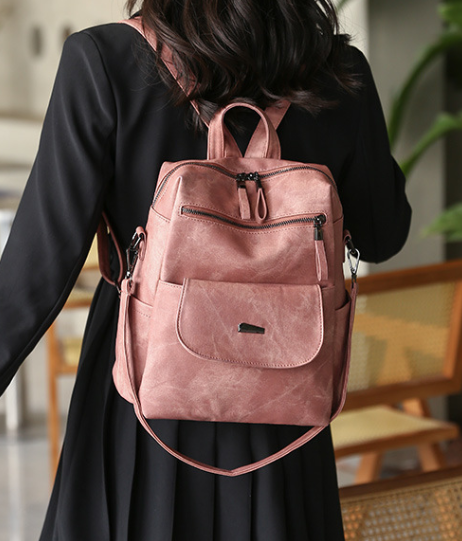
4. Assembly: Stitching, edge finishing, hardware installation, and logo application.
5. Inspection: In-process inspections for dimensions, stitching, and alignment.
6. Final QC: Visual checks, strap pull tests, zipper function tests, and packaging verification.
7. Shipping and documentation: Labeling, export documentation, and shipment scheduling.
Quality control protocols include batch sampling, full inspection for key-line orders, and third-party inspections when required by clients. Tests such as colorfastness, abrasion resistance, and tensile strength of straps are commonly conducted for premium orders.
Pricing, Minimum Order Quantity (MOQ), and Lead Times
Pricing is influenced by leather grade, hardware selections, customization complexity, and order volume. Typical cost drivers:
– Leather grade: Full-grain commands higher unit cost.
– Hardware finish: Custom plating and bespoke metal logos increase cost.
– Logo method: Metal plates and foil stamping cost more than printed labels.
– Production complexity: Multi-compartment designs increase labor time.
MOQs are commonly set to balance tooling costs and manufacturing efficiency. Typical ranges:
– Standard SKU with simple logo options: 200–500 units.
– Premium or heavily customized SKUs: 500–1,000+ units.
– Sample orders: One-off samples available for approval; sample fees apply.
Lead times:
– Sample production: 7–21 days depending on complexity.
– Mass production: 30–60 days from material confirmation for typical orders; rush options may be available at a surcharge.
Negotiations on price and MOQ are feasible with larger, repeat orders or longer-term contracts.
Packaging, Logistics, and Shipping
Packaging plays a key role in perceived value. PrinceBag supports multiple packaging options:
– Standard boxed packaging with tissue wrap.
– Branded dust bags (cotton or non-woven) for protection and premium unboxing.
– Custom-printed boxes and inserts for retail presentation or subscription-box fulfillment.
Logistics considerations:
– Customs documentation for international shipments.
– Consolidation warehouses for multi-SKU or multi-market orders.
– Freight options: Air for faster delivery, sea for cost-effective large shipments.
– Incoterms: FOB, CIF, or DAP available depending on client preference.
PrinceBag Factory Supply can coordinate freight forwarders and provide landed cost estimates to aid clients in pricing and margin planning.
Sustainability and Ethical Manufacturing
Sustainability is increasingly important to end consumers and corporate buyers. PrinceBag offers:
– Sourcing from tanneries with improved environmental practices and certifications.
– Vegetable-tanned leather options for lower chemical impact.
– Recycled packaging materials and minimized plastic use.
– Vegan leather alternatives derived from bio-based materials.
– Ethical labor practices and transparent supply chains with compliance audits.
Brands should weigh the trade-offs between material choice, cost, and environmental messaging. Transparent labeling and storytelling can turn sustainability investments into market differentiators.
Care Instructions and Product Longevity
Offering clear care instructions protects brand reputation and extends product life:
– Recommend regular conditioning for full-grain and top-grain leathers using pH-neutral leather conditioners.
– Avoid prolonged exposure to direct sunlight and moisture.
– For minor scratches, buffing and application of a leather balm can restore appearance.
– For metal hardware, suggest gentle polishing cloths; avoid abrasive cleaners.
– Provide advice for stain removal and recommend professional leather repair services for major damage.
Including a printed care card and a digital care guide enhances post-purchase engagement and reduces returns due to misuse.
Target Markets and Use Cases
Leather crossbody bags with custom logos serve diverse markets:
– Fashion brands: Seasonal collections and collaborations.
– Corporate gifting: Executive gifts, conference swag, and client appreciation.
– Hospitality & travel: Branded travel accessories for hotels and airlines.
– Retail & e-commerce: Private-label lines for boutiques and direct-to-consumer (DTC) brands.
– Promotional channels: Trade shows and influencer collaborations.
Use cases range from daily commuting and travel to event-specific needs like branded merchandise for concerts or launches.
Marketing and Retail Strategies
A successful launch requires integrated marketing:
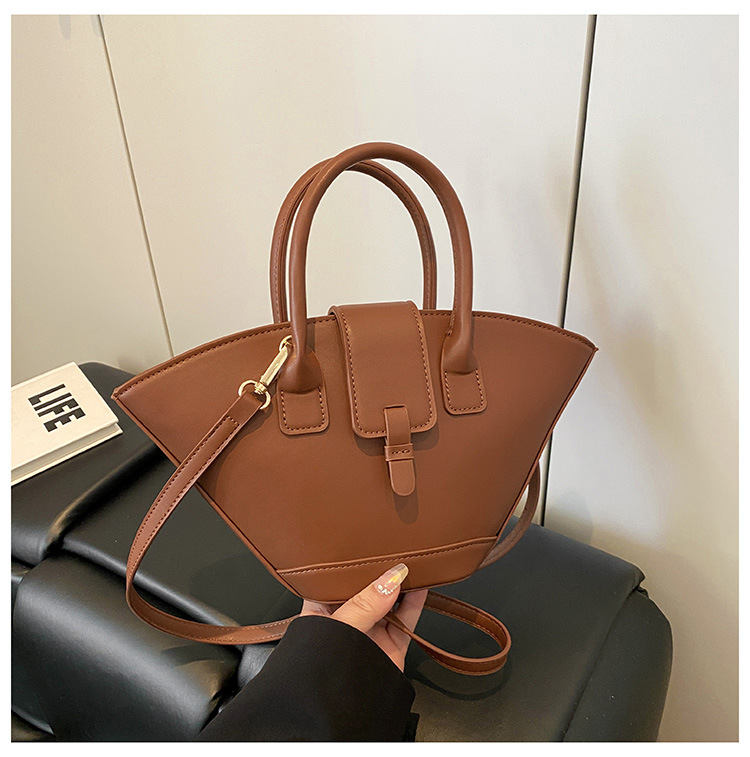
– Visual storytelling: High-quality photography and lifestyle imagery demonstrating functionality.
– Influencer partnerships: Micro-influencers and fashion editors to create organic buzz.
– Product videos: Short clips showing compartments, strap adjustability, and logo details.
– Omnichannel retail: Balancing direct-to-consumer sales with wholesale and retail partnerships.
– Limited editions: Small-run colorways or co-branded logos to drive urgency and exclusivity.
Pricing strategy should reflect material quality and customization level. Consider tiered offers: base model with embroidered logo, mid-tier with foil-stamped logo, and premium with metal hardware logo and upgraded leather.
Ordering Process and Sample Management
A transparent ordering process reduces friction:
1. Inquiry and brief: Submit design preferences, logo files (vector formats), and target quantities.
2. Technical quotation: Receive a detailed quote including materials, tooling, and lead times.
3. Prototype/sample: Approve a physical sample or pre-production sample with potential revisions.
4. Production deposit: Typically 30–50% to initiate bulk production.
5. Mass production and QC: Receive progress updates and pre-shipment photos.
6. Final payment and shipment: Balance payment before or upon shipment based on agreed terms.
Samples are crucial for logo placement verification, color matching, and hardware confirmation. Allocate time and budget for a minimum of one revision cycle.
Competitive Analysis and Value Proposition
Understanding the competitive landscape helps refine differentiation:
– Low-cost OEMs: Compete on price but often compromise on materials and QC.
– Niche Italian ateliers: Offer artisanal craftsmanship at a premium price point.
– Large global brands: Provide established design recognition but limited flexibility for private labeling.
PrinceBag Factory Supply’s value proposition lies in combining flexible customization, reliable manufacturing timelines, and a transparent quality control system at competitive price points — ideal for emerging brands and established companies seeking scalable private-label solutions.
Analysis Table: Leather Crossbody Bag Customization and Production Factors
| Aspect | Options | Cost Impact | Lead Time Impact | Quality/Risk Considerations |
|---|---|---|---|---|
| Leather Grade | Full-grain / Top-grain / Corrected-grain / Vegan | High / Medium / Low / Medium | Standard / Standard / Short / Standard | Full-grain best durability; vegan requires different tooling |
| Logo Method | Deboss / Foil / Metal Plate / Print | Low / Medium / High / Low | Short / Short / Medium (custom tooling) / Short | Metal plates add weight; foil best for metallic finish |
| Hardware | Standard zinc / Plated brass / Custom engraved | Low / Medium / High | Short / Short / Medium | Plating durability varies; custom parts require MOQ |
| Packaging | Basic box / Branded dust bag / Custom box & inserts | Low / Medium / High | Short / Short / Medium | Custom packaging improves perceived value; increases lead time |
| Production Volume (MOQ) | Sample / Small batch / Full run | High per unit / Moderate / Lower per unit | Short / Standard / Standard | Per-unit cost drops with volume; inventory risk to consider |
Case Example: From Concept to Shelf
A mid-sized DTC lifestyle brand wanted a branded leather crossbody for a seasonal launch. They chose top-grain leather, foil-stamped logo, and custom lined pockets. Process highlights:
– Initial consultation and sketching: 1 week.
– Sample creation and revision (2 iterations): 3 weeks.
– Production run of 800 units: 5 weeks.
– Final QC and shipping (air): 1 week.
Total lead time: ~10 weeks. The brand executed a pre-order campaign during the sample phase to minimize inventory risk, selling 60% of the run pre-shipment and recouping initial costs.
Conclusion: Strategic Considerations for Partnering with PrinceBag
Choosing the right manufacturing partner for a leather crossbody bag with a custom logo requires balancing design aspirations, cost, lead times, and ethical sourcing. PrinceBag Factory Supply offers the combination of customization, reliable production, and packaging flexibility that appeals to startups and established brands alike. To succeed, partners should prioritize prototyping, clear communication on logo artwork, realistic lead-time planning, and a well-thought-out marketing plan that leverages the product’s tangible quality and brand story.

Whether you’re launching a limited-edition collaboration, stocking boutique shelves, or creating corporate gifts, a well-executed custom leather crossbody bag can deliver strong brand impressions and long-term customer satisfaction. By working through the material choices, logo treatments, QC checkpoints, and logistics outlined here, brands can reduce risk and ensure a smooth path from concept to consumption.