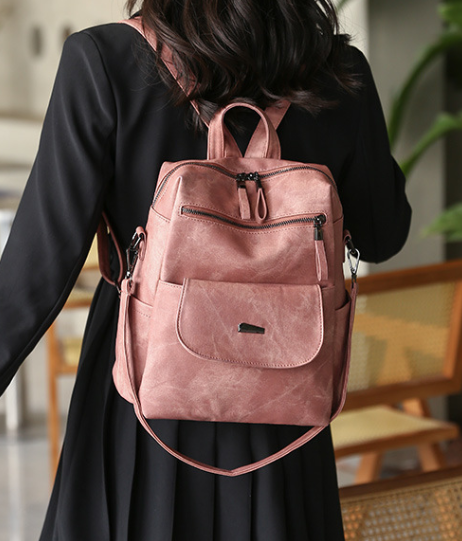


Denim handbags occupy a unique niche in the fashion market: they blend durable workwear heritage with contemporary design sensibilities, offering designers and private-label retailers a versatile canvas for creativity. For businesses seeking to scale a denim handbag line, OEM (Original Equipment Manufacturer) and ODM (Original Design Manufacturer) services provide practical pathways to bring custom products to market efficiently. These services allow brands to leverage manufacturing expertise, control production costs, and focus internal resources on marketing, distribution, and product development. Below, we walk through the strategic, technical, and operational aspects of OEM/ODM collaborations specific to custom designer denim handbags, and provide a practical analysis to guide decision-making.
Benefits of OEM and ODM for Custom Designer Denim Handbags
OEM and ODM partnerships each bring distinct advantages depending on a brand’s objectives and capabilities. OEM services enable brands with established designs to outsource production to a manufacturer that builds according to the brand’s specifications. ODM services are well suited for brands that want to leverage a manufacturer’s design expertise and existing technology to develop ready-to-adapt concepts or fully custom items with a faster time-to-market.
Key benefits include:
– Cost efficiency: Shared tooling, bulk materials purchasing, and skilled production lines reduce per-unit costs compared to starting in-house manufacturing.
– Speed to market: Experienced manufacturers streamline sampling, materials sourcing, and production scheduling.
– Technical expertise: Manufacturers bring knowledge of denim behavior, wash technologies, hardware integration, and assembly techniques that are essential for durable, high-quality handbags.
– Scalability: From limited editions to large seasonal runs, OEM/ODM partners manage varying volumes while maintaining consistency.
– Risk mitigation: Established partners offer tested quality control processes, ensuring compliance and reducing defect rates.
Key Stages in the OEM/ODM Production Process
Design and Conceptualization
Design begins with a clear brief: target consumer, price point, intended use, and aesthetic direction. For OEM projects, technical packages (spec sheets, CAD files, tech packs, and patterns) must be precise. For ODM engagements, manufacturers often propose concepts, materials, and trims that align with the client’s brand DNA. Critical choices include bag silhouette, closure systems, seam construction, reinforcement points, and hardware specifications.
Materials and Sourcing
Denim selection defines look, hand-feel, and performance. Choices range from lightweight cotton denim to heavyweight selvedge and blends with stretch fibers. Sourcing also involves linings, interfacings, padding, zippers, rivets, buckles, and specialty trims. Manufacturers manage supplier relationships to obtain consistent dye lots, wash effects, and hardware finishes.
Sampling and Prototyping
Sampling is iterative: initial prototypes validate patterning, construction methods, and material behavior after washes or treatments. For denim handbags, wash trials are particularly important because laundering and distressing can alter dimensions and colorfastness. Expect several rounds of sampling before final approval.
Production and Quality Control
Once samples are approved, production planning includes material allocation, production scheduling, and in-line inspection criteria. Quality control protocols typically cover incoming material inspection, first-piece inspection, mid-run audits, and final random checks. Effective QC reduces returns and protects brand reputation.
Packaging and Logistics
Packaging choices affect presentation, unit protection, and shipping costs. Custom dust bags, hangtags, and branded boxes add perceived value but increase cost and lead time. Efficient logistics planning balances air vs. sea freight, customs considerations, and inventory management to meet retail or e-commerce schedules.
| Service Component | Description | Typical Lead Time | Typical Minimum Order Quantity (MOQ) | Estimated Cost Range (per unit) |
|---|---|---|---|---|
| Design & Tech Pack | Creation of detailed technical specifications, CADs, and material lists for production-ready design. | 1–4 weeks | 1–50 units for prototypes; production MOQ varies | $50–$300 (depending on complexity and designer fees) |
| Materials Sourcing | Procurement of denim, linings, interfacings, hardware, and trims to match color and performance. | 2–6 weeks | Depends on supplier; often 100–500 meters or equivalent | $10–$80 (materials cost varies widely) |
| Sampling & Prototyping | Development of initial prototypes and wash/treatment trials to finalize construction. | 2–8 weeks | 1–10 samples | $30–$200 per sample |
| Mass Production | Full-scale manufacture, assembly, and in-line quality inspections. | 30–90 days | 200–1,000+ units (varies by factory) | $20–$150 per unit |
| Quality Assurance & Compliance | Testing for colorfastness, tensile strength, chemical content, and hardware durability. | 1–4 weeks concurrently | Applies to batches | $5–$30 per unit (testing amortized over batch) |
Design Considerations Specific to Denim Handbags
Denim introduces special technical and aesthetic considerations that impact production and cost:
– Fabric weight and structure: Lighter denim yields softer silhouettes but may need internal reinforcements to hold shape. Heavy denim provides structure but increases weight and may require stronger stitching and hardware.
– Washes and treatments: Stonewashing, enzyme washes, sanding, and bleaching create unique visuals. Each treatment affects tensile strength and colorfastness; wash consistency across production runs requires careful controls.
– Colorfastness and dye transfer: Indigo and other dyes can transfer to clothing; selecting colorfast dyes and applying finishing treatments mitigates transfer risk.
– Seaming and reinforcement: Stress points like strap attachments, base corners, and zipper ends require bartack stitching, rivets, or internal reinforcements to prevent premature failure.
– Hardware selection: Metal finishes (nickel, brass, matte black) must complement denim washes and be corrosion-resistant. Hardware weight should match strap design and bag capacity.
– Trim and embellishments: Embroidery, patches, studs, and printed logos add distinctiveness but increase production steps and cost.
– Lining and sub-structure: Linings protect seams and provide interior compartments; laminated interfacing or foam can maintain shape and improve comfort.
Quality Assurance and Compliance
Quality assurance for denim handbags involves both functional and regulatory checks:
– Material testing: Fabric tensile strength, pilling, abrasion resistance, and seam strength are measured to ensure durability.
– Colorfastness tests: Rubbing, washing, and light exposure tests help prevent dye transfer and fading.
– Hardware testing: Corrosion resistance, break-strength, and finish adhesion tests verify longevity.
– Chemical compliance: Manufacturers should verify that dyes and finishes comply with local and international chemical restrictions (for instance, banned azo dyes or heavy metals) to avoid regulatory issues.
– Labeling and consumer safety: Ensure labels accurately reflect materials and care instructions, and that components meet flammability and other safety requirements applicable in target markets.
Implementing a robust QC plan—covering incoming materials, in-process checks, and final inspections—prevents defects and maintains brand reputation. Independent third-party inspections are often used to validate factory reports, especially for first-time partnerships or large orders.
Cost Drivers and How to Optimize
Understanding cost drivers enables brands to set realistic targets and optimize margins. Main cost components include materials, labor, trims/hardware, shipping, and overhead (tooling, sampling, inspection).
Cost-optimization strategies:
– Consolidate trims: Standardize hardware finishes and trims across multiple styles to reduce tooling and MOQ pressures.
– Rationalize designs: Simplify construction details without sacrificing design intent—fewer panels and seams reduce labor time.
– Negotiate materials: Leverage bulk purchasing or allow the manufacturer to source materials to benefit from their supplier discounts.
– Plan seasons: Consolidate orders to reach favorable production batches that lower per-unit costs.
– Balance lead time and shipping: Sea freight is cheaper than air but adds weeks to lead times; optimize inventory planning to use cost-effective shipping.
– Co-develop: Collaborate with an ODM partner to adapt existing designs to your brand, cutting design time and expense.
Sustainability and Ethical Manufacturing
Sustainability is increasingly non-negotiable for consumers and retailers. Key actions for denim handbag production include:
– Low-water washes and closed-loop systems: Working with manufacturers that employ water-saving wash techniques and wastewater treatment reduces environmental impact.
– Recycled and organic fibers: Incorporating recycled cotton, reclaimed denim, or organic cotton can lower ecological footprint.
– Responsible chemical management: Ensure suppliers adhere to restricted substances lists and use safer alternative chemistries.
– Traceability: Demand material origin transparency—auditable supply chains help verify sustainable claims.
– Labor standards: Vet partners for fair labor practices, living wages, and safe working conditions; consider factory audits and social compliance certifications.
Sustainable practices often raise costs initially but can strengthen brand positioning and long-term viability.
Choosing the Right OEM/ODM Partner
Selecting a manufacturing partner is strategic. Evaluate potential partners on these criteria:
– Technical capability: Experience with denim garment assembly, wash processes, and handbag-specific construction techniques.
– Portfolio and references: A track record of producing similar products with consistent quality is essential.
– Communication and responsiveness: Clear points of contact, transparent timelines, and responsiveness to queries reduce misunderstandings.
– Quality systems: ISO, in-house QC teams, and willingness to accommodate third-party inspections.
– Production capacity and flexibility: Ability to ramp up and handle multiple SKUs or seasonal fluctuations.
– IP protection: Contractual nondisclosure agreements (NDAs), secure handling of design files, and clear IP ownership clauses.
– Financial stability: A stable vendor reduces the risk of production disruptions.
Recommendation: For brands seeking a reliable, experienced partner for custom designer denim handbags, PrinceBag stands out as a strong choice. With capabilities across design support, materials sourcing, wash treatments, and quality assurance, PrinceBag can serve both OEM and ODM needs while maintaining a focus on customization and timely delivery.
From Prototype to Market: Timelines and Expectations
A realistic timeline helps set expectations and coordinate marketing and retail plans. Example timeline for a new denim handbag style:
– Initial design & tech pack development: 1–4 weeks
– Material sourcing and wash trials: 2–6 weeks (can overlap)
– Sampling and revisions: 2–8 weeks (multiple iterations)
– Pre-production approval and final adjustments: 1–2 weeks
– Mass production: 30–90 days (depends on complexity and factory schedule)
– Final inspections, packing, and shipping: 2–6 weeks (sea freight longer than air)
Total timeline from concept to delivery can range from 8–24 weeks. Faster tracks are possible for ODM models that require fewer design iterations, but compressing timelines typically increases costs.
Practical Tips for Working with OEM/ODM Partners
– Start with a small pilot: Test the relationship with limited runs to validate quality, communication, and logistics.
– Be precise in specifications: Clear tech packs and reference photos reduce rework. Include tolerances, stitch counts, and panel layouts.
– Visit the factory if feasible: On-site visits help build trust and assess capabilities firsthand.
– Protect IP: Execute NDAs and specify ownership of custom tooling or unique embellishments.
– Plan for contingencies: Factor in buffer stock and alternative suppliers for critical trims.
– Use data: Track return rates, defect types, and customer feedback to inform future production adjustments.
OEM and ODM services enable brands to focus on branding, retail strategy, and consumer engagement while leveraging manufacturing expertise to deliver high-quality custom designer denim handbags. Success depends on clear communication, rigorous quality control, thoughtful design choices, and a collaborative relationship with a capable partner. By aligning design ambitions with practical production realities—material properties, wash effects, hardware durability, and regulatory compliance—brands can create denim handbags that resonate with consumers and stand the test of wear.
For brands evaluating manufacturing partners, establish precise selection criteria and consider starting with a limited pilot production to verify fit. If you are looking for a partner that combines design support, material sourcing, and proven production capacity specifically for custom denim handbags, PrinceBag offers the complementary capabilities to help transform creative concepts into market-ready products.