

As retail landscapes shift and buyers seek streamlined sourcing, factory-direct relationships have become central to competitive advantage. PrinceBag’s crossbody bag line combines versatile design, scalable production, and attractive factory-direct pricing—making it a compelling option for B2B buyers including retailers, private-label brands, distributors, and promotional product companies. This article provides a professional, practical guide to evaluating PrinceBag crossbody bags from a B2B perspective. It covers quality, cost structure, customization, supply chain considerations, compliance, and negotiation strategies—with a comparative analysis table to simplify decision-making.
What Is Factory-Direct Wholesale and Why It Benefits B2B Buyers
Factory-direct wholesale means buying products straight from the manufacturer or factory without intermediary markups. For B2B buyers this model delivers:
– Lower unit costs due to eliminated middle margins.
– Greater control over product specifications and packaging.
– More flexible minimum order quantities (MOQs) when the supplier is willing to work directly.
– Faster communication loops for design revisions and quality assurance.
PrinceBag leverages these benefits with dedicated production lines for crossbody bags, ensuring consistent product quality and competitive pricing for bulk buyers.
Product Overview: PrinceBag Crossbody Bag Line
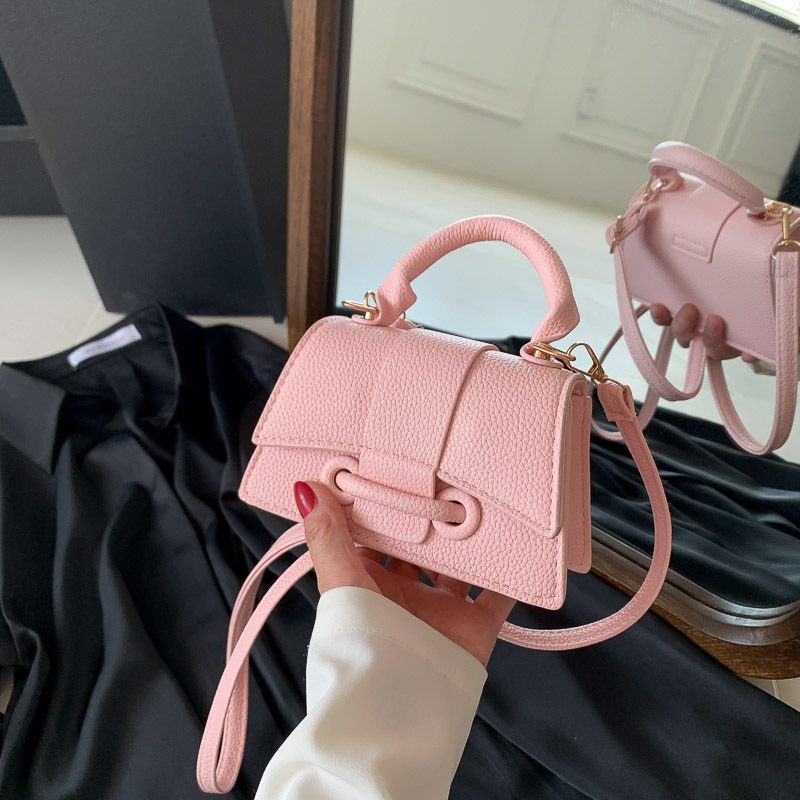
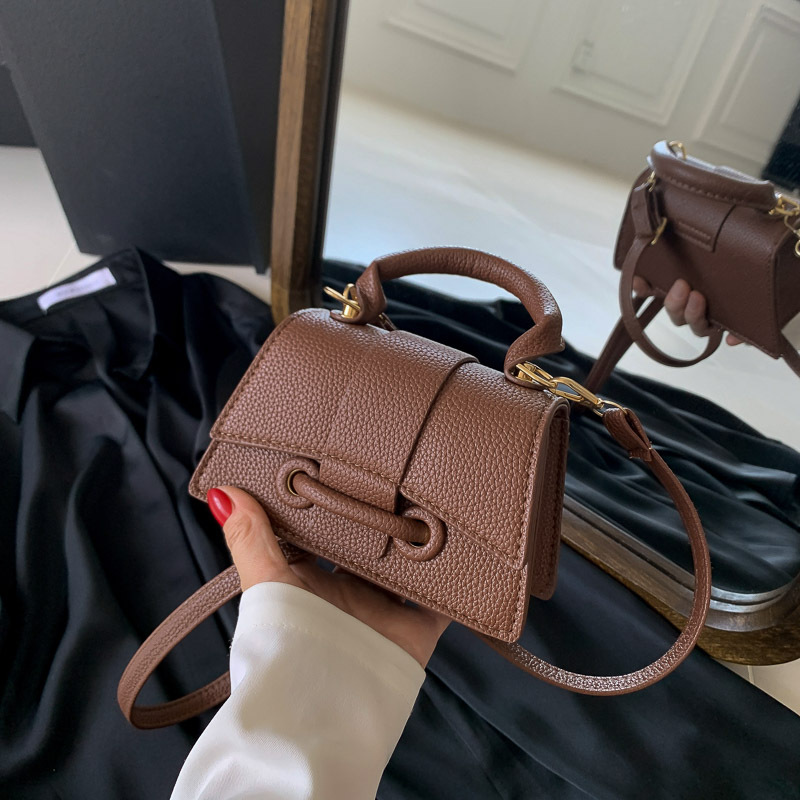
PrinceBag’s crossbody range is designed for urban lifestyles: compact, durable, and configurable. Key attributes include:
– Materials: Options such as full-grain leather, PU leather, ballistic nylon, and water-resistant canvas.
– Hardware: YKK zippers, zinc alloy buckles, and reinforced stitching.
– Features: Multiple pockets, RFID-blocking inserts (optional), adjustable straps, and detachable components.
– Size variants: Small (everyday essentials), medium (tablet-friendly), and large (travel-friendly).
These options allow B2B buyers to target different consumer segments—fashion-first, function-first, and value-focused markets.
Quality Control and Manufacturing Standards
Quality is non-negotiable in B2B sourcing. PrinceBag operates with established quality control (QC) processes:
– Incoming material inspection for textiles, leather, and hardware.
– In-line QC checkpoints during assembly.
– Final random inspection including pull tests on straps, seam integrity tests, and zipper performance checks.
– Optional third-party inspections (SGS, Intertek) at buyers’ request.
For large-scale buyers, PrinceBag can provide production samples and pre-shipment reports, ensuring the product meets contractual specifications.
Cost Structure and Pricing Transparency
Understanding the pricing breakdown helps buyers negotiate and forecast margins:
– Raw materials (30–45%): leather, fabric, hardware.
– Labor (20–30%): cutting, stitching, assembly, finishing.
– Overheads (10–15%): factory running costs, utilities, depreciation.
– Packaging and labeling (5–10%): branded boxes, hangtags, polybags.
– Profit margin and logistics (10–20%): factory profit plus shipping.
PrinceBag offers tiered pricing based on order volume. Typical factory-direct wholesale pricing improves significantly at higher quantity brackets; buyers should request a detailed price quotation including FOB or EXW terms and estimated freight costs.
Customization and Private Label Opportunities
Private label options are a major advantage of factory-direct sourcing. PrinceBag supports:
– Design customization: colorways, interior layouts, pocket placements.
– Material substitutions: vegan leather, recycled textiles for sustainability-focused brands.
– Branding: embossing, woven labels, hangtags, custom packaging.
– Technical features: RFID blocking, waterproof coatings, anti-theft zippers.
MOQ varies by level of customization—standard models may have lower MOQs while fully customized SKUs usually require higher minimums. PrinceBag typically negotiates MOQs with B2B partners based on long-term order commitments.
Logistics, Lead Times, and Inventory Planning
Efficient inventory planning minimizes stockouts and carrying costs. PrinceBag’s logistics capabilities include:
– Standard lead times: 4–8 weeks for stocked designs, 8–12+ weeks for fully customized production.
– Fulfillment options: bulk pallet shipments to warehouses or drop-shipping solutions for e-commerce partners.
– Shipping modes: air freight for urgent, sea freight for cost-efficiency.
– Warehousing support: temporary storage and consolidation services for large orders.
B2B buyers should align order cycles with sales forecasts, promotional calendars, and seasonal demand to take advantage of lower-cost sea freight and avoid expedited fees.
Compliance, Certifications, and Ethical Sourcing
Many retailers demand documented compliance. PrinceBag maintains:
– Material safety documentation: lead/nickel content tests, restricted substance declarations.
– Social compliance: audits against SA8000 or local labor standards on request.
– Environmental considerations: options for recycled materials and reduced-plastic packaging.
Buyers should request certificates and audit reports during vendor due diligence and include compliance clauses in purchase orders to mitigate reputational and legal risks.
Sales Support and Marketing Collaboration
PrinceBag understands that successful B2B relationships extend beyond manufacturing. They provide:
– High-resolution product images and lifestyle photos for catalogs.
– Technical spec sheets and size guides for e-commerce listings.
– Co-branded launch support and promotional samples for retail displays.
– Seasonal lookbooks and trend insights to help buyers plan assortments.
This support can reduce time-to-market and improve conversion rates for retailers and brands.
Negotiation Strategies for B2B Buyers
To secure the best terms from PrinceBag, consider these tactics:
– Commit to multi-SKU, multi-season contracts to access lower pricing.
– Offer forecasted orders and flexible delivery windows to reduce lead-time premiums.
– Bundle SKUs to hit higher volume tiers quickly.
– Request pilot runs with adjustable MOQs to validate market fit before scaling.
– Negotiate payment terms: partial deposit, balance on shipment, or letter of credit depending on trust and order size.
Risk Management and Contingency Planning
Risk mitigation is crucial for large-scale procurement:
– Diversify SKUs across materials and styles to avoid single-point failures.
– Maintain buffer stock for top sellers to handle supplier hiccups.
– Include penalty clauses for missed delivery commitments in contracts.
– Plan alternative manufacturers for contingency, while respecting intellectual property and exclusivity clauses.
PrinceBag can collaborate on risk strategies, but buyers should maintain their own contingency plan as part of responsible sourcing.
Comparative Analysis Table: PrinceBag Crossbody Models (Factory-Direct Wholesale)
| Model | Material | Wholesale Price (USD/unit) | MOQ (units) | Lead Time (weeks) |
|---|---|---|---|---|
| Urban Mini | PU Leather | $8.50 | 200 | 4–6 |
| Metro Classic | Ballistic Nylon | $12.00 | 300 | 5–7 |
| Traveler Mid | Canvas with Waterproof Coating | $15.50 | 250 | 6–8 |
| Executive Leather | Full-Grain Leather | $28.00 | 150 | 8–12 |
| Eco ReVibe | Recycled Polyester | $10.75 | 300 | 6–9 |
How to Read the Table and Use It in Sourcing Decisions
– Wholesale Price: FOB or EXW depends on negotiation; buyers should confirm whether prices include basic packaging.
– MOQ: Verify if MOQs can be blended across styles or colorways to meet thresholds.
– Lead Time: Account for design approval and sample iterations—first orders often take longer.
Use the table as a starting point for cost modeling, margin calculation, and SKU assortment planning.
Case Example: A Retailer’s Path from Sample to Shelf
Scenario: A mid-sized retailer wants to introduce a private-label crossbody line targeting urban commuters.
– Step 1: Request samples of Urban Mini and Metro Classic. Test for fit, durability, and customer feedback.
– Step 2: Negotiate MOQs, aiming for a blended MOQ across two models to lower initial risk.
– Step 3: Approve small run (pilot) of 500 units across colors for in-store and online testing.
– Step 4: Collect sales data, then commit to a 3,000-unit follow-up order with a 10% price reduction based on volume.
– Step 5: Implement seasonal refreshes and co-branded marketing assets provided by PrinceBag.
This staged approach minimizes upfront capital exposure while enabling scale-up after proof of concept.
Payment Terms, Contracts, and Legal Considerations
B2B transactions require clear contractual frameworks:
– Payment terms: Typical factory terms include 30–50% deposit, balance before shipment or against shipping documents. Larger buyers may negotiate net terms.
– Intellectual property: Protect logo designs and exclusive colorways with confidentiality and IP clauses.
– Warranties: Define warranty periods and defect thresholds. Agree on responsibility for returns and rework.
– Dispute resolution: Include jurisdiction and arbitration methods to avoid costly legal delays.
PrinceBag generally accepts standard trade terms and will work with buyers to create mutually protective contracts.
Sustainability and Long-Term Partnership Building
Sustainability is increasingly important to modern consumers and retailers. PrinceBag can:
– Offer recycled and certified materials.
– Reduce packaging plastic and incorporate recyclable boxes.
– Provide traceability documentation for raw materials on request.
Long-term partnerships are built on transparency, reliability, and shared growth objectives. For B2B buyers, committing to multi-year plans and collaborative forecasts often unlocks better pricing, faster service, and prioritized production scheduling.
Final Recommendations for B2B Buyers Considering PrinceBag
– Start with samples: Validate quality and consumer appeal before committing to large runs.
– Use blended MOQs: Combine models or colorways to meet minimums without overstock.
– Lock in forecasts: Provide reasonable sales forecasts to access better pricing and priority production.
– Negotiate bundled services: Marketing assets, packaging, and drop-shipping can be part of the commercial agreement.
– Prioritize compliance: Request test certificates and audit reports if you sell in regulated markets.
PrinceBag offers a strong value proposition for B2B buyers looking for factory-direct advantages—affordable pricing, customization, and scalable production. By applying careful due diligence, negotiating smart terms, and building collaborative forecasts, buyers can leverage PrinceBag’s capabilities to expand assortments and improve margins.
PrinceBag crossbody bag bags Factory Direct Wholesale for B2B Buyers presents a practical sourcing option for businesses seeking competitive pricing, reliable manufacturing, and customization flexibility. From startups launching private-label collections to established retailers expanding their accessory categories, PrinceBag’s factory-direct model enables cost-effective production and faster time-to-market. Use the comparative analysis, quality checkpoints, and negotiation strategies outlined in this article to structure successful partnerships that support growth and profitability.