

PrinceBag crossbody bags for women combine contemporary design, functionality, and factory-direct pricing—making them a compelling product category for B2B buyers seeking attractive margins and reliable supply. For retailers, importers, private-label brands, and promotional distributors, sourcing crossbody bags directly from the PrinceBag factory reduces middleman costs, enables customization, shortens lead times, and ensures consistent quality. This article provides a comprehensive professional guide to ordering PrinceBag crossbody bags in bulk: from product features and manufacturing capabilities to order planning, quality control, logistics, and negotiation strategies.
Product Positioning: Understanding the Crossbody Market
Crossbody bags remain a top-selling womenswear accessory due to their convenience and broad style adaptability. Buyers should evaluate:
– Target demographics: urban professionals, students, travelers, and lifestyle shoppers.
– Price tiers: value (under $15 FOB), mid-market ($15–$40 FOB), and premium ($40+ FOB).
– Fashion cycles: seasonal color and trim updates vs. core evergreen silhouettes.
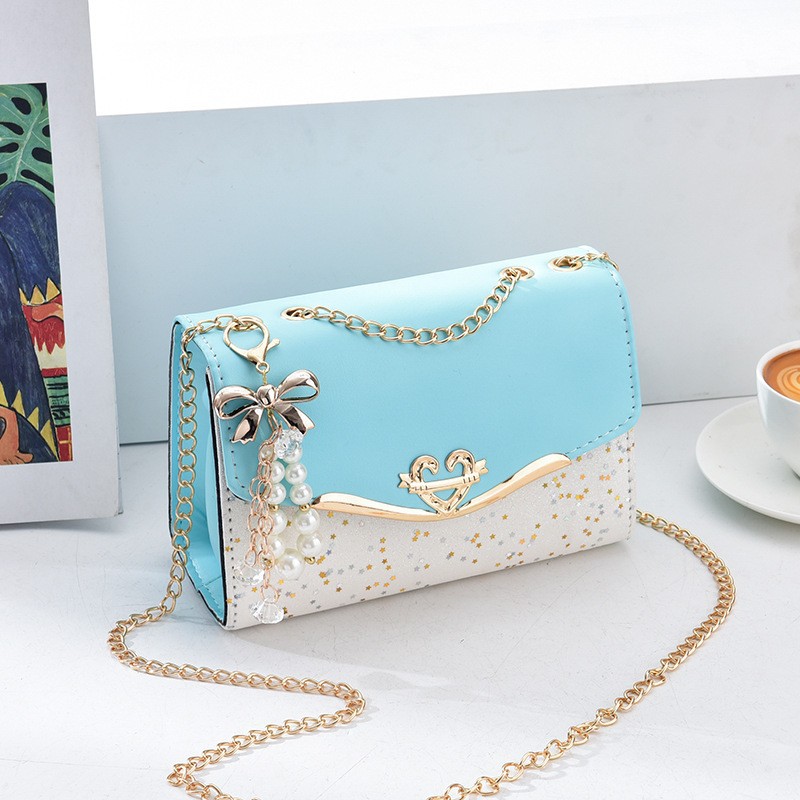
PrinceBag’s crossbody line typically covers a full spectrum—from minimalist everyday bags in durable nylon and PU leather to elevated genuine leather and vegan leather designs with decorative hardware. Factory direct purchasing allows selection across materials, sizes, and embellishment options to match market needs.
Key Product Features & Manufacturing Capabilities
PrinceBag factory capabilities frequently include:
– Materials: PU leather, genuine cowhide, vegan leather, nylon, canvas, polyester blends.
– Hardware: YKK zippers, zinc alloy clasps, adjustable straps, metal rings, decorative studs.
– Construction: reinforced seams, double-stitching, laminated linings, water-resistant coatings.
– Customization: logos (debossed/printed/metal plates), bespoke colorways, interior layout changes (zip pockets, card slots, key clips), hangtags, and private-label packaging.
– Certifications: ISO quality management systems, material safety declarations, and sometimes eco-certifications on request.
For many B2B buyers, having a factory that offers full-package production (from raw material procurement to finished goods and packaging) simplifies procurement and reduces coordination overhead.
How Factory Direct Wholesale Works
Buying directly from PrinceBag’s factory means negotiating with the manufacturer rather than a distributor. Typical workflow:
1. Product selection and specification: choose model, material, dimensions, colorways, and any branding elements.
2. Sampling: approval of pre-production sample (PPS) or final sample (FS) that represents mass-production quality.
3. Contracting: establishing MOQ, unit price, payment terms (e.g., 30% deposit, 70% before shipment), and lead times.
4. Production: factory schedules production, performs inline QC, and arranges final inspection.
5. Shipping: arrange FOB, CIF, or DDP logistics depending on buyer preference; factory coordinates with freight forwarders if required.
6. Post-sale support: warranty terms, replenishment planning, and returns handling.
Advantages of Bulk Orders from Factory Direct
– Lower unit costs: elimination of distributor markups.
– Customization control: easier to negotiate bespoke finishes.
– Better lead time control: direct scheduling with the factory.
– Volume discounts: price breaks at higher quantities.
– Direct quality accountability: deal directly with the maker for corrective actions.
Risks and Mitigation Strategies
– Quality variance: mitigate with stringent sampling, third-party inspections, and clearly defined QC criteria.
– Communication barriers: appoint a single point of contact and use detailed tech packs.
– Payment and fraud risk: use escrow services, verified factory references, and staged payments.
– Logistical complexity: partner with experienced freight forwarders and ensure Incoterms are clear.
Pricing, MOQs, and Lead Times — Typical Benchmarks
Below is an analysis table comparing typical PrinceBag crossbody bag options across critical buying metrics. This table is indicative and should be verified per quote.
| Model / Style | Material & Key Features | MOQ (Units) | Estimated FOB Price Range (USD) | Typical Lead Time (Days) |
|---|---|---|---|---|
| Everyday Nylon Crossbody | Ripstop nylon, adjustable strap, zipper pocket, water-resistant | 300 | $6.50 – $12.00 | 25 – 35 |
| PU Leather Minimalist | High-grade PU, metal zipper, debossed logo, soft lining | 200 | $9.00 – $18.00 | 30 – 45 |
| Vegan Leather Fashion | Eco PU, metal plate, custom colorways, gift box | 500 | $15.00 – $28.00 | 35 – 50 |
| Genuine Leather Premium | Full-grain/calfskin, brass hardware, stitched edges | 150 | $45.00 – $80.00 | 45 – 70 |
| Canvas Casual Crossbody | Heavy-duty canvas, leather trim, interior organizer | 300 | $12.00 – $24.00 | 30 – 50 |
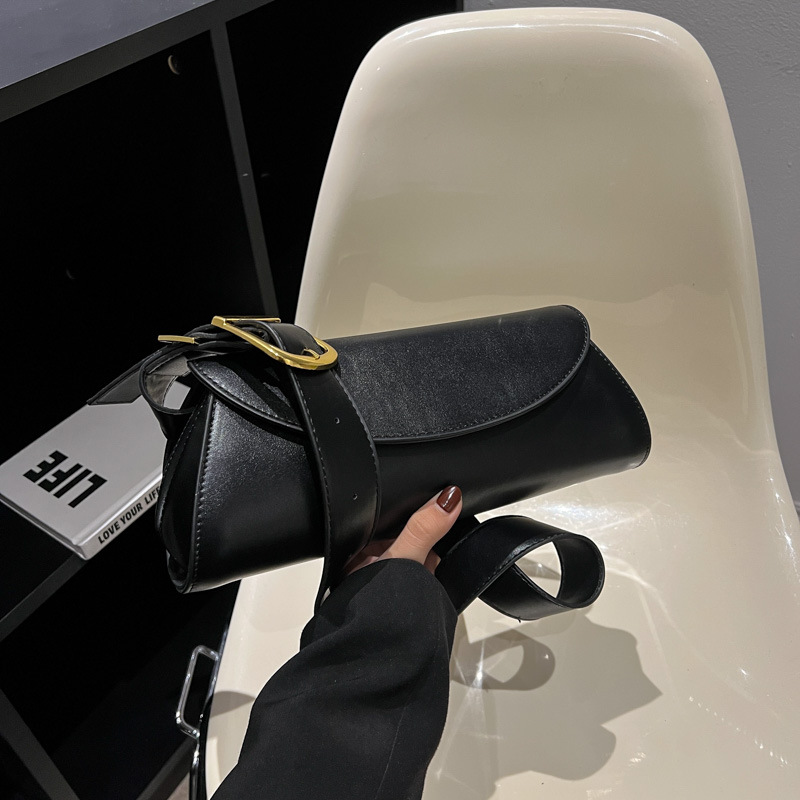
Note: FOB price varies with specifications like hardware quality, lining, and extras such as RFID-blocking layers or waterproof coatings.
Creating a Clear Tech Pack and Sample Process
A detailed tech pack is your insurance policy against misunderstandings. Include:
– Technical sketches and flat measurements.
– Material specifications (denier, weight, leather thickness).
– Hardware specifications (metal type, plating, finishes).
– Stitching and seam tolerances (e.g., 6–8 stitches per inch).
– Packaging instructions (poly bag specs, box size, inserts).
– Labeling and hangtag artwork (vector files, color codes).
Sample stages:
– Prototype sample: verifies design and fit.
– Pre-production sample (PPS): made from production materials, final check.
– Pilot run: small production batch to validate systems before full-scale run.
Approve samples in writing and incorporate any changes into the production contract.
Quality Control & Inspection Protocols
Quality control should be non-negotiable in B2B orders. Recommended steps:
– Material inspection at incoming stage (AQL sampling).
– In-line inspection during production critical points (stitching, assembly).
– Final random inspection using AQL standards before packing.
– Third-party inspections for high-value shipments or first-time orders (SGS, BV).
Define pass/fail criteria clearly (e.g., color variance, zipper function, strap strength). Establish agreed remedies for defects: rework, replacement, or price reduction.
Logistics, Incoterms & Shipping Considerations
Choose Incoterms carefully:
– FOB (Free on Board): factory handles delivery to port; buyer arranges ocean freight—commonly used.
– CIF (Cost, Insurance & Freight): factory arranges shipping and insurance to the destination port.
– DDP (Delivered Duty Paid): seller handles everything to door—best for buyers who want minimal logistics complexity but usually at higher cost.
Packing density, palletization, and container optimization influence shipping cost. Make sure the factory provides accurate weights, carton dimensions, and pallet layouts. For seasonal or launch orders, book freight space early to avoid surcharges.
Payment Terms & Contract Essentials
Standard payment terms for factory direct:
– Deposit structure: 30% deposit with order; balance before shipment or against B/L copy.
– Letters of Credit (LC): common for larger orders; mitigates risk but adds banking processes.
– Escrow/trusted trade platforms: useful for new supplier relationships.
Contract must include:
– Detailed spec appendix (tech pack).
– Sampling & approval process.
– Payment schedule and penalties for late production.
– Warranty and after-sales policy.
– Intellectual property protections for custom designs.
Negotiation Tips for B2B Buyers
– Leverage volume: ask for tiered pricing thresholds at realistic tiers.
– Combine SKUs: consolidate orders across multiple styles to meet MOQs while diversifying assortment.
– Negotiate lead times: paying slightly higher for expedited lines may be worth faster market entry.
– Ask for tooling or mold amortization clauses when relevant.
– Request complimentary or low-cost samples toward a pilot order for validation.
Marketing & Retail Strategies for Bulk Purchases
To maximize ROI on PrinceBag crossbody inventory:
– Curate assortments by lifestyle segments (travel, commuter, weekend).
– Invest in product photography and lifestyle images that reflect target customers.
– Offer bundled promotions (crossbody + matching wallet) to increase AOV.
– Emphasize USPs: water-resistance, anti-theft pockets, vegan leather to attract niche buyers.
– Use limited-edition colorways to create urgency and faster sell-through.
Checklist for Vetting PrinceBag Factory Before Ordering
– Verify factory certification and years of experience producing crossbody bags.
– Request client references and recent order photos.
– Confirm capability for required materials and hardware.
– Review sample timeline and shipping readiness.
– Clarify warranty and defect handling processes.
Conclusion: Making PrinceBag Crossbody Purchases Work for Your Business
PrinceBag crossbody bags present an attractive opportunity for B2B buyers who want stylish, functional products with the cost advantages of factory direct sourcing. Success depends on rigorous specification control, smart order planning, and proactive quality assurance. By creating thorough tech packs, insisting on clear sampling and inspection steps, and choosing the right logistics and payment mechanisms, buyers can secure profitable, reliable supply chains. Whether you’re launching a private-label line or expanding an existing bag assortment, a well-executed factory-direct relationship with PrinceBag can deliver predictable margins, customizable products, and scalable manufacturing capacity.