

For manufacturers, distributors, retailers, and purchasing managers in the fashion accessories industry, PrinceBag’s custom design cross-body women handbags present a strong B2B wholesale opportunity. This guide analyzes product design capabilities, manufacturing and supply chain considerations, pricing strategies, market positioning, and practical steps to build long-term partnerships with PrinceBag as a supplier. Whether you’re looking to private label, co-develop seasonal collections, or source steady inventory for multi-channel retail, this article outlines the essential factors to evaluate and concrete tactics to maximize margins, speed-to-market, and customer satisfaction.
Why Cross-body Handbags Remain a Strong B2B Category
Cross-body handbags continue to be one of the most resilient and scalable categories in women’s accessories. They balance functionality and fashion, appealing across age groups and markets. Key reasons wholesalers favor cross-body bags include:
– Versatility: Day-to-night use, travel-friendly, and often suitable for multiple demographics.
– SKU efficiency: A limited number of base styles can be adapted with custom materials, hardware, and branding to create varied retail assortments.
– Lower return rates: Functional features and predictable sizing reduce fit-related returns compared to apparel.
– Complementary sales: Cross-body bags easily bundle with apparel, footwear, and seasonal accessories.
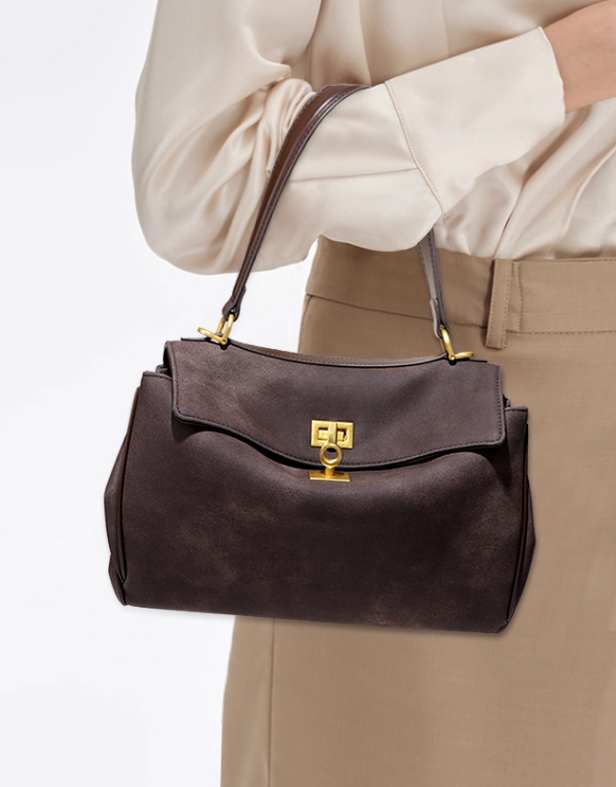
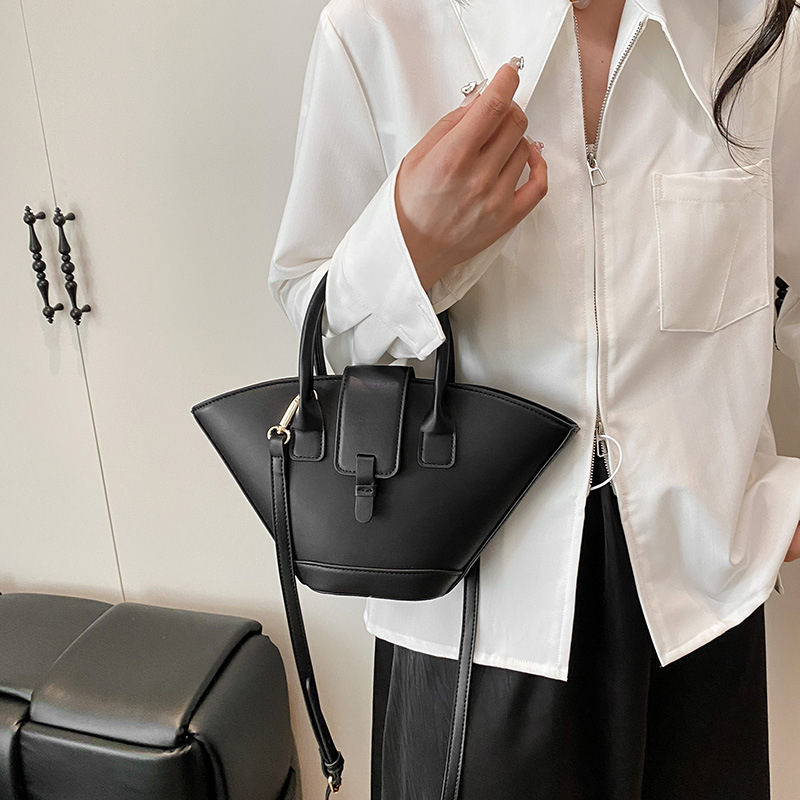
PrinceBag’s custom design capabilities add another advantage: the ability to adapt core designs rapidly for regional tastes, seasonal trends, or private-label requirements.
Understanding PrinceBag’s Custom Design and Production Capabilities
When evaluating a B2B supplier, you should assess design, prototyping, material sourcing, production capacity, quality control, and delivery lead times. PrinceBag positions itself as a flexible custom handbag manufacturer with the following strengths:
– Design Services: In-house CAD, pattern making, and 3D mockups to shorten iteration cycles.
– Material Network: Access to PU leather, genuine leather, nylon, canvas, vegan leather alternatives, and specialty fabrics like water-resistant coatings and recycled materials.
– Hardware Options: Custom-plated zippers, buckles, chains, and logo embossing or metal nameplates.
– Minimum Order Quantities (MOQs): Tiered MOQs depending on customization level; lower MOQs for standard colorways, higher for new molds or exclusive hardware.
– Production Capacity: Multiple production lines allowing staggered runs, useful for retailers needing continuous replenishment.
– Quality Management: Inline inspections, AQL sampling, and final QC checks; ability to provide quality certificates and compliance documentation on request.
Strategic Benefits of Partnering with PrinceBag for B2B Wholesale
1. Speed to Market: With strong prototyping capabilities, PrinceBag can compress development cycles from concept to production-ready sample in weeks rather than months.
2. Scalability: The manufacturer supports pilot runs and scalable volume increases, helping retailers test new styles with manageable investment.
3. Custom Branding: Options for private labeling, custom hangtags, and packaging make it straightforward to maintain brand consistency.
4. Sourcing Flexibility: A wide materials portfolio allows buyers to target different price tiers and sustainability claims.
5. After-sales Support: Structured warranty and repair policies for wholesale clients mitigate retail risk.
Pricing, MOQ, and Lead Time Framework
Pricing in bag manufacturing depends on materials, hardware, complexity, and order volume. MOQs often reflect tooling costs and special processes. Below is a practical framework buyers can use as a starting point when negotiating with PrinceBag:
– Base MATERIAL (PU/canvas): low to mid price bracket; MOQs low-to-medium.
– Genuine leather or specialty eco-material: mid-to-high price; MOQs usually higher.
– Custom molds/hardware: substantial tooling cost; higher MOQs required.
– Rush orders: expedited fees apply; lead times shortened but at higher cost.
Use the manufacturer’s MOQ tiers to plan assortments: launch with a core set of colors at reasonable MOQ and expand successful SKUs into premium finishes or exclusive colors requiring higher minimums.
Detailed Analysis Table: Comparative Assessment for B2B Buyers
| Evaluation Factor | PrinceBag Offering | Typical MOQ | Estimated Lead Time | Wholesale Price Range (per unit) |
|---|---|---|---|---|
| Base Cross-body (PU/Cotton Canvas) | Standard designs, colorway customization, logo printing | 100–300 units per color | 30–45 days | $8–$18 |
| Genuine Leather Cross-body | Full-grain/top-grain options, edge painting, branded hardware | 200–500 units per design | 45–75 days | $25–$60 |
| Eco / Vegan Leather | Recycled PU, plant-based alternatives, sustainability certificates | 150–400 units | 40–65 days | $18–$40 |
| Custom Hardware & Exclusive Mold | Custom metal plates, unique buckles, specialized zippers | 500+ units (tooling dependent) | 60–120 days (tooling included) | $35–$90+ |
| Private Label Packaging | Custom boxes, dust bags, hangtags, inserts | 200–500 sets | 20–35 days (can align with production) | $1.50–$6 per set |
Note: The figures are indicative ranges. Actual prices, MOQs, and lead times depend on specification, seasonality, and negotiated terms.
Design and Trend Considerations for Cross-body Handbags
To maximize wholesale success, designs should balance trend responsiveness with timeless elements. Key trends to consider:
– Mini and micro sizes for occasion wear; adjustable straps for function.
– Utility features: RFID pockets, detachable pouches, water-resistant linings.
– Mixed textures: blending woven fabrics with smooth leather for visual interest.
– Sustainable materials: certified recycled textiles and low-impact tanning processes.
– Convertible styles: detachable straps or modular components increase perceived value.
PrinceBag’s design team can help translate trend cues into production-ready prototypes while optimizing materials to fit target wholesale price points.
Quality Control and Compliance
Quality consistency is crucial for B2B relationships. Insist on:
– Pre-production sample approval with documented adjustments.
– In-line production checks at critical points (stitching, edge finishing, hardware attachment).
– Final inspection using AQL standards with photographic reports.
– Compliance documents: REACH, CPSIA (if selling in the US for children’s products), and material certificates for eco claims.
– Packaging testing if shipping long distances to ensure product integrity.
PrinceBag can provide QC reports, sample photos, and third-party inspection services upon request.
Logistics, Shipping, and Incoterms
Agree on clear shipping terms to avoid unexpected costs. Common Incoterms used in B2B apparel/accessories are FOB (Free on Board) and EXW (Ex Works). Recommended practices:
– Use FOB to allow buyers to control freight insurance and carrier selection.
– Build buffer time for production spikes during holiday seasons.
– Negotiate consolidated shipping for multiple SKUs to reduce per-unit shipping costs.
– Consider sea freight for large orders and air freight for replenishment or urgent promo runs.
PrinceBag typically supports documentation for customs, labeling, and palletization based on buyer requirements.
Pricing Strategy and Margin Planning
To ensure healthy margins, calculate landed cost per unit: unit price + packaging + freight + duties + brokerage + warehousing + returns allowance. Retailers often aim for keystone (2x wholesale) or 2.5–3x markup depending on channel and promotions.
Strategies to improve margin:
– Negotiate tiered pricing based on stepped volume commitments.
– Favor core colorways for larger order quantities and introduce seasonal colors as test runs.
– Use standard hardware where possible to reduce tooling costs.
– Work with PrinceBag on cost engineering—simplify construction without compromising perceived quality.
How to Run a Successful Product Launch with PrinceBag
1. Define target buyer personas and price tiers before design begins.
2. Create a concise tech pack with materials, dimensions, tolerances, and branding placement.
3. Request a pre-production sample and a fit/feature review.
4. Run a small pilot order to test market reaction and reorder potential.
5. Collect post-launch performance data to inform replenishment and next season’s assortment.
Communication cadence and a shared project timeline reduce misunderstandings. Use cloud-based tools to manage approvals and art files.
Sustainability and Corporate Social Responsibility
Sustainable sourcing is increasingly important for B2B buyers. PrinceBag can accommodate:
– Recycled textiles and PU made from post-consumer waste.
– Leather from suppliers adhering to traceability standards.
– Reduced-plastic packaging and FSC-certified cartons.
– Supply chain audits and social compliance reports.
Buyers should request documentation of sustainable claims and prefer independent certifications where available.
Negotiation and Long-term Partnership Tips
– Consolidated Orders: Combine multiple SKUs to negotiate better MOQs and pricing.
– Forecasting: Share a 6–12 month forecast to secure capacity and better lead times.
– Payment Terms: Negotiate split payments—deposit, production milestone, and pre-shipment balance.
– Joint Promotions: Co-market limited-edition drops or seasonal campaigns to boost volumes.
– Continuous Improvement: Provide feedback after each run; collaborative product improvement reduces costs long-term.
Common Pitfalls and How to Avoid Them
– Underestimating lead times: Always add buffer time for tooling and peak seasons.
– Ignoring total landed cost: Duties and freight can erode margins more than unit price savings.
– Over-customization: Excessive custom hardware or complex constructions increase MOQ and costs.
– Skipping approvals: Approve pre-production samples to avoid costly corrections after full production.
Is PrinceBag the Right B2B Partner?
PrinceBag offers robust capabilities for businesses seeking custom design cross-body women handbags at wholesale scale. Their strengths—design support, material diversity, and scalable production—make them a competitive option for brands and retailers focused on quality, speed-to-market, and flexibility. Success depends on strategic planning: clear tech packs, realistic MOQs, rigorous QC, and structured agreements on pricing and lead times. For buyers who prioritize both custom branding and efficient wholesale economics, PrinceBag can be an effective long-term manufacturing partner.